Choosing the right tire size is one of the most important decisions you make for your vehicle. The size of your tires affects how your car handles, how comfortable your ride is, and even how much fuel you use. Two popular choices, especially for trucks and SUVs, are 275 and 295 tires. While these numbers may seem close, the differences between them can impact your driving experience in many ways.
Many drivers wonder: which is better, 275 or 295 tires? Is a wider tire always better, or are there trade-offs? The answer depends on your needs, your vehicle, and how you use it. In this guide, I’ll take you through every aspect of 275 vs 295 tires. You’ll learn the meaning behind these numbers, how each size performs, and which one is right for you. This article will also highlight common mistakes people make, practical tips, and some insights that most beginners overlook. By the end, you’ll have the confidence to choose the best tire size for your situation.
What Do 275 And 295 Tire Sizes Mean?
Before comparing, it’s important to understand what these numbers represent. The 275 or 295 is the width of the tire in millimeters. So, a 275 tire is 275mm wide, while a 295 tire is 295mm wide. This number is always the first in the standard tire size code (for example, 275/65R18).
The rest of the code, like the aspect ratio (the number after the slash), the construction type (R for radial), and the rim diameter (the number after the “R”), also matter. But for this discussion, we focus on the width: 275mm vs 295mm.
Key Differences Between 275 And 295 Tires
1. Tire Width
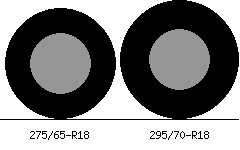
The most obvious difference is width. 295 tires are 20mm wider than 275 tires. This extra width can affect:
- Grip and traction: Wider tires usually mean a larger contact patch, which can improve grip, especially on dry surfaces.
- Appearance: A wider tire often looks more aggressive, filling the wheel well better.
2. Performance
A wider tire like the 295 provides more surface area in contact with the road. This can result in:
- Better cornering stability
- Improved acceleration (in powerful vehicles)
- Shorter braking distances (on dry pavement)
However, wider tires can also:
- Increase rolling resistance (which can reduce fuel efficiency)
- Be more prone to hydroplaning in heavy rain, as they can’t always channel water away as effectively as narrower tires.
3. Ride Comfort
275 tires usually offer a slightly smoother ride, especially over rough surfaces, because they can flex a bit more. 295 tires, being stiffer, can feel firmer or harsher over bumps.
4. Fuel Economy
Because 295 tires are wider and heavier, they create more drag. This means your engine has to work harder, which can lower fuel efficiency.
5. Cost
Generally, 295 tires are more expensive than 275 tires—both to buy and to maintain. They may also wear out faster if not matched properly to your vehicle.
6. Vehicle Fitment
Not every vehicle can safely fit 295 tires. You need to check for:
- Wheel well clearance
- Suspension geometry
- Rubbing issues when turning
Always check your car’s manual or consult a tire professional before changing tire width.
Detailed Comparison: 275 Vs 295 Tires
To help you see the differences at a glance, here’s a comparison using standard measurements:
| Feature | 275 Tire | 295 Tire |
|---|---|---|
| Width (mm) | 275 | 295 |
| Contact Patch | Smaller | Larger |
| Rolling Resistance | Lower | Higher |
| Fuel Efficiency | Better | Poorer |
| Wet Traction | Good | May be less (hydroplaning risk) |
| Appearance | Standard | Wider, more aggressive |
| Cost | Lower | Higher |
When To Choose 275 Tires
275 tires are a great choice for many drivers. Here’s when you might prefer them:
- Daily driving: If you mostly drive on city streets or highways, 275 tires provide a good balance of comfort, handling, and efficiency.
- Fuel economy: If saving on fuel is important, narrower tires help reduce drag.
- Wet conditions: If you live in a rainy area, 275 tires tend to channel water better and are less likely to hydroplane.
- Cost-conscious: If you want to save money on both the initial purchase and fuel costs, 275 is usually better.
When To Choose 295 Tires
295 tires have their own advantages, especially for certain drivers:
- Off-roading: If you take your truck or SUV off-road, the wider contact patch helps with traction on loose surfaces like sand or mud.
- Performance driving: For sports trucks or high-powered SUVs, 295 tires can improve grip during acceleration and cornering.
- Aesthetics: If you want a more aggressive look, 295s fill out the wheel wells and give your vehicle a bolder stance.
Real-world Example: 275 Vs 295 On A Ford F-150
Let’s look at the Ford F-150, a popular truck. Many F-150 owners upgrade their tires for either looks or performance. The stock tire size is often 275/65R18, but some switch to 295/60R20.
- With 275s: The truck feels lighter, and the steering is a bit more responsive. Fuel economy stays closer to the EPA estimate.
- With 295s: The truck looks more aggressive. There’s a small drop in miles per gallon, but the grip improves, especially when towing.
However, some owners report minor rubbing on the wheel well with 295s, especially when turning sharply or when the suspension compresses.
Credit: f80.bimmerpost.com
Common Mistakes When Switching Tire Sizes
Many drivers make the following errors:
- Ignoring load rating: A wider tire must still have the correct load rating for your vehicle. Don’t just look at width; check the sidewall for the load index.
- Not adjusting the rim size: Some 295 tires require a wider rim. Fitting a wide tire on a narrow rim can cause uneven wear or even a blowout.
- Forgetting speedometer changes: Changing tire width (and sometimes aspect ratio) can affect your speedometer reading.
- Skipping an alignment: After switching tire sizes, always get a wheel alignment. This prevents uneven wear and handling problems.
Tire Size Calculator: Why Aspect Ratio And Rim Size Matter
When looking at tires, you’ll see numbers like 275/65R18 or 295/60R20. The second number (like 65 or 60) is the aspect ratio—it tells you the height of the tire’s sidewall as a percentage of the width. The last number (like 18 or 20) is the rim diameter in inches.
A 295/60R20 is actually about 34. 9 inches tall, while a 275/65R18 is about 32. 1 inches tall. This affects your speedometer, odometer, and sometimes your vehicle’s gearing.
Example Calculation
Let’s break down a 275/65R18 tire:
- Width: 275mm
- Aspect ratio: 65% of 275mm = 178.75mm sidewall height
- Rim size: 18 inches
For a 295/60R20 tire:
- Width: 295mm
- Aspect ratio: 60% of 295mm = 177mm sidewall height
- Rim size: 20 inches
Even though the sidewall heights are close, the 295 tire is wider and fits a larger rim.
How Tire Width Affects Handling And Safety
Wider tires, like 295s, offer better dry grip because more rubber touches the road. This can be helpful in:
- Sharp turns
- Sudden lane changes
- Performance driving
But wider tires can also:
- Follow ruts and grooves in the road more easily, which can make the steering feel “twitchy.”
- Increase the risk of hydroplaning on wet roads.
Narrower tires (like 275s) are better in:
- Heavy rain
- Snowy conditions (the narrower contact patch “cuts” through snow better)
Impact On Off-road Performance
For off-road vehicles, tire width can make a big difference. Here’s how 275 and 295 tires compare:
- Sand and mud: Wider 295 tires “float” better over loose surfaces, reducing the risk of getting stuck.
- Rocks and trails: Narrower 275 tires can sometimes provide better grip on rocky surfaces because they dig in more.
If you frequently switch between different terrains, it’s important to balance width with tread pattern and tire construction.
Effect On Towing And Hauling
If you use your vehicle for towing or hauling heavy loads, tire choice is critical. Here’s what to consider:
- Load rating: Make sure the tire can support the weight of your vehicle plus the load.
- Sidewall strength: Wider tires like 295s can have stiffer sidewalls, which helps with stability under load.
- Heat buildup: Wider tires may run hotter, especially if overloaded. Overheating can lead to tire failure.
Always check your owner’s manual for recommended tire sizes and load ratings.
Tire Weight And Unsprung Mass
Wider tires are usually heavier. This extra weight is called unsprung mass—weight that is not supported by the suspension (tires, wheels, brakes). More unsprung mass can:
- Reduce ride quality
- Affect acceleration and braking
- Increase wear on suspension parts
For most daily drivers, the difference isn’t huge, but it becomes more important in performance and off-road situations.
Road Noise And Comfort
Wider tires tend to create more road noise. The increased surface area picks up more vibrations from the road. If you prefer a quiet cabin, 275 tires might be a better choice. However, some high-quality 295 tires are designed to reduce noise with special tread patterns.
Tire Availability
Not all tire models come in both 275 and 295 widths. You may have more options in 275, especially for all-season or touring tires. Performance and off-road tires, however, are often available in 295 width.
Rotation And Tire Lifespan
Wider tires sometimes wear out faster, especially if:
- Alignment is off
- You drive aggressively
- You don’t rotate them regularly
Proper rotation and maintenance are important for both sizes, but especially for 295s.
Impact On Vehicle Warranty
Some automakers may void part of your warranty if you use a non-recommended tire size. Always check your manual or ask your dealer before switching from 275 to 295.
Credit: www.tacomaworld.com
Insurance Implications
Changing tire size can sometimes affect your insurance policy, especially if it changes the vehicle’s performance or value. Check with your insurance provider before making big changes.
Key Points Most Beginners Miss
- Speedometer Error: Even small changes in tire diameter (not just width) can make your speedometer inaccurate. This can lead to speeding without realizing it.
- ABS and Traction Control: Modern vehicles rely on sensors that use tire rotation speed. A different tire size can confuse these systems, leading to warning lights or reduced safety features.
Typical Vehicles That Use 275 And 295 Tires
You’ll commonly find 275 tires on:
- Standard full-size trucks (Ford F-150, Chevy Silverado)
- Large SUVs (Toyota Sequoia, Nissan Armada)
- Some crossovers and sporty sedans
295 tires are popular on:
- High-performance trucks (Ford Raptor, Ram TRX)
- Lifted off-road vehicles (Jeep Wrangler with aftermarket wheels)
- Sports SUVs (BMW X5 M, Mercedes GLE 63 AMG)
How To Decide: 275 Or 295?
Ask yourself these questions:
- How do you use your vehicle? Daily commute, off-road, towing, or performance?
- What is your local climate? Wet, dry, snowy, or mixed?
- Are you willing to sacrifice fuel economy for performance or looks?
- Do you care about tire cost and lifespan?
If you’re still unsure, consult a tire professional or use an online tire size calculator. For more technical details, you can also check resources like Tire Rack.
Pros And Cons Summary
Here’s a quick summary of the advantages and disadvantages:
| Tire Size | Pros | Cons |
|---|---|---|
| 275 | – Better fuel economy – Lower cost – Good wet traction – Smoother ride |
– Less aggressive look – Slightly less grip on dry roads – May not suit performance needs |
| 295 | – Better dry grip – Improved stability – Aggressive appearance – Better off-road flotation |
– Higher cost – Reduced fuel efficiency – Increased road noise – Potential fitment issues |
Non-obvious Insights For Tire Buyers
- Tread Pattern Matters as Much as Width: Many people focus only on width, but tread design can have a bigger impact on grip, noise, and hydroplaning. For example, a well-designed 275 tire may outperform a cheap 295 tire in rain.
- Rim Width Compatibility: Not all 295 tires can safely fit on the same rims as 275s. Always check the recommended rim width for your new tire size.
Tips For A Successful Tire Upgrade
- Always check your vehicle’s recommended tire sizes and load ratings.
- Test fit a single tire before buying a full set if you’re unsure about clearance.
- Recalibrate your speedometer if you change overall tire diameter.
- Have a professional alignment done after installing new tires.
- Check your spare tire—it should be close in size to your main tires.
Frequently Asked Questions
1. Can I Put 295 Tires On My Stock Rims?
It depends on your rim width. Most stock rims for 275 tires are about 8 to 9.5 inches wide. Some 295 tires require rims that are at least 9.5 inches wide. Always check the tire manufacturer’s specifications for minimum and maximum rim width. Using a tire that’s too wide for your rim can cause poor handling and wear.
2. Will 295 Tires Hurt My Fuel Economy?
Yes, usually. 295 tires are wider and heavier, which increases rolling resistance. Most drivers notice a drop of 1–2 miles per gallon after switching from 275 to 295 tires, especially in city driving.

Credit: www.reddit.com
3. Are 295 Tires Better For Off-roading?
In many cases, yes. The wider contact patch helps 295 tires “float” over sand and mud better than 275s. However, for rock crawling or deep snow, some off-roaders still prefer narrower tires for better penetration.
4. Can Changing Tire Size Affect My Vehicle’s Warranty?
Sometimes. If you use a tire size not recommended by the manufacturer, it could affect your powertrain or suspension warranty. Always check with your dealer before making major changes.
5. What About The Speedometer And Odometer?
Changing tire width alone doesn’t affect your speedometer, but changing the diameter does. If your new tires are taller or shorter than your stock tires, your speedometer and odometer will be inaccurate. Many shops can recalibrate these systems if needed.
Choosing between 275 and 295 tires is not just about looks or performance. It’s a balance of safety, comfort, cost, and how you use your vehicle. Take your time, consider all the factors, and don’t hesitate to get professional advice. The right tire size can transform your driving experience and keep you safe on the road.