Choosing the right tire size can change everything about your off-road adventure or daily driving experience. Two popular options—33S tires and 35S tires—often leave drivers debating which is better. Both sizes have strong points and weaknesses, depending on your goals, vehicle, and terrain. This article digs deep into the differences, advantages, and drawbacks of 33S vs 35S tires. Whether you love weekend trails, want a tougher look for your truck, or simply need reliable performance, this guide will help you make a confident choice.
What Are 33s And 35s Tires?
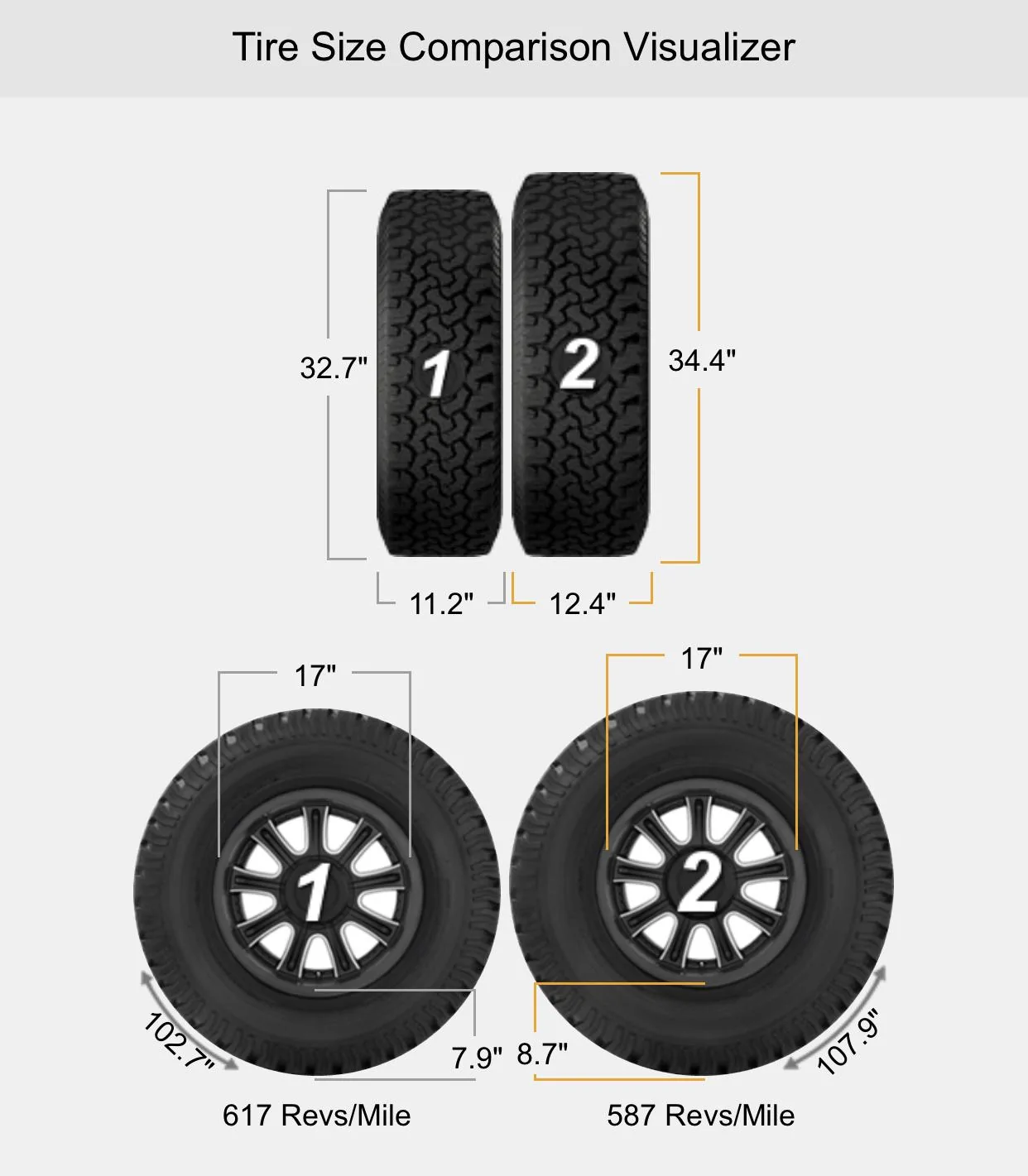
Before comparing, it’s important to understand what these tire sizes mean. The 33S tire refers to a tire with an overall diameter of about 33 inches, while the 35S tire measures around 35 inches in diameter. Both are common in the world of trucks, SUVs, and off-road vehicles.
The “S” in the name stands for “size,” but it’s more of a shorthand used in the enthusiast community. The actual tire sizes may vary slightly (for example, 33×12. 50R15 or 35×12. 50R17), but the main difference is the diameter, which affects ground clearance, gearing, and overall performance.
Why Tire Size Matters
Tire size impacts many aspects of your vehicle:
- Ground clearance
- Traction
- Fuel economy
- Speedometer accuracy
- Suspension compatibility
- Handling and stability
Bigger tires can mean better off-road capability, but they can also lead to new challenges. Understanding these effects is key before making a switch.
Credit: www.bronco6g.com
33s Vs 35s Tires: Side-by-side Comparison
Let’s compare these two sizes across important factors. This will help you see how each stacks up for different needs.
| Factor | 33S Tires | 35S Tires |
|---|---|---|
| Diameter | 33 inches | 35 inches |
| Weight (per tire) | ~50 lbs | ~60 lbs |
| Ground Clearance | Good | Better |
| Fuel Economy | Better | Lower |
| Acceleration | Faster | Slower |
| Off-Road Capability | Solid | Excellent |
| Cost | Lower | Higher |
| Fitment | Easier | May require mods |
Pros And Cons Of 33s Tires
Advantages Of 33s Tires
1. Better Fuel Economy
33S tires are lighter and smaller. They require less energy to rotate, which means your engine doesn’t work as hard. This leads to better gas mileage, especially on highways.
2. Easier Fitment
Most trucks and SUVs can fit 33S tires with minimal or no modification. Sometimes, a small lift or leveling kit is enough. This makes them a great choice if you want a simple upgrade.
3. Improved Handling
Because 33S tires are lighter, they don’t slow down your steering or acceleration as much. You’ll notice quicker response both on and off-road.
4. Lower Cost
33S tires are usually cheaper than 35S. They cost less to buy and install, and you save on related parts like wheels, brakes, and suspension upgrades.
5. Less Strain On Vehicle
The smaller size puts less stress on your transmission, axles, and suspension. This helps reduce wear and maintenance over time.
Drawbacks Of 33s Tires
1. Lower Ground Clearance
You lose about 1 inch of clearance compared to 35S tires. This can matter if you drive over rocks, deep ruts, or muddy areas often.
2. Less Aggressive Look
33S tires don’t fill the wheel wells as much as 35S tires. If you want a rugged, lifted appearance, 33S may not be bold enough.
3. Off-road Limits
While solid for most trails, 33S tires can struggle in extreme conditions like deep mud, sand, or rocky climbs.

Credit: www.discountedwheelwarehouse.com
Pros And Cons Of 35s Tires
Advantages Of 35s Tires
1. Higher Ground Clearance
35S tires lift your vehicle by about 1 inch more than 33S. This makes it easier to clear obstacles and avoid undercarriage damage.
2. Better Off-road Performance
The extra diameter and width help with traction. You can tackle tougher terrain—rocks, mud, snow—with more confidence.
3. Aggressive Appearance
35S tires give your truck or SUV a mean, powerful look. They fill out the wheel wells and stand out visually.
4. Improved Approach And Departure Angles
With bigger tires, your vehicle can climb steeper hills and descend without scraping bumpers or frames.
Drawbacks Of 35s Tires
1. Reduced Fuel Economy
35S tires are heavier and larger. The extra weight and rolling resistance mean your engine works harder, so you’ll use more gas.
2. Slower Acceleration And Handling
The weight slows your vehicle’s response. Turning and stopping can feel less crisp, especially if you haven’t upgraded brakes or suspension.
3. Higher Cost
35S tires cost more—sometimes 20%–30% higher than 33S. They also require lift kits, gear changes, and stronger components, adding to the expense.
4. Fitment Challenges
Most vehicles need a lift kit (often 3 inches or more) to fit 35S tires. You might need to trim fenders or upgrade suspension parts.
5. More Strain On Drivetrain
The larger tires put more stress on axles, differential, and transmission. This can lead to faster wear or even breakage if not addressed.
Performance Differences: 33s Vs 35s
How do these tires perform in real-world conditions? Let’s break down some key scenarios.
On-road Performance
- 33S tires offer smoother, quieter rides. They handle corners better and accelerate faster.
- 35S tires may feel heavier and can produce more road noise. Stopping distances can increase unless you upgrade brakes.
Off-road Performance
- 35S tires shine here, especially on steep climbs and deep mud. The extra size gives more traction and floatation.
- 33S tires still do well on mild trails, gravel, and dirt. But they can struggle where clearance is critical.
Towing And Hauling
Both tire sizes can affect towing. 33S tires are lighter, so they don’t impact towing as much. 35S tires can reduce towing capacity due to the extra weight and size, and may require gear changes for optimal performance.
Speedometer Accuracy
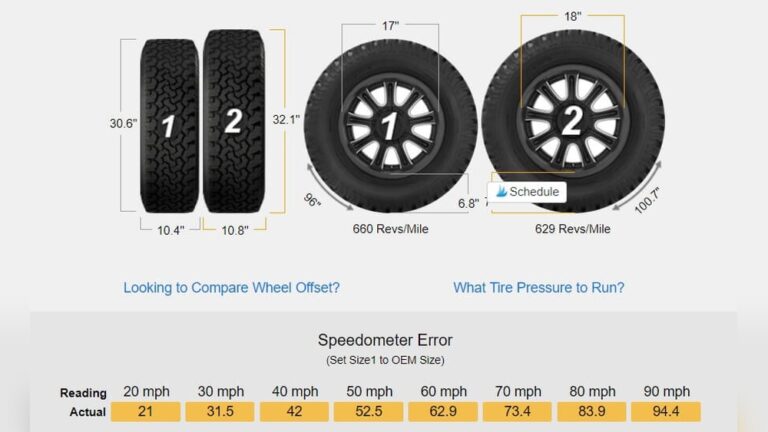
Bigger tires change your speedometer reading. When you switch from 33S to 35S tires, your speedometer may show a lower speed than actual. For example:
- At 60 mph on the speedometer, you may actually be going 63–65 mph with 35S tires.
- This can affect odometer accuracy and automatic transmission shifting.
Cost Breakdown: 33s Vs 35s
Here’s a closer look at the costs involved for each tire size.
| Cost Category | 33S Tires | 35S Tires |
|---|---|---|
| Tire Price (each) | $200–$300 | $250–$400 |
| Lift Kit | $200–$500 | $500–$1500 |
| Wheel Replacement | Optional | Likely Required |
| Gear Change | Rarely Needed | Often Needed ($1000+) |
| Fuel Cost (annual) | Lower | Higher |
| Maintenance | Lower | Higher |
Fitment And Modification Requirements
33s Tires
Most trucks, Jeeps, and SUVs can fit 33S tires with minimal changes. Sometimes, a small leveling kit (1–2 inches) is enough. You may not need to change wheels or trim bodywork.
35s Tires
Fitting 35S tires almost always means:
- Installing a 3-inch or higher lift kit
- Upgrading suspension parts
- Adjusting wheel offset
- Trimming fender flares or body panels
- Upgrading gears (especially for automatic transmissions)
Failing to make these upgrades can lead to tire rubbing, poor handling, and damage.
Impact On Gearing And Drivetrain
One overlooked issue is how tire size affects your gearing. Larger tires (35S) change your gear ratios, making your engine work harder. This can lead to sluggish acceleration and higher transmission temperatures.
- For 33S tires, stock gears are usually fine.
- For 35S tires, many experts recommend changing gears (for example, from 3.73 to 4.56) to restore power and efficiency.
Not upgrading gears is a common mistake. It can lead to worse performance and higher fuel consumption.
Real-world Examples
To make it clearer, here are two real-world scenarios:
1. Weekend Off-roader
A Jeep Wrangler owner wants to tackle mild trails and drive daily to work. He chooses 33S tires—no major mods, better fuel economy, and reliable handling. He enjoys the upgrade but keeps costs low.
2. Serious Trail Enthusiast
A Ford F-150 owner plans to tackle rocky climbs and deep mud. He chooses 35S tires. He invests in a lift kit, gear changes, and stronger axles. His truck handles tough terrain but costs and maintenance increase.
These examples show how tire size affects your experience and wallet.
How Tire Size Affects Suspension And Brakes
Bigger tires mean more weight and stress on your suspension and brakes. With 33S tires, most stock components are fine. With 35S tires, you may need:
- Stronger shock absorbers
- Upgraded springs
- Bigger brake rotors and pads
Ignoring these upgrades can lead to poor braking and uncomfortable rides.
Impact On Vehicle Warranty And Insurance
Switching tire size can affect your vehicle warranty. Some manufacturers void warranties if you install tires outside factory specs.
Insurance may also change—especially if you modify suspension or gears. Always check with your provider before making big changes.
Tire Wear And Maintenance
- 33S tires usually last longer because they’re lighter and put less strain on components.
- 35S tires wear faster, especially if you don’t upgrade gears or suspension.
Rotating tires regularly, checking alignment, and maintaining proper air pressure are important for both sizes.
Common Mistakes When Upgrading Tire Size
Many beginners make these mistakes:
- Ignoring gear changes with 35S tires
- Skipping suspension upgrades
- Not checking for tire rub after installation
- Forgetting about speedometer recalibration
- Underestimating total cost (tires, lift kits, gears, labor)
Avoid these pitfalls for a smoother upgrade.
Which Tire Size Is Best For You?
Choosing between 33S and 35S tires depends on your needs:
- If you want simple upgrades, daily drive, and lower costs, 33S tires are a smart choice.
- If you crave tough trails, bold looks, and don’t mind extra cost and mods, 35S tires will suit you.
Think about your driving style, budget, and willingness to modify your vehicle. There’s no one-size-fits-all answer.
Key Differences Summarized
For quick reference, here’s a summary:
| Aspect | 33S Tires | 35S Tires |
|---|---|---|
| Fitment | Easier, fewer mods | Requires lift, mods |
| Cost | Lower | Higher |
| Fuel Economy | Better | Worse |
| Off-Road | Good | Excellent |
| Appearance | Less aggressive | More aggressive |
| Maintenance | Lower | Higher |

Credit: www.youtube.com
Two Non-obvious Insights
1. Tire Pressure Matters More With 35s Tires
Many drivers forget that larger tires require different air pressure settings. Using factory specs for 35S tires can lead to uneven wear and poor traction. Always check recommended pressures for your new tire size.
2. Sidewall Flex Changes Ride Quality
Larger tires like 35S often have taller sidewalls. This can improve off-road comfort by absorbing bumps, but may lead to more “sway” on highways. Adjusting suspension and shocks can help balance this effect.
Practical Tips For Choosing And Using 33s Vs 35s Tires
- Always check your vehicle’s specs and compatibility before upgrading.
- Plan for total costs—include tires, lift kits, gears, and labor.
- Test drive vehicles with both tire sizes if possible.
- Consider your main use: Daily driving, off-road, towing, or looks.
- Check local laws about tire size and lift heights—some areas have limits.
- Recalibrate your speedometer after changing tire size.
For more technical details and specs, you can visit Tire Size Reference.
Frequently Asked Questions
What Is The Main Difference Between 33s And 35s Tires?
The main difference is diameter—33S tires are about 33 inches, while 35S tires are about 35 inches. This affects ground clearance, weight, and required modifications.
Do I Need A Lift Kit For 35s Tires?
Yes, most vehicles need a lift kit (3 inches or more) to fit 35S tires. Without a lift, tires may rub on fenders or suspension parts.
Will Bigger Tires Hurt My Fuel Economy?
Yes, bigger tires like 35S usually reduce fuel economy. They are heavier and require more energy to move, leading to higher gas usage.
Can I Use 35s Tires For Daily Driving?
You can, but expect higher costs, more maintenance, and possible changes in handling. 33S tires are often better for regular daily use.
How Do I Recalibrate My Speedometer After Changing Tire Size?
You can use a calibration tool or ask a mechanic to adjust your speedometer. This ensures your speed and odometer readings stay accurate after upgrading tire size.
Picking between 33S and 35S tires is a big decision. Think about your driving needs, budget, and how much you want to modify your vehicle. Both sizes offer great benefits, but they also require careful planning. With the right knowledge, you can make a choice that gives you the performance, look, and reliability you want.