When buying new tires, the sidewall codes can be confusing. You might see numbers and letters like 99V or 99H and wonder what they mean. These codes are much more than random markings—they tell you important information about the tire’s abilities and limits. Knowing the difference between 99V and 99H tires can help you choose the right tire for your car, improve your safety, and even save money in the long run.
This article will guide you through everything about 99V vs 99H tires. We’ll look at what these codes mean, how they affect performance, which tire is best for different driving needs, and what mistakes to avoid. Whether you’re a beginner or have some experience with cars, you’ll find clear explanations and practical advice here.
Understanding Tire Codes: 99v And 99h
If you look at a tire’s sidewall, you’ll see a series of numbers and letters. For example, 99V or 99H. The number (99) is called the load index, and the letter (V or H) is the speed rating.
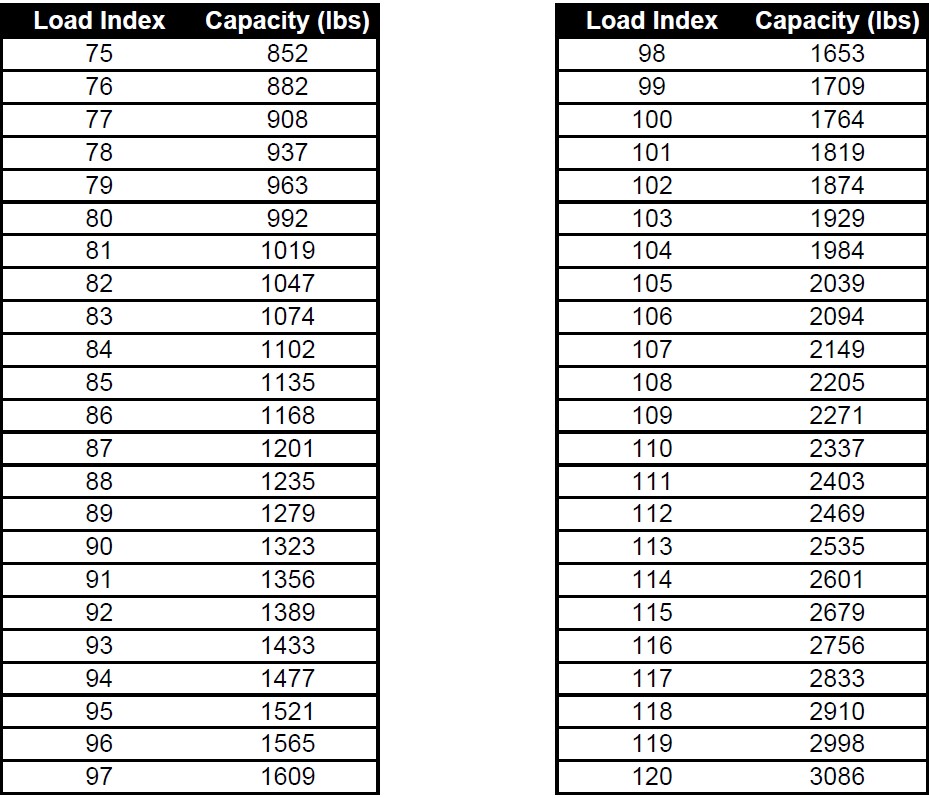
- Load Index (99): This shows how much weight the tire can carry. For 99, the maximum load is 775 kg (1,709 lbs) per tire.
- Speed Rating (V or H): This tells the maximum speed the tire can safely handle. V means up to 240 km/h (149 mph), and H means up to 210 km/h (130 mph).
So, 99V means the tire can carry 775 kg and is safe up to 240 km/h. 99H means the same load, but the speed limit is 210 km/h.
Why These Codes Matter
These codes are not just technical details. They affect your car’s safety, handling, and legal compliance. If you choose a tire with too low a speed rating, you risk overheating and even tire failure. Picking the wrong load index can overload the tire, making it unsafe.
Load Index: What 99 Means
A tire’s load index is a number that tells you how much weight it can support when fully inflated. For 99, the tire can carry 775 kg (1,709 lbs). This is important for safety. If you overload the tire, it can overheat, wear out faster, or even fail.
Matching Load Index To Your Car
Every car has a recommended load index for its tires. This is usually found in the owner’s manual or on a sticker inside the driver’s door. Using a tire with a lower load index than recommended can risk the tire’s structure and your safety.
Using a higher load index is allowed, but may make the ride stiffer.
Real-world Example
Imagine you drive a family sedan that weighs 1,600 kg (3,527 lbs). With four tires, each must carry about 400 kg. But you also need to consider passengers, luggage, and safety margins. That’s why manufacturers recommend a load index of 99 or higher for many mid-sized cars.
Speed Rating: V Vs H Explained
The speed rating is a letter that shows the highest speed a tire can handle, safely and for long periods. This is tested under strict conditions. Here’s what the ratings mean:
- H Rating: Up to 210 km/h (130 mph)
- V Rating: Up to 240 km/h (149 mph)
Choosing the right speed rating is important. If you drive faster than your tire’s rating, it can overheat and lose performance.
Differences Between V And H
- V-rated tires are designed for higher speeds and performance. They are often used on sporty cars.
- H-rated tires are common on family sedans, SUVs, and daily drivers.
The main difference is the construction. V-rated tires often have stronger materials and more advanced designs to handle high speeds.
Common Mistakes
Many people think a higher speed rating is always better. But it’s not true. V-rated tires may wear faster, cost more, and can feel firmer. If you don’t drive fast, H-rated tires may be a smarter, more comfortable choice.
Performance Comparison: 99v Vs 99h Tires
To understand the real-world difference between 99V and 99H tires, let’s compare them on important factors: handling, durability, comfort, and price.
Handling And Grip
- 99V tires usually have better grip and handling at high speeds. They are made for performance driving and can give you more confidence on highways or twisty roads.
- 99H tires are designed for regular driving. They still offer good handling, but may not feel as sharp at high speeds.
Durability And Wear
- 99V tires often use softer rubber for better grip. This means they can wear out faster, especially if you drive aggressively.
- 99H tires usually last longer. Their rubber is harder, so they can handle daily driving and rough roads without wearing quickly.
Comfort
- 99H tires are often more comfortable. They absorb bumps better and make less noise.
- 99V tires may feel firmer and produce more road noise, especially on rough surfaces.
Price
- 99V tires tend to cost more. You pay for the extra performance.
- 99H tires are usually cheaper and offer better value for everyday drivers.
Comparison Table
Here’s a clear side-by-side look at 99V vs 99H tires:
| Feature | 99V Tires | 99H Tires |
|---|---|---|
| Speed Rating | 240 km/h (149 mph) | 210 km/h (130 mph) |
| Grip & Handling | High performance | Good, but less sharp |
| Durability | Shorter lifespan | Longer lifespan |
| Comfort | Firmer, more noise | Smoother, quieter |
| Price | Higher | Lower |
Which Tire Is Better For Your Needs?
Choosing between 99V and 99H tires depends on your driving style, car type, and budget.
99v Tires: Who Should Choose Them?
- You drive a sports car or a high-performance sedan.
- You often drive at high speeds (on highways, racetracks).
- You want the best handling and grip, even if it means shorter tire life.
- You don’t mind paying more for performance.
99h Tires: Who Should Choose Them?
- You drive a family car, SUV, or daily commuter.
- You drive mostly in cities or on regular roads.
- You value comfort, quietness, and longer tire life.
- You want a tire that fits your budget.
Non-obvious Insight 1
Some luxury cars come standard with V-rated tires even if the top speed is lower. This is often for marketing or to match the car’s sporty image. But if you use your car mostly for city driving, switching to H-rated tires can save money and improve comfort.
Non-obvious Insight 2
Tire shops sometimes push higher speed ratings, saying they are “better. ” But unless your car’s manual requires a V rating, an H rating is safe and legal. Always check your car’s requirements before choosing.
Safety And Legal Considerations
Safety is the main reason for these codes. If you drive faster than your tire’s rating, the tire can overheat, lose grip, or even blow out. This is dangerous for you and others.
Legal Requirements
Many countries have rules about tire ratings. You must use tires that match or exceed your car’s original specs. If you use a lower speed rating, your insurance may not cover you in an accident.
Example
If your car came with 99V tires, you should not switch to 99H unless your driving habits allow it and it’s legal. Always consult the owner’s manual or a professional.
How Tire Construction Differs: V Vs H
The speed rating affects how the tire is built. V-rated tires need stronger materials and more advanced designs to handle high speeds.
Key Differences
- V-rated tires use more layers of polyester or steel for strength.
- They often have stiffer sidewalls for better handling.
- The rubber is softer for more grip but wears faster.
- H-rated tires use fewer or thinner layers.
- They have softer sidewalls for comfort.
- The rubber is harder, which lasts longer.
Table: Construction Differences
| Aspect | 99V Tires | 99H Tires |
|---|---|---|
| Sidewall | Stiff, thick | Softer, thinner |
| Rubber Compound | Softer | Harder |
| Internal Layers | More polyester/steel | Fewer layers |
| Heat Resistance | High | Moderate |
How To Choose: Step-by-step Guide
Finding the right tire for your car is easier if you follow these steps:
- Check your car’s manual. Find the recommended load index and speed rating.
- Look at your driving style. Do you drive fast or mostly in the city?
- Set your budget. V-rated tires cost more, but may not be needed.
- Ask about comfort. If you want a smooth ride, H-rated tires are often better.
- Consult a professional. If you’re unsure, ask a trusted tire shop.
Example Scenario
Suppose you own a Toyota Camry, drive daily in the city, rarely go above 120 km/h, and value comfort. Your car came with 99H tires. Choosing H-rated tires again is smart. But if you upgrade to a sports car and plan to drive fast, V-rated tires are safer.
Tire Life And Maintenance: What To Expect
Both 99V and 99H tires need regular care to last. But their lifespans can differ.
- 99V tires: Expect around 30,000–40,000 km (18,600–24,800 miles) if driven gently. Aggressive driving can cut this in half.
- 99H tires: Often last 40,000–50,000 km (24,800–31,000 miles) or more.
Maintenance Tips
- Check tire pressure monthly. Low pressure causes more wear.
- Rotate tires every 8,000–10,000 km. This helps them wear evenly.
- Inspect for damage regularly—look for cuts or bulges.
- Balance and align wheels as needed.
Non-obvious Insight 3
Some drivers think tire rotation isn’t needed for high-performance tires. But rotating both 99V and 99H tires helps maximize lifespan and safety.
Driving Experience: What To Expect
Your choice affects how your car feels on the road.
- 99V tires: Sharper steering, more responsive. Great for sporty driving but can feel harsh on rough roads.
- 99H tires: Softer ride, less noise, easier for long trips or daily commuting.
Noise And Comfort
H-rated tires usually have less road noise. V-rated tires can be noisy, especially on highways or rough pavement.
Example
If you drive kids to school every day and want a quiet cabin, H-rated tires are usually better. If you enjoy spirited driving, V-rated tires make sense.
Credit: integratire.com
Weather Performance: Rain, Snow, And Heat
Tire ratings affect how they handle different weather.
- 99V tires: Softer rubber can improve grip in dry conditions. But some V-rated tires may not perform well in snow or cold.
- 99H tires: Harder rubber can last longer in hot climates, but may lose grip in wet or icy conditions.
All-season Vs Summer Tires
Both ratings are available in all-season and summer models. If you live where it rains or snows, choose an all-season tire. For hot climates and performance, summer tires are best.
Non-obvious Insight 4
Some high-performance V-rated tires are not recommended for winter. Always check the tire’s label for weather suitability.
Cost Comparison: What To Expect
Price is often a deciding factor. Here’s a rough estimate:
- 99V tires: $110–$180 each (mid-size sedan)
- 99H tires: $80–$140 each (same size)
Why V-rated Tires Cost More
The higher price comes from advanced materials, more layers, and stricter testing. Unless you need the extra speed and grip, H-rated tires are more economical.
Table: Price And Value Comparison
| Tire Type | Average Price (per tire) | Typical Lifespan | Best For |
|---|---|---|---|
| 99V | $110–$180 | 30,000–40,000 km | Sports cars, high speed |
| 99H | $80–$140 | 40,000–50,000 km | Family cars, daily use |
Credit: thelandautorepair.com
Common Mistakes When Choosing Tires
Many buyers make simple mistakes. Here are the most common:
- Ignoring the car manual: Always check the recommended ratings.
- Choosing based on price only: Cheap tires may not be safe.
- Thinking higher speed rating is always better: It’s not, especially if you don’t drive fast.
- Forgetting about comfort: Performance tires can be noisy and harsh.
- Buying mismatched tires: All four tires should have the same specs for safety.
Expert Tips For Making The Right Choice
- Match tires to your car and driving style. Don’t overspend for performance you don’t need.
- Think about weather and roads. If you face snow or rain, choose all-season tires.
- Buy from trusted brands. Quality matters more than speed rating alone.
- Consider future needs. If you plan to drive faster or upgrade your car, V-rated tires may be worth it.
Experience-based Guidance
If you’re unsure, ask a tire expert. They can help you pick the right load index and speed rating. Don’t be shy—most shops are happy to explain the choices.

Credit: e-catalog.com
Real-world Case Studies
Let’s look at a few real-life examples:
Case Study 1: The Family Sedan
John drives a Honda Accord, mostly in the city. The manual recommends 99H tires. He considered V-rated tires for “better performance,” but after research, chose H-rated. He found the tires quieter and lasted longer—saving money and improving comfort.
Case Study 2: The Weekend Sports Car
Maria owns a BMW coupe. She enjoys fast drives on weekends. Her car came with 99V tires. She tried H-rated tires for cost savings, but noticed less grip at high speeds. She switched back to V-rated for safety and performance.
Case Study 3: The Budget Suv
Ali drives an SUV for work and family trips. He needs durable, comfortable tires. He picked 99H tires, which handled heavy loads and rough roads well. They lasted longer and gave a smoother ride.
The Science Behind Ratings
Tire ratings come from strict tests. Manufacturers test tires at high speed, under heavy loads, and in tough conditions. Only tires that pass these tests earn their ratings.
The load index is tested by placing weight on the tire and measuring how it holds up. The speed rating is tested by running the tire at its rated speed for hours, checking for heat, wear, and safety.
Trusted Source
For more details on tire ratings and testing, you can check the Wikipedia Tire Code page.
Frequently Asked Questions
What Does 99v Mean On A Tire?
99V means the tire has a load index of 99 (can carry 775 kg) and a V speed rating (safe up to 240 km/h). This is common on sporty or high-performance cars.
Can I Use 99h Tires Instead Of 99v?
You can use 99H tires if your car’s manual allows it and you don’t drive above 210 km/h. For daily use and comfort, H-rated tires are often fine. But for high speeds or performance cars, stick with V-rated tires.
Are 99v Tires More Expensive Than 99h?
Yes, 99V tires usually cost more. They use stronger materials and are tested for higher speeds. If you don’t need the extra performance, 99H tires are more economical.
Do Speed Ratings Affect Tire Life?
Yes. V-rated tires often use softer rubber, which wears faster. H-rated tires last longer because their rubber is harder. Your driving style also affects tire life.
Is It Safe To Mix 99v And 99h Tires On One Car?
No, it’s not recommended. Mixing speed ratings can affect handling and safety. Always use the same rating on all four tires for best performance and safety.
Choosing between 99V vs 99H tires is more than a technical decision. It affects your safety, comfort, and wallet. By understanding the codes, checking your car’s needs, and thinking about your driving style, you can make a smart choice. Whether you want high performance or everyday comfort, the right tire makes all the difference. Take your time, ask questions, and enjoy safer, smoother drives with the right tire for you.