Cracks in your car tires can seem small at first, but they often raise an important question: Are cracks in tires bad? For many drivers, spotting these lines on the rubber is worrying. They might wonder if they need new tires, if their car is safe, or if they can wait before fixing the problem. This article will explain what tire cracks mean, why they happen, and what you should do if you see them. You’ll learn how cracks affect tire safety, how to check your tires, and when replacement is necessary. By the end, you’ll know how to handle cracks in your tires with confidence.
What Are Tire Cracks?
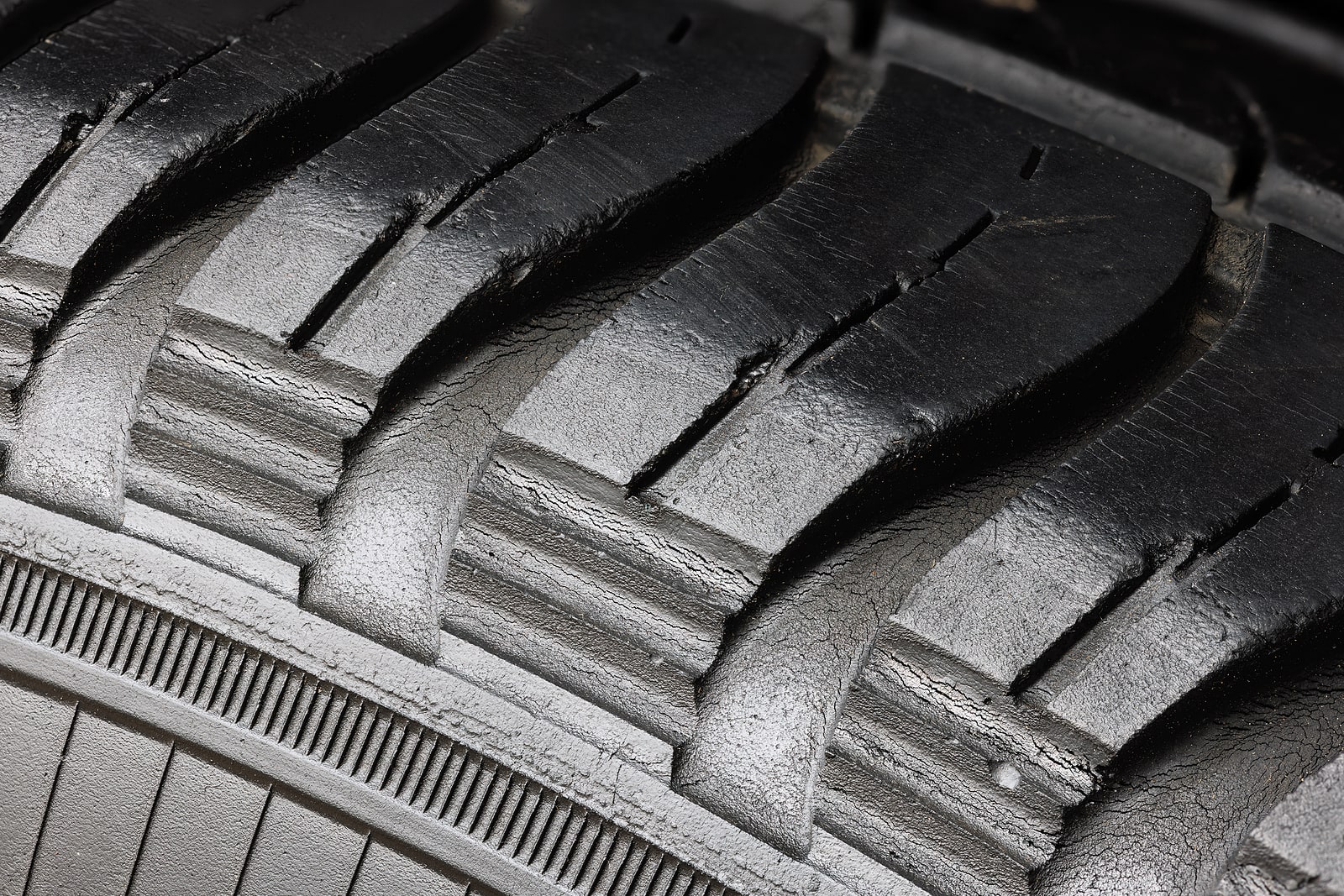
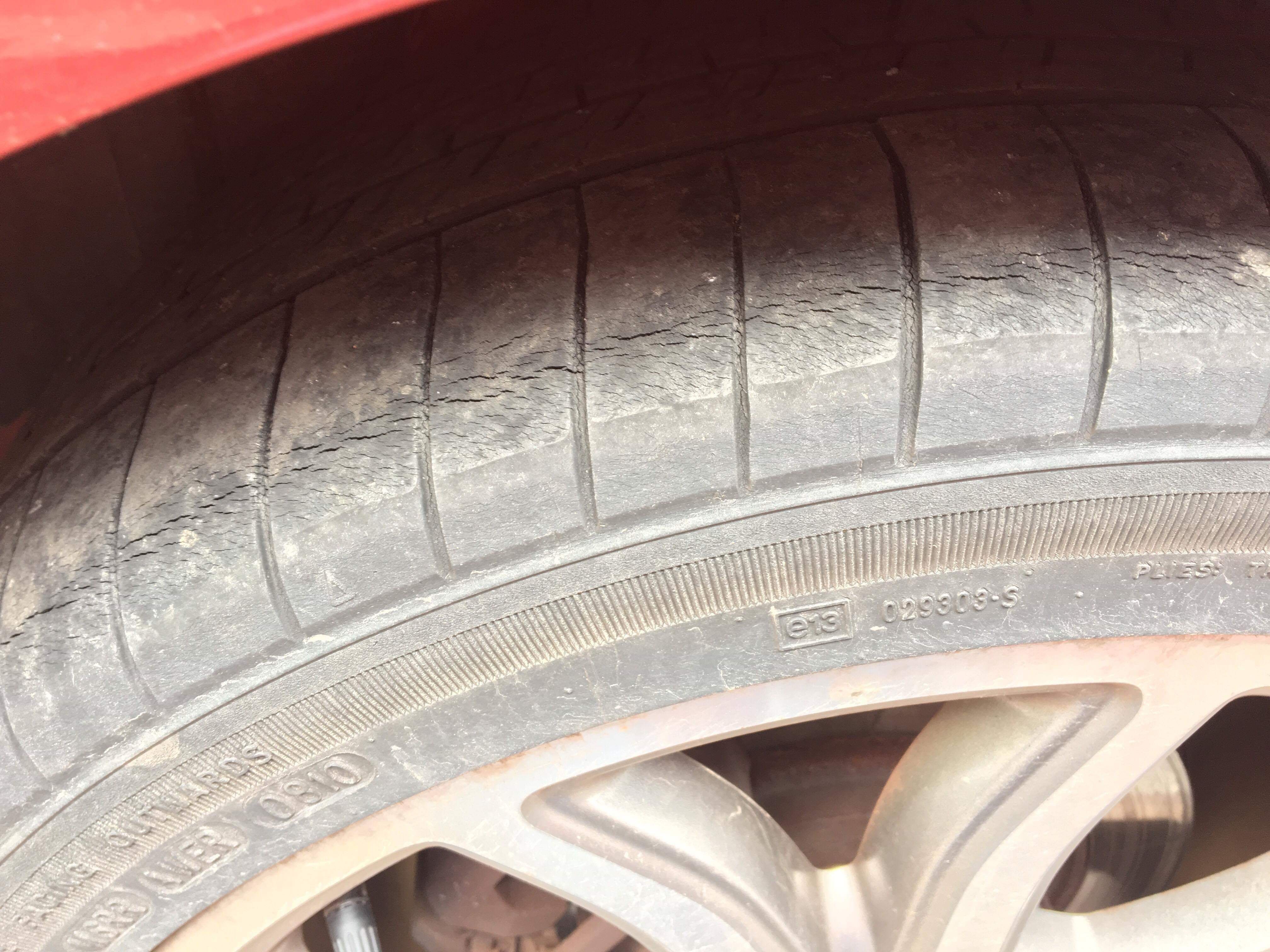
Tire cracks are small lines, grooves, or splits that appear on the surface or inside the structure of a tire. Most often, these cracks show up on the sidewall (the side of the tire), but they can also appear between the tread blocks or even inside the tread grooves.
There are different types of cracks:
- Surface cracks: These are shallow and usually on the outer rubber.
- Deep cracks: These go further into the tire and may reach the inner layers.
- Circumferential cracks: These run around the tire in a circle.
- Radial cracks: These stretch from the center outwards.
Cracks can be short or long, and they may appear alone or in groups. No matter the type, they often signal that the tire’s rubber is changing or breaking down.
Why Do Tires Develop Cracks?
There are several reasons why cracks form in tires. Each cause points to something happening in the rubber or in the way the tire is used.
1. Aging And Oxidation
As tires get older, the rubber naturally loses its flexibility. Oxygen in the air reacts with the rubber, making it harder and less elastic. Over time, this process, called oxidation, leads to cracks.
2. Uv Exposure
Sunlight contains ultraviolet (UV) rays that break down the chemicals in tire rubber. If a car spends lots of time outdoors, especially in sunny places, the tires are more likely to crack.
3. Ozone Damage
Ozone is a gas in the air that can also attack tire rubber. Even though tires contain special chemicals to fight ozone, these protections wear off after a few years.
4. Underinflation And Overinflation
If a tire does not have the correct air pressure, it flexes more than normal. Too little air (underinflation) makes the sidewalls bend more, while too much air (overinflation) puts extra stress on the surface. Both can lead to cracks.
5. Harsh Chemicals And Cleaning Products
Some cleaning products or road chemicals (like oil or salt) can damage tires. If you use strong cleaners or your tires are exposed to chemicals, cracks may form faster.
6. Poor Storage
Tires that are stored in hot places, near electrical equipment, or in direct sunlight are at a higher risk. Even if they are not used, bad storage conditions can cause cracks.
7. Manufacturing Defects
Very rarely, tires may have cracks due to problems during manufacturing. This is uncommon, but it can happen.
Are Tire Cracks Dangerous?
Many drivers want to know if cracks mean their tires are unsafe. The answer depends on the size, depth, and location of the cracks.
Surface Cracks
Small cracks on the surface of the tire tread are usually not dangerous right away. These are sometimes called weather checking or crazing. They show that the tire is getting old, but the deeper layers are still strong.
Deep Or Sidewall Cracks
If cracks are deep or appear on the sidewall, the risk increases. The sidewall is a key part of the tire’s strength. Deep cracks here can lead to:
- Air loss (slow leaks)
- Bulges or bubbles in the tire
- Blowouts at high speeds
A deep crack that exposes the fabric or metal inside the tire means the tire is no longer safe.
Tread Cracks
Cracks between the tread blocks can also be serious, especially if they go deep. These cracks can affect how the tire grips the road, especially in wet conditions.
Internal Cracks
Some cracks are not visible from the outside. If a tire hits a large pothole or curb, cracks might form inside. These can lead to sudden tire failure without warning.
How To Inspect Your Tires For Cracks
Checking your tires regularly can help you spot cracks early. Here’s how to do it:
- Look at the sidewalls. Turn your steering wheel to one side to get a clear view.
- Check the tread. Look for cracks between the blocks or in the grooves.
- Use a flashlight. Good lighting helps you see small cracks.
- Feel with your hand. Run your hand gently over the tire to detect roughness or splits.
- Inspect all tires. Don’t forget the spare tire—it can crack from age even if never used.
Most experts recommend checking your tires at least once a month and before long trips.

Credit: www.reddit.com
What To Do If You Find Cracks In Your Tires
Finding cracks does not always mean you need new tires immediately, but you should not ignore them. Here’s what to do:
1. Measure The Cracks
- If cracks are less than 1mm deep and only on the surface, keep monitoring but drive with caution.
- If cracks are deeper than 1-2mm, go to a tire professional right away.
2. Check The Age Of The Tire
Most tires last 6-10 years. The date code is on the sidewall (a 4-digit number showing week and year, like “2419” for the 24th week of 2019). If your tires are old and have cracks, it’s time to replace them.
3. Look For Other Signs Of Damage
- Bulges
- Uneven wear
- Loss of air pressure
- Exposed cords or fabric
If you see these along with cracks, the tire is unsafe.
4. Avoid High Speeds And Heavy Loads
Cracked tires are more likely to fail under stress. Drive slowly and avoid carrying heavy loads until you get the tires checked.
5. Replace When In Doubt
If you are unsure, it’s better to be safe and replace the tire. Tire failure can lead to serious accidents, especially at high speeds.
How Cracks Affect Tire Performance And Safety
Cracks in tires can have several negative effects. It’s important to understand how they impact your driving and safety.
1. Reduced Grip
Cracks can change how the tire touches the road. This can reduce traction, especially on wet or slippery surfaces.
2. Increased Risk Of Blowouts
Deep cracks weaken the tire, making it more likely to burst (blow out) while driving. Blowouts are dangerous, especially on highways.
3. Loss Of Air Pressure
If cracks go through the rubber, air can escape slowly. This leads to underinflation, which can damage the tire further and make the car harder to control.
4. Shorter Tire Life
Once cracks appear, the tire’s life is usually shorter. The rubber cannot flex as well, so the tire wears out faster.
Credit: www.hollenshades.com
When Should You Replace Cracked Tires?
Many drivers wait too long to change cracked tires. Here are clear signs that it’s time to replace them:
- Cracks are deeper than a coin’s edge (more than 2mm)
- Cracks cover a large part of the sidewall or tread
- The tire is more than 6 years old
- You see bulges, exposed cords, or lose air pressure often
- A professional recommends replacement
If you are ever unsure, ask a tire expert. Safety should always come first.
Can You Repair Tire Cracks?
Some small cracks can be slowed down or hidden with tire dressings, but these are only cosmetic. No repair can make a cracked tire safe again. Cracks show that the rubber is old or damaged. The only real solution is to replace the tire.
How To Prevent Tire Cracks
While you cannot stop aging, you can slow down cracks with good care.
1. Keep Tires Properly Inflated
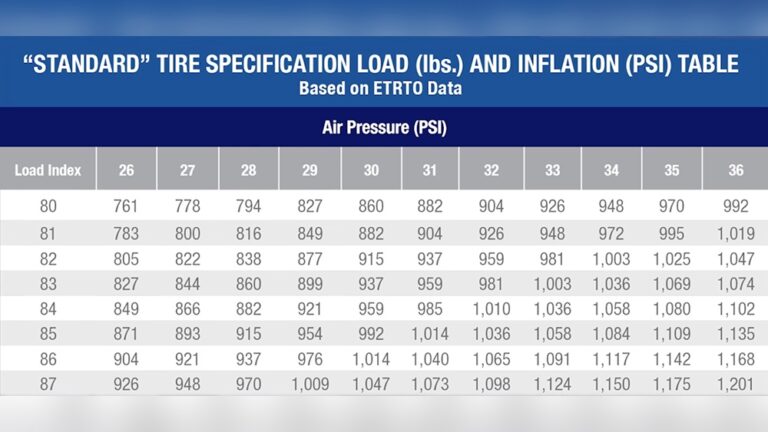
Check your tire pressure every month. Use the number recommended in your car’s manual.
2. Park In The Shade
If possible, keep your car out of direct sunlight. This reduces UV damage.
3. Avoid Harsh Chemicals
Wash your tires with mild soap and water. Avoid oil-based cleaners or strong chemicals.
4. Rotate Your Tires
Moving tires to different positions on your car helps them wear evenly.
5. Store Tires Correctly
If you store tires, keep them in a cool, dry place, away from sunlight and electrical equipment.
6. Drive Regularly
Tires last longer if they are used. Cars left parked for months may develop cracks faster.
Real-world Examples And Data
Many tire companies say that cracks are one of the main reasons for tire failure. According to the National Highway Traffic Safety Administration (NHTSA), aged and cracked tires were a factor in thousands of crashes each year in the United States.
Here’s a comparison of tire life and crack risk by climate:
| Climate | Average Tire Life | Crack Risk |
|---|---|---|
| Hot & Sunny | 4-5 years | High |
| Moderate | 6-8 years | Medium |
| Cool & Shaded | 8-10 years | Low |
Another important factor is tire usage:
| Usage Pattern | Time to Cracks | Notes |
|---|---|---|
| Daily driving | 6+ years | Longer life if well maintained |
| Occasional driving | 4-6 years | Cracks may appear sooner |
| Rare use/storage | 3-5 years | Storage conditions matter most |
Credit: mechanics.stackexchange.com
Common Myths About Tire Cracks
It’s easy to misunderstand tire cracks. Here are some myths and the real facts:
- Myth: “If the tire has tread, cracks don’t matter.”
- Fact: Cracks can make a tire unsafe even if the tread is good.
- Myth: “Tire shine products fix cracks.”
- Fact: These products only cover the cracks. They do not repair the rubber.
- Myth: “All cracks mean the tire must be replaced right away.”
- Fact: Small surface cracks can be monitored, but deep or large cracks require action.
- Myth: “New tires never crack.”
- Fact: Poor storage or rare manufacturing issues can cause cracks even in new tires.
Key Takeaways For Drivers
- Always check your tires for cracks, especially before long trips.
- Small cracks can be watched, but deep or sidewall cracks are serious.
- Replace tires if cracks are deep, cover a large area, or if the tire is old.
- Prevention and regular care can slow down cracking.
- When in doubt, consult a tire expert.
Frequently Asked Questions
What Causes Cracks In New Tires?
New tires can develop cracks if they are stored in bad conditions—such as hot, sunny places or near electrical equipment. Sometimes, a rare manufacturing defect can also cause early cracks. Always buy tires from a trusted dealer and check the date code before purchase.
Is It Safe To Drive On Tires With Small Cracks?
Small surface cracks are usually not an immediate danger, but they are a warning sign. Watch these cracks closely. If they become deeper or spread, replace the tire. Deep cracks or cracks on the sidewall are not safe.
How Can I Tell If A Tire Crack Is Serious?
A crack is serious if it is deep (more than 2mm), wide, or exposes the fabric or metal inside. Cracks on the sidewall are more dangerous than those on the tread. If you see bulges, air loss, or exposed cords, change the tire immediately.
Will Tire Repair Shops Fix Cracked Tires?
No, tire shops will not repair cracks. Cracks show that the rubber is damaged or old. The only safe solution is to replace the tire. Some shops may apply dressings to cover cracks, but this does not make the tire safer.
How Do I Slow Down Cracking In My Tires?
To slow down cracking, keep your tires at the right pressure, park in the shade, avoid harsh chemicals, rotate your tires, and drive your car regularly. Proper storage also helps if you keep tires off the car. For more detailed care tips, see advice from the National Highway Traffic Safety Administration.
When it comes to tire safety, never take risks. Cracks are a sign that your tires need attention. By understanding what causes cracks and how to respond, you can drive with more confidence and keep your journeys safe.