If you drive a Honda Civic, you may have seen the low tire pressure warning light pop up on your dashboard. It’s a small symbol that looks like an exclamation point inside a horseshoe. For many drivers, this warning can be confusing and even a bit stressful. What does it mean? How do you fix it? And once you fix the tire, why does the light sometimes stay on? Let’s break down everything you need to know about clearing low tire pressure in your Honda Civic, even if you’re not a car expert.
Why Does The Low Tire Pressure Light Come On?
The low tire pressure warning is part of the Tire Pressure Monitoring System (TPMS). This system keeps your driving safe. When a tire’s air pressure drops below the recommended level, the TPMS sends a signal to your dashboard. Low pressure can happen for many reasons:
- A slow air leak or puncture
- Rapid changes in outdoor temperature
- Recently filled tires that haven’t had time to adjust
Even a small drop in air pressure can make a big difference. Tires with low pressure wear out faster, make your car use more fuel, and can be dangerous, especially at high speeds.
How To Check Tire Pressure On A Honda Civic
Before you clear the warning light, you need to check your tires. Start by finding the recommended pressure for your car. You’ll usually find this number:
- On a sticker inside the driver’s door
- In your owner’s manual
For most Honda Civics, the recommended pressure is 32 PSI (pounds per square inch) for both front and rear tires. However, always check your specific model.
Steps To Check Tire Pressure
- Buy or borrow a tire pressure gauge. Digital or analog gauges both work.
- Remove the valve cap from your tire.
- Press the gauge onto the valve stem. Hold it firmly to get a steady reading.
- Read the number on the gauge. Compare it to the recommended PSI.
- Repeat for all four tires (and don’t forget the spare, if you have one).
If any tire is below the recommended PSI, it needs more air.
How To Add Air To Your Tires
Adding air is simple, but doing it correctly is important.
- Drive to a gas station or use a home air compressor.
- Check the pressure before adding air.
- Add air in small bursts. Keep checking with your gauge.
- Do not overfill. Overinflated tires can be just as dangerous as underinflated ones.
- Replace the valve cap when finished.
Most gas stations provide free or low-cost air pumps. If you’re unsure how to use one, ask for help—the staff or other drivers are often happy to assist.
How To Reset The Low Tire Pressure Light On A Honda Civic
After you fix the tire pressure, the warning light should go off automatically after a few minutes of driving. But sometimes, the light stays on. In that case, you may need to manually reset the system.
For Honda Civics With A Tpms Button (2015 And Earlier)
- Turn the ignition to ON (do not start the engine).
- Press and hold the TPMS button (look under the left side of the dashboard).
- Hold for about 3 seconds until the light blinks twice, then release.
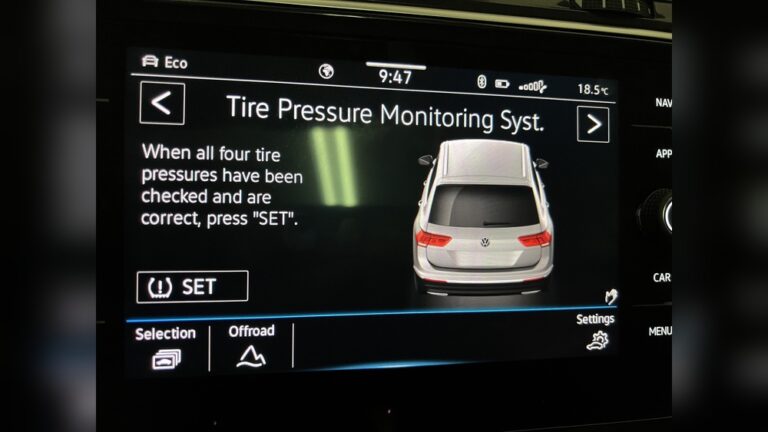
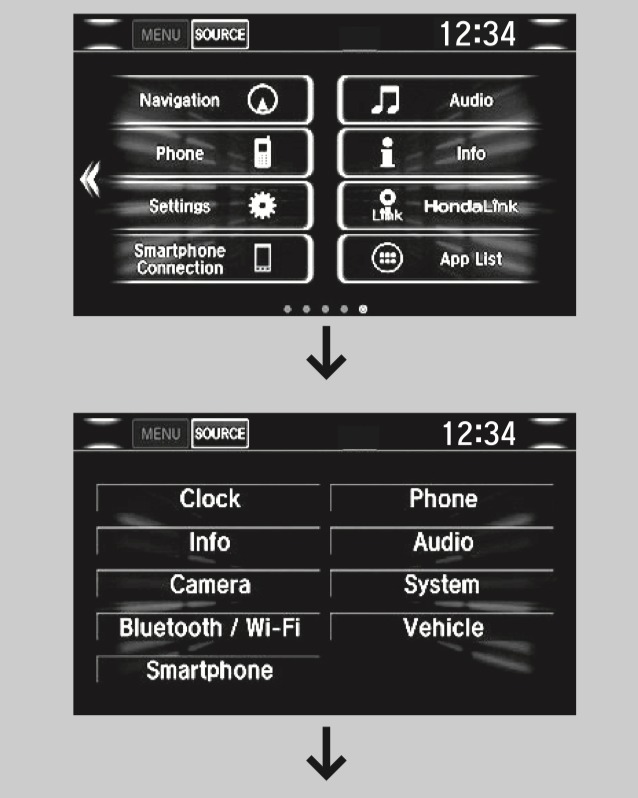
For Honda Civics With Touchscreen Menu (2016 And Newer)
- Turn the ignition to ON.
- Use the touchscreen to go to “Settings.”
- Select “Vehicle” then “TPMS Calibration.”
- Press “Calibrate.”
- Drive the car for a few minutes. The system will reset during this time.
If your Civic doesn’t fit either method, check your owner’s manual or the Honda website for instructions.
Common Problems That Keep The Light On
You’ve inflated your tires, but the light won’t go off. Here’s why this might happen:
- A faulty TPMS sensor: These sensors can get old or damaged and may need replacing.
- A slow air leak: Sometimes, tires lose air slowly. Check them again after a few days.
- Very cold weather: Cold air can make the pressure drop overnight. The light may turn off as the day warms up.
If the light stays on after you’ve tried everything, visit a mechanic. Don’t ignore the warning, as it could be a sign of a bigger problem.
What To Do If You Don’t Have A Tire Pressure Gauge
Many new drivers don’t keep a gauge in their car. If you don’t have one, you can:
- Use the built-in display: Some Civics show tire pressures on the dashboard.
- Visit a tire shop: Most will check your pressure for free.
- Stop at a gas station: Many air pumps have a built-in gauge.
It’s a good idea to buy a small, reliable gauge. They’re inexpensive and last for years.
Comparing Honda Civic Tpms Systems By Model Year
Not all Civics use the same system. Here’s how the technology has changed:
| Model Year Range | TPMS Type | Reset Method |
|---|---|---|
| 2008–2015 | Direct (wheel sensors) | Button under dashboard |
| 2016–2024 | Indirect (uses ABS system) | Touchscreen calibration |
Direct systems use sensors inside the tire, while indirect systems guess pressure based on wheel speed. If you replace your wheels or tires, the system may need recalibration.
How Weather Affects Tire Pressure
Temperature changes can affect tire pressure more than you think. For every 10°F drop in temperature, a tire can lose about 1 PSI of pressure. That means a cold winter morning can trigger your Honda Civic’s TPMS, even if your tires were fine yesterday.
| Temperature Change | Approximate PSI Loss |
|---|---|
| -10°F | -1 PSI |
| -20°F | -2 PSI |
| -30°F | -3 PSI |
If you live in a place with big temperature swings, check your tires often.
When To Replace A Tpms Sensor
TPMS sensors have batteries inside. These usually last about 5–7 years. After that, you may see the TPMS light stay on, even with perfect tire pressure.
Signs your sensor needs replacing:
- The light never goes off
- You get a “Check TPMS System” message
- Sensors don’t reset after calibration
You can drive with a bad sensor, but you’ll lose the safety benefits. Replacing a sensor usually costs $50–$100 per wheel. Most tire shops can do this quickly.
Best Practices For Tire Maintenance
To avoid future problems with low tire pressure:
- Check pressure monthly. Don’t wait for the warning light.
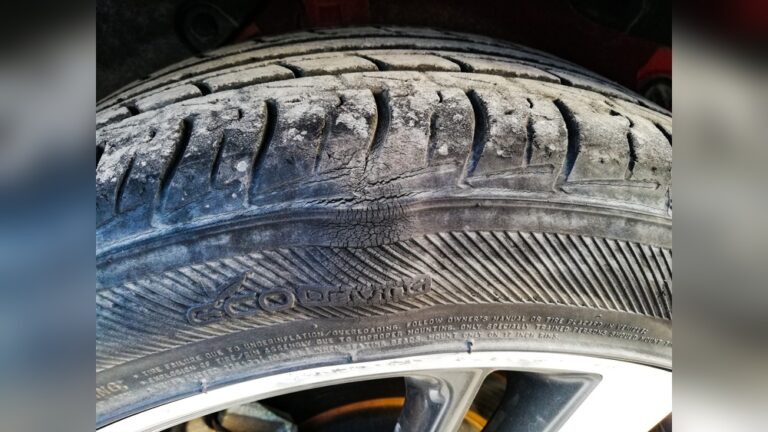
- Inspect tires for nails, cuts, or bubbles.
- Rotate tires every 5,000–7,000 miles.
- Replace worn tires before they become unsafe.
- Balance and align wheels for even wear.
Simple maintenance can prevent most tire problems.

Credit: www.youtube.com
What Happens If You Ignore The Low Tire Pressure Light?
Driving with low tire pressure isn’t just risky—it can get expensive. Here’s what can happen:
- Poor fuel economy: Underinflated tires use more gas.
- Uneven tire wear: Tires wear out faster and need replacing sooner.
- Blowouts: Low pressure can cause a tire to fail at high speeds.
According to the National Highway Traffic Safety Administration (NHTSA), about 700 deaths each year in the US are linked to tire-related crashes. Keeping your tires at the right pressure keeps you safe and saves money.
How To Tell If A Tire Is Losing Air
Sometimes, a tire loses air slowly, and it’s hard to notice. Warning signs include:
- The car pulls to one side while driving.
- One tire looks flatter than the others.
- The TPMS light comes on again after a few days.
If you suspect a slow leak, visit a mechanic. They can find small holes or damage that you might miss.
Credit: www.reddit.com
Tips For Handling A Flat Tire
If your Honda Civic’s low tire pressure light comes on and you discover a flat:
- Pull over safely. Don’t drive on a flat.
- Use your spare or repair kit. Most new Civics have a tire repair kit instead of a spare.
- Call for help if you’re unsure. Don’t try to drive on a damaged tire.
Driving on a flat can ruin your wheel and cost much more to fix.
How Often Should You Check Tire Pressure?
Many drivers only check when the light comes on. That’s not enough. Check your tire pressure:
- Once a month
- Before long trips
- During major temperature changes
This habit helps you catch problems early and keeps your car running smoothly.
Real-world Example: Honda Civic Tire Pressure Issue
A 2020 Honda Civic owner noticed the TPMS light after a cold night. He checked all tires, and one was at 26 PSI—much lower than the recommended 32 PSI. After adding air, he drove for 10 minutes, but the light stayed on. He used the touchscreen calibration, then drove another 5 minutes. The warning disappeared, and the car handled better. This story shows that sometimes it takes a few extra steps to clear the warning, even if you’ve fixed the pressure.
Comparison: Manual Vs. Automatic Tpms Reset
Honda Civics use either manual or automatic reset systems. Here’s a quick look:
| Reset Method | Ease of Use | Time Needed |
|---|---|---|
| Manual (Button/Touchscreen) | Simple, user does it | 1–3 minutes |
| Automatic (driving after inflation) | Hands-off, system does it | 5–30 minutes of driving |
Knowing which type your Civic uses can save time and stress.
Credit: www.geraldhondacountryside.com
Extra Tips Most Drivers Miss
Many drivers don’t realize these two details:
- Spare tires often don’t have TPMS sensors. If you use your spare, the warning light may stay on until you repair the main tire.
- After tire rotation, recalibration is important. Rotating tires can confuse the system, so always reset TPMS after service.
Where To Get More Information
For more detailed info, check the official Honda resources or visit Honda’s TPMS Guide.
Frequently Asked Questions
Why Does My Honda Civic’s Low Tire Pressure Light Come On In The Morning But Go Off Later?
This usually happens because cold air lowers tire pressure overnight. As you drive and the tires warm up, the pressure rises, turning off the warning. It’s common and not a sign of a big problem, but check your tires to be sure.
Can I Drive With The Low Tire Pressure Light On?
You can, but it’s not safe. Low pressure can cause tire damage, poor handling, and even accidents. Always check your tires as soon as possible.
How Do I Know If My Tpms Sensor Is Bad?
If the warning light stays on after you’ve checked and inflated your tires, or if you see a message like “Check TPMS System,” your sensor may need to be replaced.
Do I Need To Reset The Tpms After Every Tire Rotation?
Yes, it’s a good idea. Tire rotation can confuse the sensors, especially on models with direct TPMS. Always recalibrate or reset after rotating your tires.
Will The Tpms Light Reset Itself After Filling Tires?
In most cases, yes. The light should turn off after a few minutes of driving. If it doesn’t, try manual reset steps or check for other issues.
Your Honda Civic’s TPMS is a helpful tool for safer driving. By understanding how it works and how to clear the warning, you’ll keep your car in good shape and avoid surprises on the road. Safe travels!