Are you considering all terrain tires for your vehicle and wondering if they really last longer? Tire life is a big concern for drivers who want the best value and safest performance. Many believe that all terrain tires, designed for both on-road and off-road use, should last longer than regular highway tires.
But is this true for everyone? To make the right choice, it’s important to understand what affects tire lifespan, how all terrain tires are built, and what real-world data shows.
This guide will break down how long all terrain tires actually last, what helps them last longer (or shorter), and how they compare to other types of tires. You’ll also learn important insights that many tire buyers overlook. By the end, you’ll have the knowledge to decide if all terrain tires are the right investment for your driving needs.
What Are All Terrain Tires?
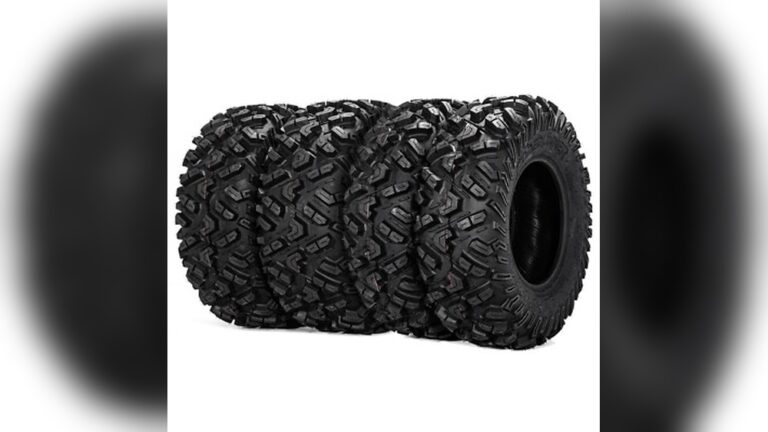
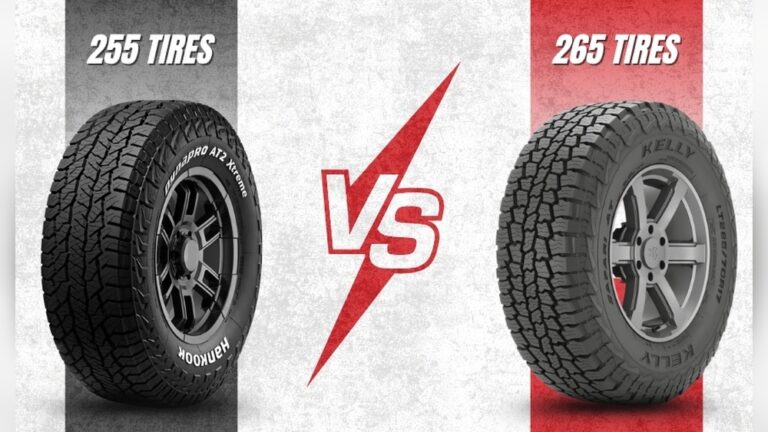
All terrain tires, often called A/T tires, are built for versatility. They are designed to handle a mix of surfaces—paved roads, gravel, mud, and even light snow. The tread pattern is more aggressive than a typical highway tire, with deeper grooves and stronger sidewalls. This helps them grip loose or uneven ground, but also makes them suitable for daily driving on asphalt.
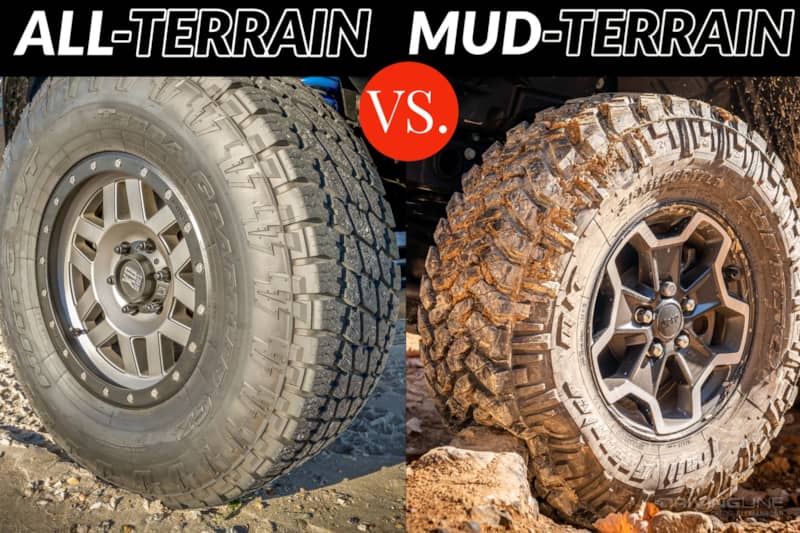
However, their multi-purpose design comes with trade-offs. They don’t perform as well as dedicated mud tires off-road, nor do they offer the quietest or smoothest ride on highways. But for many drivers, especially those who split time between city and country roads, all terrain tires are a practical compromise.
How Long Do All Terrain Tires Last?
Many drivers expect all terrain tires to last longer because they look tougher and have deeper treads. But actual lifespan depends on several factors:
- Average mileage: Most all terrain tires last between 40,000 and 60,000 miles.
- Warranty coverage: Many brands offer treadwear warranties in this range, but some premium models promise up to 70,000 miles.
- Driving habits: Aggressive driving, frequent off-roading, or heavy towing can wear down the tread much faster.
- Maintenance: Rotating tires, proper alignment, and correct inflation can add thousands of miles to tire life.
Real-world Example
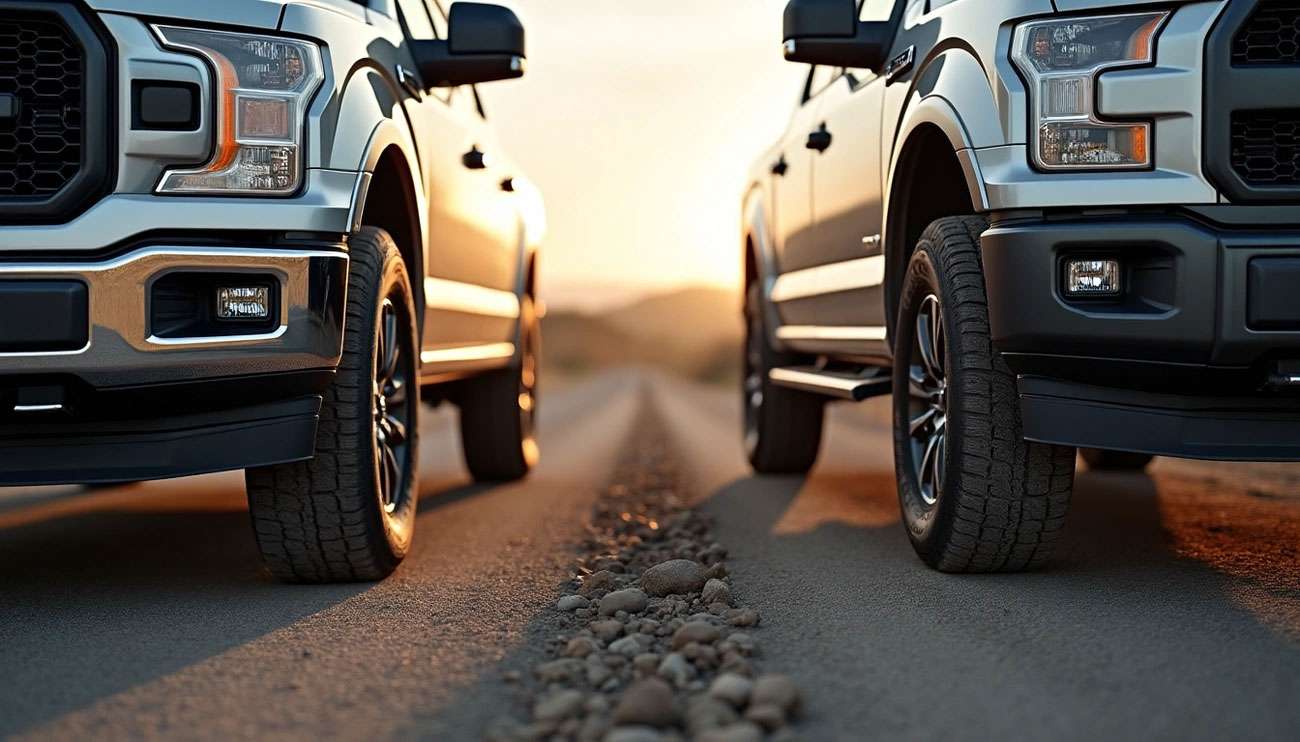
A popular all terrain tire, the BFGoodrich All-Terrain T/A KO2, is rated for 50,000 miles. Many users report reaching or even exceeding this number with regular highway use and proper maintenance. On the other hand, drivers who spend much of their time on sharp rocks or in deep mud may replace their tires after just 30,000 miles.
Credit: www.performanceplustire.com
Comparing All Terrain Tires To Other Tire Types
To understand if all terrain tires last longer, it helps to compare them to other common types. Here is a side-by-side look at average lifespans:
| Tire Type | Average Lifespan (miles) | Typical Use |
|---|---|---|
| All Terrain (A/T) | 40,000 – 60,000 | Mixed on/off-road |
| Highway (H/T) | 50,000 – 70,000 | Mainly paved roads |
| Mud Terrain (M/T) | 20,000 – 40,000 | Off-road, mud, rocks |
| Performance/Sport | 20,000 – 40,000 | High speed, handling |
| Winter/Snow | 20,000 – 40,000 | Cold, icy, snowy roads |
As you can see, highway tires usually last the longest because they’re used on smooth, paved roads. Mud terrain and performance tires wear faster due to their soft rubber and aggressive tread. All terrain tires often fall in the middle.
Factors That Affect All Terrain Tire Longevity
Many people think tire life is all about mileage, but several details make a big difference:
1. Tread Compound
The rubber formula used in all terrain tires is a blend of durability and flexibility. Harder compounds increase lifespan but may reduce grip on loose surfaces. Softer compounds give better off-road traction but wear faster on highways. Some premium all terrain tires use advanced silica blends for a balance of both.
2. Tread Depth And Pattern
Deeper treads usually last longer because they have more material to wear down. However, large tread blocks and wide voids (gaps) can break off or “chunk” during rough off-roading. Some all terrain tires have stone ejectors or self-cleaning patterns to resist this kind of damage.
3. Vehicle Weight And Load
Heavy trucks and SUVs put more stress on tires, especially when loaded with gear or towing. Overloading tires beyond their rating shortens their life and risks a blowout.
4. Driving Conditions
Frequent driving on gravel, rocks, or sand wears tires differently than highway driving. High temperatures, sharp debris, and even city stop-and-go traffic can all reduce tire lifespan.
5. Tire Pressure
Many drivers ignore tire pressure, but underinflation or overinflation can cause uneven wear. For all terrain tires, running the correct pressure is especially important because the sidewalls are stiffer and the tread is deeper. Even a 2-3 psi difference can change how long a tire lasts.
Common Myths About All Terrain Tire Durability
Some drivers believe all terrain tires are unbreakable or will outlast every other type. The reality is more complex:
- Myth 1: “All terrain tires last longer than highway tires.”
Not always. They last longer than mud tires, but highway tires often outlast them on pavement.
- Myth 2: “Deeper tread means double the life.”
Tread depth helps, but rubber compound and driving conditions matter just as much.
- Myth 3: “All terrain tires are puncture-proof.”
They are tougher than standard tires, but sharp objects or underinflation can still cause punctures or sidewall damage.
The Role Of Maintenance In Tire Life
Proper care can extend the life of any tire—especially all terrain models, which are often exposed to rougher conditions.
Here’s how you can help your all terrain tires last longer:
- Rotate tires every 5,000 – 7,000 miles to even out wear.
- Check alignment and balance at least once a year or after off-road trips.
- Inspect for cuts, bulges, or uneven wear monthly.
- Adjust tire pressure for load and terrain. Lower pressure is sometimes used off-road, but always return to the recommended setting for highways.
- Clean tires after muddy or rocky trips to avoid buildup that can damage rubber.
Surprisingly, one beginner mistake is to use all terrain tires year-round without rotating them or checking for uneven wear. This can cut their lifespan by 20% or more.
When Should You Replace All Terrain Tires?
Tires should not be driven until they are bald. For safety, replace when:
- Tread depth is less than 2/32 of an inch (about 1.6 mm). Many states require this by law.
- Sidewalls show cuts or bulges.
- Irregular wear patterns (like cupping or feathering) appear.
- Tires are over 6 years old, even if they look fine, because rubber dries out and loses grip.
A common oversight is forgetting to check the spare tire, which can also age and become unsafe.
Cost Vs. Longevity: Are All Terrain Tires Worth It?
All terrain tires are often more expensive than standard highway tires. Prices can range from $150 to $350 per tire, depending on brand and size. But is the cost justified by longer life?
Let’s compare average costs per mile for different tire types:
| Tire Type | Average Price (per tire) | Average Lifespan (miles) | Cost per 1,000 miles |
|---|---|---|---|
| All Terrain | $225 | 50,000 | $18 |
| Highway | $180 | 60,000 | $12 |
| Mud Terrain | $250 | 30,000 | $33 |
While all terrain tires cost more per mile than highway tires, they are cheaper than mud terrain tires when used in mixed conditions. If you do a lot of off-road driving, their durability can save you from buying a new set too soon.
Credit: www.drivingline.com
Two Non-obvious Insights Most Buyers Miss
1. Tread Warranty Isn’t Always A Guarantee:
Many drivers trust the warranty mileage, but these numbers are based on ideal conditions (highway, proper maintenance). Off-roading, towing, or frequent stop-and-go will almost always result in shorter real-world life. Don’t assume you’ll reach the full warranty mileage unless your driving is mostly on-road.
2. Tire Age Matters As Much As Tread:
Even if the tread looks good, the rubber can harden with age. After 5-6 years, all terrain tires lose flexibility and grip, especially in wet or cold weather. Always check the DOT date code on the tire sidewall to make sure your tires are not too old, even if they have tread left.
When Are All Terrain Tires The Best Choice?
All terrain tires are ideal if:
- You split your driving between paved and unpaved roads.
- You want tires that can handle rain, light snow, and occasional off-road trips.
- You don’t want to switch tires seasonally or for different adventures.
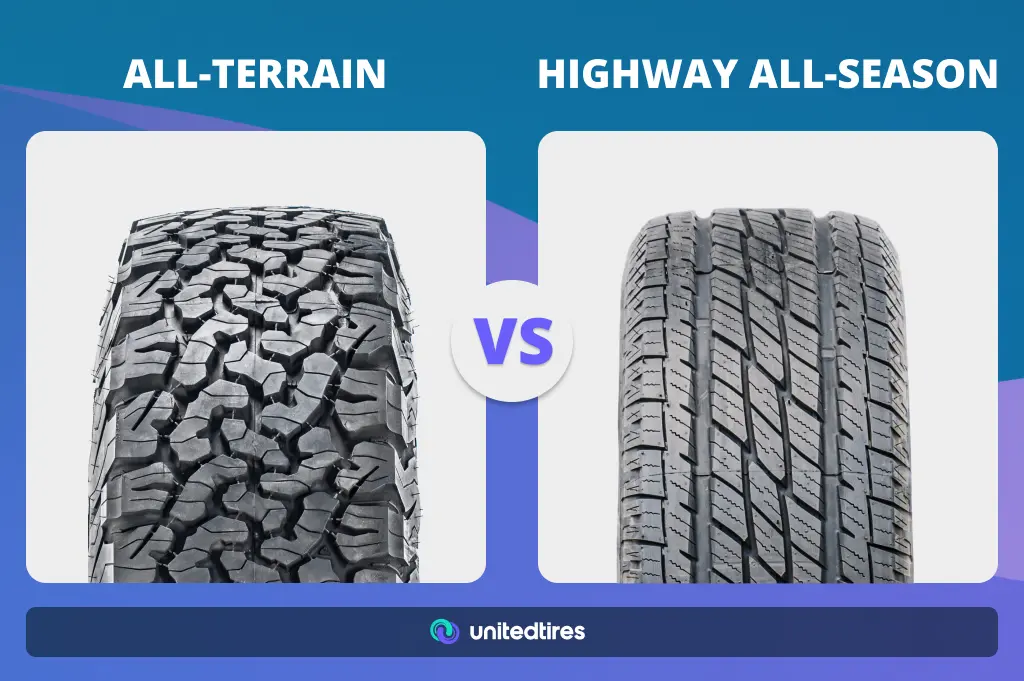
However, if your driving is 90% highway, you may get longer life and better fuel economy with a dedicated highway tire. For serious off-roaders, mud or rock tires may be better, but expect faster wear.
Credit: www.utires.com
How To Choose The Longest Lasting All Terrain Tires
If you decide all terrain tires fit your lifestyle, consider these tips for getting the most durable set:
- Check treadwear ratings: A higher number (like 600) usually means longer life, but also check user reviews for real-world results.
- Look for reinforced sidewalls: This helps prevent cuts and punctures during off-road use.
- Choose tires with a good warranty: But read the fine print about conditions and exclusions.
- Buy from reputable brands: Quality control matters more than flashy marketing.
- Ask about road hazard protection: Some shops offer coverage for punctures or early damage.
Frequently Asked Questions
Do All Terrain Tires Last Longer Than Regular Tires?
Not always. All terrain tires last longer than mud tires but may wear out faster than highway tires if used mainly on pavement. Their lifespan depends on your driving style and conditions.
How Can I Make My All Terrain Tires Last Longer?
Rotate your tires regularly, keep them inflated to the correct pressure, and avoid overloading your vehicle. Proper alignment and avoiding harsh acceleration or braking also help extend tire life.
Are All Terrain Tires More Resistant To Punctures?
They usually have stronger sidewalls and tougher tread, which can help resist some punctures. However, they are not immune to sharp rocks, nails, or glass. Always inspect tires after off-road trips.
Is It Safe To Use All Terrain Tires Year-round?
Yes, most all terrain tires are designed for all seasons, including light snow. But their winter performance is not as strong as dedicated snow tires in extreme cold or ice.
Where Can I Find More Information About Tire Care And Selection?
A reliable source for tire care and selection tips is the Tire Rack Tire Tech website, which provides expert advice and tire reviews.
All terrain tires offer a good balance for drivers who need flexibility. With proper care and realistic expectations, they can be a smart investment—but they won’t always outlast every other tire type. Choose based on your real driving needs, and you’ll get the most value and safety from your tires.