If you drive a Honda Accord, you probably enjoy its smooth ride and reliability. But sometimes, a small warning light can ruin your peace of mind—the tire pressure sensor alert. It usually appears as a horseshoe shape with an exclamation mark on your dashboard. Many drivers panic or ignore it, but understanding and resetting this sensor is easier than you might think. This guide will help you handle the tire pressure sensor in your Honda Accord, whether you own a classic model or a brand-new one.
What Is A Tire Pressure Sensor And Why Does It Matter?
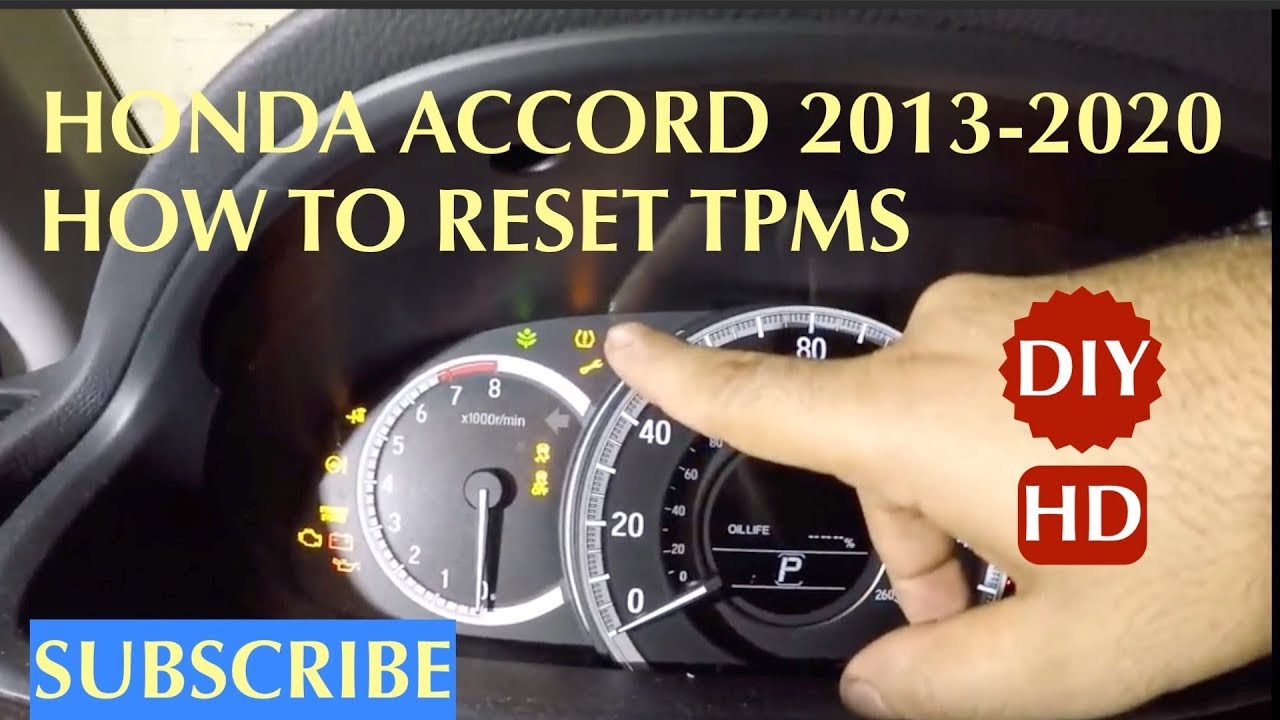
Modern cars, including the Honda Accord, use a system called TPMS (Tire Pressure Monitoring System). This system checks your tire pressure while you drive. If a tire becomes underinflated, the sensor sends a warning. Proper tire pressure keeps your car safe, improves fuel efficiency, and prevents tire wear.
Driving with low tire pressure can:
- Make your car harder to handle
- Increase fuel consumption
- Cause tires to wear out faster
- Lead to dangerous blowouts
For these reasons, the TPMS warning light should never be ignored.
Common Causes Of Tire Pressure Warnings
Before you reset the sensor, it’s important to know why the warning appeared. Here are the most common reasons:
- Temperature Changes: Cold air causes tire pressure to drop. Even a 10-degree Fahrenheit drop can lower pressure by 1-2 PSI.
- Slow Leaks: Sharp objects like nails can create small leaks.
- Recent Tire Service: After tire rotation, replacement, or even air refill, the sensor may need resetting.
- Faulty Sensors: Sometimes, the sensor itself malfunctions due to age or battery issues.
Addressing the root cause is key. Simply resetting the warning without fixing the problem can be unsafe.
Checking Tire Pressure The Right Way
Before you reset the sensor, always check your tire pressure manually.
- Find the recommended PSI for your Honda Accord. Look for a sticker inside the driver’s door or check the owner’s manual.
- Use a reliable tire pressure gauge. Digital gauges are usually more accurate.
- Check the pressure when tires are cold (before driving).
Here’s a comparison of typical recommended tire pressures for different Honda Accord models:
| Model Year | Front Tires (PSI) | Rear Tires (PSI) |
|---|---|---|
| 2010-2012 | 32 | 32 |
| 2013-2017 | 33 | 32 |
| 2018-2023 | 32 | 32 |
If any tire is below the recommended PSI, fill it up first. After inflating, the warning light may disappear on its own after a short drive.
How The Tire Pressure Sensor System Works
The TPMS in your Honda Accord uses either direct or indirect sensors:
- Direct TPMS uses a sensor inside each tire to measure pressure.
- Indirect TPMS uses wheel speed sensors to estimate pressure changes.
Most newer Honda Accords (2013 and later) use the indirect system, which means the reset procedure is different compared to older models.
Credit: www.geraldhondacountryside.com
When Should You Reset The Tire Pressure Sensor?
Resetting is necessary after:
- Inflating one or more tires to the correct PSI
- Rotating or changing tires
- Seasonal temperature changes (especially after a cold snap)
- Seeing the warning light even after correcting pressure
If the light stays on, a reset will help the system relearn the correct pressure.
How To Reset Tire Pressure Sensor On Honda Accord (step-by-step)
The process varies depending on the model year. Let’s break it down:
For 2013 And Newer Models (with Touchscreen)
Most Honda Accords from 2013 onward use an indirect TPMS. Here’s what you need to do:
- Turn on the ignition (press the “Start” button twice without starting the engine).
- On your dashboard, press the Home button.
- Use the interface to select Settings.
- Go to Vehicle Settings.
- Choose TPMS Calibration or Tire Pressure Monitoring System.
- Select Calibrate.
- The system will now reset. Drive normally. The light should turn off after a few miles.
For Models Without Touchscreen (2013+)
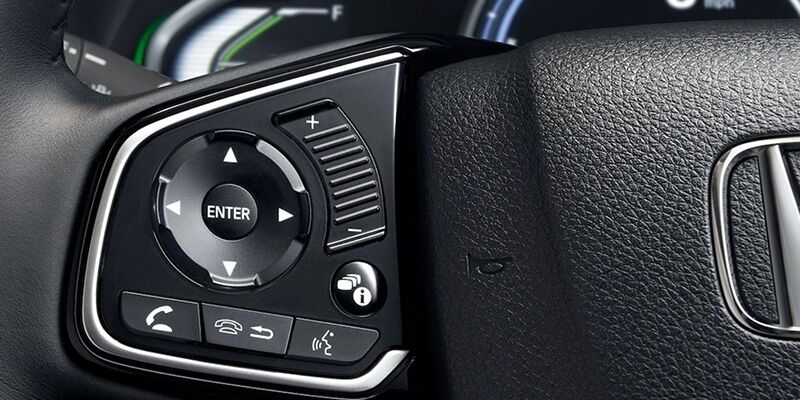
Some trims lack a touchscreen. Use the steering wheel buttons:
- Turn on the ignition.
- Press the Menu button on the steering wheel.
- Scroll to Customize Settings.
- Find TPMS Calibration.
- Select it and confirm.
For Older Models (2008–2012)
Older Accords usually have a TPMS reset button under the dashboard (left side). Here’s how to use it:
- Turn the ignition to the “ON” position (engine off).
- Find and press the TPMS reset button.
- Hold for about 5 seconds until the warning light blinks twice.
- Start the engine. The light should go out after a short drive.
If Your Model Lacks A Reset Button
Some Accords do not have a physical reset button. In this case, after correcting the pressure, drive above 30 mph for at least 10 minutes. The system should reset automatically.
When The Light Does Not Go Off
If the warning stays on after several resets and correct pressure checks, you may have a faulty sensor or a deeper system issue. At this point, a dealer diagnosis is the safest choice.
Step-by-step Example: Resetting Tpms On A 2020 Honda Accord
Let’s walk through a real-world example to make it clearer:
- Check all tire pressures and inflate to 32 PSI.
- Start the car (without the engine).
- On the touchscreen, tap Home > Settings > Vehicle > TPMS Calibration.
- Tap Calibrate.
- Drive for 5–10 minutes.
- The warning light should disappear.
This process may take a few minutes, but it works for most 2020 Accords.
Common Mistakes When Resetting Tpms
Many drivers make errors that keep the warning light on. Here are some to avoid:
- Not inflating all tires: Even if only one tire was low, always check and fill all four.
- Ignoring the spare tire: Some models have a sensor in the spare tire.
- Trying to reset with underinflated tires: The system won’t calibrate if pressure is still low.
- Rushing the calibration: After resetting, you need to drive a few miles for the system to finish learning.

Credit: www.youtube.com
How Long Does A Reset Take?
Most systems need you to drive for at least 10 minutes at 30 mph or higher. For some older models, the reset is instant after pressing the button. If the light doesn’t go off after a day of normal driving, something else may be wrong.
What If The Tpms Light Flashes?
A steady light means low pressure; a flashing TPMS light usually means a sensor malfunction. This often happens in cars over 6 years old, as the sensor batteries wear out. Replacing sensors is a job for a tire shop or dealer.
Tpms Sensor Life And Replacement
The average TPMS sensor lasts 5–10 years or about 100,000 miles. When they fail, you may notice:
- Constant warning lights
- Inability to reset
- False alerts
Replacement costs vary. Here’s a general comparison:
| Sensor Type | Average Lifespan | Replacement Cost (per sensor) |
|---|---|---|
| Direct (older models) | 5-7 years | $50–$100 |
| Indirect (newer models) | 7-10 years | $50–$70 |
It’s wise to replace sensors in sets if one fails, especially for older cars.
Quick Tips To Avoid Future Tire Pressure Warnings
- Check tire pressure monthly—not just when the light comes on.
- Use a digital gauge for best accuracy.
- Inspect tires for nails or damage during every oil change.
- After a tire rotation, always perform a reset/calibration.
- If you store your car, inflate tires to the max recommended PSI to prevent flat spots.
Real-world Insight: Seasonal Changes And Tpms
Many Honda Accord owners notice the light after a cold night. Air contracts in lower temperatures, causing pressure drops. In cold climates, check your tires more often in fall and winter. Sometimes, the warning light goes off as the tires warm up during driving, but you should still check them manually.
When To Visit A Professional
If you have followed all the steps and the light stays on, it might be time to see a Honda dealer or tire professional. Possible reasons include:
- Sensor battery failure
- Damaged wiring
- System software glitches
A technician can scan the system and pinpoint the exact issue. Ignoring a persistent TPMS warning can lead to bigger problems, especially if it hides a slow leak.
Credit: www.youtube.com
Extra Advice For Non-native English Speakers
The TPMS system and reset steps may look complicated at first, especially if your car menu is in English. Using your smartphone to translate menu options can help. Some Honda manuals also offer multilingual guides online.
Where To Find Official Honda Tpms Information
You can always check the latest official guidelines at the Honda Owners’ official website for your specific Accord model. This ensures you follow the right steps for your car’s year and trim.
Frequently Asked Questions
Why Does My Honda Accord Tpms Light Keep Coming On?
The most common reason is low tire pressure due to a temperature drop or a slow leak. Sometimes, the system needs recalibration after tire service. If the light flashes, the sensor may be faulty.
Can I Drive With The Tpms Warning Light On?
You can, but it’s not safe. The warning means one or more tires may be underinflated, which affects handling, fuel economy, and tire life. Always check and correct your tire pressure as soon as possible.
How Do I Know If My Honda Accord Has A Direct Or Indirect Tpms?
Most Accords from 2013 onward use indirect TPMS, which recalibrates via the dashboard menu. Older models (pre-2013) use direct TPMS with sensors inside each tire and may have a physical reset button.
What Happens If I Ignore The Tire Pressure Warning?
Ignoring the warning can lead to uneven tire wear, reduced fuel economy, and even tire blowouts at high speeds. It’s best to address the warning promptly to stay safe and avoid costly repairs.
How Much Does It Cost To Replace A Honda Accord Tpms Sensor?
The cost ranges from $50 to $100 per sensor, including parts and labor. Prices vary by model year and whether you use OEM or aftermarket parts.
Resetting the tire pressure sensor on your Honda Accord is a simple but important task that keeps your car safe and efficient. Understanding how the system works, common mistakes, and when to seek help puts you in control. With this guide, you can confidently handle the TPMS warning and keep your Accord running smoothly for years to come.