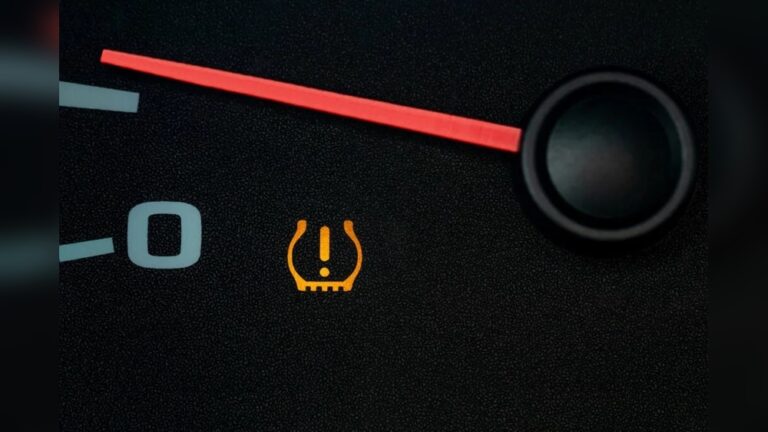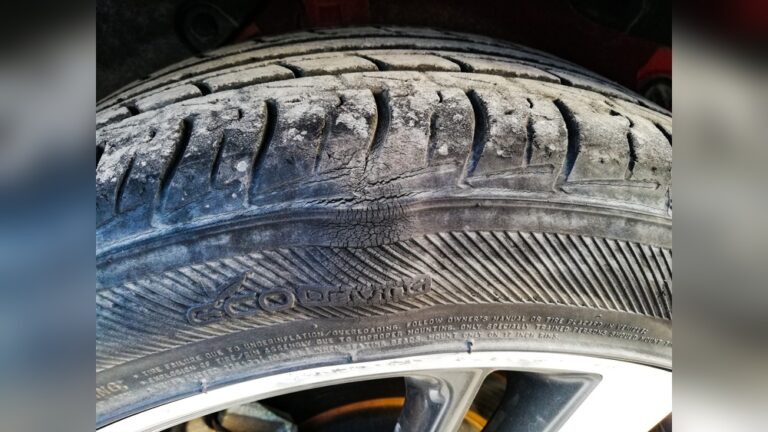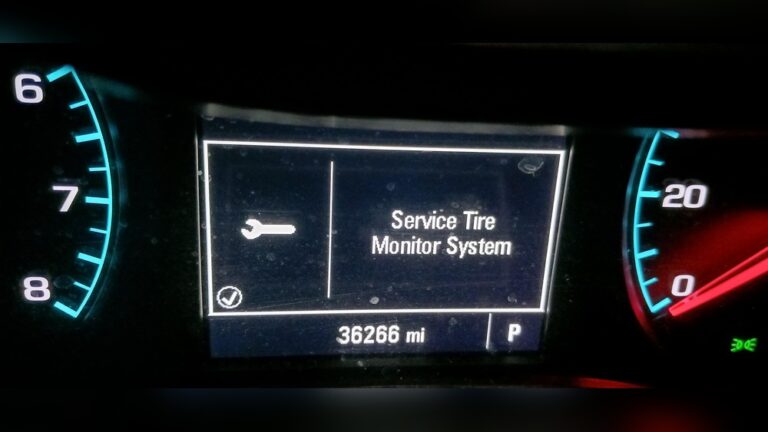
Every modern car on the road today depends on smart technology to keep you safe—and the Tire Pressure Monitoring System (TPMS), or simply “tire monitor system,” is one of the most important. This system alerts you when your tire pressure drops, helping you avoid blowouts, poor fuel economy, or uneven tire wear. But what happens when that little warning light stays on, or you suspect your TPMS isn’t working as it should? Servicing your tire monitor system might sound complex, but with the right guidance, anyone can understand the process.
Taking care of your TPMS not only protects your tires and wallet but also keeps you safer on the road. In this guide, you’ll learn how to service your tire monitor system step by step, spot common problems, and avoid costly mistakes even many experienced drivers make.
Whether you’re a DIY enthusiast or just want to communicate better with your mechanic, you’ll find practical advice and clear instructions here.
What Is A Tire Monitor System?
The tire monitor system is an electronic safety feature found in most vehicles built after 2007. It uses sensors to monitor the air pressure inside your tires and sends real-time information to your dashboard. When the pressure drops below a safe level, a warning light appears so you can act before a problem becomes dangerous.
There are two main types:
- Direct TPMS: Uses pressure sensors inside each tire.
- Indirect TPMS: Uses wheel speed sensors from the ABS system to estimate tire pressure.
Knowing which system you have is the first step in proper servicing.
Why Servicing Your Tire Monitor System Matters
Ignoring your TPMS can lead to:
- Unsafe driving conditions: Under-inflated tires risk blowouts.
- Higher fuel use: Just a few PSI below spec can decrease fuel efficiency by 3%.
- Shorter tire life: Low pressure causes uneven wear, reducing tire lifespan by up to 25%.
- Failed vehicle inspections: In many regions, a faulty TPMS means you can’t pass inspection.
Regular servicing ensures your system works accurately and keeps these problems away.
Signs Your Tire Monitor System Needs Service
Many drivers miss early warning signs that their TPMS needs attention. Look for:
- Warning light stays on even after checking tire pressures.
- Flashing TPMS light when you start the car (usually means a sensor problem).
- Inconsistent readings or pressure values that don’t match manual gauge checks.
- Sensors not responding after tire rotation or replacement.
If you see any of these, your system may need a reset, sensor replacement, or more.
Essential Tools And Equipment
Before servicing your tire monitor system, gather these basics:
- Digital tire pressure gauge (for accurate readings)
- Valve core tool (for sensor access)
- TPMS scan tool (to read and reset sensor data)
- Replacement TPMS sensors (if needed)
- Torque wrench (for proper tightening)
Having the right tools makes the process smoother and reduces the risk of damage.

Credit: www.reddit.com
Step-by-step: How To Service Tire Monitor System
Let’s break down the servicing process into practical steps. This guide covers both direct and indirect systems, but always check your car’s manual for specific instructions.
1. Identify Your Tpms Type
Check your owner’s manual or look for clues:
- Direct systems: Each tire will have a sensor, often with metal valve stems.
- Indirect systems: Regular rubber valve stems, no visible sensors.
Knowing your type helps you pick the right service steps.
2. Inspect And Check Tire Pressure
Start with the basics:
- Use your digital tire pressure gauge to check all four tires (plus the spare, if equipped).
- Compare readings to the recommended pressure (usually found on a sticker inside the driver’s door).
- Inflate or deflate as needed.
If all tires are at the correct pressure and the warning light remains, move to the next step.
3. Visually Inspect Tpms Components
Look for:
- Damaged valve stems: Cracks, corrosion, or missing caps can cause leaks and sensor errors.
- Debris or corrosion around the sensor or stem base.
- Obvious sensor movement (wiggling stems can mean a loose sensor inside the tire).
Replace damaged parts before continuing.
4. Use A Tpms Scan Tool
A TPMS scan tool communicates directly with the sensors. Here’s what to do:
- Turn on the car’s ignition (engine off).
- Hold the scan tool near each wheel and follow prompts to check sensor status.
- Record sensor IDs, battery levels, and error codes.
This step helps you pinpoint which sensor is faulty, has a dead battery, or isn’t transmitting.
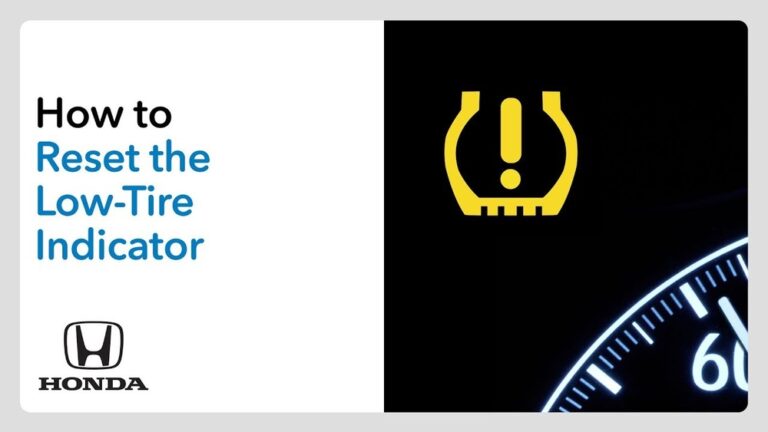
5. Reset The Tpms
Many cars need a manual reset after adjusting tire pressure or fixing a sensor. Common reset procedures include:
- Pressing and holding a TPMS reset button (often under the dashboard) until the warning light blinks.
- Using the vehicle’s infotainment system to select a TPMS reset option.
- Driving the car at a set speed (usually 15-30 mph) for several minutes.
If the light doesn’t clear, consult your manual or use the scan tool to clear codes.
6. Replace Faulty Sensors
TPMS sensors have batteries that last 5–10 years. If a sensor fails, you’ll need to replace it:
- Remove the tire from the wheel using a tire changer.
- Unscrew and remove the old sensor from the valve stem.
- Install the new sensor, torque the stem nut to spec.
- Reinstall the tire and rebalance the wheel.
After replacement, you must “relearn” the sensor to the car using your scan tool or following the car’s relearn procedure.
7. Relearn Or Program Sensors
Every car has a specific way to teach new sensors to the system:
- Some require a scan tool to input sensor IDs.
- Others use a series of pedal presses and key cycles (check your manual).
- For indirect systems, you may just need to reset the ABS system.
Skipping this step is a common mistake that keeps the warning light on.
8. Inspect System After Tire Rotations Or Replacements
Whenever you rotate or replace tires, always:
- Check that each sensor is in the correct position.
- Relearn sensor positions if your car tracks each tire individually.
- Double-check torque on valve stem nuts.
Tire shops sometimes skip these steps, leading to future problems.
9. Update Tpms Software (if Available)
Some newer cars allow software updates for the TPMS module. This can improve accuracy or fix known bugs. Check with your dealer or official website for updates.
10. Record Service Details
Keep a log of:
- Sensor replacements (date, position, ID)
- Battery life estimates
- Any reset or relearn procedures performed
This record helps diagnose future problems and speeds up service visits.
Common Mistakes To Avoid
- Ignoring the warning light: Even if tires look fine, always check pressure and system status.
- Mixing sensor types: Using incompatible sensors can cause repeated errors.
- Skipping the relearn step: The car won’t recognize new sensors without proper programming.
- Overtightening valve stems: This can damage the sensor or cause leaks.
- Neglecting the spare tire: Some cars have a sensor in the spare—don’t forget it!

Credit: www.youtube.com
Cost Of Servicing Tire Monitor System
Costs can vary depending on what needs repair. Here’s a quick comparison:
| Service | DIY Cost (USD) | Shop Cost (USD) |
|---|---|---|
| Pressure Check & Reset | Free–$20 (gauge/tool) | $20–$40 |
| Sensor Battery Replacement | $5–$15 per sensor | Not common (usually sensor is replaced) |
| New TPMS Sensor | $30–$80 per sensor | $70–$150 per sensor |
| Relearn/Programming | Free–$50 (if buying tool) | $20–$50 |
Many drivers are surprised to learn that sensor batteries can’t usually be replaced separately—if the battery dies, the whole sensor is swapped out.
Direct Vs. Indirect Tpms: Key Differences
Understanding your system type helps you service it better.
| Feature | Direct TPMS | Indirect TPMS |
|---|---|---|
| How it works | Measures real pressure in each tire | Estimates pressure by wheel speed |
| Accuracy | Very high | Moderate |
| Sensor cost | Higher | Lower (no sensors) |
| Maintenance needs | Replace sensors every 5–10 years | Mostly software resets |
| Warning speed | Immediate | Slower |
If you want more technical details, the Wikipedia page on TPMS provides a deep dive.

Credit: www.reddit.com
Advanced Tips For Reliable Tire Monitor System Service
- Mark sensor IDs with tire positions during rotation. This avoids confusion during relearning.
- Use anti-seize compound on valve stem threads to prevent corrosion, but avoid the sensor tip.
- Check for TPMS updates before winter. Cold air can lower tire pressure and trigger false warnings.
- Store extra sensors in a sealed bag to keep batteries fresh if you buy replacements in advance.
Most beginners overlook the value of keeping a sensor log or checking for software updates, but these steps save time and money later.
When To See A Professional
You can handle most TPMS maintenance at home, but see a qualified shop if:
- The warning light stays on after all steps.
- You see multiple sensor errors at once.
- There’s damage to the wheel or sensor that needs special tools.
- You’re not comfortable removing tires or handling electronics.
A professional technician has advanced scan tools and experience with tricky problems.
Frequently Asked Questions
What Should I Do If My Tpms Warning Light Stays On After Filling My Tires?
Start by double-checking the pressure with a manual gauge. If pressures are correct, try resetting the system as described in your car’s manual. If the light stays on, one of your sensors might be faulty or need to be relearned.
Can I Replace A Tpms Sensor Myself?
Yes, if you have the right tools and some mechanical skill. You’ll need to remove the tire from the wheel, install the new sensor, and perform a relearn procedure. If you’re not comfortable, a tire shop can do this quickly.
How Long Do Tpms Sensors Last?
Most sensors last 5 to 10 years. The main reason for failure is the internal battery running out. Some cars will show a specific warning when the battery is low.
Is It Safe To Drive With The Tpms Light On?
It’s not recommended. The warning means at least one tire is under-inflated or the system isn’t working. Driving with low pressure can cause poor handling, lower fuel economy, or even a blowout.
Do All Cars Have The Same Type Of Tire Monitor System?
No. Some use direct TPMS with individual sensors in each tire, while others use indirect TPMS that estimates pressure. Always check your owner’s manual to know which system your car uses.
Taking the time to properly service your tire monitor system pays off with longer tire life, better fuel economy, and safer driving. With a little care and the right steps, you can keep your TPMS working like new and enjoy peace of mind on every journey.