Eva Tires Vs Rubber Tires: Which Is Better for Your Needs?
Choosing the right tires can make a big difference for your vehicle, stroller, scooter, or wheelchair. Today, many people are debating between Eva tires and rubber tires. Each option has unique qualities, strengths, and weaknesses. If you’re confused about which to choose, you’re not alone. This article will guide you through everything you need to know about Eva tires vs rubber tires, including how they perform, their durability, maintenance, cost, and practical tips for making the best choice.
What Are Eva Tires?
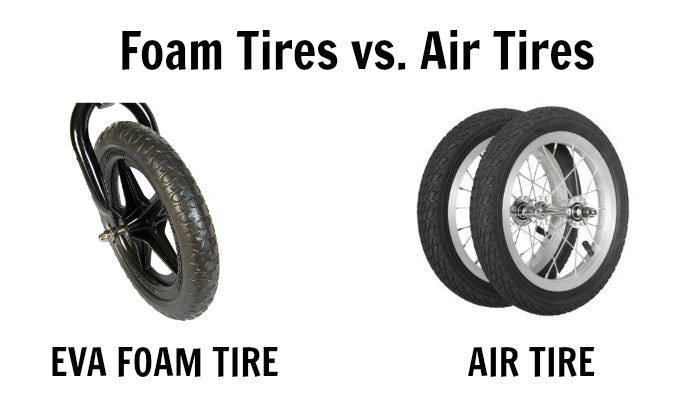
Eva tires are made from Ethylene-Vinyl Acetate (EVA), a type of plastic foam. This material is lightweight, flexible, and resistant to many chemicals. Unlike rubber tires, Eva tires are usually solid, not filled with air.
Eva tires are popular for products like:
- Strollers and prams
- Wheelchairs
- Kids’ scooters
- Lightweight bikes
Their popularity comes from their light weight and ability to stay puncture-free. Because they are solid, Eva tires can never go flat.
What Are Rubber Tires?
Rubber tires are made from natural or synthetic rubber. Most rubber tires are air-filled (pneumatic), but some are solid. Rubber tires are everywhere: cars, bicycles, trucks, motorcycles, industrial carts, and more.
The main qualities of rubber tires are:
- Flexibility and grip
- Shock absorption
- Good traction on many surfaces
Rubber tires usually require more maintenance, but they offer a smoother ride and better performance, especially on rough terrain.
Key Differences Between Eva Tires And Rubber Tires
To understand the strengths and weaknesses of each type, let’s compare their main features.
| Feature | Eva Tires | Rubber Tires |
|---|---|---|
| Material | Plastic foam (EVA) | Natural/Synthetic rubber |
| Weight | Very light | Heavier |
| Puncture Resistance | Excellent (solid, cannot puncture) | Varies (air-filled tires can puncture) |
| Shock Absorption | Low to moderate | High (especially pneumatic tires) |
| Grip | Moderate | High (better traction) |
| Durability | Good, but can wear out faster on rough surfaces | Excellent, especially with proper maintenance |
| Maintenance | Low | Medium to high |
| Cost | Usually cheaper | Varies, often more expensive |
Performance: Ride Quality And Comfort
Eva Tires
Eva tires are firm and lightweight. Because they are solid, they don’t absorb bumps as well as rubber tires. On smooth surfaces, they work fine, and you might not notice any discomfort. But on rough or uneven surfaces, the ride can feel hard and bumpy.
For example, a stroller with Eva tires will roll smoothly on a shopping mall floor, but may shake a lot on gravel or cobblestones.
Rubber Tires
Rubber tires, especially air-filled ones, are known for their shock absorption. When you ride over bumps or rough ground, the tire compresses, making the ride much smoother. This is why cars, bicycles, and even some high-end strollers use rubber tires.
Rubber tires also grip the ground better, which is important for safety and control. Even in wet conditions, rubber tires usually perform better than Eva tires.
Non-obvious Insight
Many people think Eva tires are maintenance-free, but they can wear down quickly on rough surfaces. If you use them mostly indoors or on smooth paths, they last longer. Rubber tires, while needing more care, can handle a wider range of environments without losing comfort.
Credit: www.tikesbikes.com
Durability And Lifespan
Eva Tires
Eva tires are resistant to punctures and chemicals, so you won’t have to worry about flats. However, the foam material can get worn out, especially if you frequently use them on rough or hot surfaces. Over time, Eva tires may become harder and lose their flexibility. When they reach this stage, they can crack or chip.
For lightweight use (like strollers or wheelchairs used indoors), Eva tires can last for years. But for outdoor or heavy-duty use, expect them to wear faster.
Rubber Tires
Rubber tires last longer if you take care of them. They resist wear, especially if they’re reinforced with synthetic fibers. Air-filled rubber tires can be punctured, but the rubber is tough and can be repaired. Solid rubber tires (used on some carts and scooters) are almost as durable as Eva tires, but heavier.
Rubber tires can handle extreme temperatures and rough surfaces much better than Eva tires. They don’t harden or crack as easily.
Non-obvious Insight
Eva tires are often marketed as “never-flat,” but their lifespan depends heavily on the surface you use them on. If you use Eva tires on abrasive ground, you might need replacements sooner than expected. Rubber tires can be patched or repaired, giving them a longer practical life.
Maintenance And Repair
Eva Tires
Eva tires are maintenance-free. There’s no need to check air pressure, patch holes, or worry about slow leaks. Just clean them sometimes to remove dirt.
If an Eva tire gets damaged, you usually have to replace it. Repairing is not practical, because the foam material cannot be patched or glued effectively.
Rubber Tires
Rubber tires need more attention. Air-filled tires require regular pressure checks, and you may need to patch or replace tubes if they get punctured. Solid rubber tires need less care, but can still wear down and sometimes need replacement.
Rubber tires can be repaired if punctured, which saves money over time. You can also rotate rubber tires (like on bikes or cars) to extend their life.
Common Mistake
Many users forget to check tire pressure in rubber tires, which leads to faster wear and more flats. Keeping the tires inflated correctly is one of the simplest ways to make rubber tires last longer.
Cost And Value
Eva Tires
Eva tires are usually cheaper. They cost less to make, and manufacturers often use them in budget products. If you need a tire that never goes flat and you’re mostly indoors, Eva tires are a good value.
However, if you replace them often due to wear, the long-term cost can add up.
Rubber Tires
Rubber tires cost more upfront, especially high-quality models. But because they last longer and can be repaired, the total cost can be lower over time.
If you need performance, comfort, and durability, paying more for rubber tires is often worth it.
| Type | Average Price (USD) | Replacement Frequency |
|---|---|---|
| Eva Tires | $10–$30 (small sizes) | Every 1–2 years (heavy use) |
| Rubber Tires | $20–$60 (small sizes) | Every 2–4 years (proper care) |
Safety Considerations
Eva Tires
Eva tires are safe for indoor or flat outdoor use. They don’t go flat, so you won’t suddenly lose control. However, their grip is limited, and on wet or slippery surfaces, they can slide more easily.
If you use Eva tires for children’s products, like scooters or strollers, always check the tread. Worn tread reduces safety.
Rubber Tires
Rubber tires offer better traction. This is crucial for vehicles, bikes, and strollers used outdoors. They grip the ground in rain, snow, or mud, lowering the risk of skidding.
Rubber tires can fail if punctured, but this is rare in solid rubber models. Air-filled tires should always be checked for proper inflation.
Environmental Impact
Eva Tires
Eva tires are made from plastic foam, which is not biodegradable. When they wear out, they often end up in landfills. Recycling options are limited, but the lightweight material uses less energy in production and transport.
Rubber Tires
Rubber tires can be recycled into playground mats, road surfaces, and other products. Natural rubber is biodegradable, but synthetic rubber is not. However, many cities have recycling programs for rubber tires.
Non-obvious Insight
Eva tires can release tiny plastic particles as they wear, which may contribute to microplastic pollution. Rubber tires, especially natural rubber, have a smaller environmental impact when recycled properly.
Where Each Tire Type Is Used
Eva Tires
You’ll often find Eva tires on:
- Lightweight strollers and prams
- Kids’ scooters and toys
- Indoor wheelchairs
- Some folding bikes
Manufacturers choose Eva tires for their lightness and “never-flat” promise. They’re perfect for products that need to be easy to carry and don’t face rough terrain.
Rubber Tires
Rubber tires are found on:
- Cars and trucks
- Bicycles and motorcycles
- Outdoor strollers and prams
- Heavy-duty wheelchairs
- Industrial carts
Rubber tires are chosen for their durability, grip, and comfort. They suit products used outside or in demanding situations.
Pros And Cons: Eva Tires Vs Rubber Tires
Let’s break down the advantages and disadvantages of each tire type.
Eva Tires
Pros:
- Lightweight and easy to handle
- Never go flat
- Low maintenance
- Usually cheaper
Cons:
- Less comfortable ride
- Wears out quickly on rough surfaces
- Not repairable
- Limited grip
Rubber Tires
Pros:
- Excellent shock absorption
- Superior grip and safety
- Durable and long-lasting
- Can be repaired
Cons:
- Heavier
- Needs regular maintenance
- Higher initial cost
- Air-filled types can puncture
Making The Right Choice: What Really Matters
Consider Your Usage
Before choosing, ask yourself:
- Will you mostly use the product indoors or outdoors?
- Is weight important for carrying or storage?
- Do you need maximum comfort?
- Are you willing to do some maintenance?
- Is cost a big concern?
If you use your stroller, scooter, or wheelchair mostly indoors and want a lightweight, maintenance-free option, Eva tires are a good choice. For outdoor use, rough terrain, or if you want comfort and durability, rubber tires are better.
Practical Example
Suppose you’re buying a stroller. If you live in a city and use the stroller inside malls or smooth sidewalks, Eva tires will work well. If you often walk in parks, on gravel, or uneven paths, rubber tires will give your child a smoother, safer ride.
Common Mistake
Many buyers focus only on price or the “never-flat” claim. It’s wise to think about where and how you’ll use the tires. Saving money upfront can lead to higher costs later if you need frequent replacements.

Credit: www.ourfuntoys.com
Comparing Eva And Rubber Tires: Real-life Scenarios
Stroller Owners
A parent living in an apartment with elevators and smooth floors may prefer Eva tires for their lightweight convenience. But another parent in a suburban area with rough sidewalks might regret buying Eva tires, as the ride could be uncomfortable and the tires may wear down quickly.
Scooter Riders
Kids’ scooters with Eva tires are great for playgrounds and indoors. For outdoor use, especially on roads, rubber tires provide better grip and safety.
Wheelchair Users
Indoor wheelchairs often use Eva tires because they’re light and don’t need much care. Outdoor wheelchairs usually have rubber tires for durability and comfort.
Industrial Use
Industrial carts and trolleys carrying heavy loads need reliable tires. Solid rubber tires are preferred because they handle weight and rough floors better than Eva tires.
Technical Comparison: Material Properties
Eva Tire Material
- Density: 0.95–1.25 g/cm³
- Hardness: Shore A 40–60
- Temperature resistance: -30°C to +70°C
- Chemical resistance: Excellent (resists oil, solvents)
Rubber Tire Material
- Density: 1.1–1.5 g/cm³
- Hardness: Shore A 30–80 (varies)
- Temperature resistance: -40°C to +100°C
- Chemical resistance: Good (varies with type)
Eva tires are lighter, but rubber tires are more flexible and tough. Rubber can withstand higher temperatures and is more elastic, making it ideal for absorbing shocks.
Innovations And Trends
Eva Tires
Recent innovations include:
- Improved tread patterns for better grip
- Foam blends for softer ride
- Colored Eva tires for style
Manufacturers are trying to make Eva tires more comfortable, but they still can’t match rubber tires in grip and shock absorption.
Rubber Tires
Rubber tires have seen major improvements:
- Tubeless designs (no inner tube, fewer flats)
- High-performance synthetic rubbers
- Eco-friendly materials and recycling programs
Rubber tires are evolving to be safer, more durable, and greener.
How To Choose: Step-by-step Guide
- Identify Your Main Use: Indoor, outdoor, or both?
- Check Weight Needs: Will you carry or transport the product?
- Consider Comfort: Is a smooth ride important?
- Think About Maintenance: Are you willing to check air or repair?
- Look at Cost: Short-term or long-term savings?
- Assess Environment: Smooth or rough surfaces? Wet or dry?
If you need a simple, lightweight, and maintenance-free tire for indoor use, Eva tires are good. If your main need is comfort, durability, and safety in mixed or outdoor environments, rubber tires are better.

Credit: rafplay.com
Buyer Mistakes To Avoid
- Ignoring surface conditions (Eva tires wear faster on rough ground)
- Forgetting to check tire pressure (rubber tires last longer if maintained)
- Focusing only on price (cheap tires can cost more over time)
- Believing “never-flat” means “never-replace” (Eva tires still wear out)
Final Thoughts: Which Should You Choose?
Both Eva tires and rubber tires have their place. Eva tires are best for light, indoor use and where weight is important. Rubber tires are ideal for outdoor, rough surfaces, and if you want comfort and durability.
Don’t make your decision based only on price or marketing promises. Take time to think about how you’ll use your tires, and what matters most for you. If you need more technical details or want to see how tires are tested for quality, check Wikipedia’s tire page for deep insights.
Frequently Asked Questions
What Is The Main Advantage Of Eva Tires?
Eva tires are lightweight, maintenance-free, and never go flat. They are ideal for products used indoors or on smooth surfaces.
Are Rubber Tires More Comfortable Than Eva Tires?
Yes, rubber tires offer better shock absorption and grip, making rides smoother and safer, especially outdoors or on rough terrain.
Can Eva Tires Be Repaired If Damaged?
No, Eva tires cannot be repaired. If they are damaged or worn out, you need to replace them.
Do Rubber Tires Require More Maintenance?
Rubber tires need regular pressure checks, cleaning, and sometimes patching if they get punctured. Proper maintenance extends their lifespan.
Which Tire Type Is Better For Outdoor Use?
Rubber tires are better for outdoor use. They handle rough surfaces, weather changes, and provide more comfort and safety than Eva tires.