Michelin Motorcycle Tires Vs Pirelli: Which Brand Reigns Supreme?
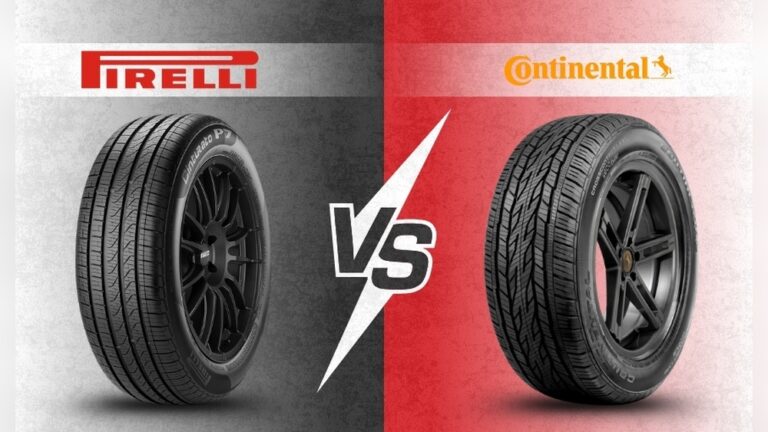
Choosing the right motorcycle tire can be a tough decision. Two names often stand out: Michelin and Pirelli. Both have deep histories, strong reputations, and loyal fans. But which brand really delivers the best performance, safety, and value for riders? This in-depth guide breaks down the key differences between Michelin and Pirelli motorcycle tires, looking at their technologies, top models, strengths, and real-world performance. By the end, you’ll have a clear understanding to help you pick the best tires for your bike and your riding style.
The Legacy And Reputation Of Michelin And Pirelli
Both Michelin and Pirelli have been making tires for over a century. Their long histories shape how they design and market their products today.
Michelin, founded in France in 1889, is a global tire leader. They’re known for innovation and quality. Michelin pioneered the radial tire and is well-respected in both car and motorcycle racing. They supply tires for MotoGP and other top-level competitions. Riders often choose Michelin for their long life and all-weather grip.
Pirelli, established in Italy in 1872, is famous for its sporty image. The brand is closely linked to racing, especially World Superbike. Pirelli focuses on high-performance tires and has a reputation for exciting, responsive handling. Many sportbike riders pick Pirelli to get that racing feeling on the road.
While both companies have strong motorsport ties, their design priorities and “feel” are a bit different. Michelin often focuses on safety and durability. Pirelli leans more toward sharp performance and rider feedback.
Tire Technology: What Sets Each Brand Apart?
The technology behind the rubber is where Michelin and Pirelli show their unique strengths.
Michelin’s Innovations
Michelin invests heavily in tire compounds and tread designs. Their famous 2CT (Two Compound Technology) uses a harder center for long life and a softer edge for cornering grip. Newer tires feature 2CT+ and Multi-Compound setups for even better balance.
Another key Michelin feature is their Adaptive Casing Technology (ACT). This gives the tire the right mix of flexibility and stiffness, improving both comfort and control.
Michelin also leads in silica-rich compounds, which boost wet grip without sacrificing mileage. Their tires often include unique sipes and tread patterns to channel water away quickly, reducing the risk of hydroplaning.
Pirelli’s Distinct Approach
Pirelli is known for its high-silica rubber and “race-bred” construction. Many Pirelli tires use a special zero-degree steel belt for stability and direct feedback. The bi-compound layouts let them offer hard-wearing centers and soft, sticky sides for cornering.
Pirelli’s tread patterns often have a signature “flash” or lightning bolt look, designed for quick water dispersal and stylish appearance. They also use advanced carbon black compounds for fast warm-up and strong grip in both dry and wet conditions.
A unique Pirelli feature is their close work with motorcycle manufacturers. Many sportbikes come fitted with Pirelli tires as original equipment, showing the brand’s focus on performance and tuning for specific bikes.
Comparing Top Models: Michelin Vs Pirelli
Let’s look at some of the most popular and best-reviewed motorcycle tires from each brand, across different categories. This helps you see where each brand shines.
Sport And Superbike Tires
| Brand | Model | Key Features | Best For |
|---|---|---|---|
| Michelin | Power RS / Power 5 | 2CT/2CT+ compounds, excellent wet & dry grip, good mileage | Sporty street riders, occasional track |
| Michelin | Power Cup 2 | Track-focused, fast warm-up, high cornering grip | Track days, aggressive sport riding |
| Pirelli | Diablo Rosso IV | Bi-compound, superb handling, fast warm-up | Everyday sport riding |
| Pirelli | Supercorsa SP V3 | Race-derived, high silica, precise feedback | Track and spirited street riding |
Key Insights:
- Michelin’s Power series tires are well-balanced for both grip and longevity. They’re popular among riders who need a tire that can handle rain and last for more than just a few thousand kilometers.
- Pirelli’s Rosso and Supercorsa models are famous for their sharp feel and instant feedback. They’re loved by riders who want a “connected” sensation and don’t mind sacrificing some mileage for performance.
Touring And Sport-touring Tires
| Brand | Model | Strengths | Ideal Rider |
|---|---|---|---|
| Michelin | Road 6 | Long life, strong wet/dry grip, comfort | Tourers, commuters, all-weather riders |
| Pirelli | Angel GT II | Excellent rain performance, stability, good wear | Sport-touring, daily use |
Key Insights:
- Michelin’s Road series is legendary for its all-weather grip and high mileage, making it a favorite for long-distance riders.
- The Pirelli Angel GT II is close in performance, with a slight edge in wet grip, but some users find Michelin’s ride quality a bit more plush on rough roads.
Adventure And Dual-sport Tires
| Brand | Model | Main Features | Best Use |
|---|---|---|---|
| Michelin | Anakee Adventure | Silica-rich, versatile tread, stable on/off-road | Adventure bikes, mixed surfaces |
| Pirelli | Scorpion Trail II | Excellent on-road stability, good off-road bite | ADV riders, mostly road |
Key Insights:
- Michelin Anakee tires are often chosen for their comfort and predictable handling on different surfaces.
- Pirelli’s Scorpion Trail II can feel sportier on pavement, with a slightly firmer ride. It’s a good pick for adventure riders who spend most time on the road.
Performance In Real-world Conditions
Tire tests and user reviews give us a clearer picture of how Michelin and Pirelli perform in daily riding.
Dry Grip And Cornering
Both brands offer top-level dry grip in their sport and superbike lines. Pirelli often gets praise for giving a “racetrack feel” and very quick turn-in. Michelin’s sport tires offer slightly smoother transitions and more forgiving limits, which can help less experienced riders feel confident.
For touring and all-weather tires, Michelin’s Road series and Pirelli’s Angel GT II are both strong. Michelin sometimes edges ahead in comfort and mid-corner stability. Pirelli is loved for its precise steering and sporty feedback, even in “touring” tires.
Wet Weather Performance
Michelin has invested heavily in silica compounds and tread patterns for wet grip. Many independent tests show Michelin sport-touring tires outperform Pirelli in heavy rain, especially as the tire wears down. This can be a major safety factor for commuters and tourers.
Pirelli’s wet grip is still very good, especially in the Angel GT II and Diablo Rosso IV, but they sometimes lose a bit of confidence in very cold or rainy conditions compared to Michelin.
Tire Life And Durability
Michelin has a reputation for longer tread life. Their tires often last several thousand kilometers more than Pirelli, especially in sport-touring and adventure categories. Many riders report Michelin sport-touring tires lasting over 15,000 km with balanced riding.
Pirelli’s focus is more on outright grip and feel. Their sport tires, like the Supercorsa series, wear out faster—sometimes under 5,000 km for aggressive riders. The Angel GT II does better, but in most side-by-side tests, Michelin’s equivalent lasts longer.
A surprising insight: Some experienced riders find Pirelli’s performance remains stable right up until the tire is worn out, while Michelin tires gradually lose some grip as they age. This could influence riders who want predictable performance all the way to the end.
Warm-up Time
Pirelli tires are known for quick warm-up, which is useful for riders who want instant grip from the first kilometer. Michelin tires warm up quickly too, but some models (especially older ones) may take a bit longer to reach their best grip in cold weather.
Comfort And Noise
Michelin’s construction often results in a smoother, quieter ride. Their focus on comfort helps reduce fatigue, especially on long trips. Pirelli’s stiffer sidewalls can transmit more bumps, but this also gives sharper handling. Some sport riders prefer this firmer feel, while commuters and tourers may enjoy Michelin’s plush ride more.

Credit: www.reddit.com
Price And Value For Money
Both Michelin and Pirelli sit in the premium tire category, so prices are similar. However, you may find small differences depending on model and region.
- Michelin tires can cost slightly more up front, especially for their latest sport-touring models.
- Pirelli’s high-end sport tires (like Supercorsa) are expensive, but their mid-range models can be a bit cheaper than Michelin equivalents.
When considering total value, think about mileage. If a Michelin tire lasts longer, the cost per kilometer may be lower, even if the initial price is higher. On the other hand, if you ride mostly for fun and want the most excitement per ride, Pirelli’s sharper performance might be worth the extra cost and faster wear.
Non-obvious insight: Price can also vary based on manufacturing location. Some Michelin tires are made in Spain or Thailand, and Pirellis in Germany or Brazil. Local production can affect both cost and sometimes even ride feel, so check the sidewall when buying.
Suitability For Different Riders
Matching the right tire to your riding style and bike is more important than simply picking a brand. Here’s how Michelin and Pirelli stack up for different types of riders:
Sport Riders And Track Day Fans
- Pirelli’s Supercorsa and Diablo Rosso series are favorites for aggressive riding and track days, thanks to their instant feedback and high grip.
- Michelin’s Power Cup and Power RS/Power 5 are strong all-rounders, with a reputation for being a bit more forgiving if you push past the limit.
Commuters And Daily Riders
- Michelin Road 6 and previous generations (Road 5, Road 4) are often chosen for their long life, strong wet grip, and comfort.
- Pirelli Angel GT II is also popular, especially with riders who want a sportier feel in city traffic.
Adventure And Dual-sport Riders
- Michelin Anakee Adventure and Anakee Wild suit riders who mix road and off-road, with a bias for comfort and all-weather performance.
- Pirelli Scorpion Trail II is great for ADV bikes used mainly on-road, but still able to handle gravel and light trails.
Cruiser And Custom Riders
Both brands offer cruiser tires, but Michelin’s Commander III and Pirelli’s Night Dragon are top picks. Michelin is known for comfort and mileage, while Pirelli’s Night Dragon gives a firmer, “custom” feel and strong grip under heavy bikes.

Credit: www.youtube.com
What Really Matters When Choosing Between Michelin And Pirelli
When making your decision, focus on these key factors:
- Riding style: Sporty, touring, commuting, or off-road?
- Bike type: Sportbike, touring, ADV, cruiser?
- Weather: Frequent rain or mostly dry?
- Tire life vs. performance: Do you want longer mileage or the sharpest grip?
- Budget: Consider cost per kilometer, not just the sticker price.
It’s also wise to check reviews and tests for your specific bike. Some tires work better on certain motorcycles due to weight, suspension, or power delivery.
Pro tip: Don’t be afraid to mix and match front and rear tires if your bike’s manual allows it. Sometimes, a Michelin front and Pirelli rear (or vice versa) can give the perfect balance of grip and longevity, but always make sure the tire types are compatible.
Common Mistakes When Choosing Motorcycle Tires
Many riders make avoidable errors when picking tires:
- Choosing by looks alone: Tread pattern does matter, but grip and handling are more important.
- Ignoring load/speed ratings: Always choose tires that match your bike’s specs and your riding speed.
- Not considering weather: If you ride in rain, focus on tires known for wet grip, like Michelin Road 6 or Pirelli Angel GT II.
- Only looking at brand: Both brands make excellent and average tires. Pick the model that fits your needs, not just the logo.
- Skipping break-in: All new tires need a gentle break-in period for safety and best grip.
Expert Tips For Getting The Most From Your Tires
- Check pressures often: Under- or over-inflated tires wear faster and can be dangerous.
- Balance your wheels: Unbalanced tires cause vibration and uneven wear.
- Inspect regularly: Look for cuts, cracks, or objects stuck in the tread.
- Replace before the legal limit: Most tires have wear indicators. Don’t risk riding on bald rubber, even if the tire “looks okay.”
- Store properly: Keep tires out of direct sunlight and away from chemicals to prevent hardening.
Michelin Vs Pirelli: Which Brand Wins?
There’s no one-size-fits-all answer. Michelin is often the safe bet for all-weather riders who want long life and comfort. Pirelli is hard to beat for sheer performance and excitement, especially for riders who prioritize feel and sporty handling.
For most everyday riders, the differences are small but noticeable. Michelin edges ahead in wet grip and mileage. Pirelli leads for aggressive sport riding and razor-sharp feedback. The best tire is the one that matches your bike, your riding style, and your priorities.
For more on tire technology and independent tests, visit the Wikipedia page on motorcycle tires.

Credit: www.motorcyclenews.com
Frequently Asked Questions
Which Brand Is Better For Wet Weather: Michelin Or Pirelli?
Michelin generally leads in wet weather performance, especially with their Road 6, Road 5, and other silica-rich models. Pirelli’s Angel GT II is very good in the rain, but Michelin often gets higher marks in independent tests.
How Long Do Michelin And Pirelli Motorcycle Tires Last?
Michelin tires usually last longer, especially in sport-touring and adventure categories. Expect 12,000–18,000 km from a Michelin Road 6, versus 10,000–15,000 km for a Pirelli Angel GT II, depending on riding style. Sport tires from both brands wear out faster, sometimes under 5,000 km with aggressive use.
Are Pirelli Tires Really Better For Sporty Riding?
Pirelli’s sport tires, like the Supercorsa and Diablo Rosso series, are famous for sharp handling and immediate feedback. Many track riders and aggressive street riders prefer Pirelli for this reason, but Michelin’s latest Power series is also very competitive.
Is It Safe To Mix Michelin And Pirelli Tires On The Same Bike?
Mixing brands front and rear can work if the tires are similar in grip and profile, but always check your motorcycle’s manual and avoid combining very different tire types (like sport and touring). Some experienced riders mix for specific results, but beginners should stick to matched pairs.
Are There Big Price Differences Between Michelin And Pirelli Motorcycle Tires?
Prices are generally similar, as both are premium brands. Sometimes Michelin costs a little more up front, especially for new models, but longer life can mean lower cost over time. Always compare prices for your exact tire size and model.
When you know what you need from your motorcycle tires, both Michelin and Pirelli offer high-quality options. Focus on the right model for your bike and riding style, and you’ll enjoy a safer, more enjoyable ride every time you hit the road.