Snow Tires vs Off Road Tires: Which Is Best for Your Needs?
If you drive in extreme weather or often go off the beaten path, picking the right tire is more than just a style choice. It’s about safety, control, and performance. Most drivers know tires are important, but many are unsure whether snow tires or off road tires are right for them. While both types look tough and promise better grip, they are designed for completely different challenges. This article will help you understand the differences, the science behind each, and how to choose the best tire for your driving style and environment.
What Are Snow Tires?
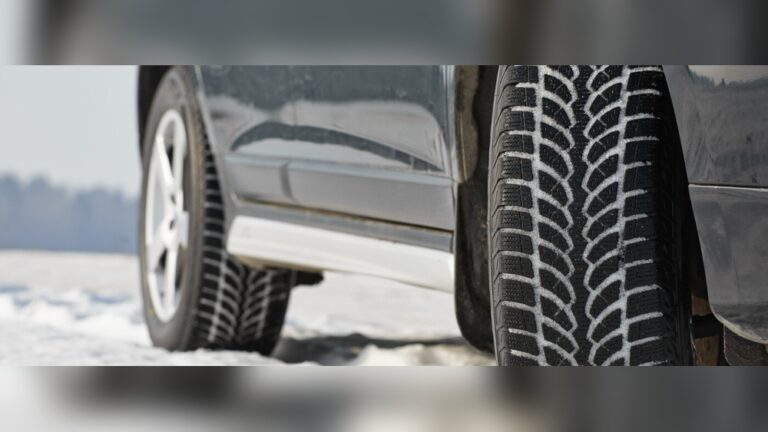
Snow tires, also called winter tires, are made for driving in cold, snowy, and icy conditions. They use a special rubber that stays soft even when temperatures drop below freezing. This is important because regular tires become stiff and lose grip in the cold. Snow tires also have deep grooves and small cuts called sipes. These features help push away snow and water, so your car doesn’t slide.
Most snow tires are marked with a Three-Peak Mountain Snowflake symbol on the sidewall. This symbol means the tire meets strict standards for winter performance. For example, tests show that snow tires can stop a car on ice up to 30% shorter than regular all-season tires. That difference can help you avoid a crash.
What Are Off Road Tires?
Off road tires are built for rough and uneven surfaces like mud, rocks, sand, and loose dirt. They use a different rubber mix that is tougher and more resistant to cuts. Off road tires have bigger, deeper tread blocks and wider spaces between them.
This helps the tire grab onto uneven ground and prevent getting stuck.
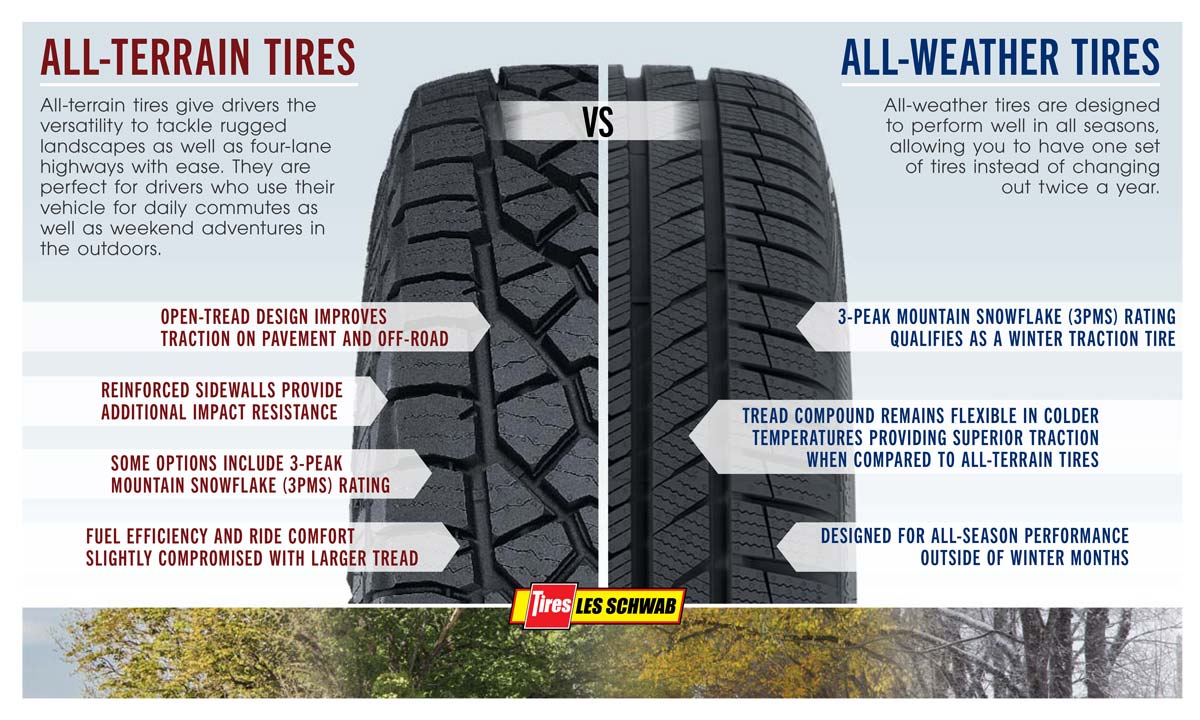
Off road tires come in different types, such as mud-terrain (MT) and all-terrain (AT). Mud-terrain tires have very aggressive patterns for the most challenging conditions, while all-terrain tires are a mix of on-road and off-road performance.
Unlike snow tires, off road tires are not designed for ice or snow. Their rubber can become stiff in low temperatures, making them less safe in winter. However, when it comes to rocky trails or muddy roads, off road tires are hard to beat.
Key Differences Between Snow Tires And Off Road Tires
Understanding the main differences is crucial before making your choice. Let’s break it down in clear terms.
| Feature | Snow Tires | Off Road Tires |
|---|---|---|
| Rubber Compound | Soft, flexible in cold | Hard, durable for rough terrain |
| Tread Pattern | Fine sipes, closely spaced grooves | Large blocks, wide gaps |
| Best Used On | Snow, ice, cold roads | Mud, rocks, sand, dirt |
| Traction on Ice | Very high | Poor |
| Self-Cleaning Ability | Moderate | Excellent (prevents mud build-up) |
| On-Road Comfort | Good | Often noisy and less smooth |
| Symbol/Marking | Three-Peak Mountain Snowflake | None (sometimes “M+S” for all-terrain) |
How Snow Tires Work
Snow tires use a combination of soft rubber and smart tread design to keep you safe on winter roads. The soft rubber stays flexible even at -30°C (-22°F). This flexibility helps the tire grip the road instead of sliding.
The sipes in snow tires are like tiny knives that cut into ice and packed snow. This creates more edges to hold onto the road. The deep grooves help channel away water and slush, reducing the risk of hydroplaning.
Some snow tires even allow for studs—small metal pins that dig into ice for extra grip. However, studded tires can be noisy and are not legal in every area because they damage roads.
How Off Road Tires Work
Off road tires solve a different set of problems. Their thick rubber and large tread blocks help the tire climb over rocks and dig into mud. The wide gaps between the blocks are called voids. These voids allow mud, sand, and stones to escape, so the tire doesn’t get clogged.
The tire sidewalls are often reinforced to resist cuts and protect against sharp objects. Some off road tires have extra layers called plies for even more strength. A common mistake is thinking that off road tires are better for all types of rough roads. In fact, using aggressive mud tires on dry pavement can wear them out quickly and make your car harder to control.
Performance Comparison In Different Conditions
Drivers often wonder how these two tire types perform outside their “home” environments. Here is a direct comparison:
| Condition | Snow Tires Performance | Off Road Tires Performance |
|---|---|---|
| Snow & Ice | Excellent | Poor |
| Cold, Dry Roads | Good | Less grip, can be stiff |
| Wet Pavement | Very good | Moderate, risk of hydroplaning |
| Mud | Poor | Excellent |
| Rocks & Gravel | Not recommended | Very good |
| Sand | Poor | Good |
| Highway/City Driving | Quiet, smooth ride | Noisy, less comfortable |
When To Choose Snow Tires
Choose snow tires if you:
- Live in a place where winter temperatures are regularly below 7°C (45°F)
- Drive in areas with frequent snow, slush, or ice
- Need to commute safely in winter, even after a storm
One non-obvious insight: All-wheel drive helps with starting on slippery roads, but it does not help you stop more quickly. Only snow tires can shorten stopping distances on ice and snow. Another tip is to install snow tires on all four wheels, not just two. Mixing tires can make your car harder to control.
When To Choose Off Road Tires
Off road tires are the best pick if you:
- Often drive on rough terrain like dirt, rocks, mud, or sand
- Go off-roading for fun or work in construction/agriculture
- Need tires that resist cuts, punctures, and damage from sharp objects
A surprising detail: Off road tires can actually lose grip on hard-packed snow or ice, even though they look tough. Their rubber is not made for cold, and their wide treads don’t create enough biting edges on ice.
If you use your vehicle mostly on highways or city streets, off road tires may be too noisy and wear down quickly. Also, they usually cost more to replace due to their heavy-duty construction.
Pros And Cons: A Closer Look
No tire is perfect for every job. Here’s a breakdown of the advantages and disadvantages of each type.
Snow Tires
Advantages:
- Excellent grip and control on snow and ice
- Shorter stopping distances in winter conditions
- Quieter and more comfortable ride on paved roads
Disadvantages:
- Wear out faster in warm weather
- Not suitable for off road or rough terrain
- Usually need to be changed out for summer tires
Off Road Tires
Advantages:
- Outstanding traction in mud, sand, and rocky paths
- Tough sidewalls resist punctures and damage
- Long-lasting if used mostly off road
Disadvantages:
- Poor grip on ice and snow
- Noisy and rough ride on pavement
- Higher rolling resistance, which can lower fuel economy
The Impact On Fuel Economy
Tire choice affects your vehicle’s fuel efficiency. Snow tires often have a slightly higher rolling resistance than summer tires, but off road tires can be even less efficient. Some studies show that aggressive mud-terrain tires can reduce fuel economy by up to 4-8% compared to regular all-season tires.
This is because off road tires are heavier and their deep treads create more drag. If you drive mostly on highways, the added fuel cost can add up over time. For most drivers, snow tires offer a better balance between grip and fuel use during winter months.
Noise And Comfort
Comfort matters, especially if you spend hours in your vehicle. Snow tires are designed to be as quiet as possible, even with their extra grooves and sipes. Off road tires, on the other hand, can be very loud—especially mud-terrain models.
The big tread blocks slap against the road, creating a “hum” that some drivers find annoying.
If your daily drive is mostly on smooth roads, the noise from off road tires may become tiring. Also, off road tires can make your steering feel heavier and less precise at high speeds.
Tire Lifespan And Maintenance
Both snow and off road tires need regular care to last as long as possible. Snow tires can wear out quickly if used in warm weather, because their rubber is too soft for hot pavement. It’s best to use them only during the winter season.
Off road tires are built to last longer, but only if used mostly on rough terrain. On highways, their aggressive tread wears down faster and can become uneven.
A non-obvious tip: Rotating your tires every 5,000 to 8,000 miles (8,000 to 13,000 km) can help both snow and off road tires last longer. Also, always keep tires properly inflated. Under-inflated tires wear out quickly and are more likely to be damaged.
Credit: www.lesschwab.com
Cost Comparison
Buying and maintaining special tires is an investment. Snow tires usually cost between $80 to $200 per tire, depending on size and brand. Off road tires can be more expensive, from $120 to $350 or more per tire. The extra cost comes from thicker rubber and reinforced construction.
Remember, if you use snow tires, you will also need to buy or store a second set of tires for warmer months. Off road tires may last longer if you only use them on trails, but if used daily on pavement, they may need to be replaced sooner than expected.
Tire Labels And Ratings
Tire companies use different labels and ratings to help buyers choose. Snow tires must have the Three-Peak Mountain Snowflake symbol to show they meet winter standards. Some off road and all-terrain tires are labeled M+S (Mud and Snow), but this only means they have a certain tread pattern, not that they are safe for heavy snow or ice.
Always check for these symbols before buying. Reading reviews and looking at user tests can give extra confidence in your choice.
Common Mistakes When Choosing Tires
Many drivers make the mistake of thinking one tire can do everything. Here are the most common mistakes:
- Using off road tires in winter: They look strong, but don’t grip on ice or snow.
- Leaving snow tires on all year: They wear out fast and reduce performance in summer.
- Mismatching tires: Putting snow tires on only two wheels can make your car unstable.
- Ignoring load ratings: Off road tires need to support your vehicle’s weight, especially if you carry heavy loads.
- Not checking local laws: Some places restrict studded tires or require snow tires during winter months.
How To Choose The Right Tire For Your Needs
Choosing between snow tires and off road tires comes down to where and how you drive. Here are some questions to ask yourself:
- What is the worst weather I will face?
- How much time do I spend on highways vs off road?
- Do I need to switch tires for different seasons?
- What is my budget for buying and maintaining tires?
If you spend most of your time in the city and worry about ice and snow, snow tires are the better choice. If your life or work takes you off road often, invest in quality off road tires and consider a second set for highway driving.
Some drivers even keep two sets of wheels for easy switching.
Real-world Examples
Let’s look at two real-life situations:
Example 1:
Sarah lives in Minneapolis, where winters are long and icy. She uses her car mainly for commuting to work and picking up her kids. Sarah chooses snow tires for her minivan. Last winter, she avoided a collision when her snow tires helped her stop quickly on a slippery road.
Example 2:
Mike is an outdoor photographer in Colorado. He spends weekends exploring mountain trails. He chooses off road tires for his Jeep. The tough tires help him cross rocky streams and muddy hills without getting stuck. In winter, he switches to snow tires for safer highway driving.
These examples show that the right tire depends on your own driving conditions.
Are There Hybrid Tires?
Some companies make all-terrain tires that promise to handle both mild snow and light off-roading. While these can be a good compromise for some drivers, they are not as safe on heavy snow as real snow tires, nor as tough as true off road tires. Always check the tire’s ratings before buying.

Credit: www.discountedwheelwarehouse.com
Environmental Impact
The materials and design of snow tires and off road tires can affect the environment. Off road tires, with their aggressive tread, can damage trails and increase erosion if used in sensitive areas. Snow tires, especially studded types, can wear down roads and create more dust.
Proper use and choosing the right tire for each season can help reduce environmental damage. Some manufacturers now offer low-rolling-resistance and eco-friendly options for both categories.
Tire Storage Tips
If you own two sets of tires, storing them correctly keeps them in good shape. Store tires in a cool, dry place, away from direct sunlight. Keep them off the ground and away from chemicals or oil. Some drivers use tire bags or covers for extra protection.
The Role Of Tire Pressure
Both snow tires and off road tires need the right pressure to work best. Low tire pressure can help off road tires get better grip on sand or rocks, but it’s unsafe for highway driving. Snow tires should always be kept at the recommended pressure for best traction and even wear.
Check your tire pressure at least once a month, especially during changing seasons. Cold weather can lower tire pressure quickly, making your tires less safe.
Advice For New Drivers
If you’re new to driving or new to winter/off road conditions, practice in a safe, open area before hitting busy roads or trails. Learn how your vehicle reacts with different tires. Understand that even the best snow or off road tire cannot overcome speeding or careless driving.
Frequently Asked Questions
What Does The Three-peak Mountain Snowflake Symbol Mean?
This symbol on a tire’s sidewall means the tire meets high standards for winter traction. It is tested for performance on snow and ice and is safer than regular all-season tires in cold weather.

Credit: www.tirebuyer.com
Can I Use Off Road Tires In Winter?
Off road tires are not designed for ice or packed snow. Their rubber becomes hard in the cold, and their big treads don’t grip slippery roads well. For safety, use snow tires when driving in winter conditions.
Are All-terrain Tires Good For Both Snow And Off Road?
All-terrain tires can handle light snow and some off road use. However, they are not as safe as real snow tires in heavy winter, nor as tough as mud-terrain tires for serious off roading. Always check the tire’s ratings.
How Do I Know When To Replace My Snow Or Off Road Tires?
Replace tires when the tread depth is less than 4 mm for snow tires or 6 mm for off road tires. Also, replace any tire that is cracked, damaged, or over six years old, even if it looks okay.
Where Can I Find More Information About Tire Safety?
You can learn more from the National Highway Traffic Safety Administration, which offers facts, tips, and safety guides for all types of tires.
Choosing the right tire is about more than just looks. It’s about safety, comfort, and matching your tire to your driving needs. With the right information, you can make a confident choice that keeps you and your passengers safe, no matter the road or weather.