When it comes to tires, the type you choose can make a big difference in how your vehicle performs, how long your tires last, and how safe your drive is. If you’ve ever shopped for tires, you may have seen labels like “D” or “R” in the tire size code. These letters are not random—they give important information about the tire’s construction. Yet, many drivers don’t know what these letters mean or why they matter. Understanding the difference between D vs R tires can help you make better decisions, save money, and avoid problems on the road.
This article will guide you through everything you need to know about D and R tires. We will cover how they’re built, where each type works best, their pros and cons, and how to choose the right one for your needs. Whether you drive a truck, trailer, or passenger car, knowing the right tire construction is key. Let’s clear up the confusion and help you drive smarter.
Understanding Tire Construction
Before comparing D and R tires, it’s important to know what tire construction means. The way a tire is built affects its strength, flexibility, and what vehicles it fits best.
Tires are made with layers of fabric and rubber. These layers, called plies, are arranged in different patterns. The main types of tire construction are:
- Bias-ply (Diagonal or D)
- Radial (R)
The letter in your tire code tells you which construction it is. For example, “ST205/75D15” means it’s a bias-ply tire, while “ST205/75R15” means it’s radial.
What Is A D Tire?
A D tire is a bias-ply tire. The “D” stands for “diagonal.” In these tires, the plies are laid at an angle (usually 30 to 45 degrees) across the tire, and each layer crosses over the previous one in a crisscross pattern. This design has been around for decades and is still used in many trailer and specialty tires.
What Is An R Tire?
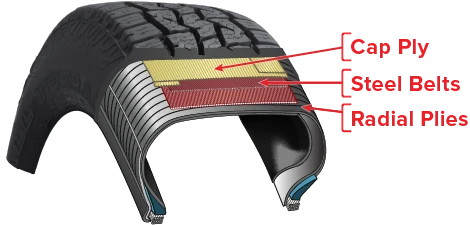
An R tire is a radial tire. The “R” stands for “radial.” Here, the plies run straight across the tire from bead to bead, at a 90-degree angle to the direction of travel. Steel or fabric belts are then added under the tread. This structure is newer and found in most passenger car, light truck, and many trailer tires today.
Key Differences Between D And R Tires
Understanding the differences between bias-ply (D) and radial (R) tires can help you pick the right one for your vehicle or trailer. Here’s a clear look at how they compare:
| Feature | D (Bias-ply) Tires | R (Radial) Tires |
|---|---|---|
| Construction | Plies run at angles (30-45°) in crisscross layers | Plies run perpendicular (90°) from bead to bead |
| Sidewall strength | Stiffer | More flexible |
| Tread flexibility | Less flexible | More flexible |
| Heat buildup | Higher | Lower |
| Ride comfort | Rougher | Smoother |
| Durability (on rough surfaces) | Better | Can be damaged more easily |
| Load capacity | Often higher for same size | Usually lower for same size |
| Cost | Usually cheaper | Usually more expensive |
Credit: dandrcarcare.com
Where You’ll Find D And R Tires
The type of tire construction you need depends on your vehicle and how you use it. Here’s where each type is most common:
D (bias-ply) Tires
- Utility and boat trailers
- Older tractors and farm equipment
- Some heavy-duty trucks
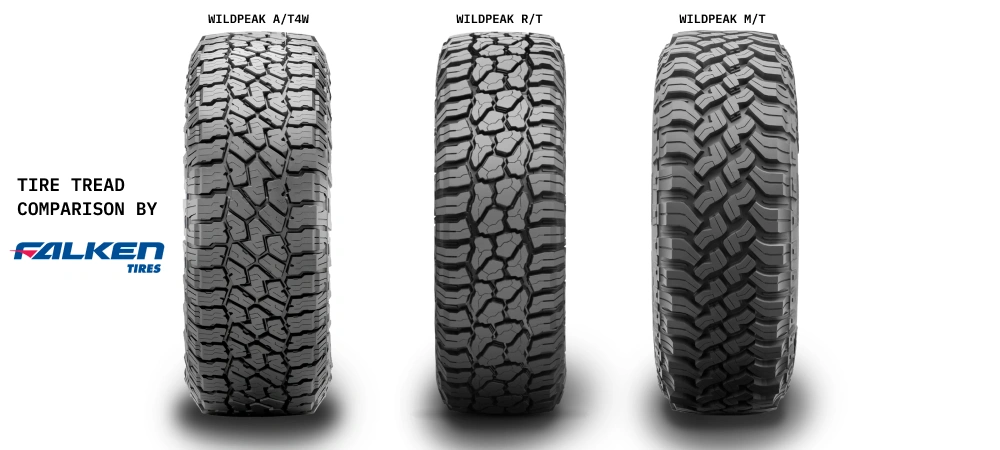
- Off-road vehicles
Bias-ply tires are chosen for their strong sidewalls and ability to carry heavy loads. They’re also better for equipment that doesn’t travel fast or for vehicles that need to handle very rough or uneven surfaces.
R (radial) Tires
- Passenger cars and SUVs
- Light trucks
- Modern trailers
- Buses
- Many commercial vehicles
Radial tires are best when you want a smooth ride, better fuel efficiency, and longer tread life. They handle heat better and are safer for highway speeds.
Pros And Cons Of D Tires
Bias-ply tires have their own set of strengths and weaknesses. Knowing these can help you decide if they’re the right choice.
Pros
- Durable Sidewalls: The crisscross plies make the sidewalls tough. This is helpful for trailers or vehicles that may bump into curbs or rocks.
- High Load Capacity: For the same size, D tires can often carry more weight than R tires.
- Lower Cost: Usually, bias-ply tires cost less to buy.
- Good for Low-Speed Work: They perform well at slow speeds, especially on farms or construction sites.
Cons
- Rough Ride: The stiff sidewalls mean you feel more bumps and vibrations.
- More Heat: D tires get hotter, especially at higher speeds. This can shorten their life and lead to blowouts.
- Shorter Tread Life: The tread wears out faster, especially if you drive on highways a lot.
- Less Grip: They don’t handle as well in wet conditions or sharp turns.
Pros And Cons Of R Tires
Radial tires are the top choice for most modern vehicles, but they’re not perfect for every situation.
Pros
- Smooth and Comfortable Ride: The flexible sidewalls absorb bumps better.
- Longer Tread Life: Radial tires last longer, especially if you drive on highways.
- Better Fuel Economy: Less rolling resistance means your engine works less and uses less fuel.
- Cooler Running: They handle heat well, so there’s less risk of blowouts at high speeds.
- Improved Traction: Radial tires grip the road better, especially in wet or slippery conditions.
Cons
- Higher Cost: R tires often cost more upfront.
- Sidewall Damage: The flexible sidewalls can be damaged more easily by sharp objects.
- Lower Load Capacity: For the same size, R tires may carry less weight than D tires.
- Not Ideal for Rough, Low-Speed Work: They can be less durable if you use them on rocky, uneven terrain at slow speeds.
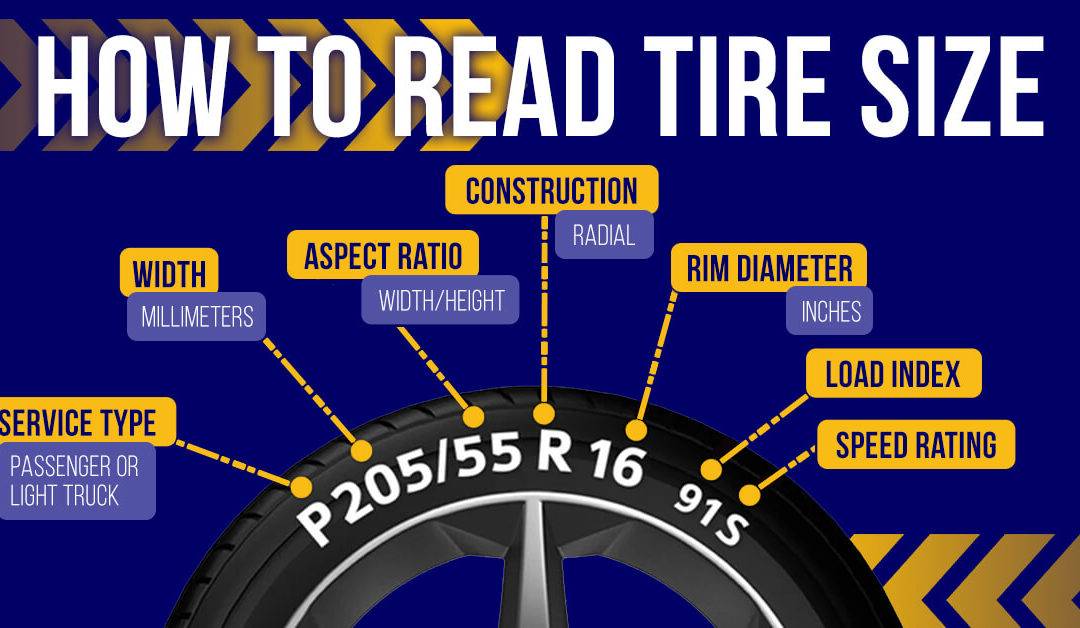
How To Read Tire Codes: D Vs R
When you look at a tire, you’ll see a code like “ST205/75D15” or “ST205/75R15.” Here’s what each part means:
- ST: Special Trailer (designed for trailers)
- 205: Tire width in millimeters
- 75: Aspect ratio (sidewall height as a percentage of width)
- D or R: Tire construction (D = Bias-ply, R = Radial)
- 15: Rim diameter in inches
So, a tire labeled “ST205/75D15” is a bias-ply tire for a 15-inch rim. “ST205/75R15” is a radial tire for a 15-inch rim. This small letter makes a big difference in performance.
Credit: www.lesschwab.com
Real-world Performance: D Vs R Tires
Choosing between D and R tires is more than just picking a letter. Here’s how they perform in real situations.
On Trailers
For short trips, local hauling, or trailers that aren’t used often, D (bias-ply) tires can be a good, budget-friendly choice. Their tough sidewalls can handle bumps and curbs, making them popular for boat trailers or utility trailers parked outdoors.
If you tow on highways, travel long distances, or haul at higher speeds, R (radial) tires are usually better. They run cooler, reduce the risk of blowouts, and last longer. Many trailer experts now recommend radial tires for most uses.
On Passenger Vehicles
Almost all modern cars and trucks use radial (R) tires. They provide comfort, safety, and efficiency. Bias-ply tires are rarely used on passenger vehicles today except for classic car restorations or special off-road needs.
On Farm And Construction Equipment
Bias-ply tires (D) still have a place on tractors, trailers, and machinery that operate slowly on rough ground. Their rugged build stands up to cuts and impacts better than most radial tires.
Common Mistakes When Choosing D Or R Tires
Picking the wrong tire construction can lead to problems. Here are mistakes to avoid:
- Ignoring the Tire Label: Many buyers don’t check for the D or R in the code. Always check.
- Mixing Tire Types on the Same Axle: Never use D and R tires together on the same axle. It can cause unstable handling and uneven wear.
- Choosing by Price Alone: Cheaper D tires may cost more in the long run if they wear out faster or cause blowouts on long trips.
- Not Considering Your Usage: Think about where and how you’ll use the tires. For long highway use, radials are usually better.
- Overloading Tires: Don’t assume all tires of the same size can carry the same weight. Check the load rating.
How To Choose: D Or R Tires For Your Needs
The right choice depends on your vehicle, how you drive, and what you haul. Here are some practical tips:
- For Trailers Used on Highways: Go for R (radial) tires. They handle heat better, last longer, and give a smoother ride.
- For Trailers Used Off-Road or Occasionally: Bias-ply (D tires) can save you money and stand up to rough ground.
- For Passenger Cars and Light Trucks: Always choose R (radial) tires unless you have a special need.
- For Heavy Loads and Rough Work: Bias-ply (D tires) may be best for farm, industrial, or off-road equipment.
- For Mixed Use: If you switch between highway and rough terrain, consider which condition matters more for your safety and budget.
Cost Comparison: D Vs R Tires
Price is always a factor. Let’s look at a real-world price comparison for popular trailer tire sizes.
| Tire Size | Bias-ply (D) Price Range | Radial (R) Price Range |
|---|---|---|
| ST205/75-15 | $55 – $75 | $65 – $95 |
| ST225/75-15 | $65 – $85 | $80 – $120 |
| ST175/80-13 | $40 – $60 | $50 – $75 |
While bias-ply tires are usually cheaper, radial tires last longer and may be more cost-effective over time, especially for frequent or long-distance towing.
Tire Maintenance Tips For D And R Tires
No matter which type you choose, proper care is essential for safety and long life. Here are some key tips:
- Check Tire Pressure Often: Under-inflated tires (D or R) build up heat and can fail.
- Rotate Tires Regularly: This prevents uneven wear, especially on trailers with tandem axles.
- Inspect for Damage: Look for cuts, cracks, or bulges, especially in bias-ply tires used off-road.
- Avoid Overloading: Never exceed the tire’s load rating.
- Store Tires Properly: Keep them out of direct sunlight and off wet ground if possible.
A non-obvious tip: Trailer tires age even if they’re not used much. Replace them every 5-7 years, even if the tread looks good. The rubber can dry out and crack, leading to dangerous blowouts.
Real-world Example: Trailer Owner Experience
Consider a trailer owner who uses their utility trailer for both highway trips and off-road hauling. They started with D (bias-ply) tires and found them tough on gravel and in the yard. However, after several highway trips, they noticed the tires heated up and wore out quickly.
Switching to R (radial) tires made highway towing smoother and safer. The radials lasted longer and improved fuel economy, but were more vulnerable to damage from rocks when used off-road. This experience shows there’s no perfect tire for every situation—match your tire to your main use.
D Vs R Tires: Myths And Misunderstandings
Many drivers believe myths about tire construction. Let’s clear up a few common ones:
- Myth: D tires are always better for heavy loads.
*Reality: R tires can carry heavy loads too, as long as you choose the right load rating.*
- Myth: Radial tires can’t handle off-road use.
*Reality: Some radial tires are built for off-road, but bias-ply often lasts longer in tough conditions.*
- Myth: You can mix D and R tires on the same trailer.
*Reality: This is unsafe and causes handling problems.*
- Myth: All trailer tires are the same.
*Reality: Construction, quality, and load ratings vary widely.*
Environmental Impact: D Vs R Tires
Radial tires are usually better for the environment because they last longer and improve fuel economy. Less rolling resistance means your car or truck uses less fuel and creates less pollution. Also, fewer tire changes mean less waste.
Bias-ply tires, while tougher in some situations, usually wear out faster and don’t offer the same fuel savings. If you want to reduce your environmental impact, R tires are usually the smarter choice.
How To Switch From D To R Tires (or Vice Versa)
If you want to switch from D (bias-ply) to R (radial) tires on your trailer or vehicle, here’s what to do:
- Check Wheel Compatibility: Most wheels fit both types, but always confirm with the manufacturer.
- Replace All Tires on the Same Axle: Never mix D and R tires together on one axle.
- Adjust Tire Pressure: Radials and bias-ply tires may need different pressures. Follow the tire’s sidewall instructions.
- Update Your Spare: Make sure your spare matches your main tires.
- Test Handling: New tires can feel different. Practice towing or driving before a long trip.
A non-obvious insight: Radial tires may require slightly more space between tires on tandem axle trailers due to their bulging sidewalls. Double-check your trailer’s clearance.
Innovations And Future Trends
Tire technology keeps improving. Some new tires now combine the strengths of both types, with hybrid constructions that use advanced materials. These tires aim to offer both the strength of bias-ply and the comfort of radial.
Manufacturers are also working on eco-friendly tires that reduce rolling resistance even more, helping drivers save fuel and protect the environment. In the future, you may see new codes or labels as technology advances.
For more technical details, you can visit the official Tire Rack Tire Tech guide.
Credit: www.trailsoffroad.com
Frequently Asked Questions
What Does The “d” Or “r” Mean In A Tire Size?
The “D” means the tire is bias-ply (diagonal construction), and the “R” means the tire is radial (radial-ply construction). The letter tells you how the tire’s layers are built, which affects performance and durability.
Can I Mix D And R Tires On My Trailer Or Vehicle?
No, you should never mix D and R tires on the same axle. Doing so can cause unstable handling, uneven wear, and safety risks. Always use the same construction type on each axle.
Which Lasts Longer, D Or R Tires?
Radial (R) tires almost always last longer than bias-ply (D) tires, especially for highway use. Their flexible design reduces heat and tread wear, which means more miles.
Are D Tires Cheaper Than R Tires?
Usually, yes. D (bias-ply) tires cost less upfront. However, R (radial) tires may be a better value over time because they last longer and use less fuel.
Which Type Is Better For Trailers Used Only Off-road?
For trailers used mainly off-road, especially at low speeds, D (bias-ply) tires are often better. They have tougher sidewalls and handle rough terrain well.
Final Thoughts
Choosing between D and R tires isn’t just about price or tradition—it’s about safety, performance, and how you use your vehicle or trailer. Radial tires are the best choice for most modern cars, trucks, and highway trailers. They ride smoother, last longer, and save fuel. Bias-ply tires still have a place in heavy-duty, off-road, or specialty uses where sidewall strength matters more than comfort.
Take time to check your tire codes, think about your driving needs, and don’t be afraid to ask for advice. The right tire makes every mile safer and more enjoyable. Whether you choose D or R, maintaining your tires well is just as important as the type you buy. Safe travels!