When people shop for new tires, two names often come up: Sailun Tires and Michelin. Both have a strong presence worldwide, but they target different types of customers. If you are trying to decide between these two brands, the choice can feel overwhelming. Tire safety, cost, performance, and durability all matter—sometimes more than people realize until something goes wrong on the road. This article gives you a complete, clear comparison, so you can make a confident decision for your car and your driving style.
Many drivers ask if it’s worth paying extra for a premium brand like Michelin, or if a value-oriented company such as Sailun can deliver similar quality. The answer is not simple. Each brand has its own strengths and weaknesses, and the “best” option depends on what you need most from your tires.
Let’s break down the differences, from company history to real-world performance, so you know exactly what you’re getting before you buy.
Brand Background And Reputation
It’s important to understand where these companies come from and how they are viewed in the industry. This gives you context for their products and what to expect.
Sailun Tires
Sailun Tires began in 2002 in China. The company has grown quickly and now sells tires in over 150 countries. Sailun focuses on affordable, reliable tires for everyday drivers. They use modern technology and invest in research, but their main goal is to offer good value for money. Sailun is often seen as a budget-friendly brand, but with a growing reputation for quality.
What makes Sailun stand out is its connection to Mesnac, a leading tire manufacturing technology company. This link gives Sailun access to advanced production methods, even though their tires are less expensive than many competitors.
Michelin
Michelin is a French company with a history going back to 1889. It is one of the oldest and most respected tire brands in the world. Michelin is known for innovation—many of their designs have set industry standards, such as the first radial tire. Michelin invests heavily in research and has won many awards for safety and performance.
Michelin’s reputation is built on quality, durability, and advanced engineering. The brand is trusted by car manufacturers, racing teams, and millions of drivers worldwide.
Brand Image
- Sailun: Value, affordability, steady growth, modern technology.
- Michelin: Premium quality, long history, innovation, high safety.
Tire Range And Availability
One key difference is the variety and specialization each brand offers.
Sailun’s Product Range
Sailun offers tires for:
- Passenger cars (all-season, summer, winter)
- SUVs and crossovers
- Light trucks
- Commercial vehicles
Their most popular lines are the Atrezzo series (for cars), Terramax (for SUVs/trucks), and Ice Blazer (winter tires). Sailun focuses on the most common sizes, so you’ll find options for most regular cars but fewer choices for high-performance or luxury vehicles.
Michelin’s Product Range
Michelin has a much wider selection. They make tires for almost every type of vehicle:
- Regular cars, SUVs, and trucks
- Sports cars and supercars
- Heavy commercial vehicles
- Motorcycles, bicycles, even airplanes
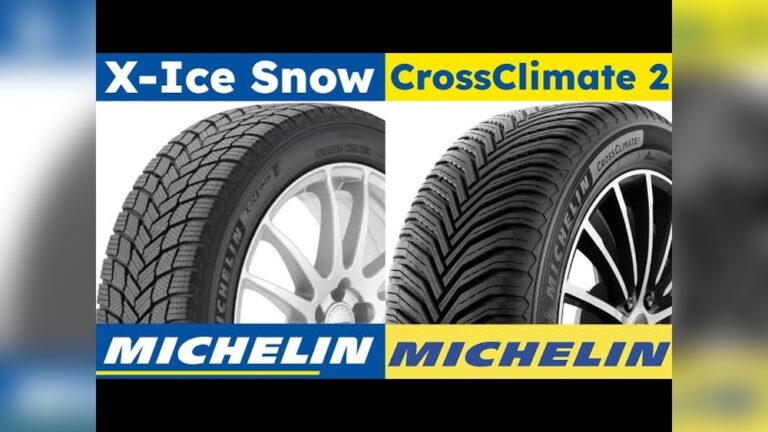
Some of Michelin’s famous lines include Pilot Sport (performance), Primacy (touring), Defender (long life), and X-Ice (winter). Michelin also leads in special technologies, like run-flat tires and “green” fuel-saving designs.
Availability
Michelin tires are available in nearly every country, often at major dealerships and tire shops. Sailun is also widely available, but sometimes only at independent retailers or online stores, especially in North America and Europe.
Price Comparison
Price is often the first thing drivers compare. Here’s what you need to know.
Sailun Pricing
Sailun’s main advantage is cost. Their tires usually cost 30-50% less than Michelin. For example, a typical all-season Sailun tire for a compact car might cost $60–$80 per tire. A Michelin of the same size could be $110–$150. This can add up to big savings, especially if you buy all four tires.
Michelin Pricing
Michelin is a premium brand, so you pay more for their advanced materials and research. Their tires are usually among the most expensive in any tire shop. However, Michelin often argues that you get more miles and better performance for the extra money.
Real-world Example
Let’s compare the cost of a common tire size (205/55R16), popular for many sedans.
| Brand | Model | Approximate Price (USD) | Treadwear Warranty (Miles) |
|---|---|---|---|
| Sailun | Atrezzo Z4+ AS | $70 | 50,000 |
| Michelin | Primacy MXM4 | $140 | 55,000 |
Sailun is about half the price, but Michelin sometimes offers a longer warranty.
Performance On The Road
It’s not enough to know the price. How tires perform in real driving is most important. Let’s look at the key areas.
Dry Road Performance
- Michelin tires are known for strong grip, precise steering, and stable handling on dry roads. Their performance tires, like the Pilot Sport series, are favorites for sports cars and drivers who like spirited driving.
- Sailun tires provide safe, predictable performance for normal driving. Most owners find them good for daily commutes or city driving. However, at higher speeds or sharp turns, Sailun may not feel as secure as Michelin.
Wet And Rainy Conditions
Tires must grip well in the rain to prevent skidding.
- Michelin invests in advanced rubber compounds and tread designs that channel water away. Models like the Defender and Primacy offer excellent wet traction, often scoring high in independent tests.
- Sailun has improved its wet performance in recent years. Their tires generally do well in everyday rain, but in heavy storms or sudden stops, they may not match Michelin’s best models.
Winter And Snow
For drivers in cold or snowy areas, winter performance is critical.
- Michelin’s X-Ice and Alpin winter tires are top-rated for snow and ice. They use special rubber that stays flexible in the cold, and advanced sipes for grip.
- Sailun offers the Ice Blazer line, which performs well for the price. Sailun’s winter tires get good reviews in light to moderate snow, but they may not be as dependable in deep snow or on ice.
Ride Comfort And Noise
- Michelin tires are often praised for their quiet ride and smoothness. Touring lines like Primacy and Defender use technology to reduce road noise.
- Sailun tires are comfortable for most drivers, but may be a bit noisier, especially as they wear down.
Longevity And Tread Life
How Long Will Your Tires Last Before Needing Replacement?
- Michelin uses advanced rubber blends and careful design to extend tread life. Many models come with warranties of 60,000–80,000 miles, and real-world users often get close to these numbers.
- Sailun offers shorter treadwear warranties, usually 40,000–50,000 miles. Many drivers report getting slightly less than the warranty, especially if they drive aggressively or do not rotate their tires regularly.
Fuel Efficiency
Rolling resistance affects how much fuel your car uses.
- Michelin leads in low rolling resistance. Their “Energy Saver” models are designed to help cars use less gas.
- Sailun also offers fuel-efficient designs, but the effect is less dramatic than with Michelin.
Safety And Braking
Safety is more than marketing—it shows in independent tests.
Braking Distances
In tests, Michelin tires often stop several feet shorter than budget brands, especially in wet or emergency situations. This can be the difference between a close call and an accident.
Sailun tires meet basic safety standards, but their braking performance is usually average. For most daily driving, this is fine. However, in high-speed or dangerous situations, Michelin has a clear edge.
Hydroplaning Resistance
Hydroplaning happens when tires lose contact with the road in deep water.
- Michelin’s special tread designs move water away quickly, reducing the risk.
- Sailun performs well for the price, but may hydroplane sooner than premium brands in heavy rain.
Warranty And After-sales Service
You want to know what happens if something goes wrong.
Sailun Warranty
Sailun offers competitive warranties for a value brand:
- Treadwear warranty (usually 40,000–50,000 miles)
- Road hazard protection on some models
- Free replacement within a certain period for defects
Service depends on the retailer. In some countries, support can be slower or less consistent.
Michelin Warranty
Michelin offers some of the strongest warranties in the industry:
- Treadwear warranty (up to 80,000 miles on some models)
- 30-day satisfaction guarantee
- Free flat repair for the first year (in certain regions)
- Roadside assistance for some tires
Michelin’s service network is wide and generally praised for fast, professional help.
Tire Technology And Innovation
Let’s look at what goes into making these tires.
Michelin’s Innovations
Michelin invests heavily in new technology:
- EverGrip technology: Tread design that reveals new grooves as the tire wears, keeping grip strong.
- Silica-based compounds: Improve wet grip and reduce rolling resistance.
- Self-sealing tires: Some models seal minor punctures automatically.
- Run-flat technology: Allows driving for a short distance with a flat tire.
Michelin also leads in eco-friendly tire research.
Sailun’s Technology
Sailun uses modern equipment and partners with technology leaders, but focuses on proven designs. They have improved their rubber compounds and tread patterns over the years. However, they do not offer as many “cutting-edge” features as Michelin.
Real-world Reviews And Owner Feedback
Hearing from real drivers can be more helpful than just lab tests.
Sailun Owner Experiences
Most Sailun buyers are satisfied, especially with the price. Many say the tires are good for normal city or highway driving. Complaints are usually about treadwear (not lasting as long as hoped) or performance in extreme weather.
Michelin Owner Experiences
Michelin owners often mention the tires’ quiet ride, strong grip, and long life. Even people who switch from cheaper brands say they notice a difference, especially in how their car handles and stops in rain.
What Beginners Often Miss
- Importance of Tread Depth: Many new drivers do not check tire tread regularly. Even the best tires lose grip as the tread wears down. Both Sailun and Michelin must be replaced when the tread is too low, no matter the brand.
- Tire Pressure Checks: Under-inflated tires (from either brand) can wear out early and be dangerous. Keeping your tires at the right pressure matters more than just the brand.

Credit: www.tyrepress.com
Value For Money
How do these brands compare when you look at the whole picture?
Sailun: Best For Budget
If you want to spend less, and you drive mostly in the city or at moderate speeds, Sailun is a smart choice. You get reliable performance for the money. Sailun is especially good for older cars, daily commuters, or if you plan to sell your car soon.
Michelin: Best For Long-term And Demanding Use
If you want the best safety, performance, and long tire life, Michelin is worth the higher price. You will likely get more miles, better comfort, and top-level safety. Michelin is a wise investment for new cars, families, or if you drive in tough weather.
Example: Cost Over Tire Life
Let’s compare real cost over time. Imagine you drive 12,000 miles per year.
| Brand | Model | Upfront Cost (4 Tires) | Expected Life (Miles) | Cost per 10,000 Miles |
|---|---|---|---|---|
| Sailun | Atrezzo Z4+ AS | $280 | 40,000 | $70 |
| Michelin | Primacy MXM4 | $560 | 60,000 | $93 |
Sailun is cheaper per mile, but Michelin gives more miles and better performance.
Environmental Impact
Today, many drivers want to know about the green side of tires.
- Michelin has invested in making tires that use less fuel, last longer, and are easier to recycle. They have won awards for their environmental efforts.
- Sailun also works on eco-friendly production, but their focus is mainly on affordable tires.

Credit: www.discountedwheelwarehouse.com
Common Mistakes When Choosing
Many buyers make these errors:
- Choosing only by price: The cheapest tire is not always the best if you drive in tough conditions.
- Ignoring tire ratings: Always check ratings for traction, temperature, and treadwear.
- Not considering local climate: A good summer tire is not safe in snow, and vice versa.
- Skipping regular rotation: Not rotating your tires reduces their lifespan, no matter the brand.
- Buying the wrong size: Always follow your car maker’s recommended tire size.
Which Should You Choose?
- Choose Sailun if you need reliable, affordable tires for everyday use, and you don’t drive aggressively or in extreme weather.
- Choose Michelin if you want the highest level of safety, comfort, long life, and you drive in varied conditions.
Final Thoughts
Sailun Tires and Michelin serve different types of drivers. Sailun gives you solid value and modern manufacturing at a lower price, making it a good fit for budget-focused buyers. Michelin, with its long history and top technology, is the choice for drivers who want the very best in safety, performance, and lifespan.
Your own needs, driving habits, and budget should guide your choice. Both brands are trusted by millions, but understanding the real differences helps you make a decision you’ll be happy with for thousands of miles.
For more technical background on tire design and safety, you might also explore the Wikipedia Tire page.
Frequently Asked Questions
Is Sailun A Good Tire Brand For Everyday Use?
Yes, Sailun is a good choice for everyday city or highway driving. Their tires are safe, reliable, and cost less than most competitors. However, if you drive in extreme weather or want top performance, a premium brand like Michelin may be better.
Why Are Michelin Tires More Expensive?
Michelin invests in advanced research, uses high-quality materials, and offers longer treadwear warranties. Their tires often last longer and perform better in tests, especially for braking and wet grip. This higher quality and technology comes with a higher price.
How Long Do Sailun And Michelin Tires Last?
Sailun tires usually last 40,000 to 50,000 miles, depending on driving style and maintenance. Michelin tires can last 60,000 to 80,000 miles, with some models going even further if properly cared for.
Are Sailun Tires Safe In Winter?
Sailun’s Ice Blazer winter tires are safe for light to moderate snow and cold conditions. For harsh winter weather or icy roads, Michelin’s X-Ice or Alpin tires offer better performance and grip.
Can I Mix Sailun And Michelin Tires On My Car?
It’s not recommended. Mixing tire brands (especially with different tread patterns or types) can affect handling and safety. For best results, use the same brand and model on all four wheels, or at least keep pairs matched on each axle.
Credit: simpletire.com