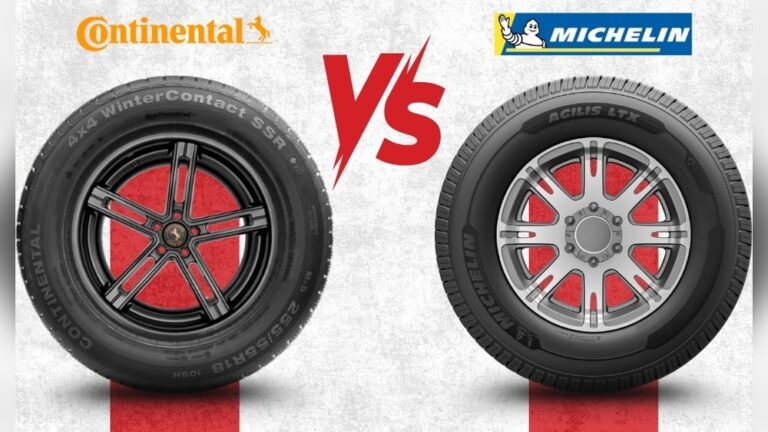
Goodyear Tires Vs Michelin Tires: The Ultimate Comparison For Drivers
Choosing the right tires is not just about rubber and tread patterns—it’s about safety, comfort, and value for your money. The debate between Goodyear tires and Michelin tires is a classic one. Both brands have a long history, a global presence, and a reputation for quality. But which one really stands out for your needs? Whether you’re a daily commuter, a long-distance traveler, or someone who loves a sporty drive, your tires matter. Let’s explore the real differences, strengths, and weaknesses, so you can make a confident decision.
Brand Histories And Reputations
Understanding the background of these two giants helps you appreciate what makes each unique.
Goodyear: An American Icon
Goodyear was founded in 1898 in Akron, Ohio. Over the years, it’s become a symbol of American innovation in the tire industry. From producing the first detachable tire to being a key supplier for NASCAR and commercial airlines, Goodyear has a strong legacy. The brand is known for durability and a wide range of products for different vehicles.
Michelin: French Precision And Innovation
Michelin, based in Clermont-Ferrand, France, began its journey in 1889. The company changed the tire world with inventions like the removable pneumatic tire and the radial tire. Their focus is on safety, fuel efficiency, and constant innovation. Michelin is also famous for the Michelin Guide, but in the tire world, they are respected for their high-quality materials and advanced technology.
Global Recognition And Awards
Both brands have won many awards. For example, Michelin often scores high in J.D. Power customer satisfaction surveys. Goodyear is recognized for its achievements in motorsports and commercial fleets. The reputation of both is built on real-world performance and customer trust.
Product Ranges: What Does Each Brand Offer?
To compare Goodyear and Michelin, it helps to see what types of tires they offer.
Goodyear’s Range
- Assurance: Popular for all-season comfort and reliability.
- Eagle: Designed for sporty driving and high performance.
- Wrangler: Built for trucks and off-road adventures.
- Ultra Grip: Specialized for winter driving conditions.
- EfficientGrip: Focused on fuel saving and eco-friendliness.
Michelin’s Range
- Pilot: Known for high performance and sporty handling.
- Primacy: Great for touring and luxury vehicles.
- Defender: Built for long tread life and everyday use.
- Latitude: Designed for SUVs and crossovers.
- X-Ice: Specialized for extreme winter conditions.
You might notice that both brands cover similar categories, but their approach and technologies differ.
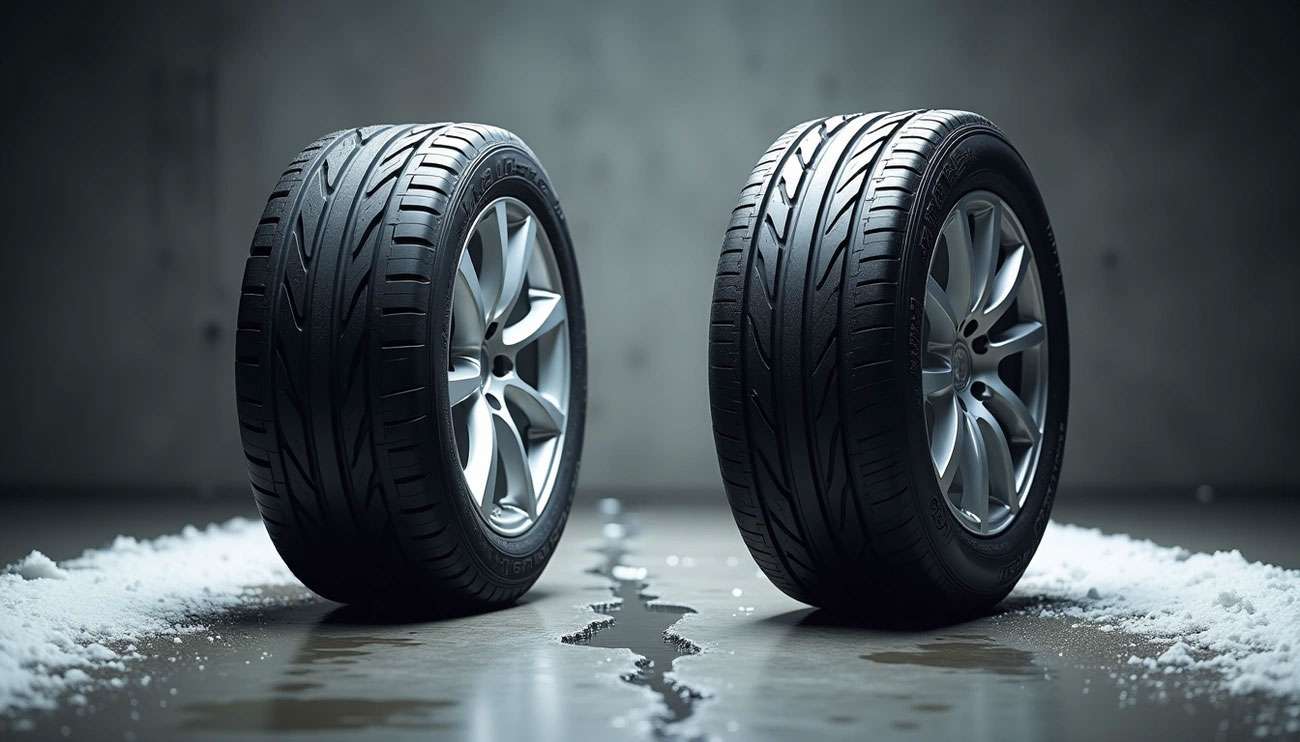
Credit: www.performanceplustire.com
Performance: Which Brand Delivers On The Road?
Let’s break down how Goodyear and Michelin perform in real-world conditions.
Dry Traction
Both brands use advanced rubber compounds for excellent grip on dry roads. However, Michelin often gets a slight edge in independent tests. The Michelin Pilot Sport 4S, for example, is praised for its precise handling and braking.
Wet Traction
Safety on wet roads is critical. Goodyear’s Assurance WeatherReady and Michelin’s Primacy 4 both use silica-based compounds. Michelin’s tread designs often clear water more efficiently, reducing hydroplaning risk. In some tests, Michelin tires can stop up to 8% shorter on wet surfaces.
Winter And Snow Performance
For winter, Goodyear’s Ultra Grip Ice and Michelin’s X-Ice Xi3 are top choices. Michelin’s X-Ice series is known for flexibility in extreme cold, while Goodyear’s Ultra Grip offers strong traction and braking. Both brands hold their own, but Michelin is often praised for quieter rides in winter conditions.
Off-road And All-terrain
If you drive a truck or SUV, Goodyear’s Wrangler All-Terrain Adventure and Michelin’s LTX A/T2 are direct competitors. Goodyear is often favored for rugged terrains, but Michelin provides a smoother, quieter ride on mixed surfaces.
Longevity And Tread Life
Tire life is a major factor for most buyers.
Goodyear: Durable And Reliable
Goodyear tires usually offer a 60,000–85,000-mile treadwear warranty on many models, which is above average. Their focus is on sturdy construction, especially for tough conditions.
Michelin: Leading In Mileage
Michelin is known for long tread life. Some of their tires, like the Defender T+H, come with an 80,000–90,000-mile warranty. Real-world tests show Michelin tires often outlast competitors, sometimes by 10,000 miles or more.
Why Does Michelin Last Longer?
Michelin invests heavily in advanced tread compounds and even wear designs. Their tires are engineered to distribute pressure evenly, which reduces uneven wear and extends life. Goodyear is catching up, but Michelin still leads in this area.
Ride Comfort And Noise
No one wants a noisy or uncomfortable ride.
Comfort Levels
Michelin tires, especially the Primacy and Defender series, are famous for their smooth, quiet ride. They use Comfort Control Technology to reduce road vibrations.
Goodyear’s Assurance ComfortDrive also aims for comfort, with special tread patterns to absorb bumps. However, Michelin often wins in owner surveys for overall comfort.
Noise Levels
While both brands have low-noise options, Michelin’s focus on tire shape and tread block design gives it a small advantage. Goodyear’s recent models are close, but drivers who are sensitive to noise usually prefer Michelin.
Price And Value For Money
Cost is always important, but value is more than just price.
Goodyear: Often More Affordable
On average, Goodyear tires are 10–15% less expensive than Michelin for similar models. This makes them attractive for budget-focused buyers. You get good performance and durability without breaking the bank.
Michelin: Premium Price, Premium Value
Michelin tires are usually at the higher end of the market. You pay more, but you get top-tier materials, advanced technologies, and longer tread life. For drivers who keep cars for many years, Michelin can be the smarter investment.
Real-world Price Comparison
Here’s a look at a typical price difference for a popular size (225/60R17):
| Model | Goodyear | Michelin |
|---|---|---|
| All-Season Touring | $140 | $165 |
| Performance Summer | $185 | $215 |
| Winter | $150 | $178 |
Prices vary by retailer and region, but Michelin is almost always more expensive.
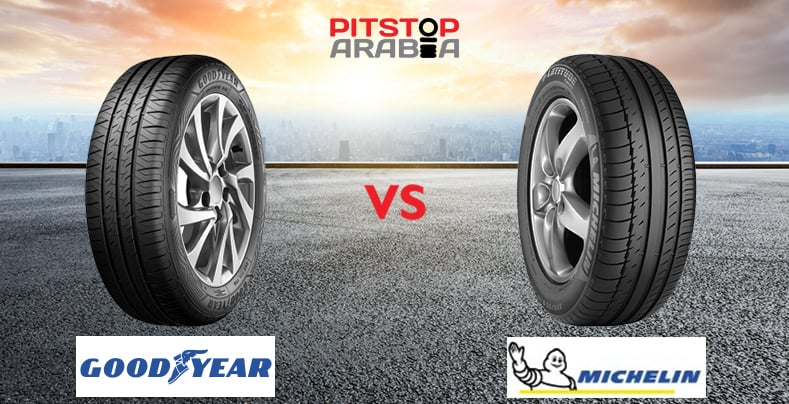
Credit: www.pitstoparabia.com
Safety Ratings And Real-world Results
Safety is the top priority for most drivers.
Independent Test Results
Michelin often leads in braking distance and cornering grip tests, especially on wet roads. For example, in a test by Consumer Reports, the Michelin CrossClimate2 stopped 12 feet shorter than a leading Goodyear all-season tire on wet pavement.
Real-world Accident Data
Research shows that better tires can reduce accident risk by up to 20%. Both Michelin and Goodyear meet high safety standards, but Michelin’s advanced compounds give it a small edge in emergency situations.
Noteworthy Safety Features
- Michelin: Focuses on EverGrip technology for better grip as the tire wears.
- Goodyear: Uses Weather Reactive technology for changing conditions.
Warranty And Customer Support
Good warranty coverage adds peace of mind.
Goodyear’s Warranty
Goodyear offers limited treadwear warranties (up to 85,000 miles) and a 6-year workmanship/defect warranty. They also provide a 30-day satisfaction guarantee—if you’re not happy, you can exchange the tires.
Michelin’s Warranty
Michelin’s warranties are similar, but they also include flat tire assistance and road hazard protection on some models. Their customer service is rated highly, especially in North America and Europe.
Service Network
Both brands have large service networks. Michelin’s global reach is slightly larger, but Goodyear has strong coverage in the USA.
Environmental Impact And Fuel Efficiency
Modern drivers care about sustainability and saving fuel.
Goodyear’s Eco-friendly Efforts
Goodyear has made progress with the EfficientGrip and Assurance Fuel Max lines, which lower rolling resistance and improve fuel economy by up to 4%. They are also testing tires made with soybean oil and recycled materials.
Michelin’s Green Leadership
Michelin is a leader in low rolling resistance technology. Their Energy Saver series can boost fuel economy by 5% or more. Michelin also recycles millions of tires each year and is working toward making 100% of its tires from renewable materials by 2050.
Real Fuel Savings
To show the difference, here’s an estimate for a midsize sedan:
| Tire Model | Fuel Savings Over 40,000 Miles |
|---|---|
| Goodyear Assurance Fuel Max | Up to $120 |
| Michelin Energy Saver A/S | Up to $160 |
| Standard All-Season (Other Brand) | Up to $70 |
Michelin’s eco models can save you more in the long run, especially if you drive a lot.
Technology And Innovation
Both brands invest billions in R&D, but their focus differs.
Goodyear’s Technology
Goodyear is known for run-flat tires, self-sealing tires, and sensors that report air pressure and temperature. Their SoundComfort Technology reduces noise levels in select models.
Michelin’s Innovation
Michelin is famous for the radial tire, but they also lead in 3D sipes for winter grip, and EverGrip for safety as tires wear. Their new Uptis airless tire is in testing and could change the market.
Smart Tire Features
Both brands are exploring smart tires with sensors for fleet management and connected cars.

Credit: www.reddit.com
Motorsports And Extreme Conditions
Racing and heavy-duty use tell us a lot about tire quality.
Goodyear In Motorsports
Goodyear is the official tire of NASCAR and has supplied Formula One in the past. Their racing tires focus on heat resistance and grip at high speeds.
Michelin In Motorsports
Michelin is the top choice in Le Mans, MotoGP, and many endurance races. Their tires are chosen for long-lasting performance and consistent grip during long races.
What This Means For You
Technology from racing often goes into consumer tires. Michelin’s experience with endurance helps make their road tires last longer. Goodyear’s racing roots show in their sporty Eagle line.
Customer Satisfaction And Reviews
Numbers and tests are useful, but real users give important insights.
Goodyear: Consistent Satisfaction
Goodyear tires usually get 4 out of 5 stars on sites like Tire Rack and Discount Tire. Customers praise their reliability and value.
Michelin: Top Ratings
Michelin often scores 4.5 to 5 stars in the same reviews. Drivers mention quiet rides, long life, and peace of mind. Michelin is often the “would buy again” choice.
Common Complaints
- Goodyear: Some users report faster treadwear on budget models or more road noise.
- Michelin: Higher price is the main complaint, but most feel the quality justifies it.
Pros And Cons: Quick Summary
To help you decide, here’s a side-by-side look at the strengths and weaknesses.
| Goodyear | Michelin |
|---|---|
| Lower price for many models | Longer tread life |
| Wide range, including off-road and run-flat | Best-in-class comfort and noise |
| Strong in American markets | Superior wet and winter grip |
| Good warranty and service | Higher initial cost |
| Some tires wear faster | Premium materials and innovation |
What Most Buyers Overlook
Many drivers focus only on price or big claims. Here are two things most people miss:
- Tire Age Matters: Even the best tires lose grip as they age, regardless of tread depth. Always check the manufacture date before buying, especially for discounted models.
- Matching Tires to Driving Style: An expensive, sporty tire may not suit city drivers. Likewise, a long-lasting touring tire may not perform best in emergency stops. Choose based on your real driving needs, not just brand reputation.
Which Brand Is Right For You?
It depends on your priorities:
- Goodyear is a strong choice if you want solid performance at a lower price. They are great for off-road, trucks, and those who change tires frequently.
- Michelin is ideal if you value maximum tread life, quiet comfort, and top safety. It’s the best pick for drivers who keep cars a long time or do a lot of highway travel.
Try to buy from authorized dealers and follow rotation and maintenance schedules. That way, you get the full value from your investment.
Frequently Asked Questions
Is Michelin Always Better Than Goodyear?
No, not always. Michelin often leads in tread life, comfort, and wet grip, but Goodyear offers competitive performance at a lower price in many categories. The best choice depends on your vehicle, driving habits, and budget.
Which Brand Is Better For Winter Driving?
Both have excellent winter tires. Michelin’s X-Ice series is famous for grip and quietness on snow and ice, while Goodyear’s Ultra Grip line is strong on performance and value. Michelin is often preferred for extreme cold, but Goodyear is a solid option in milder winters.
Are Goodyear Tires More Affordable Than Michelin?
Yes, on average, Goodyear tires are 10–15% less expensive than comparable Michelin models. However, Michelin’s longer tread life and better fuel savings can make them less expensive over time.
How Do I Know Which Tire Is Best For My Car?
Check your vehicle manual for recommended sizes and types. Consider your climate, road conditions, and driving style. If you drive mostly in cities, comfort and noise matter more. For highways or tough terrain, focus on durability and wet grip. Consult a trusted dealer for advice.
Where Can I Find More Detailed Test Results?
You can find independent test results and tire reviews on sites like Consumer Reports, Tire Rack, and the manufacturers’ official websites. These sources provide side-by-side comparisons with real data.
Both Goodyear and Michelin make high-quality tires. Your choice should fit your driving needs, budget, and expectations. Investing in the right tires means safer trips, better comfort, and peace of mind every time you hit the road.