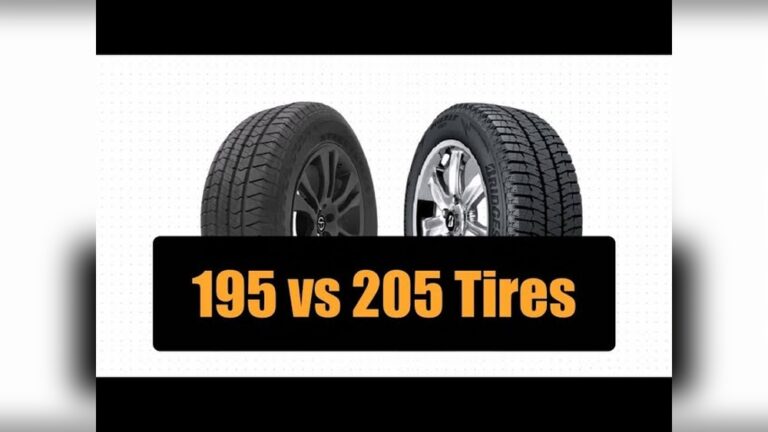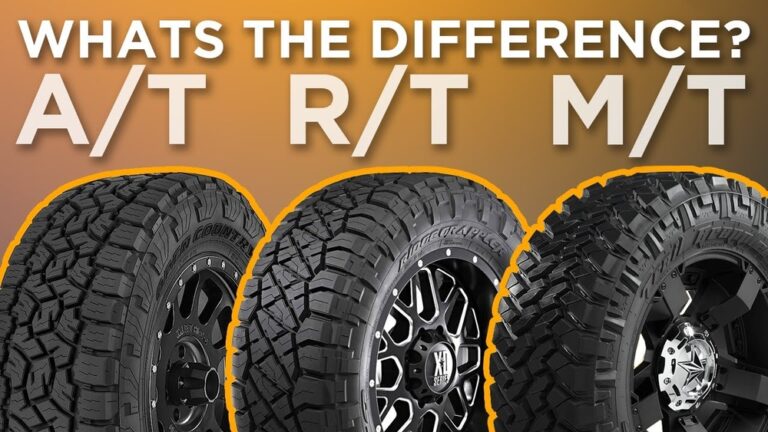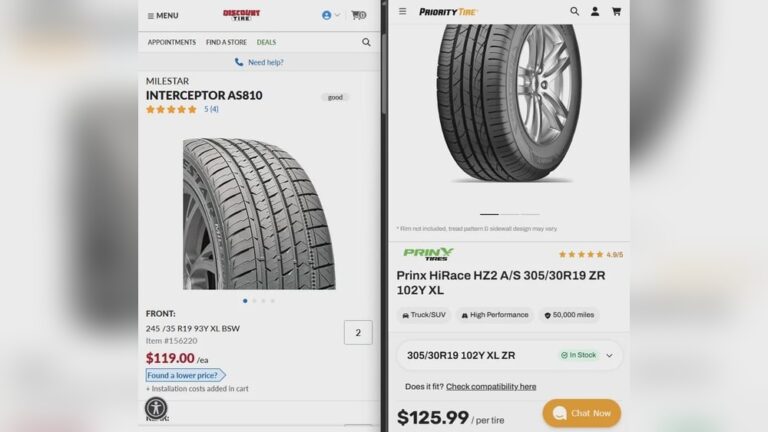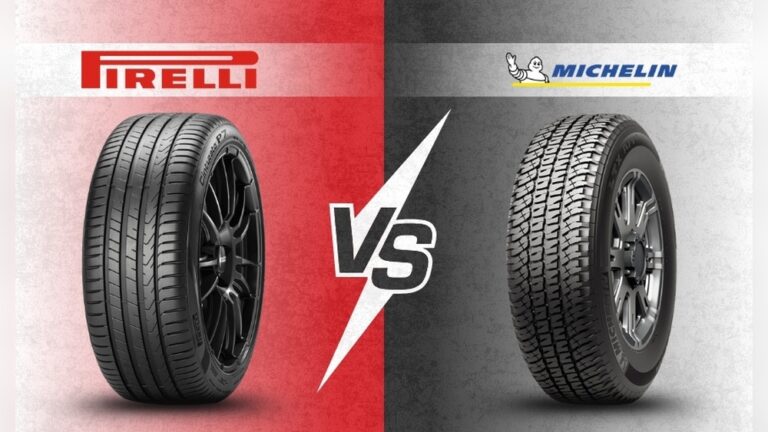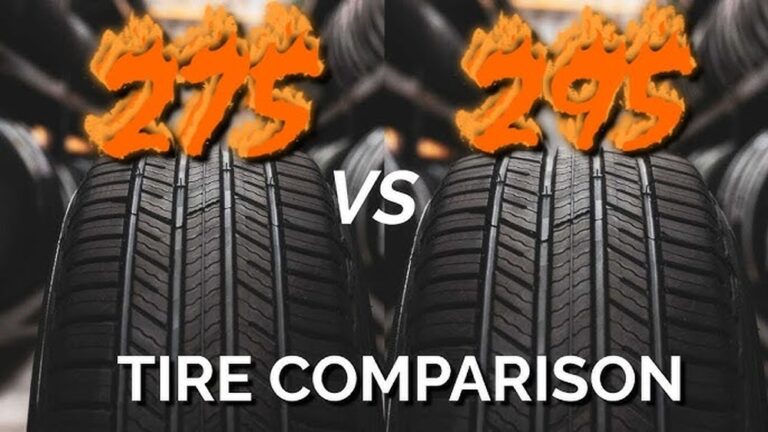
When it comes to choosing the right tire size for your vehicle, the difference between a 315 tire and a 305 tire may seem small at first glance. But in the world of cars, trucks, and SUVs, even a 10-millimeter change in width can affect your driving experience, safety, and style. Whether you are a performance driver, an off-road enthusiast, or someone looking for the perfect fit for your daily ride, understanding these tire sizes is essential. Let’s explore what sets 315 and 305 tires apart, how each performs in real life, and why your choice truly matters.
Understanding Tire Size Numbers
Before diving into the differences, let’s decode what these numbers mean. When you see 305/70R17 or 315/70R17, the first number is the tire width in millimeters. The second number, called the aspect ratio, is a percentage that tells you the sidewall height compared to the width. The “R” stands for radial construction, and the last number is the wheel diameter in inches.
So, a 305 tire is about 305 millimeters wide, and a 315 tire is about 315 millimeters wide. While 10 millimeters may sound minor, the impact can be significant, especially for specific vehicles and driving styles.
Why Tire Width Matters
A wider tire, like a 315, means more surface area touching the road. This can improve grip, handling, and overall stability. On the other hand, a narrower tire like a 305 may offer better fuel efficiency, lighter steering, and sometimes better performance in snow or rain.
But width is not the only factor. The tire’s sidewall height, construction, and rubber compound also play major roles. Still, for many drivers, the width is the most visible and often the most debated difference.
Key Differences Between 315 And 305 Tires
Let’s break down the main differences that drivers will notice:
- Width: The 315 tire is 10mm wider than the 305.
- Weight: Wider tires usually weigh more, which can affect acceleration and fuel economy.
- Appearance: 315 tires give vehicles a more aggressive, “bulked up” look.
- Contact Patch: The wider 315 tire has a larger contact patch, which can boost traction.
- Cost: 315 tires may be slightly more expensive due to their size.
Here’s a quick look at how these differences stack up:
| Feature | 305 Tire | 315 Tire |
|---|---|---|
| Width (mm) | 305 | 315 |
| Weight | Lighter | Heavier |
| Contact Patch | Smaller | Larger |
| Price | Usually lower | Usually higher |
| Looks | Sleek | Aggressive |
305 Tires: Features, Pros, And Cons
Features Of 305 Tires
A 305 tire is a popular choice for trucks, SUVs, and even some high-performance cars. It balances width and weight, providing a good blend of performance and everyday usability.
Pros Of 305 Tires
- Fuel Efficiency: Slightly better due to lighter weight and less rolling resistance.
- Handling: Often offers more predictable steering, especially in wet or snowy conditions.
- Fitment: Easier to fit on standard wheels and under stock fenders.
- Price: Typically costs less than a 315 tire.
- Availability: More common, especially for OEM replacements.
Cons Of 305 Tires
- Traction: Slightly less grip compared to a wider tire.
- Appearance: May look less aggressive on large vehicles.
- Load Capacity: Slightly lower than a 315 tire.
- Cornering: Less lateral stability at high speeds.
- Upgrades: Not always preferred for off-road or performance upgrades.
315 Tires: Features, Pros, And Cons
Features Of 315 Tires
315 tires are favored by off-roaders, muscle car fans, and anyone wanting the ultimate in traction and looks. The extra width means more rubber meets the road, which is a big advantage in many driving situations.
Pros Of 315 Tires
- Traction: Greater grip, especially when accelerating or cornering hard.
- Appearance: Fills out the wheel well for a muscular, aggressive look.
- Load Capacity: Can handle slightly heavier loads.
- Off-Roading: Better for sand, mud, and rocks due to larger contact patch.
- Stability: Enhanced stability during high-speed driving or towing.
Cons Of 315 Tires
- Fuel Economy: Can decrease due to added weight and rolling resistance.
- Fitment: May require modifications, such as wheel spacers or lifted suspensions.
- Steering Feel: Heavier steering, especially at low speeds.
- Cost: Usually more expensive than 305 tires.
- Road Noise: Wider tires can be noisier, especially with aggressive tread patterns.
How 305 And 315 Tires Affect Performance
Acceleration And Braking
A 315 tire offers more grip, which helps during hard acceleration and sudden stops. However, the extra weight can slightly slow down acceleration on lighter vehicles. For most daily drivers, the difference is small, but for sports cars or trucks that tow heavy loads, the 315’s extra grip can be a real advantage.
Handling And Cornering
Wider tires like the 315 give you more confidence in corners. The larger contact patch means the car is less likely to slide. But if your wheels or suspension aren’t designed for wider tires, you may run into issues like rubbing or decreased turning radius.
Off-road Performance
For off-roading, the 315 is usually king. More width means better flotation on sand and mud. It also gives you more sidewall to flex over rocks and obstacles. However, if your vehicle isn’t lifted or modified, a 315 tire may rub against the fenders.
Fuel Economy
A 305 tire will almost always be more fuel-efficient than a 315, thanks to less weight and lower rolling resistance. If you do a lot of highway driving or care about gas mileage, this could be a deciding factor.
Tire Wear And Longevity
Wider tires can wear out faster, especially if the alignment is off or if the tire is too wide for the rim. But if maintained well, both 305 and 315 tires can last a long time. Rotating your tires and checking alignment is key for both sizes.
Real-world Examples: 305 Vs 315 On Popular Vehicles
Ford F-150
Many owners of the Ford F-150 upgrade from 305 to 315 tires for a bolder look and improved off-road ability. Some report a slight drop in fuel economy, but the extra traction and aggressive stance are worth it for off-road trips.
Jeep Wrangler
On the Jeep Wrangler, both sizes are popular. Off-roaders love the 315 for crawling over rocks and sand. However, daily drivers or those using their Jeep in the city may stick with 305s for easier steering and better gas mileage.
Chevrolet Silverado
Silverado drivers see similar trade-offs. A 315 tire looks and performs great off-road, but some owners notice more road noise and a heavier feel at low speeds.
Dodge Charger/challenger
Performance car fans sometimes switch to 315s on the rear wheels for more traction during high-speed runs or drag racing. The difference in grip is noticeable, but the 305 often offers a good balance for street driving.
How To Choose: Factors To Consider
Choosing between 305 and 315 tires is not just about size. Here are the most important things to consider:
- Vehicle Compatibility: Check if your wheels and suspension can handle the wider tire. Not all vehicles can take a 315 without rubbing.
- Driving Style: Do you spend more time off-road, on highways, or in the city? Each tire fits different needs.
- Budget: Consider the higher price and possible extra costs for modifications.
- Legal Restrictions: Some places have rules about how much tires can stick out from the fenders.
- Tire Availability: Some sizes or tread patterns may be easier to find in one width versus the other.
- Aesthetics: If looks matter to you, a 315 tire gives a more aggressive appearance.
- Performance Needs: For racing or towing, the extra grip of a 315 may be essential.
Credit: www.maseratilife.com
Installation And Fitment: Avoiding Common Mistakes
Switching tire sizes isn’t always simple. Here’s what you need to watch out for:
- Wheel Width: A 315 tire usually needs a wider rim than a 305. Forcing a 315 onto a narrow rim can cause bulging and unsafe handling.
- Offset and Backspacing: The wheel’s offset affects how far the tire sticks out. The wrong offset can cause rubbing on the fender or suspension.
- Suspension Clearance: If your vehicle is not lifted or modified, a 315 tire may not fit without rubbing, especially when turning or under load.
- Speedometer Accuracy: Changing tire size can throw off your speedometer and odometer readings. You may need to recalibrate.
- Alignment: Wider tires can change your vehicle’s alignment. Get an alignment check after installation to avoid uneven wear.
Here’s a handy comparison of fitment requirements:
| Requirement | 305 Tire | 315 Tire |
|---|---|---|
| Minimum Rim Width | 9 inches | 10 inches |
| Stock Suspension Fit | Often fits | May require lift |
| Speedometer Change | Minimal | Possible recalibration |
| Alignment Needed | Recommended | Strongly recommended |
Tire Brands And Options: 305 Vs 315
Most major brands offer both 305 and 315 tires, but the selection may vary by tread pattern, performance rating, and price. For example:
- Michelin: Known for all-season performance and long life. Both sizes available, but 315 may be limited in certain models.
- BFGoodrich: Popular for off-road tires. The KO2 model is a favorite for both sizes.
- Nitto: Offers aggressive all-terrain and mud-terrain tires in both 305 and 315.
- Goodyear: Good balance of highway and off-road options.
Non-obvious insight: Some brands’ 315 tires are actually a bit taller than their 305 versions, even if the aspect ratio is the same. Always check the actual diameter and circumference if you want to keep your speedometer accurate.

Credit: www.youtube.com
Real-world Cost Differences
The cost difference between 305 and 315 tires is usually between $20 and $50 per tire, but it can add up. For a set of four, you might pay $100–$200 more for the 315s. You may also need new wheels, a lift kit, or fender flares, depending on your vehicle.
Don’t forget about the long-term costs: wider tires can wear faster and may cost more to replace. If you drive long distances, the extra fuel used by a 315 tire may also be noticeable over time.
Common Myths About 315 Vs 305 Tires
Some drivers believe a wider tire is always better. But that’s not always true. Here are some myths:
- Wider tires always improve grip: Only if the car’s suspension and wheels are set up correctly.
- You can fit a 315 tire on any truck or SUV: Not true. Many vehicles need modifications for safe fitment.
- A 315 tire will make your car faster: The extra weight can slow acceleration if the engine isn’t powerful enough.
- Wider tires are safer in all conditions: In rain or snow, a narrower tire often performs better.
When To Choose 305 Tires
- You want a balance of performance and fuel economy.
- Your vehicle is mostly stock, with no lift or fender modifications.
- You drive often in rain or snow.
- Cost is a major factor.
- You prefer easier, lighter steering.
When To Choose 315 Tires
- You need extra grip for off-roading or towing.
- You want the most aggressive look.
- Your vehicle is lifted or has wide fender flares.
- You don’t mind a small drop in fuel economy.
- You’re upgrading for racing or high-performance use.
Tire Size Calculator: Double-check Your Choice
A tire size calculator can help you compare the overall diameter, circumference, and revolutions per mile of 305 and 315 tires. This helps ensure your speedometer stays accurate and prevents rubbing.
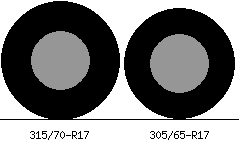
For example, a 305/70R17 tire has an overall diameter of about 33. 8 inches, while a 315/70R17 tire is about 34. 4 inches. The difference is about 0. 6 inches, which may not sound like much, but it could matter for your clearance and speed readings.
Is The Upgrade Worth It?
Switching from a 305 to a 315 tire is a popular upgrade, especially for trucks and SUVs used off-road. The extra width can boost performance and style, but it may require extra spending on modifications. Think about your needs and budget before making the jump.
Pro tip: Talk to a tire professional or a trusted mechanic before upgrading. They can check if your wheels and suspension are ready for the change.
Data-driven Decision: 305 Vs 315 For Your Situation
To help you decide, here’s a summary of which tire works best for different needs:
| Driving Scenario | Best Choice | Reason |
|---|---|---|
| Daily Commuting | 305 | Better fuel efficiency, easier steering |
| Off-Road Adventures | 315 | More traction and flotation |
| Towing/Hauling | 315 | Higher load capacity, stability |
| Performance Street Driving | 305 | Good balance of grip and handling |
| Show/Style | 315 | Aggressive, bold look |
Frequently Asked Questions
What Is The Main Difference Between 305 And 315 Tires?
The main difference is the width. A 315 tire is 10 millimeters wider than a 305. This extra width gives a larger contact patch with the road, which can improve grip and stability but may also affect fuel economy and fitment.
Will A 315 Tire Fit On My Stock Wheels?
Not always. 315 tires usually need wider wheels and sometimes require suspension modifications or fender flares. Always check your vehicle’s specs and talk to a tire professional before making the switch.
Do Wider Tires Like 315s Affect Fuel Economy?
Yes, wider tires like 315s can decrease fuel economy due to higher rolling resistance and weight. The difference may not be huge for all drivers, but it can add up over time, especially on long trips.
Are 305 Tires Better For Snow And Rain?
In many cases, yes. 305 tires are slightly narrower, which can help cut through water and snow, giving better traction in wet or slippery conditions. Tire tread pattern is also important for weather performance.
Where Can I Find More Technical Details About Tire Sizing?
For more technical details and tire sizing calculators, check official sources like the Tire Rack website, which offers expert advice and tools for comparing tire sizes and features.
Choosing between 305 and 315 tires is about more than just numbers. Think about your driving needs, your budget, and what you want your vehicle to do. The right tire size will not only keep you safe but also help you enjoy every mile on the road or trail.
Credit: www.tacomaworld.com