If you drive a car with nitrogen-filled tires, you might wonder what happens if you need to add regular air. This is a common question, especially when you’re on the road and only standard air is available at service stations.
Understanding what nitrogen tires are, how they work, and whether mixing air is safe can save you time, money, and worry. Let’s explore everything you need to know about adding air to nitrogen tires, including practical tips, potential effects, and expert advice you won’t find elsewhere.
What Are Nitrogen Tires?
Nitrogen tires refer to tires filled with nitrogen gas instead of the regular compressed air. Normal air is about 78% nitrogen, 21% oxygen, and the rest is water vapor and other gases. Nitrogen tire inflation uses purified nitrogen, which is usually over 93% pure.
Why use nitrogen? The main reasons are:
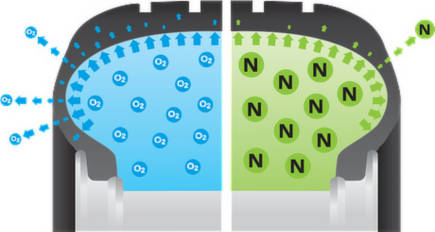
- More stable tire pressure: Nitrogen molecules are larger and move slower than oxygen, so they escape less easily from the tire.
- Less moisture: Nitrogen inflation reduces water vapor inside the tire, which can prevent rust on the wheel and reduce pressure changes caused by temperature shifts.
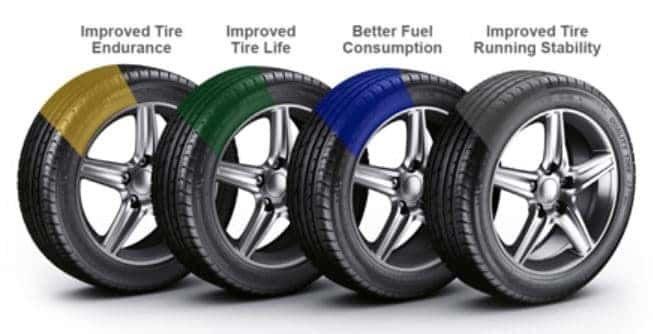
- Possible longer tire life: More stable pressure means less frequent topping up and less risk of under- or over-inflation.
These benefits are why nitrogen is often used for aircraft tires, race cars, and some trucks.
Can You Add Air To Nitrogen Tires?
The short answer is yes. If your nitrogen-filled tire needs more pressure and you only have access to regular air, you can safely add air. The tire will not be damaged, and your car will remain safe to drive. Let’s break down what happens.
When you add regular air to a nitrogen-filled tire, you’re introducing more oxygen and water vapor. This means your tire will no longer have pure nitrogen inside, but a mix that’s closer to ordinary air. The benefits of pure nitrogen may be reduced, but your tire will work normally.
Key insight: Many people believe mixing air and nitrogen is harmful. In reality, there are no safety risks. Your tire won’t explode, lose grip, or wear out immediately.
Why Would You Need To Top Off Nitrogen Tires?
Even with nitrogen, tires lose pressure over time. Reasons include:
- Natural leakage: All tires slowly lose air through the rubber.
- Temperature changes: Cold weather reduces tire pressure, even with nitrogen.
- Punctures or rim leaks: Small holes or poor seals let air escape.
- Time: Over weeks or months, pressure drops naturally.
If you notice your tire pressure is low, it’s better to add air (even regular air) than to drive underinflated, which is dangerous.
What Happens When You Mix Air And Nitrogen?
Mixing air and nitrogen simply means your tire will have a lower percentage of nitrogen. The tire will now contain oxygen, water vapor, and other gases found in regular air. Here’s a look at how tire contents can change:
| Inflation Type | Nitrogen % | Oxygen % | Water Vapor |
|---|---|---|---|
| Regular Air | 78 | 21 | Higher |
| Pure Nitrogen | 93+ | <7 | Lower |
| Mixed (After Topping Up with Air) | 80-90 | 10-20 | Medium |
Practical tip: The more regular air you add, the less pure your nitrogen tire becomes. However, your tire still functions as intended.
Benefits And Drawbacks Of Nitrogen Tires
Some drivers wonder if nitrogen is just a marketing trick. Here’s what matters:
Benefits
- Slower pressure loss: Nitrogen escapes tires more slowly.
- Reduced oxidation: Less oxygen means less chance of rust inside the wheel.
- More consistent pressure: Nitrogen is less affected by temperature changes.
Drawbacks
- Cost: Nitrogen inflation usually costs more.
- Availability: Not all service stations offer nitrogen.
- Small advantage: For daily driving, benefits are limited.
Let’s compare normal air and nitrogen inflation side by side:
| Feature | Nitrogen | Regular Air |
|---|---|---|
| Pressure Stability | Better | Good |
| Rust Protection | Yes | No |
| Cost | Higher | Low/Free |
| Availability | Limited | Everywhere |
Common Myths About Nitrogen Tires
There are many myths that confuse drivers. Let’s clear up the main ones:
- Myth: Mixing air and nitrogen is dangerous.
- Fact: Mixing is safe. The tire just loses the full benefits of pure nitrogen.
- Myth: Nitrogen tires never need topping up.
- Fact: All tires lose pressure over time, even with nitrogen.
- Myth: Nitrogen improves fuel economy.
- Fact: Any improvement is usually small and comes from proper inflation, not the gas itself.
- Myth: Only high-performance cars benefit.
- Fact: Any tire can use nitrogen, but benefits are bigger for racing, aviation, and extreme uses.
Insider tip: The biggest advantage of nitrogen is in situations with extreme heat, cold, or where pressure must stay very stable, like in airplanes.
Credit: www.performanceplustire.com
How To Add Air To Nitrogen Tires
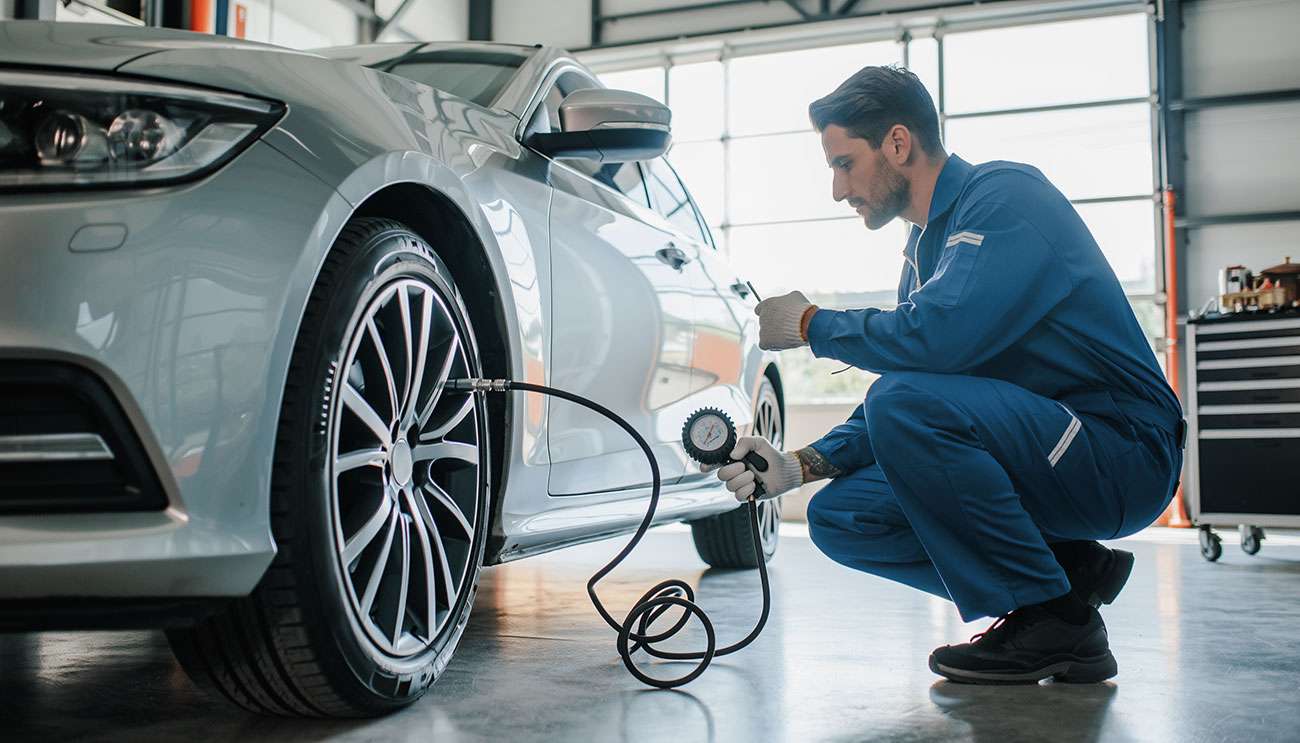
If your tire pressure warning light comes on or you notice a soft tire, follow these steps:
- Check pressure: Use a reliable gauge to measure each tire.
- Find a service station: If nitrogen isn’t available, use regular air. Most stations have free or low-cost air pumps.
- Add air: Inflate the tire to the pressure shown on your car’s sticker (usually inside the driver’s door).
- Re-check: After topping up, check pressure again for accuracy.
- Optional: If you want to return to pure nitrogen later, have the tire purged and refilled at a nitrogen service center.
What If You Want Pure Nitrogen Again?
After mixing air and nitrogen, the only way to return to high-purity nitrogen is to:
- Deflate the tire fully.
- Refill with nitrogen, repeating the process 2-3 times to remove most of the air.
This is usually only needed for race cars or specialty vehicles—not for regular drivers.
How Tire Pressure Affects Safety
Driving on underinflated tires is far more dangerous than mixing air and nitrogen. Underinflation can cause:
- Poor handling
- Longer stopping distances
- Higher risk of blowouts
- Faster tire wear
- Worse fuel economy
Non-obvious insight: Even nitrogen-filled tires can lose pressure quickly if you hit a pothole or run over a nail. Always check your tires monthly, no matter what gas you use.
Is Nitrogen Worth It For Everyday Drivers?
For most people, nitrogen tires offer only small advantages. The main benefit is less pressure loss over time. For city drivers or short trips, this is not a game changer.
However, if you:
- Drive long distances regularly
- Live in a very hot or cold climate
- Want to reduce maintenance
…then nitrogen can offer some peace of mind. But remember, proper pressure is always more important than the gas inside.
Real-world Example
Emily fills her SUV tires with nitrogen at her local shop. A few months later, her tire pressure is low, but she’s on vacation and only regular air is available. She adds air at a gas station. The tire works perfectly, but her nitrogen purity drops.
When she returns home, she can have them refilled with nitrogen if she wants.
Lesson: It’s better to top up with air than to drive underinflated. The tire’s safety and performance are not affected by the mix.
Credit: www.discounttire.com
Key Points For Drivers
- You can safely add regular air to nitrogen-filled tires.
- The tire will not be damaged, and performance is not harmed.
- You will lose some nitrogen-specific benefits, but overall safety is unchanged.
- Always keep tires properly inflated, no matter what gas you use.
Cost And Service Availability
Getting nitrogen in your tires usually costs between $5–$10 per tire in the U. S. Refilling with regular air is often free at service stations.
Here’s a quick look at cost and convenience:
| Inflation Option | Typical Cost | Availability |
|---|---|---|
| Nitrogen | $20–$40 (4 tires) | Some tire shops |
| Regular Air | Free–$2 | All gas stations |
Non-obvious insight: Some tire shops use generators to make nitrogen on-site, but purity levels can vary. For most cars, this is not a problem.
When Should You Choose Nitrogen?
Nitrogen is a good choice if you:
- Have a luxury, sports, or racing car
- Drive in extreme temperatures
- Want the lowest risk of rust inside wheels
For most drivers, regular air works just as well if you check your pressure monthly.
External Resource
For more technical detail, see this Wikipedia article on nitrogen in tires.
Credit: www.springfieldacura.com
Frequently Asked Questions
Can I Put Air In My Nitrogen-filled Tires If Pressure Is Low?
Yes, you can add regular air to nitrogen-filled tires without any risk. It’s better to top up with air than to drive on underinflated tires.
Does Mixing Air And Nitrogen Harm My Tires?
No, mixing does not harm your tires. The only effect is a reduction in the unique benefits of pure nitrogen, like slower pressure loss.
Will My Tire Pressure Sensor Work If I Mix Air And Nitrogen?
Yes, tire pressure monitoring systems (TPMS) measure pressure, not the type of gas inside. Your sensors will still work normally.
Is It Expensive To Refill Tires With Nitrogen?
Nitrogen refills usually cost more than regular air—often $5–$10 per tire. Regular air is usually free or very low cost.
Do I Need To Remove All Air And Refill With Pure Nitrogen After Mixing?
No, it is not necessary unless you want to return to high-purity nitrogen for a specific reason (such as racing). For regular driving, a mix of air and nitrogen works fine.
Keeping your tires at the right pressure is always more important than what gas you use. If you ever have to choose, safety and proper inflation come first.