When you look at tires, you may notice the grooves and shapes around the edge, called the shoulder. This area is more important than it seems. The shoulder of a tire is where the tread meets the sidewall, and its design affects how your vehicle drives, handles water, and even how long your tires last. The two main types are closed shoulder tires and open shoulder tires. Choosing the right one can change your driving experience, especially if you drive a truck, SUV, or commercial vehicle.
Many drivers and even professionals are unsure about the real differences between closed and open shoulder tires. It’s easy to think they are almost the same, but the truth is, their differences can have a big effect on safety, fuel costs, and tire life.
In this article, you’ll learn how these two types of tires work, why tire companies design them differently, and which style is best for your needs.
What Is A Tire Shoulder?
Before looking at the differences, it’s important to know what the tire shoulder actually is. On any tire, the shoulder is the area where the main tread transitions to the tire’s sidewall. This part is easy to see if you look at the edge of your tire where the grooves start to fade into smooth rubber.
The shape and style of the shoulder affect:
- How well the tire grips the road during turns
- How water is moved away from the tread (important in rain)
- How much heat builds up in the tire
Tire makers can create different effects by changing the shoulder’s design. That’s why you see both open and closed types.
Understanding Closed Shoulder Tires
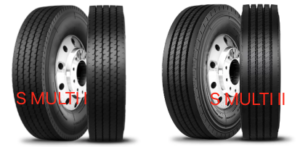
A closed shoulder tire has a solid, continuous band of rubber along the edge. There are no open gaps or channels at the very edge. The tread may have grooves in the middle, but the outer ring is unbroken.
This design is common on steer tires for trucks, high-performance passenger cars, and many highway-use tires. It’s easy to recognize because the edge of the tread looks smooth and complete, without deep cuts or spaces.
How Closed Shoulder Tires Work
Closed shoulder tires are designed to maximize contact with the road. The solid rubber on the edge helps the tire make more even contact, especially when turning. This gives you several benefits:
- Better steering control: The tire responds more quickly when you turn the wheel.
- Quieter ride: The solid edge reduces air movement, which means less road noise.
- Even tread wear: Because the shoulder is continuous, the tire wears down at a more steady rate.
Common Uses
You’ll often find closed shoulder tires on:
- Long-haul trucks and buses
- SUVs and pickups used mostly on highways
- Passenger cars needing quiet, smooth rides
Closed shoulder tires are popular for vehicles that spend most of their time on paved roads, where smoothness and even wear are important.
Understanding Open Shoulder Tires
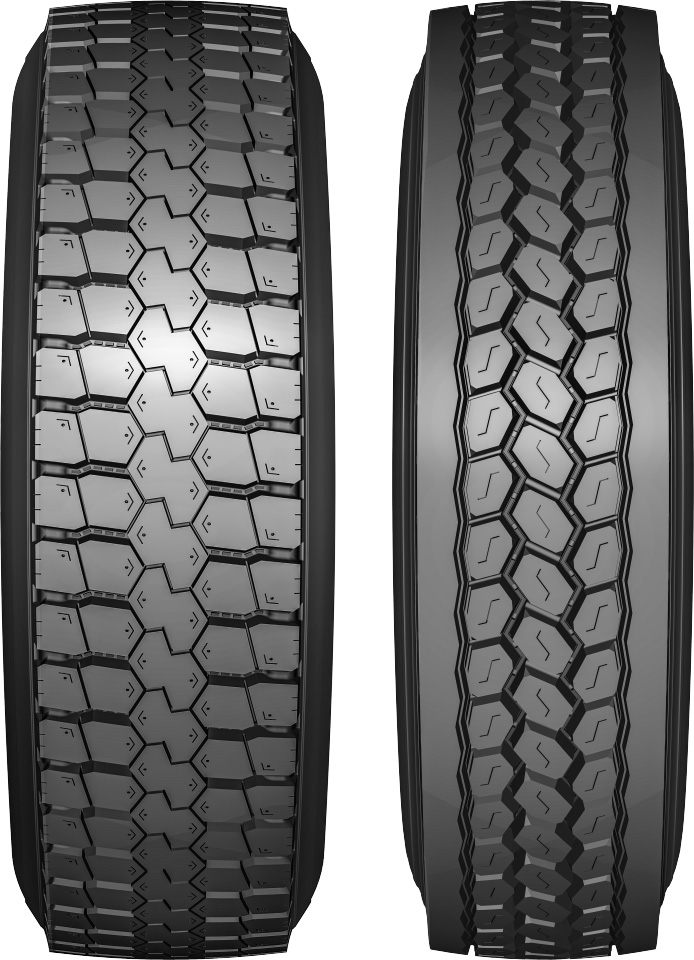
An open shoulder tire has deep, open grooves or channels that run to the very edge of the tread. These gaps are easy to spot—they look like slots cut out of the tire’s edge. The open spaces allow air, water, and mud to escape more easily.
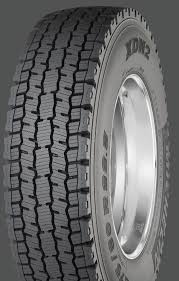
This design is usually found on drive tires for trucks, off-road vehicles, and commercial vehicles that need better traction in rain, snow, or mud.
How Open Shoulder Tires Work
Open shoulder tires are built to improve grip, especially when the road is wet, snowy, or muddy. The open slots let water and debris flow out from under the tire, helping the tread stay in contact with the ground. This leads to:
- Better traction in bad weather: The tire can “bite” into soft surfaces or channel water away.
- Self-cleaning effect: Mud and snow don’t get stuck as easily, which keeps the tire working well.
- More confident braking: You get shorter stopping distances on wet or loose surfaces.
Common Uses
Open shoulder tires are often used for:
- Commercial trucks on regional and mixed roads
- Off-road vehicles and construction trucks
- Vehicles that need more grip than smoothness
Drivers who face changing road conditions or need extra traction often choose open shoulder designs.
Key Differences Between Closed And Open Shoulder Tires
To really understand which tire is best, you need to see the main differences in how they perform. Let’s look at the most important factors:
| Feature | Closed Shoulder Tire | Open Shoulder Tire |
|---|---|---|
| Shoulder Design | Solid, unbroken edge | Deep, open grooves to edge |
| Best For | Highway, smooth roads | Muddy, wet, or loose roads |
| Noise Level | Quieter | Louder |
| Tread Wear | Even and slow | May wear faster on pavement |
| Traction | Good on dry, paved roads | Better on wet, muddy, or snowy roads |
| Self-Cleaning | Low | High |
Two key insights that many beginners miss:
- Tread block movement: On open shoulder tires, the blocks can move a bit more under stress, which helps in mud or snow but can cause faster wear on smooth roads.
- Retreadability: Closed shoulder tires are often easier to retread, which is important for commercial fleets looking to save money.
Advantages Of Closed Shoulder Tires
Why do so many vehicles use closed shoulder tires? Here are the main advantages:
1. Low Road Noise
The solid edge acts like a barrier, reducing the air that rushes through the tread. This makes your drive quieter. For people who drive long distances or on highways, less noise means less stress and more comfort.
2. Even Tread Wear
Closed shoulder tires spread the pressure more evenly across the tread. This means you get more miles from your tires, and you won’t see one side wearing out faster than the other. For commercial trucks, this is a big cost-saving feature.
3. Better Handling
On dry, paved roads, the solid shoulder helps the tire grip during sharp turns and lane changes. You’ll feel more confident, especially if you drive a heavy vehicle or carry loads.
4. Improved Fuel Efficiency
Less rolling resistance means your engine doesn’t have to work as hard, which can save fuel. Over thousands of miles, this adds up to real savings, especially for businesses.
Disadvantages Of Closed Shoulder Tires
Of course, closed shoulder tires are not perfect for all situations:
- Poorer grip in mud or snow: The smooth edge doesn’t let debris escape, so the tire can “float” on mud or snow instead of digging in.
- Not self-cleaning: Mud and stones can get stuck in the tread, reducing traction over time.
- May hydroplane faster: While good on dry roads, closed shoulders sometimes trap water in heavy rain, raising the risk of hydroplaning.
Advantages Of Open Shoulder Tires
Open shoulder tires have their own set of strengths, especially for vehicles that face tough conditions.
1. Superior Traction
The open grooves let the tire dig into loose surfaces, giving you much better grip in mud, snow, or rain. This is why so many off-road and regional trucks use them.
2. Self-cleaning Action
When the tire spins, mud and snow are pushed out through the open grooves. This keeps the tread clear and working well, even in rough weather.
3. Shorter Stopping Distances
On wet or loose roads, open shoulder tires can stop faster. This is important for safety, especially on unpredictable surfaces.
4. Better Water Evacuation
Water flows out through the open channels, lowering the risk of hydroplaning and giving you more control in the rain.
Disadvantages Of Open Shoulder Tires
But open shoulder tires are not for everyone:
- Noisier ride: The open grooves make more road noise, which can be tiring on long trips.
- Faster tread wear on pavement: The moving tread blocks can wear down quickly if used mainly on highways.
- Slightly lower fuel efficiency: The tire creates more rolling resistance, so you may use more fuel.
When To Choose Closed Shoulder Tires
Choosing the right tire depends on where and how you drive. Closed shoulder tires are the best choice if:
- You drive mostly on highways or paved city streets.
- You need a quiet, comfortable ride.
- Your main concern is long tread life and even wear.
- You want to save fuel on long trips.
- Your vehicle is a passenger car, city bus, or long-haul truck that rarely leaves paved roads.
One mistake many buyers make is choosing open shoulder tires for mostly highway driving. This leads to extra noise and faster wear, without the traction benefits.
When To Choose Open Shoulder Tires
Open shoulder tires are your best option if:
- You drive on a mix of paved, gravel, muddy, or snowy roads.
- Your vehicle often faces bad weather or off-road conditions.
- Traction and safety on loose surfaces are more important than quietness.
- You drive a dump truck, construction vehicle, or work truck that leaves the pavement often.
A common error is picking closed shoulder tires for vehicles that spend a lot of time in mud or snow. This can lead to getting stuck or losing control.
Credit: thailandtyre.com
Real-world Examples
Let’s look at two real examples:
Example 1: Long-haul Truck
A freight truck travels mostly between big cities, hauling goods on highways. The company chooses closed shoulder steer tires for the front and closed shoulder drive tires for the back. Over 100,000 miles, the tires wear evenly, fuel costs stay low, and drivers enjoy quiet, smooth rides.
Example 2: Regional Delivery Truck
A delivery truck makes stops at both city stores and country farms, driving on paved and gravel roads. The fleet manager picks open shoulder drive tires. Even though the tires are a bit noisier, the truck rarely gets stuck in mud or snow, and braking is safer during heavy rain.
These examples show how the right tire choice fits real driving needs, not just what looks “best” on paper.
Data And Performance Comparison
Below is a simple data comparison for truck tires tested on different surfaces:
| Test Condition | Closed Shoulder Tire Performance | Open Shoulder Tire Performance |
|---|---|---|
| Dry Pavement | Excellent handling, low noise | Good handling, higher noise |
| Wet Pavement | Good, but higher hydroplane risk | Excellent water evacuation |
| Mud/Snow | Poor grip, may clog | Superior traction, self-cleans |
| Tread Life | Longer on highway | Shorter on highway |
| Fuel Efficiency | Higher | Lower |
Credit: www.tirebusiness.com
Choosing The Right Tire For Your Vehicle
How do you decide which tire shoulder design is best? Here are steps to guide your decision:
- Analyze your routes: If 80% or more of your driving is on highways, closed shoulder is usually better. If you face mud, snow, or gravel weekly, open shoulder is safer.
- Think about comfort: For long trips, noise matters. Closed shoulder tires are usually much quieter.
- Check your vehicle type: Heavy-duty off-road trucks need open shoulders, while passenger cars and highway trucks do best with closed shoulders.
- Consider cost per mile: Open shoulder tires may wear faster and use more fuel on highways. Closed shoulder tires usually offer lower cost per mile for smooth road use.
- Review weather needs: Regular rain, snow, or mud? Open shoulder. Mostly dry? Closed shoulder.
Never pick a tire just because it looks “cool” or is on sale. Always match your tire to your driving reality.
Common Mistakes When Choosing Tire Shoulder Types
Many drivers make these costly mistakes:
- Ignoring road conditions: Choosing closed shoulder tires for muddy roads leads to stuck vehicles.
- Focusing only on price: Cheap open shoulder tires may cost more in fuel and replacements.
- Not considering noise: Long-haul drivers switching to open shoulder tires often regret the extra cabin noise.
- Overlooking retread options: Some open shoulder tires are harder to retread, which raises fleet costs.
To avoid these, always ask your tire dealer for examples from other drivers with similar vehicles and routes.
Credit: mccoytrucktire.com
Maintenance Tips For Both Tire Types
No matter which shoulder type you choose, proper maintenance is key:
- Check air pressure weekly. Under-inflation causes uneven wear and lowers traction.
- Rotate tires every 6,000–8,000 miles. This helps all tires wear evenly.
- Inspect for damage. Stones, nails, or cracks in the shoulder area can lead to blowouts.
- Clean tires after muddy trips. Even self-cleaning tires need help sometimes.
- Balance and align wheels. Poor alignment can ruin even the best tire in months.
Many drivers forget that rotation patterns are different for drive and steer tires. Check your owner’s manual for the right way.
The Future Of Tire Shoulder Design
Tire companies are always inventing new tread patterns. Some new tires combine both open and closed shoulder features, giving a balance of quiet and traction. For example, hybrid shoulders may have a partly open design that gives better water removal but stays quieter than a full open shoulder.
Also, smart tire technology is arriving. New sensors can tell you when your tire is losing grip or starting to wear in the shoulder, which helps prevent accidents and saves money.
For more on how tire design affects driving safety, you can read this research on the Wikipedia Tire page.
Frequently Asked Questions
What Is The Main Difference Between Closed Shoulder And Open Shoulder Tires?
The main difference is in the edge design. Closed shoulder tires have a solid, unbroken edge for quiet, smooth rides and even tread wear. Open shoulder tires have deep grooves at the edge, which improve grip and self-cleaning in mud, snow, and rain but are noisier and wear faster on highways.
Can I Use Open Shoulder Tires On Highways?
Yes, you can, but expect more road noise and possibly faster tread wear. Open shoulder tires are best for mixed or rough road conditions. For mostly highway use, closed shoulder tires are usually a better choice.
Are Closed Shoulder Tires Better For Fuel Efficiency?
Generally, yes. Closed shoulder tires have less rolling resistance, which means better fuel economy. Open shoulder tires use more energy due to their design, so you may see slightly higher fuel costs.
How Do I Know Which Tire Shoulder Type I Need?
Think about where you drive most. If you spend most time on paved, dry roads, pick closed shoulder tires. If you often face mud, snow, or wet conditions, open shoulder tires are better. Ask your tire dealer if you’re not sure.
Can I Mix Closed And Open Shoulder Tires On My Vehicle?
It’s possible on some vehicles, especially trucks that use different tires for steer and drive positions. However, always follow your vehicle manufacturer’s guidelines and keep the same type on each axle for safety and best performance.
Choosing the right tire shoulder type is more than just a technical detail—it affects your safety, driving comfort, and long-term costs. Now that you understand the real-world impact of open and closed shoulder tires, you can make a smarter choice for your vehicle and your driving needs.