On a hot summer day, you might wonder if your car’s tires are changing because of the heat. Some people say tires actually “grow” a little when it’s hot. Others worry if tires might burst when parked under the blazing sun.
Is it true that tires expand in the heat? And if so, does it matter for safety or performance? Let’s explore the science and practical facts, so you can drive confidently, even when the temperature rises.
What Happens To Tires In The Heat?
Tires are made mostly of rubber, fabric, and steel belts. They are designed to handle tough conditions—heat, cold, rain, or snow. But just like most materials, tires do react to temperature changes.
When it’s hot, the air inside your tires gets warmer. Warm air takes up more space, so air pressure increases. At the same time, the rubber also gets softer and more flexible in high temperatures. This combination can make the tire expand a little. But how much? And does it cause problems?
The Science Behind Tire Expansion
To understand tire expansion, you need to know a basic law of physics: Ideal Gas Law. This law says that when the temperature of a gas increases (in this case, the air inside your tire), the pressure also goes up, if the amount of gas and the volume stay the same.
As the pressure rises, the tire’s walls stretch a bit, making the tire “expand. ” But the change is usually quite small—often less than a millimeter in size. For most drivers, you won’t notice this change just by looking at the tire.
How Much Does Tire Pressure Change?
Here’s a practical example:
- For every 10°C (18°F) increase in temperature, tire pressure rises by about 1 psi (pounds per square inch).
- So, if you check your tire pressure early in the morning at 20°C (68°F), and the temperature later jumps to 40°C (104°F), the pressure can increase by about 2 psi.
- Most passenger car tires are recommended at around 32–35 psi.
This means that a hot day can push your tire pressure up a bit. But tires are designed to handle this normal range.
Is The Expansion Dangerous?
In most cases, tire expansion in the heat is not dangerous. Modern tires are tested to handle much higher pressures than you normally use. The risk comes only when:
- Tires are overinflated to begin with
- Tires are damaged or old
- The car is overloaded
So, if your tires are healthy and at the right pressure, a hot day will not cause them to burst or fail.
Factors That Influence Tire Expansion
Not all tires react to heat in the same way. Several factors affect how much a tire expands in the heat.
1. Tire Material
- Summer tires: Made for hot weather, use heat-resistant rubber compounds. They expand less than winter tires.
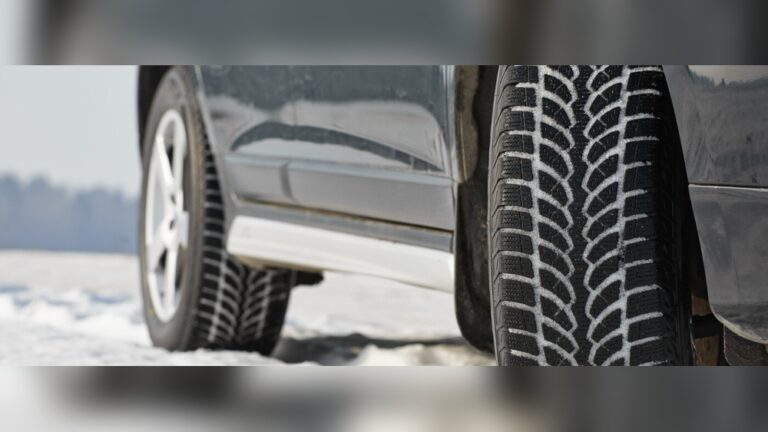
- Winter tires: Softer rubber, designed for cold, can expand more in the heat and wear out faster.
- All-season tires: A balance between the two.
2. Tire Pressure
- Underinflated tires: Can overheat because more of the tire touches the road. This can cause dangerous expansion and even blowouts.
- Overinflated tires: Less flexible, more likely to be damaged by heat or road bumps.
3. Type Of Driving
- High speeds: Heat builds up faster in the tire.
- Long drives: More time for heat to build, increasing pressure and expansion.
- Stop-and-go traffic: Tires heat up more slowly, but still expand in hot weather.
4. Road Surface
- Dark asphalt: Absorbs more heat, making tires hotter.
- Concrete: Reflects more heat, so tires may stay cooler.
5. Vehicle Load
- Heavy loads: More pressure on tires, more heat buildup, more chance of expansion.
How Tire Expansion Affects Driving
You might not feel the tire getting bigger, but you can notice other effects.
Handling And Grip
As tires expand, the contact patch (the part touching the road) can change shape. This may slightly affect grip and steering. On very hot days, you might feel the car “float” a little, or the steering may feel less sharp. For most drivers, these changes are very minor.
Tire Wear
Heat makes rubber softer, which can lead to faster wear. If your tires are already worn out, expansion in the heat can speed up cracking or even cause pieces of rubber to come off.
Risk Of Blowouts
A common fear is that tires will “explode” in the heat. In reality, a tire only bursts if it is already at risk—because of low pressure, damage, or being too old. Normal heat expansion alone is not enough to make a healthy tire burst.

Credit: www.reddit.com
Real-world Data: Tire Pressure And Temperature
Here’s a simple comparison showing how tire pressure changes with temperature increases:
| Temperature (°C) | Pressure Increase (psi) |
|---|---|
| 0 | 0 |
| 10 | +1 |
| 20 | +2 |
| 30 | +3 |
| 40 | +4 |
This shows that even with a big temperature jump, the pressure changes are still within safe limits for most tires.
The Myth Of “tires Exploding” In The Sun
You may have heard dramatic stories about tires blowing up just from sitting in the sun. These are rare and often misunderstood. The truth is:
- Sunlight alone usually cannot heat a tire enough to make it explode.
- Most tire failures come from a mix of problems: Underinflation, old tires, or extra weight.
A normal, healthy tire can handle temperatures much higher than what you see on the hottest days.

Credit: www.mdpi.com
Best Practices For Tire Care In Hot Weather
To keep your tires safe and working well, especially in the heat, follow these practical tips:
1. Check Tire Pressure Regularly
Measure tire pressure when the tires are “cold” (before driving). Adjust to the manufacturer’s recommended level.
2. Inspect Tires For Damage
Look for cracks, bulges, or worn-out tread. Replace tires that look damaged or are more than six years old.
3. Avoid Overloading
Too much weight puts extra stress on tires, making them more likely to overheat and expand dangerously.
4. Don’t Let Air Out On Hot Days
If you see a higher tire pressure on a hot day, don’t release air. Wait until the tire is cool to get an accurate reading.
5. Rotate Tires Regularly
Rotating tires helps them wear evenly, which is especially important in hot climates.
6. Drive Carefully On Hot Roads
High speeds and sudden stops can make tires heat up faster. Take it easy when the pavement is very hot.
Non-obvious Insights Most Drivers Miss
1. Tire Expansion Is Not The Same For All Brands
Some premium tires use special compounds that resist heat better than budget brands. This can mean less expansion and longer life, especially if you drive in very hot places.
2. Tire Pressure Sensors May Show Errors In The Heat
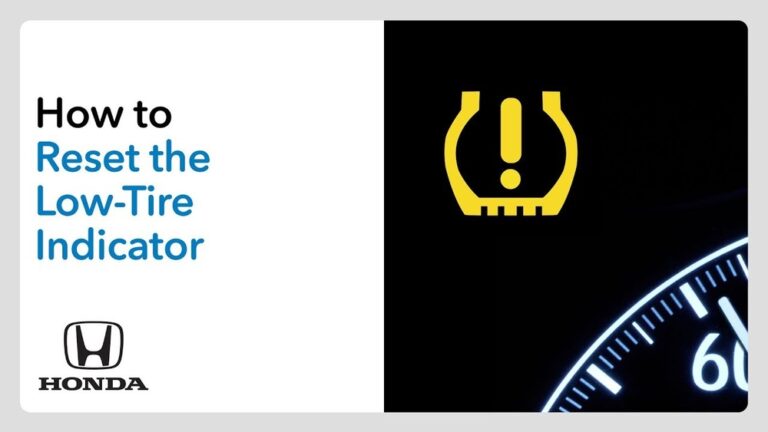
Many modern cars have tire pressure monitoring systems (TPMS). On very hot days, these sensors may show a warning even if your tires are safe. Always double-check with a handheld gauge when in doubt.
Credit: www.medmal-law.com
Comparing Summer Vs. Winter Tires In Heat
It’s helpful to see how different tires react in the same hot conditions.
| Feature | Summer Tire | Winter Tire |
|---|---|---|
| Material | Harder rubber, heat-resistant | Softer rubber, not heat-optimized |
| Expansion in Heat | Minimal | More expansion, faster wear |
| Recommended Use | Hot weather, dry roads | Cold, snowy conditions |
| Risk in Summer | Low (if in good shape) | High (faster wear, possible damage) |
From this, you can see why using the right type of tire matters, especially in extreme temperatures.
How To Check Tire Pressure Correctly
A common mistake is checking tire pressure after driving or when the tires are hot. Always check when tires are “cold”—that means they haven’t been driven on for at least three hours, or driven less than a mile at low speed.
If you check after a long trip or on a hot afternoon, the reading will be higher than normal. Don’t let air out based on this hot reading. Wait until the tires cool down and check again.
The Impact Of Heat On Tire Lifespan
Heat is one of the main enemies of tire life. High temperatures speed up the natural aging of rubber. Tires stored or used in hot climates can age faster, even if you don’t drive much. That’s why you should:
- Replace tires every 6-10 years, even if they look fine.
- Store spare tires in a cool, dry place.
Tire Manufacturers’ Recommendations
Most big tire companies recommend:
- Checking tire pressure at least once a month and before long trips.
- Using the pressure listed on your car’s sticker (usually inside the driver’s door), not the number on the tire sidewall.
- Avoiding driving on old or damaged tires, no matter the season.
For detailed technical data, you can check the official advice from the National Highway Traffic Safety Administration.
Frequently Asked Questions
Do Tires Really Expand In The Heat?
Yes, but the expansion is usually very small. As the temperature rises, the air inside the tire gets hotter, which increases the pressure and makes the tire’s rubber stretch a little. Most of the time, this change is not visible.
Can Tires Explode If Left In The Sun?
It is extremely rare for healthy tires to explode just from sunlight. Explosions usually happen because of low tire pressure, damage, or overloading—not just heat. Modern tires are made to handle high temperatures safely.
Should I Let Air Out Of My Tires On A Hot Day?
No, do not release air based on a high reading during hot weather. The pressure will return to normal when the tire cools down. Always adjust tire pressure when the tires are cold.
How Often Should I Check My Tire Pressure In Summer?
Check your tire pressure at least once a month and before long trips. Hot weather can cause pressure to rise, so checking regularly helps you keep it at the right level for safety and comfort.
Does Driving On Hot Pavement Damage My Tires?
Driving on very hot roads can make tires wear out faster, especially if they are underinflated or old. To reduce damage, maintain the correct pressure, avoid overloading, and drive carefully during heat waves.
Staying aware of how heat affects your tires helps you make smart choices all year round. With good habits and regular checks, you can enjoy safe, smooth driving—no matter how high the temperature climbs.