Checking your Mazda CX-5’s tire pressure may seem simple, but it’s one of the most important things you can do for your car’s safety and performance. The right tire pressure keeps you safer on the road, improves fuel efficiency, and even helps your tires last longer. Many drivers, even those with years of experience, make small mistakes with tire pressure that can lead to bigger problems over time. This guide will walk you through every detail, from why pressure matters to step-by-step instructions and common pitfalls to avoid. If you drive a Mazda CX-5, this article will help you check tire pressure the right way, with confidence.
Why Correct Tire Pressure Matters
When your Mazda CX-5 tires have the right air pressure, you get better handling, shorter stopping distances, and smoother rides. Under-inflated tires can overheat and wear out quickly, while over-inflated ones can make your SUV feel bouncy and reduce grip on the road. Both problems can increase your risk of accidents.
Many people don’t realize that tire pressure can affect fuel economy. Studies show that driving with tires even a few PSI (pounds per square inch) below the recommended level can reduce your gas mileage by up to 3%. Over a year, this can mean spending much more on fuel.
Another common oversight is tire wear. Incorrect pressure changes the way your tires touch the road, making them wear unevenly. This means you might need to buy new tires sooner, costing you hundreds of dollars.
Understanding Mazda Cx-5 Tire Pressure Specifications
Every car has its own recommended tire pressure. For the Mazda CX-5, you can usually find this information:
- On a sticker inside the driver’s door jamb
- In your owner’s manual
- Sometimes on the fuel filler door
Most Mazda CX-5 models recommend:
- Front tires: 34 PSI (cold)
- Rear tires: 34 PSI (cold)
But always double-check for your model year. Some versions or tire sizes may differ. “Cold” means the tires haven’t been driven for at least three hours, or have been driven less than a mile at low speeds.
Where To Find The Information
Before you start, look for the tire information label on your CX-5. It’s usually on the edge of the driver’s door or the door frame. This label tells you the ideal pressure for your tires and the size of tires you should use.
If the label is missing, check your owner’s manual. You can also find tire pressure info on Mazda’s official website or from your local dealership.
When And How Often To Check Tire Pressure
Many drivers check tire pressure only when the warning light comes on, but this is a mistake. Tires naturally lose about 1-2 PSI per month, and even more when the weather changes.
Best Times To Check
- Once a month: Make it a routine, just like filling up with gas.
- Before long trips: Especially when carrying heavy loads.
- When temperatures change: For every 10°F drop, your tires lose about 1 PSI.
- After seeing the warning light: Don’t ignore it; act quickly.
Why Cold Tires Matter
Always check pressure when the tires are “cold. ” If you drive, the air inside heats up and expands, giving a higher reading than actual. Checking cold gives you the most accurate result.
Tools You Need To Check Tire Pressure
You don’t need expensive equipment. Here’s what works best:
- Tire pressure gauge: Digital or analog, both work fine.
- Air compressor: At home or at a gas station.
- Flashlight: Helpful in low light.
- Gloves: Optional, but useful for cold or dirty tires.
Digital gauges are often more accurate and easier to read, but even a simple pencil-style gauge is better than guessing.
Credit: www.youtube.com
Step-by-step Guide To Checking Tire Pressure
Follow these steps for a safe and accurate check:
- Park on a level surface. Turn off your engine and set the parking brake.
- Wait for tires to cool. If you just drove, wait at least three hours.
- Locate the valve stem. It’s a small rubber or metal tube sticking out of the wheel.
- Remove the valve cap. Put it in your pocket so you don’t lose it.
- Press the gauge onto the valve stem. Push down quickly and firmly. You’ll hear a short hiss.
- Read the number on the gauge. Digital gauges show it instantly; analog gauges have a needle or bar.
- Compare with Mazda’s recommended PSI. If it’s too low, add air. If it’s too high, press the pin inside the valve to let air out.
- Replace the valve cap. This keeps dirt and moisture out.
- Repeat for all four tires. Don’t forget the spare tire—it loses pressure too.
Checking With A Gas Station Air Pump
If you don’t have a gauge, most gas stations have air pumps with built-in gauges. But these can be inaccurate or worn out. It’s better to carry your own small gauge for accuracy.
What If The Tire Pressure Monitoring System (tpms) Light Is On?
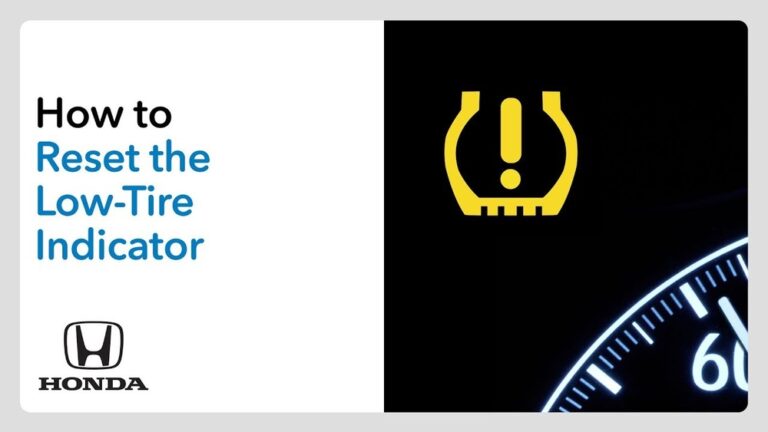
Your Mazda CX-5 has a TPMS that warns you if a tire is under-inflated. This is helpful, but not perfect.
- The TPMS usually lights up if a tire drops 25% below recommended pressure. By then, it’s already low enough to affect safety and fuel economy.
- Cold weather can trigger the light because the air inside contracts.
- After refilling your tires, the light might stay on for a few miles. If it stays on longer, double-check each tire and look for punctures.
The TPMS is a backup, not a replacement for manual checks.
How To Inflate Your Mazda Cx-5 Tires
If your tires are low, add air as soon as possible. Here’s how to do it safely:
- Drive to a gas station with an air pump.
- Check your tire pressure again with your own gauge.
- Attach the air hose to the valve stem. Hold it firmly.
- Add air in short bursts. Stop and check the pressure often.
- Don’t over-inflate. If you do, press the valve pin with your gauge to release air.
- Replace the valve cap.
Home Air Compressors
Small, portable air compressors are a good investment. They’re especially helpful in emergencies or if you check your tires often.
Comparing Digital Vs. Analog Tire Pressure Gauges
Choosing the right gauge makes checking tire pressure easier. Here’s a quick comparison:
| Feature | Digital Gauge | Analog Gauge |
|---|---|---|
| Accuracy | Very high | Good |
| Ease of reading | Easy (displays numbers) | Can be hard to read |
| Durability | Needs batteries | No batteries needed |
| Cost | Usually higher | Usually lower |
Both types work well, but if you want the easiest and most accurate option, choose a digital gauge.
Common Mistakes When Checking Tire Pressure
Many drivers make the same errors, even after years of driving. Watch out for these:
- Checking tires after driving: The air expands and gives a false high reading.
- Forgetting the spare tire: Your spare can be flat when you need it most.
- Using gas station gauges only: These are often abused and inaccurate.
- Ignoring seasonal changes: Tire pressure drops in cold weather.
- Using the number on the tire sidewall: This is the maximum pressure, not what’s recommended for your Mazda CX-5.
How Weather Affects Tire Pressure
Tire pressure changes with the temperature. For every 10°F (about 5°C) drop, pressure falls by roughly 1 PSI. That means your tires can look fine in warm weather but drop below safe levels as it gets colder.
In summer, pressure can rise, but over-inflation is less common than under-inflation in winter. Always check after big temperature changes, not just when the TPMS light is on.

Credit: www.reddit.com
How Incorrect Tire Pressure Affects Your Mazda Cx-5
Many people underestimate the real-world effects of incorrect pressure. Here’s what can happen:
| Issue | Under-Inflated Tires | Over-Inflated Tires |
|---|---|---|
| Handling | Poor and sluggish | Less grip, bouncy |
| Tire wear | Edges wear quickly | Center wears quickly |
| Fuel economy | Decreases by up to 3% | No major effect |
| Risk of blowout | Higher | Higher |
Even a small difference can add up over time. For example, if you drive 12,000 miles per year, you might spend $50–$100 more on fuel due to low tire pressure.
How Often Should You Replace Your Tire Pressure Gauge?
A good gauge can last for years, but if you drop it or it gives strange readings, it’s time to replace it. Digital gauges may need new batteries every few years. If you’re not sure your gauge is accurate, compare it with another one at a tire shop.
What To Do If You Find A Tire Is Always Low
If you keep adding air but one tire loses pressure quickly, you might have:
- A small nail or screw in the tread
- A leaking valve stem
- Damage to the rim
Don’t ignore this. Get your tire checked and repaired by a professional. Driving with a slow leak can lead to a blowout.
Tire Rotation And Pressure: Why Both Matter
Rotating your tires every 5,000–7,500 miles helps them wear evenly. After rotation, always check and adjust pressure. Some tire shops forget this step, so do it yourself to avoid problems.
Quick Reference: Mazda Cx-5 Tire Pressure By Model Year
Here’s a quick look at the recommended cold tire pressure for recent Mazda CX-5 models:
| Model Year | Front Tires (PSI) | Rear Tires (PSI) |
|---|---|---|
| 2017–2024 | 34 | 34 |
| 2012–2016 | 34 | 34 |
Always verify with your vehicle’s label, as trims and tire sizes can affect the numbers.
Two Non-obvious Insights Drivers Miss
- Tire pressure is not “set and forget.” Even new cars lose air slowly over time, and weather shifts cause pressure changes. Regular checks prevent surprises.
- Tire pressure affects braking distance. Tests show under-inflated tires can increase stopping distance by several feet. In an emergency, those few feet matter.
Useful Tips For Maintaining Tire Pressure
- Buy a small digital gauge and keep it in your glove box.
- Set a monthly reminder on your phone to check all tires.
- Check tires before you carry heavy loads or go on long trips.
- If a tire loses more than 2 PSI per month, get it inspected.
Frequently Asked Questions
What Is The Correct Tire Pressure For A Mazda Cx-5?
Most Mazda CX-5 models recommend 34 PSI for both front and rear tires when cold. Always confirm with your car’s door sticker or owner’s manual, as some trims or tire sizes may be different.
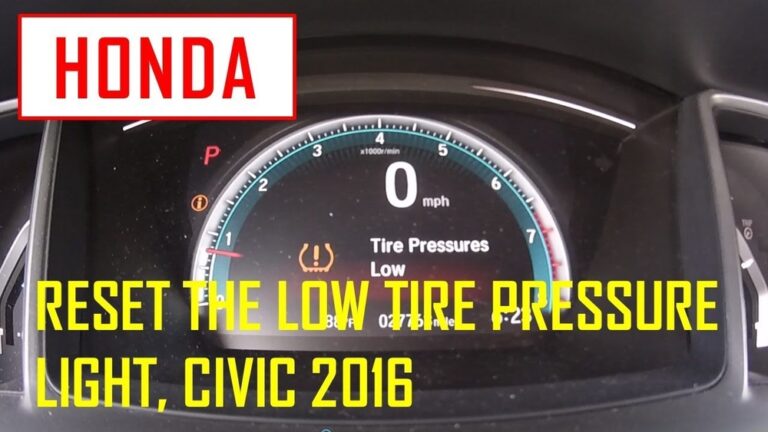
How Do I Reset The Tpms Light On My Mazda Cx-5?
After inflating your tires to the proper pressure, drive your car for a few miles. The light should turn off automatically. If it stays on, check all tires—including the spare—and make sure there are no leaks. If the light remains, consult your owner’s manual or a Mazda service center.
Can I Check Tire Pressure Without A Gauge?
It’s possible to check by pressing the tire with your hand, but this is very unreliable. Even tires that feel firm can be under-inflated. Always use a proper tire pressure gauge for accuracy.
Does Tire Pressure Affect Fuel Economy On A Mazda Cx-5?
Yes, under-inflated tires can reduce your fuel economy by up to 3%. Keeping your tires at the right pressure saves money and helps the environment by reducing fuel waste.
Where Can I Learn More About Tire Safety?
You can find more detailed information about tire safety and maintenance at the National Highway Traffic Safety Administration website, which offers tips and guidelines for all drivers.
Taking a few minutes each month to check your Mazda CX-5’s tire pressure is a small effort that pays off with safer rides, lower costs, and longer-lasting tires. With the right knowledge and a few simple tools, you can keep your SUV running smoothly all year round.

Credit: www.youtube.com