The world of tires is more complex than it looks. If you live in an area with four seasons, choosing the right tire is a big decision. The Michelin Crossclimate 2 and traditional winter tires are two options that often confuse drivers. Both are made for cold weather, but they work differently and suit different needs. If you want to drive safely, save money, and avoid trouble, you need to know the real differences. This article will explain everything, from performance to price, so you can choose the best tire for your car. Let’s dive in and make sense of these tires, even if you’re not a tire expert.
What Is The Michelin Crossclimate 2?
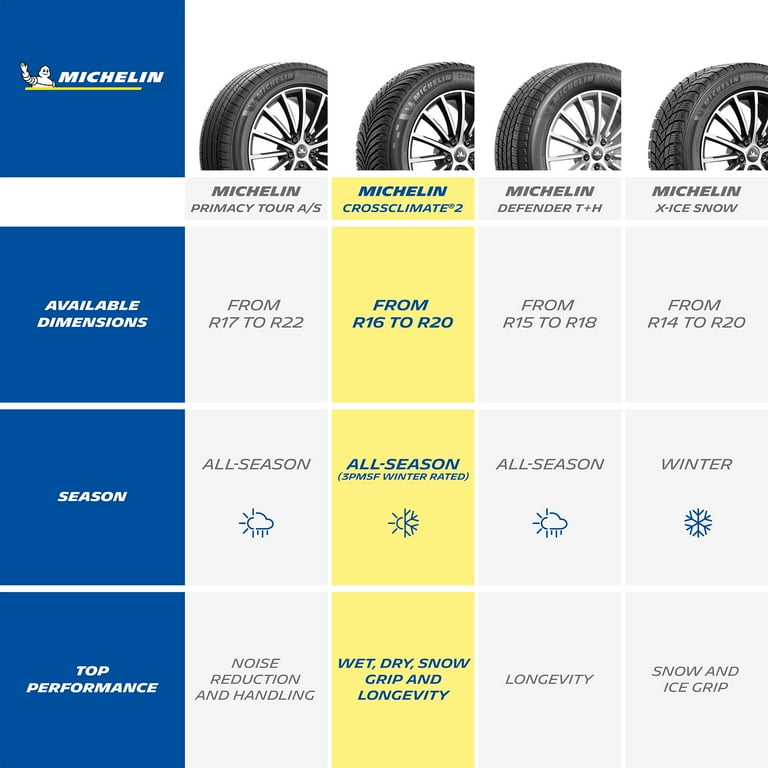
The Michelin Crossclimate 2 is a special tire. It is called an all-weather tire, which means it works well in both summer and winter. Unlike standard all-season tires, the Crossclimate 2 is certified for winter use with the Three Peak Mountain Snowflake (3PMSF) symbol. This shows it meets strict snow performance standards.
Michelin designed the Crossclimate 2 for drivers who want one tire all year. The tire uses advanced rubber and a unique tread pattern. It handles dry roads, wet roads, and even snow, but is not a true winter tire.
Key features:
- 3PMSF winter certification
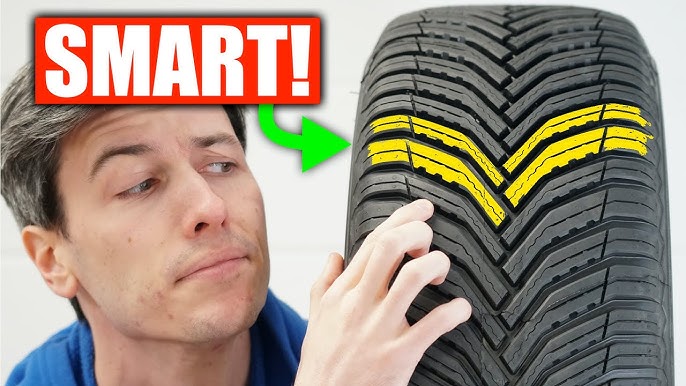
- V-shaped tread for better grip
- Durable rubber for long life
- Quiet and comfortable ride
Michelin Crossclimate 2 is popular in Europe and North America, especially for people who do not want to change tires every season.
What Are Winter Tires?
Winter tires are made for cold weather, snow, and ice. They use special rubber that stays soft in low temperatures. The tread pattern is deep and full of small cuts called sipes. These help the tire grip slippery surfaces.
Winter tires are not for summer. In warm weather, their rubber gets too soft, which can cause fast wear and poor handling. If you live in a place with harsh winters, winter tires are usually the safest choice.
Main features:
- Soft rubber for cold climates
- Deep tread with lots of sipes
- Strong grip on snow and ice
- Not suitable for warm weather
Winter tires are required in some countries during winter months. They are the gold standard for safety in heavy snow and ice.
Performance Comparison: Crossclimate 2 Vs Winter Tires
Performance is the most important factor for many drivers. Let’s see how these tires perform in real situations.
Dry Road Handling
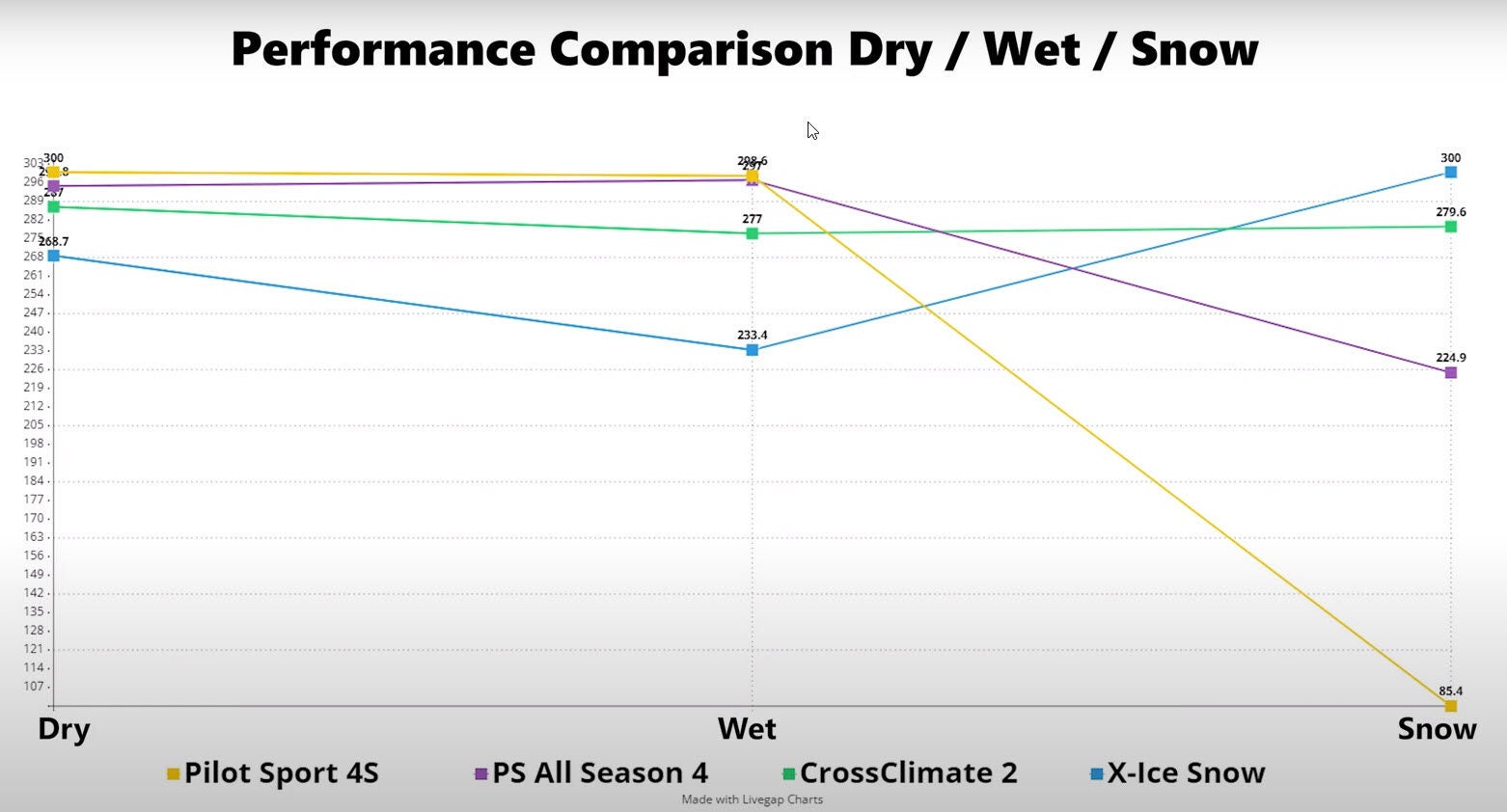
On dry roads in winter, both tires perform well. The Crossclimate 2 is a bit better because it is also designed for warm weather. Winter tires may feel softer and less stable.
Key points:
- Crossclimate 2: Stable, responsive, good cornering
- Winter tires: Good, but sometimes softer feel
Wet Road Grip
Wet roads are common in winter. Both tires have good grip, but the Crossclimate 2 has an advantage due to its advanced tread design.
- Crossclimate 2: Excellent water evacuation, strong wet grip
- Winter tires: Good wet grip, but sometimes less efficient at clearing water
Snow And Ice Performance
This is where winter tires shine. Their rubber and tread are made for snow and ice, giving them better stopping power and control.
- Crossclimate 2: Handles light to moderate snow well, but struggles in deep snow or ice
- Winter tires: Best grip in heavy snow and ice; shorter braking distances
Real-world data:
- Crossclimate 2 braking distance on snow: About 30 meters from 50 km/h
- Winter tire braking distance on snow: About 24 meters from 50 km/h
This difference can mean stopping safely or sliding into trouble.
Temperature Range
The Crossclimate 2 works in a wide temperature range, from hot summers to cold winters. Winter tires work best below 7°C (45°F).
- Crossclimate 2: -10°C to +40°C (14°F to 104°F)
- Winter tires: -30°C to +7°C (-22°F to 45°F)
If you use winter tires above 7°C, they wear out faster and lose performance.
Longevity And Wear
The Crossclimate 2 is made to last longer than winter tires. If you drive in mixed conditions, it will save you money.
- Crossclimate 2: Lasts 60,000–80,000 km (37,000–50,000 miles)
- Winter tires: Lasts 40,000–50,000 km (25,000–31,000 miles)
Winter tires wear quickly if used in warm weather.
Comfort And Noise
The Crossclimate 2 is quieter and smoother than most winter tires. Winter tires can be noisy due to their tread and softer rubber.
- Crossclimate 2: Low noise, comfortable ride
- Winter tires: Can be noisy, especially on dry roads
Safety: Which Tire Keeps You Safer?
Safety is more than just grip. It includes braking, handling, and emergency control.
Braking On Snow And Ice
Winter tires have shorter braking distances on ice and snow. Crossclimate 2 is good in mild winter, but not as strong in extreme conditions.
Example:
- Car with Crossclimate 2 stops in 30 meters on snow
- Car with winter tires stops in 24 meters on snow
This 6-meter gap could be the difference between stopping safely and crashing.
Emergency Maneuvers
Winter tires respond better in sudden turns or stops during icy conditions. The Crossclimate 2 can handle quick moves, but loses grip faster on ice.
Hydroplaning Resistance
Both tires resist hydroplaning, but the Crossclimate 2’s tread design is advanced. It clears water quickly, reducing risk.
All-season Safety
If you don’t face deep snow, Crossclimate 2 is safe all year. But if you live in a place with long, harsh winters, winter tires are safer.
Credit: www.walmart.com
Cost Comparison
Money matters. Let’s see how these tires affect your budget.
Price
Crossclimate 2 and winter tires are both premium options, but their costs differ.
Average price (per tire, mid-size car):
- Crossclimate 2: $160–$220
- Winter tires: $120–$200
Winter tires are sometimes cheaper, but you need a second set for summer.
Changing Tires
With winter tires, you must buy, store, and change tires twice a year. This costs money and time.
- Tire change service: $50–$100 per swap
- Storage cost: $40–$80 per season
Crossclimate 2 saves you from these costs. You keep one set all year.
Total Ownership Cost
Over five years, Crossclimate 2 can save you $500–$900 if you don’t need extreme winter performance.
However, if you live in a snowy region, the cost of an accident can be higher than the savings.
Which Tire Is Right For You?
Choosing the right tire depends on your location, driving style, and needs.
You Should Choose Michelin Crossclimate 2 If:
- You live in a mild or moderate winter climate.
- You want one tire for all seasons.
- You dislike changing tires twice a year.
- You drive mostly on paved, cleared roads.
- You want to save money on tire swaps and storage.
You Should Choose Winter Tires If:
- You live in an area with heavy snow or ice.
- You drive often in extreme winter conditions.
- You value maximum safety in winter.
- Your country or region requires winter tires by law.
- You want the best performance on snow and ice.
Comparison Table: Crossclimate 2 Vs Winter Tires
Here’s a clear comparison of main features.
| Feature | Michelin Crossclimate 2 | Winter Tires |
|---|---|---|
| Season | All year | Winter only |
| Snow Performance | Good (light/moderate) | Excellent (heavy/deep snow) |
| Ice Performance | Moderate | Excellent |
| Dry Handling | Strong | Good |
| Wet Handling | Excellent | Good |
| Longevity | High | Medium |
| Noise | Low | Medium to High |
| Cost | Medium to High | Medium |
| Tire Changes Needed | No | Yes |
Real-world Examples
Let’s look at how these tires work in real life.
Example 1: Urban Driver In New York
Sarah lives in New York City. Winters are cold, but streets are cleared quickly. She drives to work and rarely leaves the city.
- She chose Crossclimate 2.
- She saves money and time by not changing tires.
- She feels safe on wet and dry roads.
- In rare snowstorms, she drives carefully.
Example 2: Rural Driver In Minnesota
Mike lives in rural Minnesota. He faces heavy snow and ice all winter. He drives long distances every day.
- He uses winter tires from November to April.
- His tires give him confidence on icy roads.
- He changes to summer tires in spring.
- He pays for tire swaps and storage, but feels safer.
Example 3: Family In Germany
The Müller family lives in Germany, where winter tire use is required by law. They change tires twice a year.
- They use winter tires for safety and legal reasons.
- They switch to summer tires for better performance and longer life.
These examples show that the best tire depends on your location and needs.
Technology And Innovation
Michelin’s Crossclimate 2 uses advanced technology. The tire has a V-shaped tread that pushes water and slush away. The rubber stays flexible in cold but firm in heat. This balance is hard to achieve.
Winter tires use older but proven technology. Their rubber is softer, and their tread has thousands of small cuts. This gives them extra grip on snow and ice.
Both tire types are tested in labs and on roads. Michelin invested years in developing the Crossclimate series.
| Tire Type | Rubber Compound | Tread Pattern | 3PMSF Certified |
|---|---|---|---|
| Crossclimate 2 | Advanced all-weather | V-shaped, wide grooves | Yes |
| Winter Tire | Soft winter-specific | Deep, aggressive, many sipes | Yes |
Common Mistakes When Choosing Tires
Many drivers make mistakes when picking tires. Here are some you should avoid:
- Using winter tires in summer: This causes fast wear and poor handling. Always switch back to summer or all-weather tires.
- Ignoring local laws: Some countries require winter tires in winter. Not following rules can lead to fines or accidents.
- Choosing Crossclimate 2 for extreme winter: If you live in a place with heavy snow and ice, Crossclimate 2 may not be enough.
- Skipping tire maintenance: No matter which tire you choose, check air pressure and tread depth often.
- Buying cheap tires: Low-quality tires can fail in dangerous conditions. Always choose trusted brands.
A non-obvious insight: Some drivers think 3PMSF means “perfect for all snow,” but this certification only proves basic snow performance. Deep snow and ice need specialized winter tires.
Environmental Impact
Tire choice affects the environment. Changing tires twice a year uses more resources. The Crossclimate 2 helps cut waste by reducing the number of tire sets you buy.
Winter tires wear faster, which means more tires end up as waste. However, if you drive in heavy snow, the safety benefits outweigh this impact.
Michelin claims the Crossclimate 2 uses eco-friendly materials and is designed to last longer, reducing environmental footprint.
Warranty And Support
Michelin offers a 60,000-mile warranty on the Crossclimate 2. Most winter tires have a 40,000-mile warranty. Always check the warranty details before buying.
Dealers may offer free tire rotation or discounts for repeat customers. Ask for support if you have problems.
Credit: forums.redflagdeals.com
User Reviews And Ratings
Online reviews show that Crossclimate 2 users are happy with year-round convenience and performance. Drivers in mild climates praise the tire’s comfort.
Winter tire users are satisfied with snow and ice grip. They accept extra effort for tire swaps as a fair trade for safety.
A recent survey by Consumer Reports found:
- 89% of Crossclimate 2 owners would recommend the tire for mild winters.
- 94% of winter tire owners felt safer during snowstorms.
Expert Opinions
Tire experts agree: Choose based on your climate. Crossclimate 2 is a breakthrough for all-weather use, but winter tires are unbeatable in harsh conditions.
Michelin’s Crossclimate 2 won awards for innovation. Winter tires remain the top choice in places with deep snow.
If you want more detailed technical info, you can read official data from Michelin’s official site.
Credit: www.youtube.com
Practical Tips For Maximizing Tire Performance
You can get the best from your tires with a few simple habits:
- Check tire pressure monthly. Low pressure reduces grip and increases wear.
- Rotate tires every 10,000 km (6,000 miles) for even wear.
- Inspect tread depth. Replace tires when tread is below 3mm.
- Drive carefully in winter, even with good tires.
- Store unused tires in a cool, dry place.
A non-obvious insight: Temperature changes overnight can affect tire pressure. Always check before a long trip in winter.
Frequently Asked Questions
What Does The 3pmsf Symbol Mean?
The 3PMSF (Three Peak Mountain Snowflake) symbol means the tire meets minimum snow performance requirements. It is not a guarantee of best snow grip, but it does show the tire is tested for winter.
Can I Use Michelin Crossclimate 2 In Heavy Snow?
The Crossclimate 2 works well in light and moderate snow. In heavy or deep snow, traditional winter tires are safer and perform better.
Do Winter Tires Wear Out Faster?
Yes. Winter tires use soft rubber that wears quickly in warm weather or on dry roads. Always switch back to summer or all-weather tires after winter.
Is It Legal To Use Crossclimate 2 Instead Of Winter Tires?
It depends on local laws. In some places, only tires with the 3PMSF symbol are allowed in winter. The Crossclimate 2 has this symbol, but check your country’s rules for details.
How Do I Store My Tires When Not In Use?
Clean tires and store them in a cool, dry, dark place. Keep them upright or stacked, but avoid placing them near chemicals or heat sources.
Choosing between the Michelin Crossclimate 2 and winter tires is not just about price or convenience. It’s about safety, performance, and your local climate. Take time to understand your own needs, check your country’s laws, and make an informed choice. Both tires offer unique strengths. If you choose wisely, you’ll enjoy safer, smoother driving all year round.