Choosing the right set of tires can change how your vehicle drives, how safe you feel, and how much you spend over time. Today, many drivers compare Otani Tires and Michelin because both brands are well-known and offer different promises. Otani, a brand from Thailand, is gaining popularity for its price and durability, while Michelin, a French company, is famous for innovation, premium quality, and a long history. But which one is better for your needs? Let’s explore everything you need to know, from performance and value to real-world experiences.
Brand Background: Otani And Michelin
Understanding where each brand comes from helps set the stage for a fair comparison.
Otani Tires: A Fast-rising Challenger
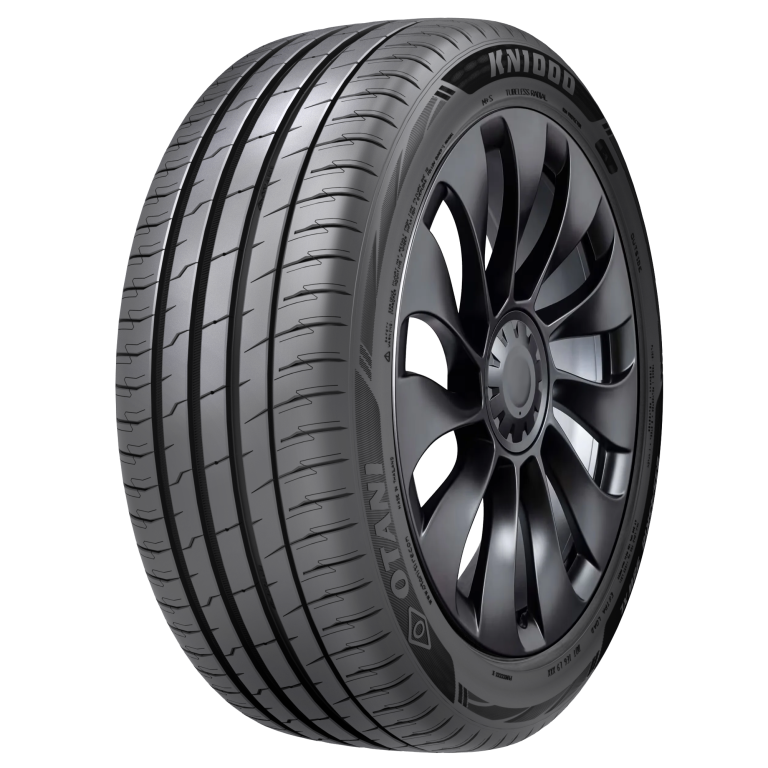
Otani started in Thailand in 2008. The brand began by focusing on commercial truck and bus tires, quickly growing its presence in the Middle East, Africa, and Asia. Otani’s main selling points are affordable pricing, strong durability, and reliable performance under tough road conditions. While Otani is newer to the consumer car tire market, it has earned a loyal following among drivers who want value for money.
Michelin: The Global Innovator
Michelin’s story goes back to 1889 in France. Today, Michelin is one of the world’s largest and most respected tire companies. Its focus has always been on safety, technology, and innovation—from the first removable bicycle tire to run-flat and energy-saving tires. Michelin is known for premium materials, rigorous testing, and a strong presence in motorsport, giving the brand a reputation for top-level performance.
Product Range And Availability
Both brands offer a wide range of tires, but with different strengths.
Otani’s Lineup
Otani mainly covers:
- Passenger car tires: For daily drivers, sedans, and small SUVs.
- SUV and light truck tires: For heavier vehicles and mixed-use.
- Commercial truck and bus tires: Otani’s original specialty.
Otani tires are available in more than 80 countries, but you may not find every model in all regions. Their product names are often simple, like “EK1000” for basic passenger tires or “SA1000” for SUVs.
Michelin’s Lineup
Michelin’s range is much wider, covering:
- Passenger car tires: Including the famous Primacy, Energy, and Pilot Sport series.
- SUV, CUV, and light truck tires: From off-road to all-season.
- Performance and motorsport tires: Used in racing worldwide.
- Winter and specialty tires: For extreme weather or unique uses.
- Commercial and agricultural tires: For trucks, buses, and heavy machinery.
Michelin tires are sold almost everywhere, and their naming system is more complex, with lines for every driving style.

Credit: www.prioritytire.com
Performance: Handling, Braking, And Comfort
A tire’s main job is to keep you safe and comfortable on the road. Here’s how Otani and Michelin compare in real-world performance.
Handling And Grip
Michelin is recognized for tires that provide precise steering, excellent cornering, and grip on both dry and wet roads. Their high-end models, like the Pilot Sport 4, are used by sports cars and receive top ratings in independent tests.
Otani offers decent grip for everyday driving, especially in dry conditions. Some models, like the EK1000, perform surprisingly well considering their price. However, Otani tires may not match Michelin’s stability at high speeds or in sharp turns.
Braking Distance
Braking is where tire quality really matters. In independent tests, Michelin tires often stop 5–10% shorter than lower-priced brands, especially in wet conditions. This difference can be several meters—enough to prevent an accident.
Otani tires tend to have longer braking distances, particularly on wet or slippery roads. For city commuting and moderate speeds, the difference might not feel huge, but for high-speed or emergency stops, Michelin has the clear edge.
Ride Comfort And Noise
Michelin invests heavily in making tires quiet and smooth. Their treads are designed to absorb road bumps and reduce road noise, making long trips more comfortable.
Otani tires are generally stiffer, which can be good for durability but sometimes leads to more road noise or vibration. However, many drivers say Otani’s latest passenger models have improved comfort compared to older versions.
Durability And Tread Life
How long a tire lasts is a key concern, especially if you drive often or on rough roads.
Michelin’s Longevity
Michelin is famous for long tread life. Many of their models are rated for 70,000 km (around 43,500 miles) or more, thanks to advanced rubber compounds and tread designs. Michelin tires tend to wear evenly, which means you get consistent performance until the end.
Otani’s Durability
Otani tires are designed for tough conditions, especially in hot climates or on poor roads. Their commercial truck tires are known for lasting a long time under heavy use. For passenger cars, Otani claims tread life of 50,000–60,000 km on most models, which is respectable for the price. However, some users report faster wear if the tires are driven hard or not rotated regularly.
Real-world Insights
One thing many beginners miss: Tire rotation and wheel alignment have a bigger impact on tread life than most people realize. Even a premium Michelin tire will wear unevenly if not rotated every 8,000–10,000 km. Otani tires, being stiffer, may be more forgiving to rough roads but can wear faster if the suspension is not in good shape.
Wet And Dry Performance
Let’s break down how these brands perform in different weather:
Dry Roads
- Michelin: Excellent stability, short braking, and cornering grip.
- Otani: Good for normal driving, but may lose grip if pushed hard.
Wet Roads
- Michelin: Advanced water-evacuating treads reduce hydroplaning. Tests show Michelin tires keep better grip and shorter stopping distances in rain.
- Otani: Improved in new models, but can struggle with water clearance compared to Michelin. Cautious driving is recommended in heavy rain.
Extreme Weather (snow, Ice)
Michelin offers a full range of winter tires with special rubber for cold and slippery roads. Otani does not have as many winter-specific options, so if you live in an area with snow, Michelin is safer.
Price And Value
Price is often the first reason drivers consider Otani over Michelin. But what do you really get for your money?
Otani: Budget-friendly
Otani tires can cost 30–50% less than Michelin for the same size. For example, a common 205/55R16 Otani tire may sell for $50–$60, while a Michelin of the same size could be $100 or more. This makes Otani a strong choice for:
- Drivers on a tight budget
- Older vehicles
- Fleets or taxis needing affordable tires
Michelin: Premium Investment
Michelin tires are more expensive up front, but they often last longer and offer better safety. For drivers who value peace of mind, performance, and long-term savings, Michelin may be worth the higher price.
Value Considerations
A non-obvious insight: If you drive less than 10,000 km per year, the upfront savings with Otani may be smarter because tires age out before they wear out. But if you drive a lot, Michelin’s longer tread life can actually cost less per kilometer.
Warranty And Customer Support
Warranty is another area where the two brands differ.
Michelin Warranty
Michelin offers warranties of 60,000–90,000 km for most passenger tires, plus road hazard support in some regions. Their customer service is well-rated, and claims are generally easy to process.
Otani Warranty
Otani offers limited warranties (often 30,000–50,000 km) and covers manufacturing defects. However, their support network is smaller, and warranty processing may be slower or more complicated, depending on where you live.
Environmental Impact
For many drivers, how a tire is made matters.
Michelin’s Green Focus
Michelin leads the industry in sustainable practices. They use more recycled materials, design tires to be fuel-efficient, and invest in reducing their carbon footprint. For example, their “Energy Saver” line is designed to improve fuel economy by up to 8%.
Otani’s Efforts
Otani is making progress in using cleaner manufacturing methods but does not have the same global programs as Michelin. Their tires are generally heavier, which can mean slightly higher fuel use.
Non-obvious insight: Tire rolling resistance (how hard it is for a tire to roll) can affect your car’s fuel use. Michelin’s low-rolling-resistance tires can save you money on gas over time, sometimes enough to offset the higher price.
Credit: foreigntire.com
User Reviews And Reputation
Let’s see what real drivers say.
Michelin Owners
- Praise the quiet ride, safety in the rain, and long life.
- Many say Michelin tires feel “premium” and give them confidence at any speed.
- The main complaint is the higher price.
Otani Owners
- Like the affordable price and good performance for daily driving.
- Many taxi drivers and fleets use Otani for value.
- Some report faster wear or more noise, especially on rough roads.
Comparing Popular Models
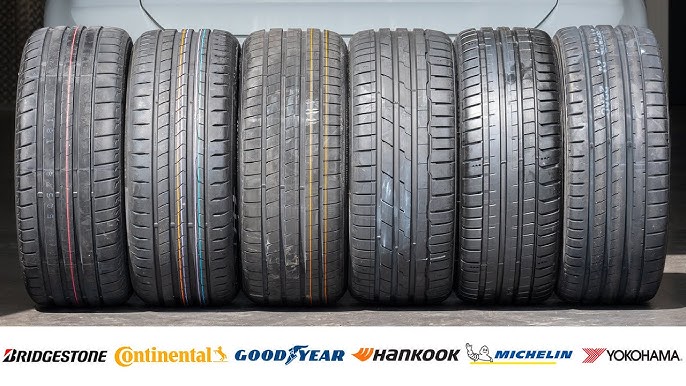
To make things clearer, here’s a side-by-side comparison of two popular tire models from each brand for typical sedans:
| Feature | Otani EK1000 | Michelin Primacy 4 |
|---|---|---|
| Tread Life (km) | 50,000–60,000 | 70,000–75,000 |
| Wet Braking (80–0 km/h) | ~39 meters | ~33 meters |
| Noise Level | Moderate | Very low |
| Price (per tire, USD) | ~$55 | ~$110 |
| Warranty | 30,000 km | 70,000 km |
And for SUV tires:
| Feature | Otani SA1000 | Michelin Latitude Tour HP |
|---|---|---|
| Tread Life (km) | 55,000 | 80,000 |
| Dry Handling | Good | Excellent |
| Wet Handling | Average | Excellent |
| Price (per tire, USD) | ~$85 | ~$180 |
Credit: www.youtube.com
When To Choose Otani Tires
Otani is a smart choice if:
- You want to save money and don’t need premium performance.
- Your driving is mostly city-based or in warm, dry conditions.
- You own older cars or run a taxi/fleet service.
- You need a quick, affordable replacement.
Otani tires deliver good value for their price, especially if you maintain them well and drive sensibly.
When To Choose Michelin Tires
Michelin is worth the extra money if:
- You drive in wet, snowy, or mixed conditions.
- You want maximum safety, especially at high speeds or on highways.
- You keep your car for many years and drive long distances.
- You prefer a quiet, comfortable ride.
Michelin tires are for drivers who see tires as an investment in safety and long-term performance.
Common Buyer Mistakes
Even experienced drivers sometimes make these errors:
- Choosing only by price: Cheaper tires can cost more in the long run if they wear out quickly or increase fuel use.
- Ignoring tire size and specifications: Always match the size, speed rating, and load index to your car’s requirements.
- Not checking manufacturing date: Tires older than 3 years, even if unused, may not perform well.
- Skipping regular maintenance: No tire, no matter the brand, will last if not rotated, balanced, and aligned.
- Not considering road conditions: A tire that works well in a city may struggle on rough, rural roads.
Expert Advice And Final Thoughts
Both Otani and Michelin have their place in the market. Otani gives you practical value and solid basic performance, making it a good fit for budget-focused drivers. Michelin, however, is the better choice for those who want the best safety, durability, and comfort.
If you drive mostly in the city and want to save money, Otani is hard to beat. But if you travel often, drive in varying weather, or simply want peace of mind, Michelin’s higher price is justified by its performance and reliability.
For more insights into tire technology and safety, you can read further at the Wikipedia Tire Article.
Frequently Asked Questions
How Do Otani Tires Perform In Wet Conditions Compared To Michelin?
Otani tires have improved in recent years, but Michelin still leads in wet grip and shorter braking distances. Michelin’s tread patterns help prevent hydroplaning, making them safer for rainy climates.
Are Otani Tires Good For Highway Driving?
Otani tires are suitable for highway use if you drive at moderate speeds and keep up with tire maintenance. However, Michelin offers better high-speed stability and comfort for long-distance travel.
Do Michelin Tires Really Last Longer Than Otani?
Yes, most Michelin models have a longer tread life than Otani tires. Michelin uses advanced rubber and tread designs that resist wear, giving you more kilometers before replacement.
Are Otani Tires Safe For Family Cars?
Otani tires are safe for daily driving and city use, provided you follow maintenance guidelines. For families who drive in varied weather or at higher speeds, Michelin offers more safety features.
Is It Worth Paying More For Michelin Tires?
If you value safety, comfort, and long-term savings, Michelin is worth the higher price. For basic transportation or budget needs, Otani provides solid value for less money.