Vredestein Tires Vs Michelin: In-depth Comparison For Smart Tire Buyers
Choosing the right tires is a decision that impacts your driving experience, safety, and even your wallet. Two brands often compared by both experts and everyday drivers are Vredestein and Michelin. While Michelin is a household name with a long history, Vredestein is known for its European heritage and innovative design. Drivers often ask, “Which is better for me?” The answer isn’t as simple as picking the most famous brand. It depends on your driving style, local climate, and what you value most: price, comfort, or performance.
In this guide, you’ll get a clear, unbiased look at both brands. You’ll learn how they stack up in real-world conditions, what sets them apart, and what users often overlook when comparing Vredestein tires with Michelin. Whether you drive daily on city streets or love long road trips, this article helps you make the right choice—without the usual confusion or marketing hype.
Brand Backgrounds And Market Position
Understanding the roots of each company gives useful context to their tire technology and why they appeal to different types of drivers.
Vredestein: European Specialist With A Design Focus
Vredestein was founded in the Netherlands in 1909. They have a strong reputation in Europe for making high-quality, stylish tires. A unique point is their long-term collaboration with Giugiaro Design, an Italian firm famous for designing luxury cars. As a result, Vredestein tires often have an attractive tread pattern and sidewall design. This focus on style appeals to drivers who want their car to look as good as it drives.
Vredestein has earned trust in the all-season and winter tire categories. Their products are designed for the unpredictable weather of Europe, which includes rain, snow, and icy roads. However, they are less known in North America, so some tire shops may not always stock their full range.
Michelin: Global Leader With Decades Of Innovation
Michelin is a French company founded in 1889. It’s one of the world’s largest tire makers, selling in more than 170 countries. Michelin is famous for its research, safety innovations, and performance in motorsports. Many car manufacturers use Michelin tires as original equipment on luxury and sports cars.
Michelin covers every segment: all-season, summer, winter, SUV, performance, and eco-friendly tires. They invest heavily in new materials and tread technology. Michelin is also the company behind the famous Michelin Guide, which rates top restaurants and hotels, but that’s a story for another day.
Key Technologies And Innovations
Both brands use advanced materials and design, but their focus differs.
Vredestein’s Unique Approach
Vredestein’s main strengths are:
- All-weather focus: Their all-season and winter tires often use high-silica compounds. This improves grip on wet and snowy roads.
- Aesthetic design: The Giugiaro partnership means their tires look unique. The tread patterns aren’t just for show—they help channel water and resist hydroplaning.
- Silent Technology: Many Vredestein tires use foam or special tread layouts to reduce road noise.
A non-obvious insight: Vredestein often targets urban drivers who face mixed weather and want a quiet, smooth ride. Their “Quatrac” series is a good example, winning awards for all-weather performance.
Michelin’s Innovations
Michelin’s reputation for technology comes from:
- EverGrip Technology: As the tire wears, hidden grooves open up, so wet grip stays strong even when the tread is half gone.
- Green X and Energy Saver: These lines reduce rolling resistance for better fuel economy.
- Pilot Sport Series: Engineered for high speed and cornering stability. Many supercars use these as factory tires.
- Acoustic Technology: Some Michelin tires use a foam layer to absorb vibrations, lowering cabin noise.
Michelin’s strength is consistency. Whether you buy a budget tire or a top model, you get reliable quality and long tread life.
Product Range Comparison
Both brands offer tires for many vehicle types, but their strongest areas are slightly different.
| Category | Vredestein Focus | Michelin Focus |
|---|---|---|
| All-Season | Quatrac Series (Award-winning in Europe) | Defender, CrossClimate (Top in US & EU) |
| Winter | Wintrac, Snowtrac (Strong ice/snow grip) | X-Ice, Alpin (Premium for harsh winters) |
| Performance/Sport | Ultrac Vorti (Good for sporty European cars) | Pilot Sport Series (Global motorsport leader) |
| SUV/Truck | Ultrac Satin (less variety) | Latitude, LTX, Primacy (wide selection) |
| Eco-Friendly | Sparse options | Energy Saver, e.Primacy (focus on low rolling resistance) |
A practical example: If you drive a compact car and want a stylish, quiet ride, Vredestein’s Quatrac can be a top pick. For high-mileage highway driving or towing with an SUV, Michelin’s LTX or Defender series may last longer and save fuel.
Performance In Real-world Conditions
How do these brands perform on the road? User reviews and independent tests provide useful clues.
Dry Road Performance
Michelin is known for its precise steering and stable handling, especially at high speeds. The Pilot Sport and Primacy models consistently score high in tests.
Vredestein also scores well, especially in their performance lines. However, some tests show slightly softer steering feedback compared to Michelin’s sportiest tires. For most daily drivers, the difference is too small to notice.
Wet And Rainy Conditions
This is where Vredestein shines. Their Quatrac and Wintrac tires offer impressive grip on wet roads, thanks to high silica content and special tread grooves.
Michelin’s CrossClimate and Primacy 4 are also top performers in the rain. However, Michelin usually costs more for similar wet performance.
A beginner might overlook: While both brands do well in the rain, Vredestein often gives better value in regions with unpredictable showers.
Snow And Winter Performance
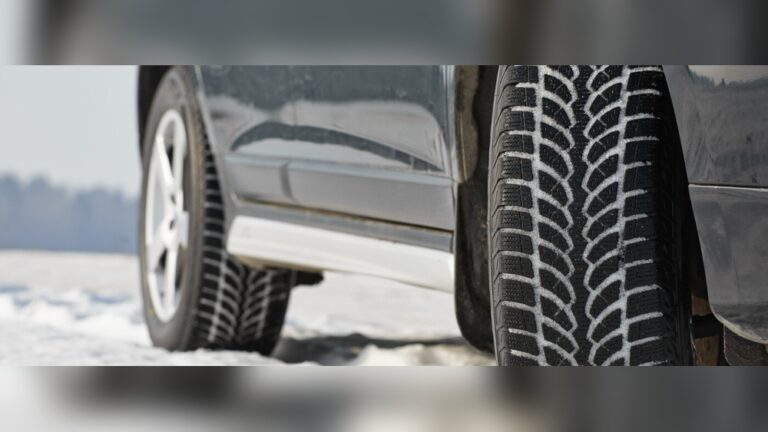
Vredestein’s Dutch roots mean their winter tires, like Wintrac, are reliable on snow and ice. Their tread stays flexible in freezing temperatures.
Michelin’s X-Ice and Alpin are favorites in North America and Europe. They offer slightly better braking on ice, but the difference is small for everyday use.
If you live in an area with heavy snow, both brands offer safe options—but Michelin’s winter models often last longer before losing their edge.
Comfort And Noise
Many drivers pick Vredestein for a quiet ride. The tread design and foam layers reduce road noise, especially on city streets.
Michelin is also strong here, especially with its Acoustic Technology on certain models. However, not all Michelin tires come with this feature, and they tend to cost more.
A non-obvious insight: Tire pressure affects noise as much as the brand. Keeping tires properly inflated can make a Vredestein almost as quiet as a premium Michelin.
Tread Life And Durability
Michelin is famous for long-lasting tires. Their Defender series, for example, comes with warranties up to 80,000 miles (about 130,000 km). Many users report getting close to this mileage with regular care.
Vredestein also offers good tread life, especially for all-season models. However, they rarely match Michelin’s top warranties. For urban drivers or those who rotate tires often, the difference is less important.
Michelin’s harder compounds sometimes give a firmer ride, while Vredestein stays a bit softer and more comfortable.
Price And Value For Money
Price is where Vredestein often wins, but there’s more to the story.
Vredestein: Affordable Quality
Vredestein tires generally cost 10–25% less than Michelin for similar sizes and types. For example, a Vredestein all-season might cost $110, while a Michelin equivalent is $140.
Their lower price does not mean low quality. You get good performance, especially in wet weather, for less money. However, the trade-off is usually shorter tread life and fewer high-mileage options.
Michelin: Premium Price, Premium Product
Michelin tires are expensive, but you often get longer life, better warranties, and more advanced technology. For high-performance or electric vehicles, Michelin may offer options that Vredestein does not.
A beginner mistake: Focusing only on purchase price. Consider cost per mile—Michelin’s higher price can be offset by longer tread life and fuel savings.
Availability And After-sales Support
Michelin is available almost everywhere, with a wide dealer and service network. This means it’s easier to get replacements, handle warranty claims, or find tire shops familiar with their products.
Vredestein is growing in North America but still has limited presence compared to Michelin. In Europe and parts of Asia, it’s easy to find their tires, but in the US, you may need to order online or wait for delivery.
If you travel a lot or want the quickest service, Michelin is the safer bet.
Credit: www.consumerreports.org
User Reviews And Test Results
Independent tests and real-world feedback paint a clear picture of both brands.
Vredestein
- Owners praise the quiet ride and wet grip.
- Quatrac and Wintrac lines get high marks in European tire tests.
- Some users report slightly faster tread wear compared to Michelin.
Example: In the 2023 Auto Bild all-season tire test, the Vredestein Quatrac Pro finished in the top 5 out of 32, beating many bigger brands for wet handling and braking.
Michelin
- Known for long tread life and stable handling at all speeds.
- Pilot Sport, CrossClimate, and Defender series often win awards.
- Some users mention a firmer ride, especially on rough roads.
Example: The Michelin CrossClimate 2 won the 2022 Tire Rack all-season test for grip, comfort, and tread life, but was the most expensive tire in the test.
Pros And Cons Of Each Brand
Summing up the real advantages and drawbacks helps you focus on what matters most for your needs.
Vredestein
Pros:
- Lower purchase price
- Stylish design
- Excellent wet and winter performance
- Quiet, comfortable ride
Cons:
- Shorter tread life (on average)
- Limited dealer network in North America
- Fewer options for SUVs and trucks
Michelin
Pros:
- Long tread life and strong warranties
- Wide range for all vehicle types
- Advanced technology for safety and comfort
- Global support network
Cons:
- Higher price
- Some models have a firmer ride
- Less focus on visual design
Which Brand Is Best For You?
There’s no “one size fits all. ” Here’s how to decide based on your driving style and location.
- City drivers in wet climates: Vredestein offers great value, safety, and quietness.
- High-mileage commuters or road-trippers: Michelin’s longer life and warranty may justify the price.
- Performance car owners: Michelin’s Pilot Sport series is a benchmark; Vredestein’s Ultrac is good but less tested in motorsport.
- Snowy region residents: Both brands are safe; Michelin’s winter tires last a bit longer, but Vredestein may cost less.
- SUV or truck owners: Michelin has more choices and is easier to find.
A non-obvious tip: If you rotate and align your tires regularly, Vredestein’s shorter tread life becomes less of an issue—especially for city or suburban use.
Common Mistakes When Choosing Between Vredestein And Michelin
- Ignoring local dealer support: If you can’t find Vredestein locally, you may face delays for repair or replacement.
- Overlooking tire rotation: Both brands perform best with regular rotation. Skipping this step can reduce tread life by 20% or more.
- Focusing only on brand prestige: Michelin’s name is strong, but Vredestein can deliver equal or better value for many drivers.
- Not checking tire age: Both brands have long shelf lives, but always ask for the production date when buying.
- Choosing “performance” tires for daily city use: Performance models often wear faster and ride harder. Pick all-season or touring tires unless you need maximum grip.
Environmental Impact
Michelin invests heavily in eco-friendly materials and reducing rolling resistance. Their Energy Saver and e.Primacy lines are made for electric and hybrid vehicles, helping to cut CO2 and save fuel.
Vredestein is catching up but lags in “green” technology. Their focus is more on all-weather safety than eco-performance, though they are improving with each new model.
For more on how tire brands work towards sustainability, see Michelin Sustainable Development.
Side-by-side Data Comparison
Here’s a quick look at how the two brands compare on key metrics for a popular all-season tire size (225/45R17):
| Feature | Vredestein Quatrac Pro | Michelin CrossClimate 2 |
|---|---|---|
| Average Price (USD) | $130 | $180 |
| Treadwear Warranty | 50,000 miles | 60,000 miles |
| Wet Braking (60-0 mph) | 129 feet | 126 feet |
| Snow Braking (20-0 mph) | 58 feet | 56 feet |
| Road Noise | Low | Very Low |
| Availability | Limited in US | Wide |

Credit: www.youtube.com
Choosing Based On Your Priorities
Ask yourself:
- Is cost your top concern? Vredestein gives quality at a lower price.
- Do you drive long distances or tow heavy loads? Michelin’s durability pays off.
- Live where winters are harsh? Both brands are safe—Michelin lasts longer, Vredestein costs less.
- Want the quietest, most stylish tire? Vredestein often wins here.
No single tire is “best” for everyone. Think about your climate, mileage, and budget, then choose the features that fit your needs.
Frequently Asked Questions
How Do Vredestein And Michelin Compare In Safety?
Both brands are safe and meet strict international standards. Michelin’s advanced technology gives a slight edge in extreme conditions, but Vredestein’s wet grip and winter performance are excellent, especially for city and suburban driving.
Are Vredestein Tires Good For Suvs And Trucks?
Vredestein has some options for SUVs, mainly in their Ultrac Satin and Quatrac ranges. However, Michelin offers a wider variety, especially for heavy-duty use and off-road driving.
Which Brand Offers Better Warranty Coverage?
Michelin usually provides longer treadwear warranties (up to 80,000 miles on some models). Vredestein’s warranties are shorter, around 50,000 miles for all-season tires. Always check the specific tire model, as terms can vary.
Can I Mix Vredestein And Michelin Tires On My Car?
Mixing brands is not recommended unless you match size, tread pattern, and performance level exactly. For best safety, use four tires from the same brand and model, especially in winter.
Why Are Michelin Tires More Expensive?
Michelin invests more in research, materials, and global support. Their tires often last longer and offer advanced features. You pay more, but may save money over the life of the tire due to durability and fuel savings.
Making a tire choice is about matching the brand’s strengths to your real-world needs. Whether you pick Vredestein or Michelin, understanding these details ensures you get the best value and performance for your driving style.

Credit: www.tire-reviews.com