Every car relies on tires to touch the road, but few people know exactly what holds the tire on a car. If you have ever wondered how tires stay attached during fast turns, heavy braking, or bumpy roads, you are not alone.
Understanding this topic is important for drivers, mechanics, and anyone interested in car safety. This article explains all the key parts, how they work together, and why each matters. By the end, you will see your car’s wheels in a new way.
The Tire: More Than Just Rubber
At first glance, a tire looks like a simple ring of rubber. In reality, a tire is a complex product made from rubber, steel, and fabric. The tire itself does not directly attach to the car. Instead, it fits tightly onto a wheel rim. The inside edge of the tire, called the bead, is reinforced with steel wires. These wires help the tire grip the rim and prevent it from slipping, even under high stress.
There are two main types of tires:
- Tubeless tires: Most modern cars use tubeless tires. The tire’s bead fits tightly against the rim, and air is sealed inside.
- Tube-type tires: Older cars and some motorcycles use tires with inner tubes. The tube holds the air, while the tire and rim work together to keep everything in place.
Tubeless tires are safer and easier to maintain. If you get a puncture, air escapes slowly, giving you time to react. Tube-type tires can lose air quickly and are harder to repair.
The Wheel Rim: The Tire’s Foundation
The wheel rim is the metal ring that supports the tire. It is usually made from steel or aluminum alloy. The rim is shaped to match the tire’s bead, creating a tight fit. When the tire is inflated, air pressure pushes the bead against the rim, locking it in place.
Different cars use different rim sizes, measured in inches (for example, 15-inch, 17-inch, or 19-inch rims). The rim must match the tire size exactly; otherwise, the tire will not seal properly.
Rims also come in various designs:
- Steel rims: Strong and cheap, used on many economy cars.
- Alloy rims: Lighter and more stylish, common on sports cars and luxury vehicles.
Most rims have a lip or edge that helps hold the tire bead. This small detail prevents the tire from sliding off during sudden maneuvers.
Credit: www.alamy.com
Lug Nuts And Wheel Bolts: The Main Fasteners
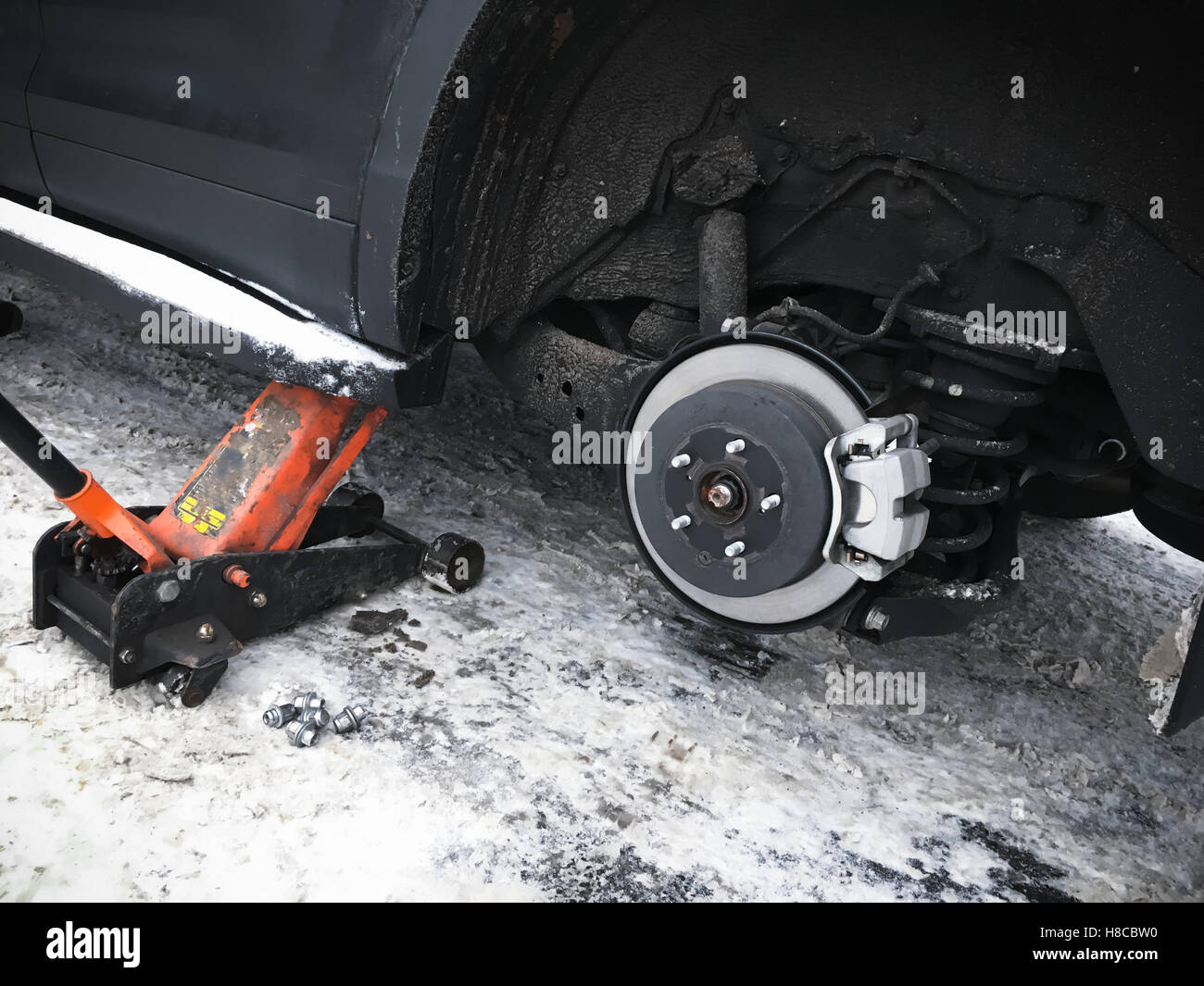
The tire and rim together form the wheel assembly, but they are not directly attached to the car. Instead, lug nuts (or wheel bolts) are used to fasten the rim to the car’s hub. This is where the real holding power comes from.
Lug Nuts
Most cars have four or five lug nuts per wheel. These are strong metal nuts that thread onto bolts sticking out from the hub. Tightening the lug nuts clamps the rim against the hub, creating a secure connection.
Wheel Bolts
Some cars use wheel bolts instead of nuts. In this system, the bolt passes through the rim and screws into the hub itself. Both systems are equally strong, but wheel bolts are common in European cars.
Proper torque is critical. If lug nuts are too loose, the wheel can wobble or come off. If too tight, they can damage the threads or crack the rim. Mechanics use a torque wrench to apply the right force, usually between 80 and 100 foot-pounds.
Locking Lug Nuts
For extra security, some cars use locking lug nuts. These require a special key to remove, protecting against wheel theft.
The Hub: Connecting Everything
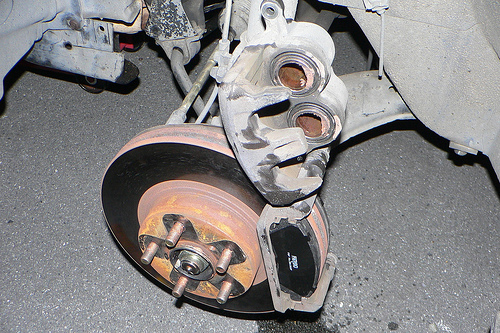
The hub is a thick metal disk attached to the car’s suspension. It holds the wheel assembly, houses bearings, and connects to the axle. The hub has holes for lug nuts or bolts and a center bore that fits snugly against the rim.
This tight fit is important. If the rim’s center bore is too large, the wheel can shift during driving, causing vibrations and unsafe handling.
Wheel Bearings: Smooth Movement
Every wheel has bearings inside the hub. These small, round parts are made from steel and filled with grease. They let the wheel spin smoothly while supporting the car’s weight.
Bad bearings can cause noise, rough handling, or even wheel failure. Regular inspection is important, especially on older cars.
Air Pressure: The Invisible Force
Air pressure inside the tire plays a big role in holding the tire onto the rim. When you inflate a tire, air pushes the bead against the rim’s lip, sealing the tire in place. If air pressure drops too low, the bead can slip, causing leaks or even sudden tire separation.
Most passenger car tires need 32–35 psi (pounds per square inch) of air. Always check your tire pressure regularly. Driving with low pressure increases risk and wears out the tire faster.
Comparison: Key Parts That Hold The Tire
Here’s a simple comparison of how each part helps keep the tire attached:
| Part | Main Function | Material | Risk if Damaged |
|---|---|---|---|
| Bead | Locks tire onto rim | Steel wire + rubber | Tire slips off rim |
| Wheel Rim | Supports tire & seals air | Steel/Aluminum | Air leaks, tire falls off |
| Lug Nuts/Bolts | Fasten rim to hub | Steel | Wheel detaches |
| Hub | Connects wheel to car | Steel | Wheel cannot be attached |
| Air Pressure | Pushes bead to rim | Compressed air | Bead slips, tire separation |
How It All Works Together
When you mount a tire, you first place it onto the rim. The bead fits tightly in a groove. Then, you inflate the tire. Air pressure pushes the bead against the rim, creating a strong seal. Next, you attach the rim to the hub using lug nuts or bolts.
Tightening these fasteners clamps the rim, and the hub supports the wheel assembly.
This multi-layered system is designed for safety. If one part fails, the others help prevent disaster. For example, if air pressure drops, lug nuts still hold the rim. If a lug nut breaks, the remaining nuts keep the wheel attached.

Credit: www.reddit.com
Common Mistakes And Risks
Many people overlook some important details when dealing with tires and wheels. Here are mistakes that can lead to tire problems:
- Using the wrong rim size: If the rim does not match the tire, the bead will not seal, leading to leaks.
- Loose lug nuts: Always check lug nuts after tire changes. Loose nuts are a top cause of wheel loss accidents.
- Damaged bead: Never force a tire onto a rim. If the bead is cut or bent, it will not lock properly.
- Low air pressure: Underinflated tires can slip off the rim, especially during hard cornering.
- Ignoring hub fit: Some aftermarket rims do not fit the hub perfectly. This can cause vibrations and unsafe driving.
- Skipping torque checks: Tighten lug nuts to the recommended torque. Over-tightening can break studs; under-tightening lets the wheel wobble.
Special Cases: Run-flat Tires And Racing Wheels
Some cars use run-flat tires. These have reinforced sidewalls that let you drive even after losing air. The bead and rim are extra strong to keep the tire attached without air pressure.
Race cars use center-lock wheels. Instead of lug nuts, a single large nut holds the rim to the hub. This allows fast wheel changes but requires special tools.
Data: Wheel Failure Statistics
According to the U.S. National Highway Traffic Safety Administration (NHTSA), about 11,000 tire-related crashes occur every year. Many are caused by improper mounting, loose lug nuts, or low air pressure. Regular checks can prevent most accidents.
Comparison: Steel Vs. Alloy Rims
Choosing the right rim affects how well the tire stays attached. Here’s a comparison:
| Feature | Steel Rim | Alloy Rim |
|---|---|---|
| Strength | High | Medium-High |
| Weight | Heavy | Light |
| Corrosion | Rusts easily | Resists rust |
| Price | Low | High |
| Appearance | Basic | Stylish |
Practical Tips For Safe Tires
- Check lug nut tightness every month or after changing a tire.
- Inspect rims for cracks or bends before mounting new tires.
- Use the correct tire and rim size for your car.
- Maintain air pressure as recommended by your car manufacturer.
- Replace damaged beads or tires immediately.
- Avoid cheap aftermarket rims that do not fit your hub correctly.
- Ask a mechanic to check wheel bearings during routine service.
Example: Changing A Tire The Right Way
Imagine you get a flat tire. Here’s how to change it safely:
- Park on a level surface and turn off the engine.
- Loosen the lug nuts slightly before lifting the car.
- Use a jack to raise the car.
- Remove the lug nuts and pull off the wheel.
- Mount the new wheel, align the rim with the hub.
- Tighten lug nuts in a star pattern, not in a circle.
- Lower the car and finish tightening the nuts to the correct torque.
Most beginners miss two key steps: checking the rim for damage, and tightening lug nuts in a star pattern. This prevents uneven pressure and helps the tire stay secure.
Credit: en.wikipedia.org
How Professionals Mount Tires
Professional tire shops use machines to mount and balance tires. The process includes:
- Inspecting the rim and tire for damage.
- Lubricating the bead for easier fitting.
- Placing the tire on the rim and inflating to proper pressure.
- Balancing the wheel to prevent vibration.
- Tightening lug nuts with a torque wrench.
These steps ensure the tire is fully secured and will not come off during driving.
Data: Torque Specifications For Common Cars
Here is a quick guide to lug nut torque for popular car models:
| Car Model | Lug Nut Torque (ft-lb) | Lug Nut Count |
|---|---|---|
| Toyota Corolla | 80 | 5 |
| Honda Civic | 90 | 4 |
| Ford F-150 | 135 | 6 |
| BMW 3 Series | 88 | 5 (bolts) |
Always check your car’s manual for exact numbers.
Non-obvious Insights
Many drivers do not realize that:
- The center bore of the rim must match the hub exactly. Even a small gap can cause vibration and wheel shifting.
- Using anti-seize lubricant on lug nuts can help prevent rust but may affect torque. Always follow manufacturer recommendations.
- Aftermarket wheels often need hub-centric rings to fit properly. Without them, the wheel is held only by lug nuts, which is less secure.
External Resource
For more details on tire mounting and safety, visit Wikipedia: Automobile wheel.
Frequently Asked Questions
What Happens If Lug Nuts Are Not Tight Enough?
Loose lug nuts let the wheel wobble. This can cause damage to the rim, hub, and even make the wheel fall off while driving. Always tighten them to the recommended torque.
Can A Tire Come Off While Driving?
Yes, but it is rare. It usually happens if the rim is damaged, lug nuts are loose, or air pressure is very low. Regular checks prevent this risk.
How Often Should I Check My Tire And Wheel?
Check tire air pressure monthly. Inspect lug nuts, rims, and beads whenever you change a tire or notice vibrations.
Are Alloy Rims Better Than Steel Rims?
Alloy rims are lighter and look better, but steel rims are stronger and cheaper. Both types hold the tire well if matched correctly to the car.
What Is The Bead Of A Tire?
The bead is the inner edge of the tire, reinforced with steel wires. It locks the tire onto the rim and keeps air sealed inside.
Your car’s tires are held by a smart system of parts working together. Understanding these parts helps you stay safe and avoid common mistakes. Always check your wheels, use the right parts, and follow expert advice for peace of mind on the road.