Checking tire pressure on your Mercedes is not only about safety. It also helps your car run smoothly, saves fuel, and prevents costly repairs. Many Mercedes vehicles have advanced systems, but even with new technology, you must know the steps and details to keep your tires in top shape. This guide will show you the best ways to check tire pressure, explain why it matters, and help you avoid common mistakes. Whether you drive a classic Mercedes or a newer model, you’ll learn practical advice and insider tips that most beginners miss.
Why Tire Pressure Matters For Mercedes Owners
Tire pressure affects every part of your driving experience. If your Mercedes tires are underinflated or overinflated, you risk:
- Reduced fuel efficiency (up to 3% lost per tire)
- Faster tire wear (shortens tire life by 25%)
- Poor handling and braking
- Higher risk of blowouts
Mercedes-Benz cars are engineered for performance and comfort. Incorrect tire pressure can ruin both. The right pressure helps your suspension, steering, and even the electronic systems work correctly. Mercedes models often use sensitive sensors, so ignoring tire pressure can trigger warning lights or even cause the car to enter a ‘limp’ mode.
How To Find The Correct Tire Pressure For Your Mercedes
Before checking tire pressure, you need to know the recommended PSI (pounds per square inch).
Where To Locate Tire Pressure Information
Mercedes owners can find the correct tire pressure:
- Driver’s door jamb: Look for a sticker when you open the driver’s door.
- Owner’s manual: Check the tire section for PSI values.
- Fuel filler cap: Some models have pressure info inside the fuel cap.
- Mercedes-Benz official website: Enter your VIN for accurate specs.
The recommended PSI is usually between 32–36 PSI for most passenger Mercedes models. SUVs and AMG models may need higher or lower values. Always use the figure for “cold tires” (tires that haven’t been driven for several hours).
Example Pressure For Popular Models
Here’s a quick reference for common Mercedes models:
| Model | Front Tires (PSI) | Rear Tires (PSI) | Notes |
|---|---|---|---|
| C-Class (W205) | 33 | 36 | Normal load |
| E-Class (W213) | 32 | 35 | Normal load |
| GLC SUV | 36 | 36 | All load |
| AMG GT | 29 | 32 | Performance tires |
Always confirm with your specific sticker or manual. Tire size and load affect PSI.
Tools Needed To Check Tire Pressure
Checking tire pressure is simple, but you need the right tools:
- Digital tire pressure gauge: Accurate and easy to read.
- Analog (pencil) gauge: Less precise but cheap and portable.
- Mercedes onboard system: Most newer models (since 2010) have a TPMS (Tire Pressure Monitoring System).
- Air compressor: For inflating tires if pressure is low.
- Gloves: Optional, but useful for keeping hands clean.
Digital gauges cost $15–$25 and are more reliable. TPMS is standard on all Mercedes sold in the US and EU since 2014.
Step-by-step: How To Check Tire Pressure On Your Mercedes
Follow these steps to check tire pressure safely and correctly:
Step 1: Prepare Your Car
- Park your Mercedes on a level surface.
- Make sure the tires are cold (car hasn’t been driven for at least 3 hours).
- Turn off the ignition.
Why cold tires? Driving heats up tires and increases PSI. Always check before driving for the most accurate reading.
Step 2: Find The Valve Stem
- Locate the valve stem on each tire. It’s a small rubber or metal tube sticking out from the wheel.
- Remove the cap and keep it safe.
Most Mercedes wheels use standard valve stems, but AMG models may have metal caps for style and protection.
Step 3: Use Your Tire Pressure Gauge
- Press the gauge firmly onto the valve stem. You’ll hear a brief hiss.
- Read the PSI number on your gauge.
- Repeat for all four tires (and the spare, if you have one).
Digital gauges show numbers instantly. Analog gauges use a needle or pop-out stick.
Step 4: Compare To Recommended Psi
- Check your readings against the sticker or manual.
- If PSI is too low, add air until you reach the right level.
- If PSI is too high, release air by pressing the valve briefly.
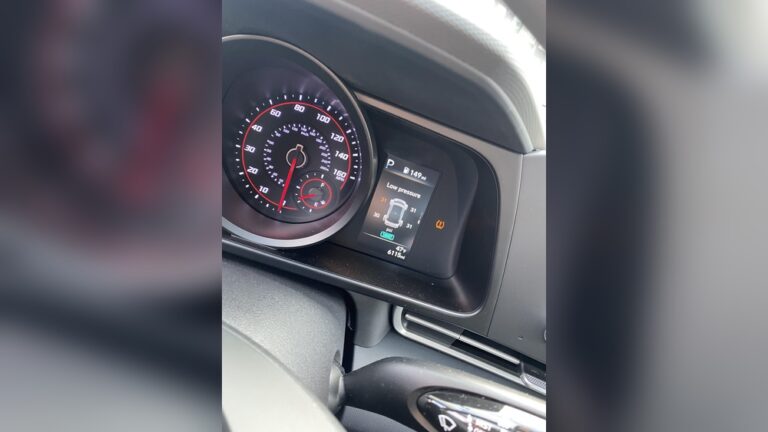
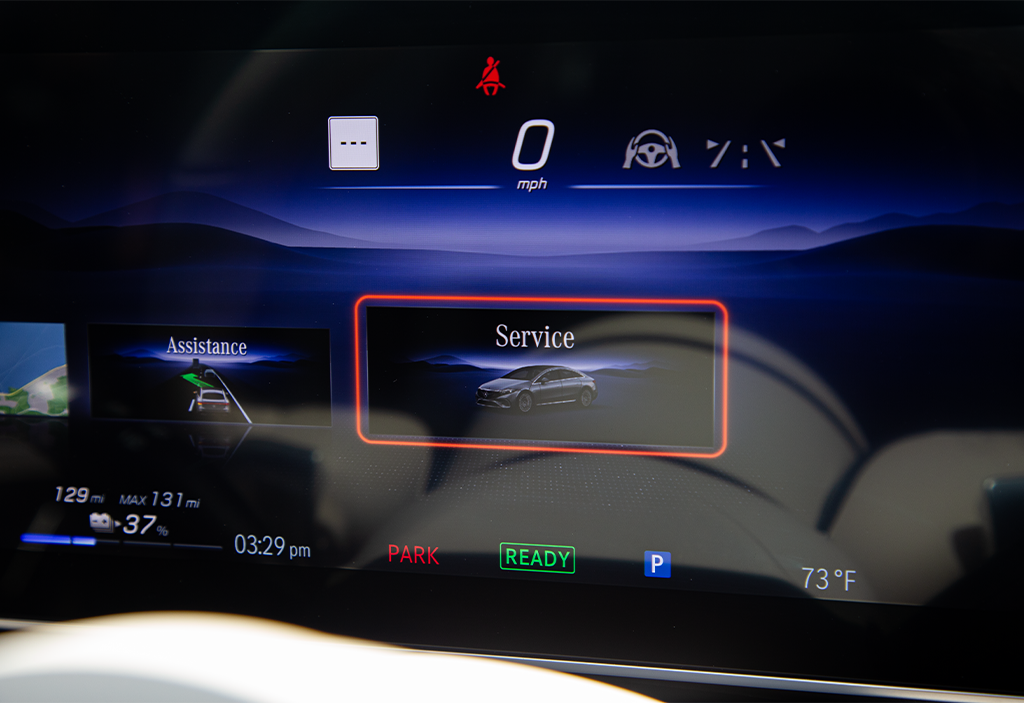
For Mercedes vehicles with TPMS, you can check readings on the dashboard screen:
- Turn the ignition on.
- Scroll to “Service” or “Vehicle” menu.
- Select “Tire Pressure.”
- View each tire’s PSI.
TPMS readings are usually accurate, but manual gauges sometimes show slightly different numbers (up to 1 PSI off).
Step 5: Replace Valve Caps
- Screw the cap back on each stem tightly.
- Don’t skip this step! Valve caps keep dirt and moisture out.
Step 6: Record Your Results
Keep a log of your tire pressures. If you notice one tire is always low, it may have a slow leak or damage.
Understanding Mercedes Tpms: Tire Pressure Monitoring System
Mercedes-Benz cars have a TPMS that alerts you if a tire is underinflated. Here’s how it works:
- Sensors in each wheel measure PSI.
- If pressure drops below safe level, you get a warning on the dashboard.
- Some models show exact PSI for each tire; others just show a warning symbol.
But TPMS is not perfect. It can miss small leaks, and it only triggers when pressure drops about 25% below recommended PSI. Always check manually every month or before long trips.
Resetting Tpms On Mercedes
If you refill tires or rotate them, you might need to reset the TPMS:
- Turn ignition to “ON” (engine off).
- Go to “Service” or “Vehicle” menu.
- Select “Tire Pressure.”
- Choose “Reset” or “Relearn.”
- Drive for 10–15 minutes above 20 mph.
Some models auto-reset after driving. If the warning doesn’t go away, check for a damaged sensor.
How Often Should You Check Tire Pressure?
Mercedes recommends checking tire pressure:
- Once a month
- Before any long trip
- After sudden temperature changes
Why? Tire pressure drops about 1 PSI per month naturally, and falls faster in cold weather. For example, a 10°C drop can lower tire pressure by 1 PSI. Frequent checks help you spot slow leaks or punctures early.
Common Mistakes When Checking Tire Pressure
Many Mercedes owners make simple errors that can cost money or create safety risks.
1. Checking Tires When Hot
Tires heat up from driving, which raises PSI. If you check after driving, PSI may seem normal but drops when tires cool.
2. Using Unreliable Gauges
Cheap gauges can be off by 2–3 PSI. Always use a quality digital gauge or trust TPMS only if sensors are healthy.
3. Ignoring The Spare Tire
Some Mercedes models have a spare that’s rarely checked. A flat spare is useless in emergencies.
4. Not Matching Front And Rear Pressures
Some Mercedes require different PSI front vs. rear. Always follow the sticker.
5. Forgetting About Seasonal Changes
Cold weather lowers PSI. Check more often in winter or if you park outside.
What Happens If You Ignore Tire Pressure?
Ignoring tire pressure can cause:
- Uneven tire wear (tires may last only 20,000 miles instead of 30,000+)
- Poor handling, especially in rain or snow
- Increased stopping distance (up to 20% longer)
- TPMS warning lights, which can hide other issues
Mercedes-Benz engineers design cars for high performance. Incorrect pressure reduces grip, hurts fuel economy, and can even void warranties if ignored.
Practical Tips For Mercedes Tire Care
Here are expert tips to keep your Mercedes tires healthy:
- Rotate tires every 6,000–8,000 miles to even out wear.
- Check tire pressure in the morning, not after driving.
- Use Mercedes-approved tire brands for best results.
- If you drive fast or carry heavy loads, check more often.
- Inspect tires for cracks, bulges, or nails each month.
- Replace tires when tread is below 2/32” (about the width of a penny).
- Don’t rely only on TPMS—manual checks catch small leaks.
Many beginners miss the importance of matching tire pressure to load and speed. If you drive with heavy passengers or luggage, increase PSI by 2–3 as recommended.
Comparing Tire Pressure Gauges: Which Is Best For Mercedes?
Choosing a good gauge is important. Here’s a comparison of popular types:
| Type | Accuracy | Ease of Use | Price Range | Mercedes Compatibility |
|---|---|---|---|---|
| Digital | High (±0.5 PSI) | Very easy | $15–$25 | All models |
| Analog (dial) | Medium (±1 PSI) | Easy | $10–$20 | All models |
| Pencil (stick) | Low (±2 PSI) | Moderate | $5–$10 | All models |
| TPMS | High (±1 PSI) | Very easy | Included | 2010+ models |
Digital gauges are best for accuracy and speed. TPMS is convenient, but always have a backup gauge.
Credit: www.mbofmaui.com
How Tire Pressure Affects Performance And Safety
Proper tire pressure has big effects:
- Fuel economy: Up to 3% better mileage with correct PSI.
- Handling: Mercedes steering feels crisp and stable.
- Safety: Reduces risk of skidding, hydroplaning, or blowouts.
- Tire lifespan: Tires last longer and wear evenly.
A Mercedes-Benz E-Class with 5 PSI too low can use 1 extra gallon of fuel per week and take longer to stop. Small mistakes add up over time.
Real-world Example: Checking Tire Pressure Before A Road Trip
Imagine you’re taking your Mercedes C-Class on a long drive. You check tire pressure and notice:
- Front left: 31 PSI (recommended 33)
- Front right: 32 PSI (recommended 33)
- Rear left: 34 PSI (recommended 36)
- Rear right: 35 PSI (recommended 36)
You add air using a compressor, re-check, and all tires are at the correct PSI. You reset the TPMS, and your dashboard shows no warnings. The car drives smoother, and you save fuel on your trip. This simple routine prevents headaches and keeps your Mercedes in prime condition.

Credit: www.youtube.com
Mercedes Tire Pressure: Seasonal And Load Adjustments
Mercedes recommends adjusting PSI for:
- Cold weather: Add 2–3 PSI to counter air loss.
- Heavy load: Add 2–3 PSI above normal for extra passengers or cargo.
- High-speed driving: Follow manual for performance settings.
Always return to standard PSI when conditions change.
Comparing Mercedes Tire Pressure To Other Brands
Mercedes-Benz models are more sensitive to tire pressure changes than many other brands. For example:
| Brand | Usual PSI Range | TPMS Sensitivity | Performance Impact |
|---|---|---|---|
| Mercedes-Benz | 32–36 | High | Major |
| BMW | 32–36 | Medium | Medium |
| Audi | 32–36 | Medium | Moderate |
| Toyota | 30–35 | Low | Minor |
Mercedes systems are tuned for luxury and performance, so tire pressure plays a bigger role. Always follow Mercedes-specific advice.
When To Replace Your Mercedes Tires
Check your tires for:
- Tread depth below 2/32” (test with a penny)
- Cracks, bulges, or exposed wires
- Frequent air loss despite correct pressure
Mercedes recommends replacing tires every 6 years even if tread is good, due to aging rubber.
Where To Get Tire Pressure Help
If you’re unsure, visit a Mercedes dealer or a trusted tire shop. They can check for leaks, reset TPMS, and recommend the best tires. For more on tire safety, see NHTSA Tire Safety.

Credit: www.fjmercedes.com
Frequently Asked Questions
How Often Should I Check Tire Pressure On My Mercedes?
Check tire pressure at least once a month and before long trips. Also check after big temperature changes.
Can I Use Any Tire Pressure Gauge For My Mercedes?
Yes, but digital gauges are best for accuracy. TPMS works well, but always have a manual gauge as backup.
What Happens If My Mercedes Tpms Shows A Warning?
Stop as soon as safe. Check all tires for damage or low PSI. If no obvious issue, refill tires and reset TPMS.
Is It Safe To Check Tire Pressure Right After Driving?
No. Tires heat up and PSI rises. Wait until tires are cold (not driven for 3 hours) for best results.
Do Mercedes Tires Need Special Pressure For Winter?
Yes. Add 2–3 PSI above normal in cold weather to counter air loss. Check more often if parked outside.
Keeping your Mercedes tires at the right pressure is easy, but it requires attention and care. By following these steps, you protect your car, save money, and enjoy the smooth ride that Mercedes-Benz is famous for. Make checking tire pressure a habit—it’s one of the smartest things you can do for your car.