Pneumatic Tires Vs Solid Tires: A Detailed Comparison for Smart Choices
Choosing between pneumatic tires and solid tires might seem simple, but the decision can greatly affect the performance, safety, and cost of your equipment or vehicle. Whether you are working in a warehouse, managing a construction site, or just trying to find the best wheels for your forklift or scooter, understanding the real differences is crucial. Many people focus only on price or what they see most often, missing important facts about durability, comfort, and long-term value.
This article takes you through everything you need to know about pneumatic and solid tires. You will learn their structures, benefits, disadvantages, costs, and how each type performs in the real world. We’ll compare them using clear examples, real data, and practical advice.
By the end, you’ll feel confident in making the right choice for your needs—without regrets or expensive mistakes.
What Are Pneumatic Tires?
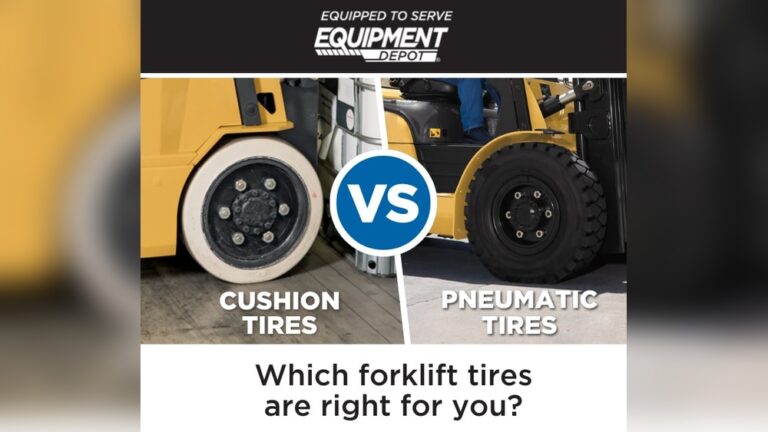
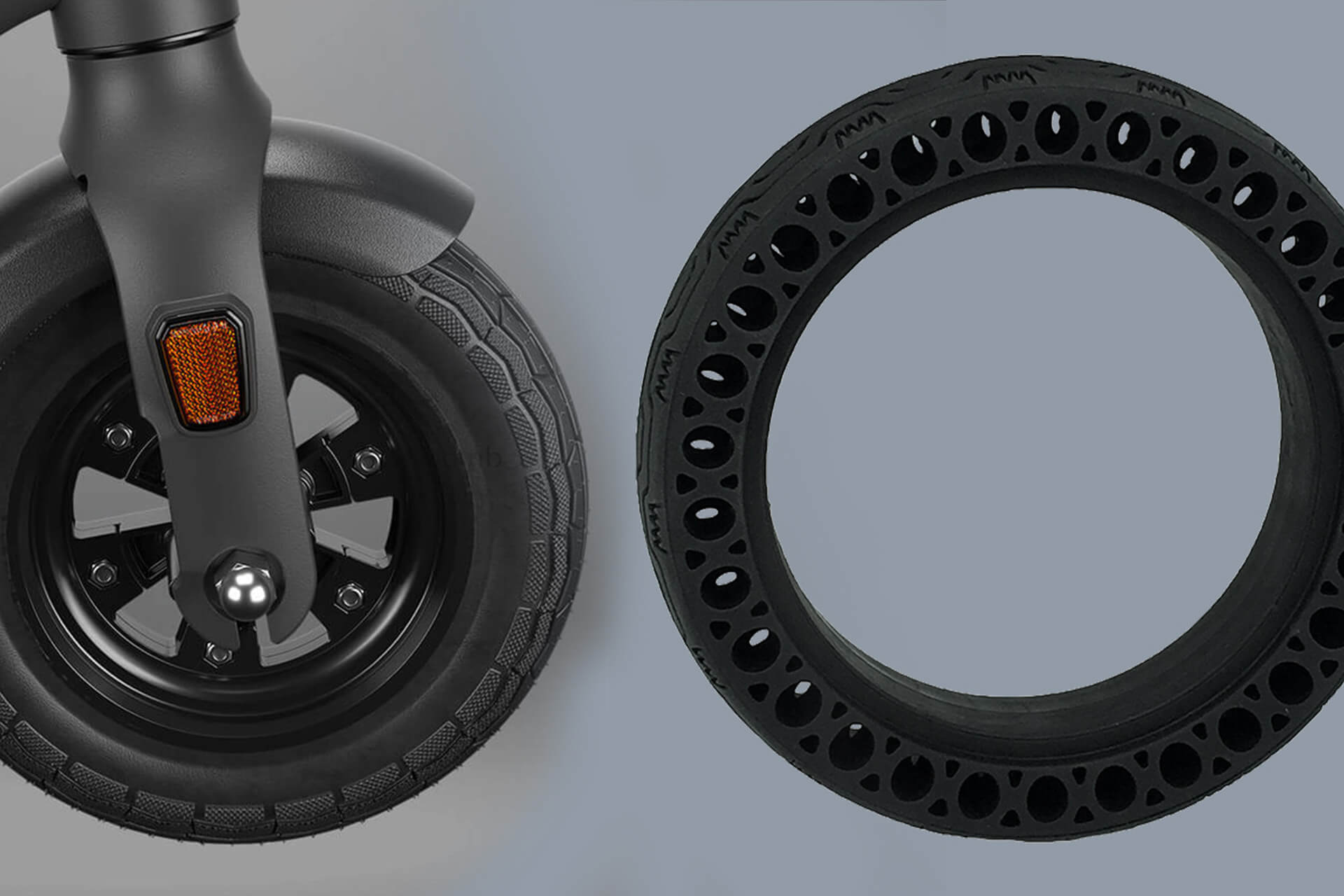
Pneumatic tires are tires filled with air, much like the tires you see on cars and bicycles. They have a flexible rubber outer layer and an inner tube or air chamber. This design gives them a soft, cushion-like quality. When you roll over bumps or rough ground, the tire absorbs shocks, making the ride smoother.
Key Components
- Tread: The patterned surface that touches the ground. It gives grip.
- Sidewall: The side part that connects tread to the bead.
- Bead: The edge that holds the tire onto the rim.
- Inner Tube or Liner: Holds the air inside (not all pneumatic tires have tubes).
Main Uses
Pneumatic tires are common in:
- Cars and trucks
- Bicycles and motorcycles
- Forklifts (for outdoor use)
- Wheelchairs
- Lawn and garden equipment
Their popularity comes from a balance between comfort, grip, and cost.
What Are Solid Tires?
Solid tires are made from solid rubber or plastic compounds. They contain no air. Instead, they rely on their dense material for support and shape. This makes them extremely tough and resistant to punctures.
Key Components
- Rubber body: The entire tire is solid, sometimes with added materials for strength.
- Core: Some solid tires have a steel or reinforced core to hold their shape.
Main Uses
Solid tires are found in:
- Forklifts (especially indoors)
- Industrial carts and trolleys
- Airport ground equipment
- Some electric scooters
- Construction machines
Their main advantage is durability in harsh, debris-filled environments.
Direct Comparison: Pneumatic Vs Solid Tires
To understand which type is best for you, let’s see how they compare in real-world situations.
| Feature | Pneumatic Tires | Solid Tires |
|---|---|---|
| Shock Absorption | Excellent | Poor to Moderate |
| Puncture Resistance | Poor | Excellent |
| Traction | High | Moderate |
| Maintenance | Frequent (air checks, repairs) | Minimal |
| Lifespan | Shorter | Longer |
| Cost | Lower up front | Higher up front |
| Weight | Lighter | Heavier |
Advantages Of Pneumatic Tires
Many people prefer pneumatic tires for good reasons:
- Comfortable Ride: The air inside acts like a cushion, absorbing shocks from bumps and holes. This is important for vehicles carrying people or fragile goods.
- Better Traction: The soft rubber and tread pattern grip the ground well, reducing slips, especially on wet or uneven surfaces.
- Lightweight: Less material means lighter tires. This can improve fuel efficiency and make vehicles easier to handle.
- Cheaper to Buy: Most pneumatic tires cost less than solid tires of the same size, making them attractive for budget-conscious buyers.
- Easier to Replace: These tires are widely available, and most mechanics can repair or replace them quickly.
Non-obvious Insights
- Pneumatic tires can be customized by changing the air pressure. Lower pressure gives more grip and comfort, while higher pressure reduces rolling resistance.
- In cold climates, pneumatic tires stay softer and flexible, maintaining good traction where solid tires can become hard and slippery.

Credit: www.isinwheel.com
Disadvantages Of Pneumatic Tires
Still, pneumatic tires are not perfect for every situation. Consider these drawbacks:
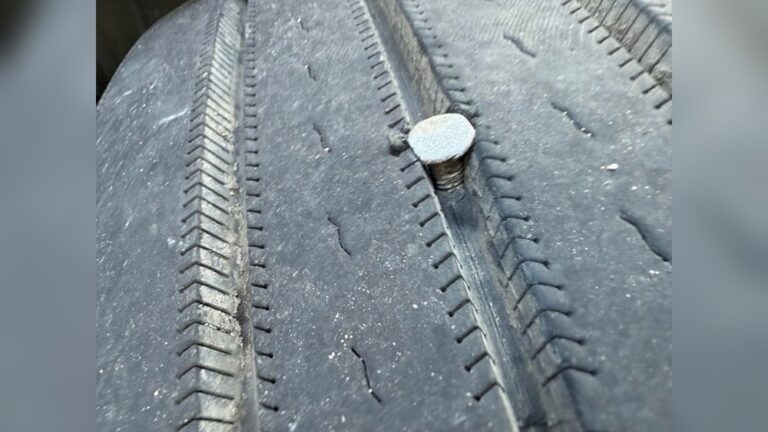
- Punctures and Flats: Sharp objects like nails or glass can easily pierce them, causing air loss and sudden downtime.
- Regular Maintenance: You must check air pressure often. Under-inflated tires wear out faster and can be dangerous.
- Shorter Lifespan: Repeated impacts, UV rays, and chemicals can damage the rubber, leading to cracks and blowouts.
- Not Ideal for Heavy Loads: Under heavy loads, pneumatic tires can deform, affecting stability and safety.
- Downtime Risk: A flat tire can stop a machine or vehicle, causing delays and lost productivity.
Non-obvious Insights
- Over-inflating pneumatic tires to “avoid flats” actually makes them more likely to burst and wear unevenly.
- For forklifts, using pneumatic tires indoors can increase dust and debris problems, as air movement from the tires kicks up particles.
Advantages Of Solid Tires
Solid tires shine in tough conditions where reliability is more important than comfort.
- Puncture-Proof: No air means nails, glass, or scrap metal cannot cause flats. Perfect for environments with lots of debris.
- Low Maintenance: You don’t need to check air pressure or worry about patching holes. Just install and use.
- Longer Lifespan: Solid rubber wears down slowly. Many users report solid tires lasting two to three times longer than pneumatic.
- Stable Under Heavy Loads: These tires don’t deform much, keeping vehicles steady and safe even with heavy cargo.
- Predictable Performance: They keep the same shape and size throughout their life, ensuring consistent handling.
Non-obvious Insights
- Solid tires can actually lower long-term costs, despite their higher price, by reducing downtime and replacement frequency.
- For electric vehicles, solid tires mean no sudden stops due to flats, which can be critical for delivery robots or warehouse automation.

Credit: www.youtube.com
Disadvantages Of Solid Tires
However, solid tires are not perfect for every use:
- Rough Ride: With no air cushion, you feel every bump. This can damage delicate cargo and tire out operators.
- Heavier: Solid tires weigh more, making equipment harder to push or less energy efficient.
- More Expensive Up Front: The purchase price can be double or triple that of pneumatic tires.
- Lower Traction in Some Cases: The hard surface can slip on wet or oily floors.
- Possible Floor Damage: Heavy, hard tires can leave marks or dents on soft floors, especially in sensitive areas.
Non-obvious Insights
- Over time, the extra weight of solid tires can cause more wear on vehicle axles and bearings.
- For outdoor use, solid tires can get stuck in soft ground or mud much more easily, as they do not “float” like air-filled tires.
Cost Analysis: Which Is Cheaper In The Long Run?
Cost is more than just the price tag. You need to consider:
- Purchase price
- Maintenance costs
- Downtime losses
- Replacement frequency
Let’s compare a typical scenario for forklift tires over 3 years.
| Cost Factor | Pneumatic Tires | Solid Tires |
|---|---|---|
| Purchase Price (set of 4) | $400 | $1,200 |
| Maintenance (repairs, air checks) | $300 | $50 |
| Average Replacements | 3 sets | 1 set |
| Downtime Cost (per year) | $500 | $100 |
| Total 3-Year Cost | $2,600 | $1,450 |
This example shows that solid tires, while expensive at first, can save money over time—especially in busy industrial environments.
Performance In Different Environments
Indoor Warehouses
Solid tires are the clear winner. They handle debris, require less attention, and last longer. Smooth indoor floors make comfort less important, so the rougher ride of solid tires is not a big problem.
Outdoor Yards And Construction Sites
Pneumatic tires perform better. They handle rocks, uneven ground, and holes, giving a safer and smoother ride. If you work outdoors, comfort and traction often matter more than puncture resistance.
Wet Or Slippery Floors
Pneumatic tires usually grip better because they have deeper treads and softer rubber. Solid tires can slip, so extra care or special tread designs may be needed.
Cold Or Hot Temperatures
Pneumatic tires keep their performance in extreme cold, while solid tires can become hard and lose grip. In very hot environments, solid tires do not risk blowouts, but pneumatic tires may need more frequent checks.
Choosing The Right Tire For Your Needs
Selecting the best tire is not just about “solid or pneumatic.” Think carefully about your situation:
- Type of Surface: Are you mostly on smooth floors or rough terrain?
- Load Weight: Do you carry heavy loads that need extra support?
- Frequency of Use: Is the equipment used all day, every day?
- Downtime Tolerance: Can you afford to stop work for repairs?
- Budget: Is it better to spend less now or save over time?
- Safety Needs: Do you carry people or fragile goods?
Practical Examples
- Warehouse forklift: Solid tires are best. They resist sharp objects, last longer, and reduce stops for repairs.
- Outdoor landscaping cart: Pneumatic tires provide comfort and grip on grass or gravel.
- Airport baggage trolley: Solid tires prevent flats and downtime, which is critical in busy airports.
- Electric scooter for city commuting: Pneumatic tires offer comfort on uneven streets, but solid tires may be better if your route is full of glass or debris.
Myths And Common Mistakes
Many people make costly mistakes due to common myths. Here are some to avoid:
- “Solid tires never need replacing.”
- Not true. They last longer but still wear down, especially on rough or abrasive surfaces.
- “Pneumatic tires are always cheaper.”
- Over time, frequent replacements and downtime can make them more expensive.
- “Solid tires are unsafe because they skid.”
- With the right tread design, solid tires can grip well. Skidding usually happens due to wrong tire choice for the surface.
- “You can use any tire anywhere.”
- Each tire is designed for specific conditions. Using the wrong type can damage equipment and reduce safety.
- “Maintenance is not important for solid tires.”
- You still need to check for cracks, core separation, or uneven wear.
Innovations And Hybrid Solutions
Technology is changing tire design. Today, some tires combine the best of both worlds.
- Foam-filled pneumatic tires: These look and feel like normal air tires but use foam instead of air. They resist flats but still absorb shocks.
- Semi-solid tires: Made with air pockets or honeycomb structures, they balance comfort and durability.
- Advanced rubber compounds: Some solid tires now use softer, flexible rubbers for better grip and comfort.
These options cost more but may be worth it for special needs, such as medical equipment or high-traffic warehouses.
Environmental Impact
Tires affect the environment in several ways:
- Production: Solid tires require more rubber and energy to make, which increases their carbon footprint.
- Disposal: Solid tires last longer, so fewer end up in landfills each year.
- Recycling: Both types can be recycled, but solid tires are harder to process due to their density.
If sustainability is important to you, look for tires made with recycled materials or from companies with green practices.
Safety Considerations
Safety should always be your top concern.
- Pneumatic tires: Regularly check pressure and inspect for cuts or bulges. Low pressure is a major cause of accidents.
- Solid tires: Inspect for cracks, chunks, or core damage. Replace before they become unsafe.
- Training: Teach staff how to spot tire problems and handle emergencies like blowouts or flats.
Remember, a tire failure can cause injury, lost goods, or expensive repairs. It’s always better to prevent problems than fix them later.
Real-world Case Studies
Let’s look at two examples:
Case Study 1: Food Warehouse
A food distributor switched from pneumatic to solid tires on their forklifts after three punctures in one week. The solid tires cost more but reduced downtime by 80%. Workers reported a rougher ride at first, but the company saved over $10,000 in lost time within the first year.
Case Study 2: Landscaping Company
A landscaping business tried solid tires on their garden carts. Although flats stopped, workers complained of sore arms and damaged plants due to vibration. The company returned to pneumatic tires for most equipment, keeping solids only for carts used in demolition or debris-heavy areas.
These stories show the importance of matching tire type to your real needs—not just following trends or price.
Summary Table: Which Tire Is Best For You?
Here’s a quick guide to help you decide.
| Need | Pneumatic Tires | Solid Tires |
|---|---|---|
| Smooth ride | ✔ | ✘ |
| Flat prevention | ✘ | ✔ |
| Low cost at purchase | ✔ | ✘ |
| Long lifespan | ✘ | ✔ |
| Best for heavy loads | ✘ | ✔ |
| Good outdoor traction | ✔ | ✘ |
| Minimal maintenance | ✘ | ✔ |
Frequently Asked Questions
What Is The Main Difference Between Pneumatic And Solid Tires?
Pneumatic tires are filled with air, giving a comfortable ride and good grip. Solid tires are made from dense rubber, making them tough and puncture-proof but less comfortable.
Which Type Of Tire Lasts Longer?
Solid tires usually last two to three times longer than pneumatic tires, especially in harsh environments with lots of debris.
Are Pneumatic Tires Safer Than Solid Tires?
Each has its own safety risks. Pneumatic tires can suffer sudden flats, while solid tires can slip on wet surfaces or damage floors. Proper care and choosing the right tire for your environment is key to safety.
Can I Use Solid Tires On My Car Or Bicycle?
No. Solid tires are not designed for cars or bicycles. They provide a hard ride and may not fit standard wheels. They are best for industrial or specialized equipment.
How Do I Choose The Right Tire For My Forklift?
Consider your main working environment. Use solid tires for indoor, debris-heavy areas and pneumatic tires for outdoor, uneven surfaces. Also think about load weight, frequency of use, and your budget.
Final Thoughts
The choice between pneumatic tires and solid tires is not one-size-fits-all. Think about your surface, load, work hours, and how much downtime you can accept. Remember, the cheapest tire up front may cost you more in the long run. A careful decision keeps your people safe, your goods moving, and your costs under control.
For more technical details and in-depth research, you may visit the official Wikipedia Tire Page.
Making the right tire choice is a smart investment in your equipment—and your peace of mind.
Credit: gotrax.com