Choosing the right tire size for your truck, SUV, or off-road vehicle is not as simple as picking a number. For many drivers, the choice between 11.5 vs 12.5 tires can have a big impact on performance, safety, comfort, and even cost. While the difference might seem small on paper, these tire sizes behave differently in real-world conditions. Understanding what sets them apart can help you make a smart, confident decision—whether you’re upgrading for off-road adventures, looking for better street handling, or just want to fit a specific wheel.
This article dives deep into the comparison between 11.5 and 12.5 tires. You’ll learn how they differ in size, fitment, and application, and what these differences mean for your vehicle’s performance. We’ll also cover cost, maintenance, real-world examples, and common mistakes people make when choosing between these two popular tire widths. By the end, you’ll have a clear picture of which tire size is right for your needs.
Understanding Tire Sizes: 11.5 Vs 12.5
Before comparing these two tire sizes, it’s important to understand what the numbers mean. The numbers 11.5 and 12.5 refer to the width of the tire in inches. For example, a tire labeled 35×12.5R17 is about 35 inches tall, 12.5 inches wide, and fits a 17-inch rim.
The difference between 11. 5 and 12. 5 tires is only one inch, but this small change affects many aspects of vehicle handling, appearance, and compatibility.
Why Tire Width Matters
- Traction: Wider tires usually offer more grip, especially in off-road or loose conditions.
- Fuel Economy: Wider tires can increase rolling resistance, which may lower fuel efficiency.
- Clearance: Larger tires might rub against suspension or body parts if not properly fitted.
- Ride Comfort: Tire width and sidewall height affect how your vehicle feels over bumps.
Most people choose between 11.5 and 12.5 tires for trucks, Jeeps, and SUVs that are used for both daily driving and off-roading. Let’s look at the key factors that set these tire sizes apart.
1. Physical Size And Appearance
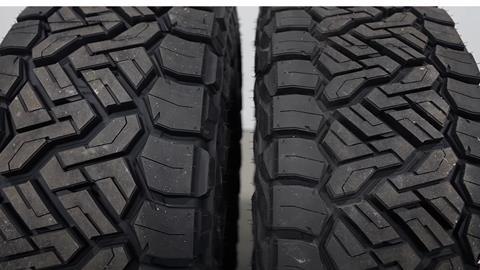
One of the first things drivers notice is how these tires look on their vehicle. The difference in width—just one inch—changes the stance, the way the vehicle fills the wheel well, and even the overall height depending on the aspect ratio.
11.5 Tires
11.5-inch tires have a slightly narrower profile, which can make your vehicle look more streamlined. They usually fit under most fender setups without modifications. This size is popular with those who want a balanced look—not too aggressive but not too skinny.
- Example: A 35×11.5R17 tire fits well on stock wheels and doesn’t stick out too far.
- Weight: Narrower tires are often lighter, which can help with fuel economy and acceleration.
12.5 Tires
12.5-inch tires offer a wider footprint, giving your vehicle a more muscular, aggressive stance. They often stick out past the fenders, especially if combined with aftermarket wheels. This size is a favorite for off-road enthusiasts who want extra grip and a bold look.
- Example: A 35×12.5R17 tire may require a lift kit or wheel spacers to avoid rubbing.
- Presence: The extra inch makes a visible difference, especially from the front or rear.
Side-by-side Comparison
Here’s a quick look at the size and visual impact:
| Tire Size | Width (inches) | Typical Weight (lbs, per tire) | Appearance |
|---|---|---|---|
| 11.5 | 11.5 | 55-65 | Streamlined, less aggressive |
| 12.5 | 12.5 | 60-75 | Wider, more aggressive |
Insight: Many beginners forget to check if their state laws require fender flares for tires that extend beyond the bodywork. This is a common issue with 12.5-inch tires.
2. Vehicle Fitment And Compatibility
Choosing between 11.5 vs 12.5 tires is not only about looks. Fitment matters for safety and performance. A tire that’s too wide can rub on suspension components or body panels, especially during turns or when the suspension compresses.
11.5 Tire Fitment
- Fits most stock wheels (typically 7–9 inches wide).
- Less likely to require a lift kit or fender modification.
- Easier to fit on vehicles with limited wheel well space.
Example: Many mid-size pickups (like the Toyota Tacoma or Ford Ranger) can run 11.5-inch tires with minor or no modifications.
12.5 Tire Fitment
- Often requires wider wheels (8–10 inches).
- May need a lift kit, wheel spacers, or fender trimming.
- Can increase turning radius if not properly fitted.
Example: Full-size trucks (like the Ford F-150 or Chevy Silverado) can usually accommodate 12.5-inch tires, but older or unlifted models might need adjustments.
Fitment Table
Here’s how these two sizes typically fit different wheel widths:
| Tire Width (inches) | Recommended Wheel Width (inches) | Modifications Needed? |
|---|---|---|
| 11.5 | 7 – 9 | Rarely |
| 12.5 | 8 – 10 | Sometimes |
Insight: Wheel offset is often ignored by beginners. A negative offset can help fit wider tires without rubbing, but too much offset can stress wheel bearings and suspension parts.
3. Performance: On-road Vs Off-road
Performance is where the choice between 11.5 vs 12.5 tires really stands out. The width of your tires changes how your vehicle handles on pavement, mud, sand, and rocks.
On-road Performance
- 11.5 Tires: Narrower tires usually offer better fuel efficiency and sharper steering response. Less rolling resistance means the vehicle feels lighter and more agile. Braking distance is similar, but hydroplaning resistance can be slightly better with narrower tires on wet pavement.
- 12.5 Tires: Wider tires give more contact with the road, which can improve grip in dry conditions. However, they may follow grooves in the pavement (“tramlining”), feel heavier in the steering, and lower fuel efficiency a bit.
Off-road Performance
- 11.5 Tires: Easier to cut through mud and snow, making them better for some off-road terrains. They usually have less flotation in sand, which can lead to getting stuck more easily.
- 12.5 Tires: Excellent for sand, rocks, and loose dirt. The wide footprint helps keep the vehicle on top of soft surfaces, providing better traction and stability.
Real-world Example
A Jeep Wrangler running 12. 5-inch tires will have an easier time staying on top of soft sand than the same vehicle with 11. 5-inch tires. But on narrow trails with lots of rocks or mud, 11. 5-inch tires might squeeze through tight spaces and dig down to firmer ground more effectively.
Non-Obvious Tip: Tire pressure makes a bigger difference than width alone. Airing down a 12.5-inch tire improves flotation, but you can also lower 11.5-inch tires for better grip—just not as much.
4. Cost, Durability, And Maintenance
Wider tires often cost more, both to buy and to maintain. But the total cost of ownership includes more than the price tag.
Purchase Price
- 11.5 Tires: Usually cheaper, especially in common sizes. Less rubber and lighter weight mean lower production costs.
- 12.5 Tires: More expensive, especially for premium brands and aggressive tread patterns.
Durability And Wear
- 11.5 Tires: May last longer if used mostly on-road, since there’s less rolling resistance and less sidewall stress.
- 12.5 Tires: The wider contact patch can help with even wear, but aggressive off-road driving can wear out the edges faster. Heavier tires may also put more stress on axles and bearings.
Maintenance
- Wider tires can make balancing and rotation more important. If not rotated regularly, 12.5-inch tires may show uneven wear more quickly.
- Heavier tires may impact suspension and braking components, leading to more frequent maintenance.
Cost Comparison Table
Here’s a look at typical costs for each size:
| Tire Size | Average Price (USD, per tire) | Estimated Mileage (miles) | Notes |
|---|---|---|---|
| 11.5 | $180 – $250 | 40,000 – 60,000 | Lower initial cost |
| 12.5 | $210 – $320 | 35,000 – 55,000 | Higher cost, more aggressive tread |
Practical Tip: If you switch to 12.5-inch tires, budget for new wheels or fender flares. The total cost is often higher than just the tires.
5. Application And Real-world Use
The best tire size depends on how you use your vehicle. Here’s how 11. 5 and 12. 5 tires perform in different situations.
Daily Driving
- 11.5 Tires: Ideal for daily commuting, highway use, and occasional light off-roading. The narrower profile improves gas mileage, lowers road noise, and gives a smoother ride on pavement.
- 12.5 Tires: Less efficient for daily use. The wide tread can pick up stones, increase noise, and reduce ride comfort. However, they look impressive and handle curbs, potholes, or construction zones with ease.
Off-roading
- 11.5 Tires: Good for mixed terrain, including mud, rocks, and forest trails. Easier to fit on unmodified vehicles.
- 12.5 Tires: Best for serious off-roading—sand dunes, rock crawling, or deep snow. The extra width helps with stability and grip but may require modifications to avoid rubbing.
Towing And Payload
- 11.5 Tires: Can handle moderate towing, especially on-road. The narrower tread puts less stress on the drivetrain.
- 12.5 Tires: Helpful for heavy loads or towing in soft conditions, like launching a boat from a sandy ramp. The wider footprint spreads the weight, reducing the risk of getting stuck.
Weather Conditions
- Rain and Wet Roads: Narrower tires (11.5) are less likely to hydroplane because they cut through water more effectively.
- Snow and Ice: Both sizes can be good, but the tread pattern and rubber compound matter more than width alone.
- Sand: 12.5-inch tires excel in loose sand due to their flotation.
Beginner Mistake: Many drivers choose wide tires just for looks, not realizing that wider tires can make winter driving more challenging unless paired with the right tread.
Credit: www.wranglerforum.com
Common Mistakes When Choosing Tire Width
Selecting between 11.5 and 12.5 tires isn’t just about personal preference. These are mistakes that many beginners make:
- Ignoring Wheel Size: A 12.5-inch tire on a narrow wheel can cause poor handling and uneven wear.
- Forgetting About Clearance: Fitting wide tires without checking for rubbing can damage fenders and suspension.
- Not Considering Local Laws: Some states require tires to be covered by fenders.
- Overlooking Fuel Economy: Wider tires use more fuel, especially on long highway drives.
- Skipping a Professional Alignment: Changing tire width affects alignment. Not getting a new alignment can lead to rapid tire wear.
Expert Tip: Always check the load rating of the tire. A wider tire isn’t always stronger; the load rating depends on construction, not just width.
How To Decide: 11.5 Or 12.5 Tires?
Making the right choice requires honest answers to a few questions:
- What will you use your vehicle for most—daily driving, off-roading, or towing?
- Are you prepared to make modifications (lift kits, fender flares, new wheels)?
- Do you want a subtle or aggressive appearance?
- What’s your budget, including possible upgrades?
If you mostly drive on pavement and want reliability, 11.5-inch tires are usually the smart pick. If you crave the best off-road grip and a bold look, and you’re ready for extra upgrades, 12.5-inch tires are worth considering.
Credit: www.ovrmag.com
Real-world Examples And User Experiences
Many truck and Jeep forums are filled with debates between these two sizes. Here’s what real owners say:
- Tacoma owner: “I switched from 11.5 to 12.5-inch tires. The truck looked tougher, but I lost 2 mpg and had to trim the fenders to stop rubbing.”
- Jeep Wrangler owner: “12.5s made a huge difference in the dunes. I can air down to 12 psi and float over sand. On the road, though, it feels heavier.”
- F-150 owner: “I run 11.5s for my daily commute. They last longer and are quieter. Tried 12.5s once, but didn’t like the steering feel.”
Non-Obvious Insight: Tire brand and tread design can sometimes make a bigger difference than width alone, especially for noise and wet road grip.
Maintenance And Longevity Tips
Whichever size you pick, keep these tips in mind:
- Rotate your tires every 5,000–7,000 miles to prevent uneven wear.
- Check tire pressure often. Wider tires are more sensitive to being under- or over-inflated.
- Get an alignment after installation. This is crucial for both 11.5 and 12.5 tires to ensure safety and long life.
When To Upgrade Or Downsize
Sometimes, drivers consider switching between these sizes after a few years. Reasons to upgrade to 12.5s:
- You want better off-road grip, especially in sand or deep snow.
- You’ve installed a lift kit or aftermarket wheels.
- You like the aggressive look and don’t mind lower fuel economy.
Reasons to downsize to 11.5s:
- You do more highway driving and want better gas mileage.
- You’re tired of fender rubbing or extra noise.
- You need longer tread life and less maintenance.
Environmental Impact
Wider tires use more material and can lower fuel efficiency, which increases your carbon footprint. If you’re eco-conscious, the 11. 5s are a better choice unless you need the extra width for serious off-roading.
Where To Learn More
For more details on tire sizing, fitment, and performance, you can visit the Wikipedia Tire Code page. This resource explains international tire codes and how to read sidewall markings.
Frequently Asked Questions
What Does The Number In 11.5 Or 12.5 Tires Mean?
The number refers to the tire’s width in inches. So, an 11.5 tire is 11.5 inches wide, and a 12.5 tire is 12.5 inches wide. This measurement impacts grip, appearance, and fitment.
Can I Put 12.5-inch Tires On My Stock Wheels?
Usually, stock wheels are too narrow for 12.5-inch tires. You’ll need wider wheels (at least 8–10 inches wide) for safe and proper fitment. Using too wide a tire on a narrow wheel can lead to poor handling and uneven wear.
Will I Need To Modify My Truck For 12.5-inch Tires?
It depends on your vehicle. Many trucks and SUVs will need wheel spacers, a lift kit, or fender trimming to fit 12.5-inch tires without rubbing. Always check your vehicle’s specifications before upgrading.
Do Wider Tires Last Longer?
Not always. Tire longevity depends on driving style, alignment, tire rotation, and tread design. Sometimes, wider tires wear out faster if not properly maintained or if used mostly off-road.
Which Tire Size Is Better For Snow And Rain?
Narrower tires (11.5) are often better in snow and rain, as they cut through water and slush more effectively, reducing hydroplaning risk. However, the tread pattern and rubber compound are also key factors.
Choosing between 11.5 vs 12.5 tires is about more than just numbers. It’s about matching the tire to your driving style, vehicle, and goals. With the information here, you’re ready to make a confident, informed choice—one that keeps you safe and happy on every road or trail.

Credit: www.jeepgladiatorforum.com