Is It Safe To Drive On A Plugged Tire
When you find a nail or screw in your tire, it can be a stressful moment. Many drivers wonder if using a tire plug is a safe solution or just a quick fix. You might see tire shops plug tires in minutes, but what does that really mean for your safety and your vehicle’s performance?
Let’s take a closer look at whether it’s safe to drive on a plugged tire, the risks involved, and what steps you should take to protect yourself.
What Is A Plugged Tire?
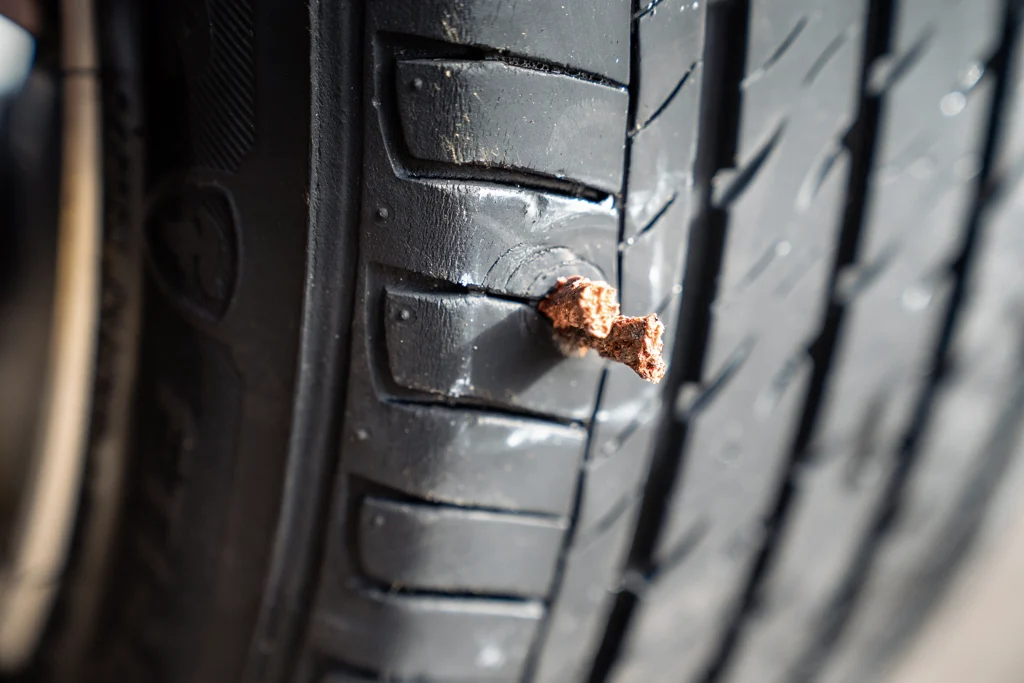
A plugged tire is a tire that has been repaired with a rubber plug. This plug is pushed into the hole from the outside of the tire to stop air from leaking. Plugs are often used when a tire gets a puncture from a nail, screw, or small sharp object.
Many drivers choose plugs because:
- They are fast and cheap
- You don’t have to remove the tire from the wheel
- The repair can be done almost anywhere
But plugs are not always the best or safest solution. To know if it’s safe to drive on a plugged tire, you need to understand how plugs work and their limits.
How Tire Plugs Work
Tire plugs are made from sticky rubber material. When inserted, the plug expands inside the puncture and seals it. This stops air from escaping. Usually, the process works like this:
- Remove the object causing the puncture.
- Clean the hole with a special tool.
- Push the plug into the hole.
- Trim any extra plug sticking out.
Tire plugs are designed for small holes in the tread area, not for sidewalls or large gashes. They do not repair the inner lining of the tire, which is important for a complete seal.
Plug Vs. Patch: What’s The Difference?
There’s another common way to repair a tire: a patch. Many people confuse plugs and patches, but they are different.
| Repair Method | How It Works | Best For | Limitations |
|---|---|---|---|
| Plug | Inserted from outside, fills hole | Small tread punctures | Does not seal inside tire |
| Patch | Adhered inside tire, covers puncture | Most tread punctures | Requires tire removal |
| Plug-Patch Combo | Plug fills hole; patch seals inside | Best all-around repair | More time and cost |
Patches are placed inside the tire and seal the inner liner. Some repair shops use a plug-patch combination, which is the most reliable method.
Is It Safe To Drive On A Plugged Tire?
This is the most important question. The answer depends on several factors:
- Where is the puncture? Plugs are only safe for small holes in the tread, not in the sidewall or shoulder.
- How big is the hole? Most plugs can only seal holes up to 1/4 inch (about 6 mm).
- Was the repair done correctly? If the plug is not installed well, or the hole is too big, the repair can fail.
- How long do you plan to drive? Plugs are generally seen as temporary fixes, not long-term solutions.
Safety Risks
Driving on a plugged tire can be risky if:
- The puncture is near the sidewall (sidewalls flex and plugs can fail)
- The hole is too big for the plug to seal
- The tire has multiple punctures close together
- The plug was not installed correctly
If any of these apply, your tire can lose air or fail while driving, which is dangerous—especially at high speeds.
How Long Can You Drive On A Plugged Tire?
Many experts suggest that a plug should only be a temporary solution. You can usually drive a short distance—maybe up to 100 miles (160 km)—on a properly plugged tire, just enough to get to a repair shop.
Some people drive on plugged tires for weeks or even months, but this is not recommended. Over time, plugs can dry out, shrink, or come loose, leading to slow leaks or sudden blowouts.
Real-world Example
A driver plugs a tire after running over a nail. He drives 50 miles to work for a week. On the highway, the tire suddenly loses air, causing him to lose control. This shows the risk of relying on a plug as a permanent repair.
When Is Plugging A Tire Acceptable?
Plugging is only safe when:
- The hole is in the tread, not the sidewall or shoulder.
- The puncture is less than 1/4 inch (6 mm) in diameter.
- The tire is not driven flat for a long time (which can damage the inside).
- The repair is done by a trained person.
If all these are true, a plug can help you reach a service center for a proper repair.
When Plugging Is Not Safe
Never use a plug if:
- The hole is in or near the sidewall.
- The cut is large, irregular, or a tear (not a clean puncture).
- The tire was driven a long time while flat.
- There’s visible damage, cracks, or bubbles on the tire.
Using a plug in these cases can lead to tire failure. Your best option is to replace the tire.
Pros And Cons Of Plugging A Tire
To help you decide, here’s a clear look at the benefits and drawbacks.
| Pros | Cons |
|---|---|
| Fast and cheap | Temporary fix only |
| Can be done without removing tire | Not for all punctures |
| Lets you reach a repair shop | May fail over time |
| Good for small tread holes | Does not seal inside tire |
Common Mistakes When Using Tire Plugs
Many drivers make mistakes when plugging tires. Here are some things to avoid:
- Plugging large or sidewall punctures
- Not checking the inside of the tire for hidden damage
- Not trimming the plug flush with the tread
- Driving too long on a plug
- Ignoring slow leaks after plugging
These mistakes can turn a small problem into a dangerous situation.
Why A Professional Repair Is Best
A tire professional will:
- Remove the tire and inspect for internal damage
- Use a plug-patch combination for best results
- Make sure the repair meets industry safety standards
This gives you the best chance for a safe, long-lasting repair. Most experts and tire makers do not recommend plug-only repairs for long-term use.
Credit: www.yourmechanic.com
Statistics And Tire Industry Guidelines
- The U.S. Tire Manufacturers Association recommends only repairs that fill the hole and seal the inner liner.
- The National Highway Traffic Safety Administration (NHTSA) found that improper repairs are a leading cause of blowouts.
- Most tire shops refuse to repair sidewall punctures, even with plugs or patches.
For more detailed guidelines, see this NHTSA tire safety resource.
Tire Plug Vs. Replacement: When To Buy A New Tire
Sometimes, plugging is not an option, and you need a new tire. Here’s how plugging and replacement compare:
| Situation | Plug | Replacement |
|---|---|---|
| Small tread puncture | Yes (temporary) | No |
| Sidewall or shoulder damage | No | Yes |
| Large puncture/tear | No | Yes |
| Multiple close punctures | No | Yes |
| Internal tire damage | No | Yes |
If you are unsure, ask a tire professional for advice.

Credit: www.reddit.com
Two Key Insights Most People Miss
1. The inside of the tire matters: Many people only look at the outside damage. But running flat or with low pressure, even for a short time, can cause hidden damage inside. Plugs do not fix this, and your tire could fail later.
2. Plugs can let in moisture: Over time, water can seep into the tire through the plug hole. This can cause the steel belts inside to rust, making the tire weaker and more likely to fail.
Practical Tips For Tire Safety
- After plugging, always check tire pressure regularly. Loss of pressure means the plug is not holding.
- Drive slowly and avoid highways until you get a permanent repair.
- If you notice vibration, noise, or pulling, have your tires checked immediately.
- Keep a spare tire or emergency repair kit in your car for quick fixes.
Frequently Asked Questions
What Is The Difference Between A Tire Plug And A Patch?
A tire plug fills the puncture from the outside without removing the tire. A patch is applied inside the tire after removing it from the wheel. Patches seal the inner liner, which is safer for long-term use.
Can I Drive Long Distances On A Plugged Tire?
It is not recommended to drive long distances on a plugged tire. Plugs are meant as a temporary solution until you can get a professional repair or replace the tire.
Is It Safe To Plug A Tire In The Sidewall?
No, plugging a sidewall is unsafe. The sidewall flexes more and cannot hold a plug securely. Always replace tires with sidewall damage.
What Should I Do After Plugging My Tire?
Check your tire pressure regularly and drive carefully. Visit a tire shop as soon as possible for an inspection and proper repair, like a plug-patch combination.
How Do I Know If My Plugged Tire Is Leaking?
Watch for signs like lower tire pressure, warning lights, or a soft feel when pressing the tire. Listen for hissing sounds and check for bubbles using soapy water on the plug area.
A plugged tire can help in an emergency, but it is not a permanent or always safe solution. Understanding the risks and taking the right steps will keep you and your passengers safe on the road. When in doubt, choose a professional repair or a new tire for peace of mind.
Credit: gotire.com