When you walk into a tire shop today, you’ll probably see a technician using a modern tire balancer. It looks high-tech—digital displays, spinning wheels, flashing numbers. But there’s one term you might see on the screen that many people don’t understand: Smart Weight. What does Smart Weight on a tire balancer really mean? Is it just another feature, or does it actually make a difference to your ride, your wallet, and the life of your tires? Let’s explore the world of tire balancing, dive into Smart Weight technology, and see why it matters for anyone who wants a smoother, safer drive.
The Basics Of Tire Balancing
Before we dig into Smart Weight, it helps to know how tire balancing works. Every tire and wheel has tiny imperfections. These imperfections cause the tire to be heavier in some spots than others. When your wheel spins, this uneven weight creates vibrations—sometimes mild, sometimes strong enough to shake your whole car.
Balancing fixes this by adding small wheel weights to specific spots on the rim. The goal: spread the weight evenly all around, so the wheel spins smoothly.
There are two main types of imbalance:
- Static imbalance: The tire is heavier on one side, causing up-and-down vibration.
- Dynamic imbalance: The tire is uneven side-to-side, leading to wobbling or side-to-side shaking.
Traditional balancing machines only fix static or dynamic imbalances. But as tire and wheel designs become more advanced, the old ways aren’t always enough.
What Is Smart Weight On A Tire Balancer?
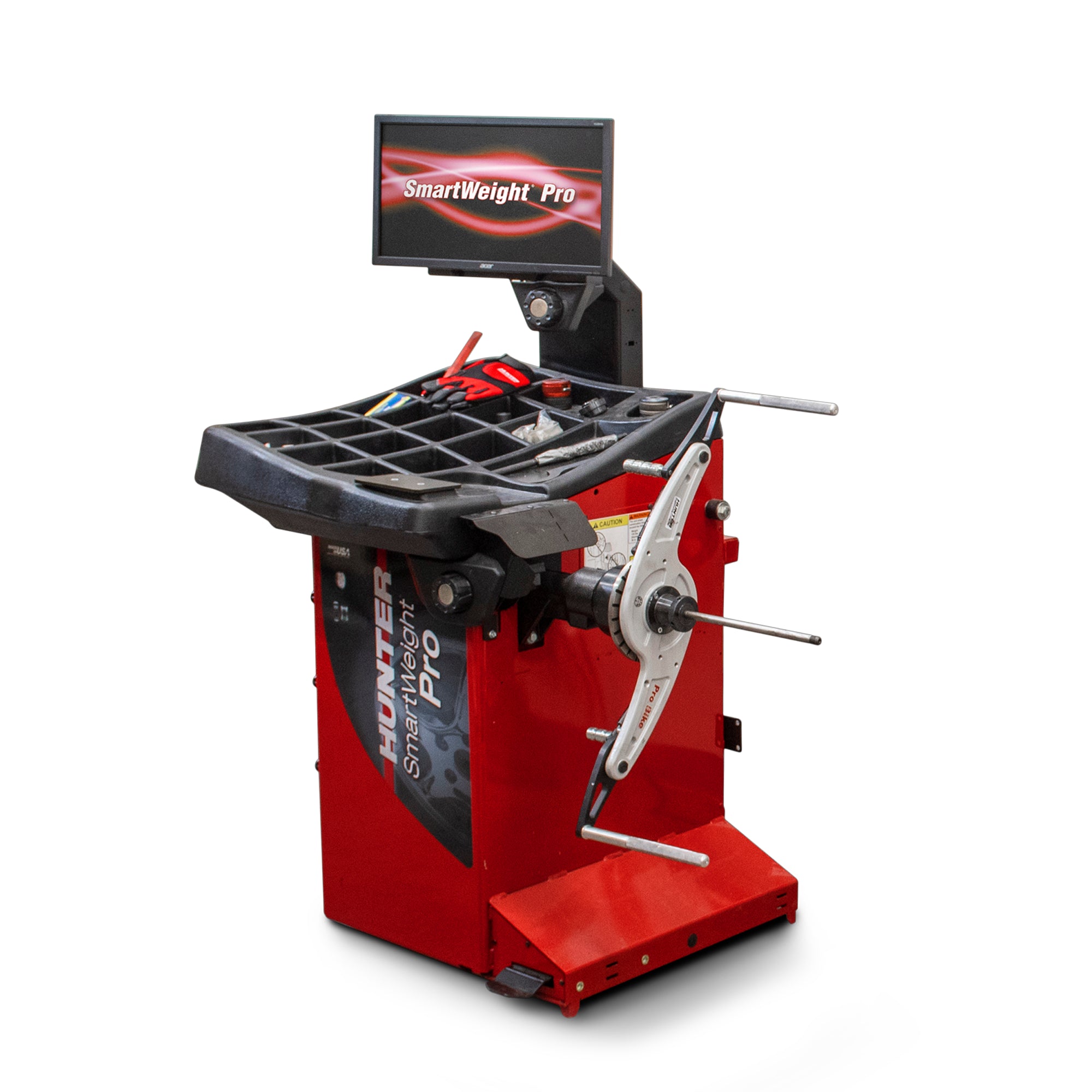
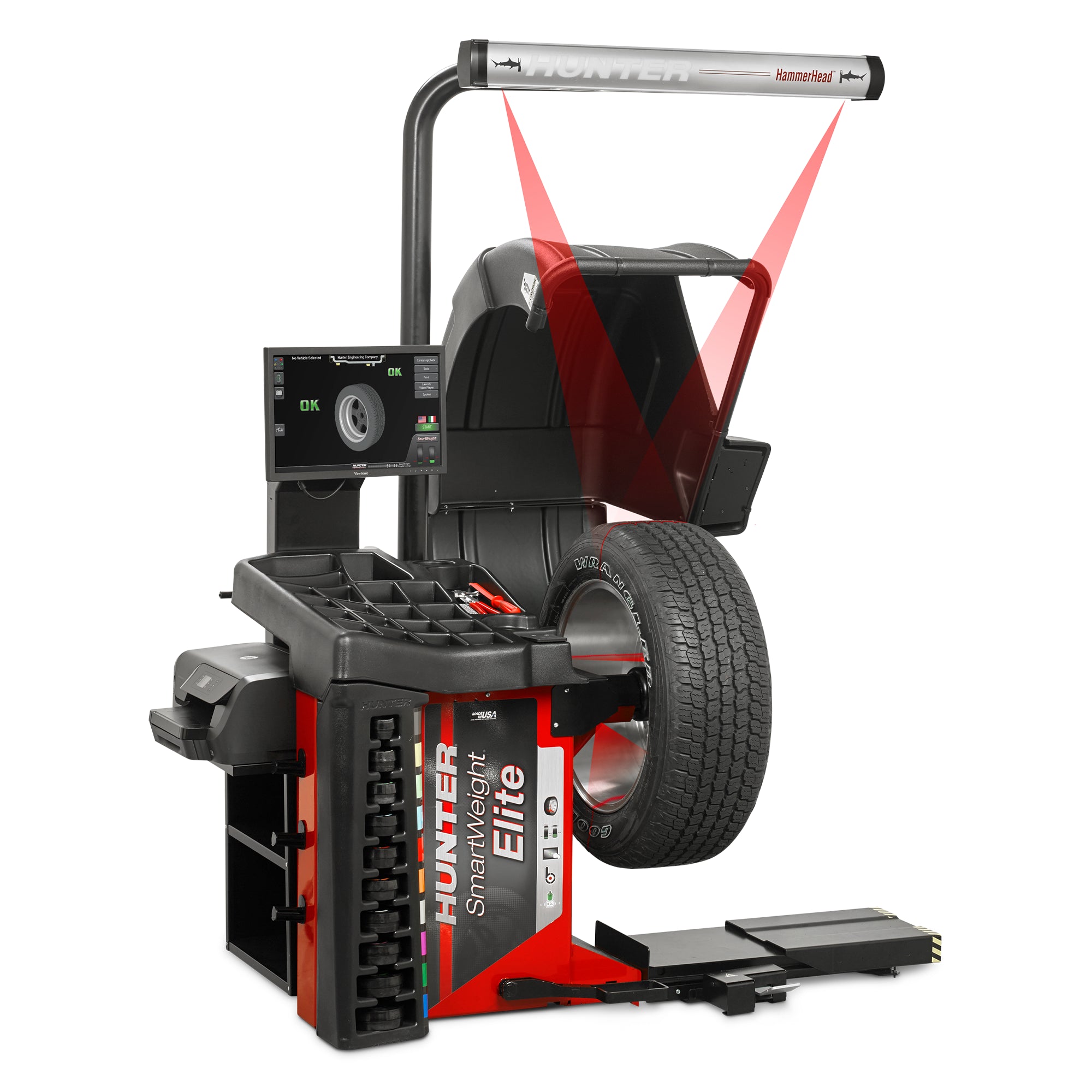
Smart Weight is a special technology in modern balancers that uses advanced algorithms to optimize how wheel weights are placed. Unlike older machines, Smart Weight doesn’t just look for any balance—it finds the best solution for today’s wheels.
Here’s how it works:
- It measures where and how much imbalance exists, just like a standard balancer.
- Then, instead of simply putting weights at the spots with the most imbalance, Smart Weight software analyzes the whole wheel.
- The system calculates the minimum number of weights and the best positions to balance both static and dynamic forces.
This leads to a more accurate balance with fewer weights and better long-term results.
Key Features Of Smart Weight Technology
- Less total weight used: By using smarter placement, the machine often needs fewer or lighter weights.
- Improved ride quality: Drivers notice less vibration, especially at high speeds.
- Longer tire and suspension life: A well-balanced tire reduces wear on tires and suspension parts.
- Cleaner wheel appearance: Fewer weights mean less clutter on your rims.
- Faster balancing process: The technician spends less time adjusting and retesting.
Why Traditional Balancing Methods Fall Short
Older balancing systems were designed when most wheels were simple steel designs. Today, wheels come in many shapes and materials—alloy, chrome, and even carbon fiber. These wheels are lighter, stronger, and much more sensitive to imbalance.
With traditional balancing:
- Weights are often placed on both the inside and outside edges of the rim.
- This can be tricky with modern wheels, where outside weights can damage the finish or look unsightly.
- More weights = more time and higher costs.
Smart Weight solves these problems by finding the *minimum effective solution*. It looks at both static and dynamic forces, using a process called single-plane balancing for certain situations.
Single-plane Vs. Dual-plane Balancing
- Single-plane (static) balancing: Only corrects up-and-down movement. Good for narrow or lightweight wheels.
- Dual-plane (dynamic) balancing: Fixes both up-and-down and side-to-side motion. Needed for wider, heavier wheels.
Smart Weight can choose the right method for each wheel, saving time and improving accuracy.
The Process: How Smart Weight Balancing Works
Let’s break down what happens when a technician uses a Smart Weight balancer:
- Mount the wheel: The technician puts your wheel and tire on the balancer’s spindle.
- Spin and measure: The machine spins the wheel and uses sensors to detect where the imbalance is.
- Analyze with algorithms: The Smart Weight system processes the data, looking for the *optimal* spots and amount of weight.
- Suggest weight placement: It recommends where to place each weight, often using fewer pieces than a normal balancer would.
- Apply weights: The technician attaches the recommended weights.
- Recheck balance: The wheel is spun again to confirm everything is smooth.
The difference? Smart Weight often achieves a perfect balance with *less metal* stuck to your rim.
Credit: www.everard.co.uk
Comparing Smart Weight To Traditional Balancing
See how the two methods stack up side by side:
| Feature | Traditional Balancer | Smart Weight Balancer |
|---|---|---|
| Weight Usage | More weights, often both sides | Fewer weights, optimized placement |
| Balance Accuracy | Good (varies by operator) | Very high (software-assisted) |
| Time Required | Longer (trial and error) | Shorter (fewer adjustments) |
| Compatibility | Mainly steel wheels | Works with alloy, chrome, specialty wheels |
| Appearance | May leave visible weights | Less clutter, fewer visible weights |
Real-world Benefits Of Smart Weight
Switching to Smart Weight balancing is not just about keeping up with technology. Drivers, shops, and even the environment benefit:
For Drivers
- Smoother ride: Less vibration means comfort, especially at highway speeds.
- Safer handling: A balanced wheel gives better control and less tire wear.
- Quieter drive: Imbalanced tires make noise; Smart Weight cuts this down.
For Tire Shops
- Faster workflow: Each wheel takes less time, so more cars serviced per day.
- Lower material costs: Fewer weights used means more profit.
- Fewer comebacks: Better balance means fewer unhappy customers returning with vibration complaints.
For The Environment
- Less lead waste: Wheel weights are often made of lead, a toxic metal. Using fewer weights reduces pollution.
- Longer tire life: Less frequent tire replacement means fewer tires sent to landfills.
Credit: www.everard.co.uk
Smart Weight In Action: Example Scenarios
Let’s look at two real-life cases to see the difference Smart Weight makes.
Example 1: High-performance Sports Car
A sports car with large alloy wheels comes in for new tires. The owner wants a smooth ride and hates the look of visible wheel weights.
- Traditional balancing: Needs 4 weights per wheel, some visible on the outside.
- Smart Weight: Only 2 weights, both hidden inside the rim. The car feels stable at high speed, and the wheels look clean.
Example 2: Everyday Family Sedan
A family sedan gets new tires at a busy shop. The technician uses Smart Weight.
- Result: Job takes 20% less time. The customer pays a bit less (fewer weights used), and the car rides smoother. The shop gets more cars through the bay in a day.
The Science Behind Smart Weight
Smart Weight is built on advanced mathematics and real-world data. It uses vector analysis—looking at not just how much the wheel is off balance, but also *where* the weight is needed for the best effect.
A common mistake with traditional balancing is overcorrecting. Too many weights can actually make balance worse over time. Smart Weight avoids this by aiming for the *minimum effective solution*. Some balancers even use laser guides or cameras to pinpoint the exact placement spot, accurate to a millimeter.
What Most People Miss About Smart Weight
Many beginners think that more weights always mean a better balance. In fact, too many weights can cause issues like:
- Increased risk of weights falling off (more glue or clips to fail)
- Added unsprung weight (hurts suspension performance)
- Possible damage to alloy wheels (especially with hammer-on weights)
Another overlooked point: Smart Weight technology can detect very small imbalances that old machines miss. This means your wheels might be balanced to a level you can’t even feel—but your car will handle better and your tires will last longer.
How To Tell If A Shop Uses Smart Weight
Not every shop has upgraded to Smart Weight technology. Here’s how you can tell:
- Ask the technician if they use a Smart Weight or optimized balancing system.
- Look for branded machines from top makers (like Hunter Engineering or Hofmann) with “Smart Weight” or “road force” features.
- Check your invoice; some shops list “Smart Weight balance” as a separate service.
A shop that invests in this technology usually cares about quality and customer satisfaction.

Credit: www.everard.co.uk
Cost: Is Smart Weight More Expensive?
You might think a better technology means a higher cost. But Smart Weight often saves money:
- Fewer weights used: Shops save on materials, sometimes passing the savings to you.
- Less labor time: Faster process means lower labor costs.
- Fewer returns: No need to come back to fix vibration problems.
In some cases, a shop may charge a small extra fee (usually $5–$10 per wheel) for Smart Weight service. But for most drivers, the smoother ride and longer tire life are worth it.
Here’s a quick price comparison:
| Service Type | Average Cost (per wheel) | Long-term Savings |
|---|---|---|
| Traditional Balance | $10–$20 | More frequent rebalancing, possible tire wear |
| Smart Weight Balance | $15–$30 | Longer tire life, fewer returns |
When Should You Ask For Smart Weight?
If you drive:
- A car with expensive alloy or chrome wheels
- A vehicle that sees a lot of highway use
- A performance car or SUV
- Or you simply want the smoothest, most efficient balance
Then Smart Weight is the better choice. Even for basic cars, it offers benefits that traditional balancing can’t match.
Frequently Asked Questions
What Does Smart Weight Mean On A Tire Balancer?
Smart Weight is a feature in some modern tire balancers that uses special software to place wheel weights in the most effective spots. It balances the tire with fewer weights, providing a smoother ride and reducing costs.
Is Smart Weight Balancing Better Than Regular Balancing?
Yes, Smart Weight balancing is usually better. It uses advanced algorithms to optimize weight placement, leading to improved ride quality, less vibration, and fewer weights needed.
Does Smart Weight Work With All Types Of Wheels?
Smart Weight is designed to work with many kinds of wheels, including alloy, chrome, and even specialty rims. It’s especially helpful for modern wheels that are sensitive to extra weight or visible wheel weights.
Will Smart Weight Balancing Cost More?
It may cost a little more at some shops, but it often saves you money in the long run by reducing tire wear and preventing repeat balancing visits. Some shops even charge the same price as regular balancing.
Where Can I Learn More About Smart Weight Technology?
For more technical details, you can visit the official Hunter Engineering SmartWeight page, one of the leading companies in this field.
—
Smart Weight on a tire balancer is not just a buzzword—it’s a real improvement for drivers, tire shops, and the environment. By using smarter technology, you get a smoother ride, your wheels look better, and your tires last longer. Next time you’re at the shop, ask about Smart Weight balancing and see the difference for yourself.