When you drive, you expect your car to move smoothly. But have you ever felt a strange vibration in your steering wheel or heard a thumping noise from your wheels? These are often signs of an unbalanced tire. Tire balance is a crucial part of vehicle safety and comfort. It affects not only how your car feels on the road but also the life of your tires and the efficiency of your fuel. There are two main ways to balance tires: static balance and dynamic balance. Understanding the differences between them is important whether you’re a car owner, a mechanic, or simply curious about how vehicles work. This article explains everything you need to know about static vs dynamic balance tires, from the basics to advanced insights, so you can make informed decisions and recognize problems before they become expensive repairs.
What Is Tire Balance?
Tire balance means making sure the weight of the tire and wheel is even around the axle. If tires are not balanced, you will feel vibrations, especially at higher speeds. There are two ways to balance tires: static balance and dynamic balance. Each method deals with a different type of imbalance, and each has its unique advantages and uses. Let’s dive deeper into what each type means.
Static Balance Tires
Static balance is the oldest and most basic way to balance tires. It deals with vertical movement, also called “up and down” vibration. Imagine a tire spinning on an axle. If one side is heavier, gravity will pull it down, causing the wheel to bounce as it turns.
How Static Balancing Works
In static balancing, the goal is to find the point where the tire is heaviest. Mechanics use a special tool called a static balancer. The tire is mounted on a spindle and allowed to spin freely. The heavy spot will move to the bottom because of gravity. Weights are then attached to the opposite side to balance the tire.
Where Static Balance Is Used
- Most common for bicycle tires and smaller vehicle tires
- Sometimes used for classic or vintage cars
- Useful when wheels are narrow and not subject to high-speed driving
Advantages Of Static Balance
- Simple and quick: Requires less equipment and training.
- Cheap: Less expensive than dynamic balancing.
- Effective at low speeds: Works well for vehicles that do not travel fast.
Disadvantages Of Static Balance
- Cannot fix side-to-side vibration: Only addresses up-and-down movement.
- Not suitable for modern vehicles: Today’s cars need better balance for higher speeds.
- May lead to uneven tire wear: Problems may develop if the tire is not balanced in all directions.
Example Of Static Balance In Practice
Imagine a wheel with a heavy spot from a repair patch. On a static balancer, the heavy side drops down. The mechanic adds small weights to the top until the wheel stays still no matter how it is turned.
Dynamic Balance Tires
Dynamic balance is a more advanced method. It deals with both vertical and side-to-side (lateral) vibration. This is important for modern cars, especially those that drive at high speeds.
How Dynamic Balancing Works
In dynamic balancing, the tire is mounted on a computerized machine. The wheel spins at high speed, and sensors detect any imbalance both vertically and side-to-side. The machine shows exactly where to add weights, often on both the inner and outer edges of the wheel.
Where Dynamic Balance Is Used
- Standard for modern cars and trucks
- Used for high-performance vehicles
- Necessary for wide tires and alloy wheels
Advantages Of Dynamic Balance
- Balances in all directions: Fixes both up-and-down and side-to-side movement.
- Reduces vibrations at all speeds: Essential for highway driving.
- Improves tire life: Leads to even wear and better handling.
- Safer and more comfortable: Less stress on the vehicle’s suspension and steering.
Disadvantages Of Dynamic Balance
- More expensive: Requires advanced machines and training.
- Takes longer: The process is more detailed.
- Overkill for some uses: Not needed for simple, slow vehicles.
Example Of Dynamic Balance In Practice
A driver notices a vibration at 70 km/h. At the shop, the tire is placed on a dynamic balancer. The machine indicates where to add weights on both the inside and outside of the rim. After adjustment, the vibration disappears.
Static Vs Dynamic Balance: Key Differences
Now that we know what static and dynamic balance mean, let’s compare them more closely. Here’s a detailed look at how they differ in function, tools, effects, and results.
| Feature | Static Balance | Dynamic Balance |
|---|---|---|
| Type of Imbalance Fixed | Vertical (up-and-down only) | Both vertical and lateral (side-to-side) |
| Equipment Used | Manual balancer | Computerized dynamic balancer |
| Placement of Weights | Single plane (center of wheel) | Two planes (inner and outer rim) |
| Best For | Bicycles, small cars, vintage vehicles | Modern cars, trucks, high-speed use |
| Cost | Lower | Higher |
| Time Needed | Shorter | Longer |
| Precision | Low | High |
| Common Today? | Rare | Standard |

Credit: e-quipfix.co.uk
Why Tire Balance Matters
Some drivers ignore wheel balance until they feel a problem. But keeping tires balanced is important for many reasons:
- Comfort: Balanced tires mean a smoother ride.
- Safety: Vibrations can cause loss of control.
- Tire life: Imbalanced tires wear out faster.
- Fuel economy: Vibrations increase rolling resistance, wasting fuel.
- Protect vehicle parts: Steering, suspension, and bearings last longer when vibrations are reduced.
Real-world Effects Of Imbalance
If your tires are not balanced, you might notice:
- Steering wheel shakes: Often between 60–100 km/h.
- Unusual tire wear: Flat spots or “cupping.”
- Noise: Thumping or humming from the wheels.
- Increased fuel use: Engine works harder to fight vibration.
- Suspension problems: Extra stress on shocks and struts.
In some cases, a small imbalance can be hard to notice at first. Over time, it can become worse, leading to bigger problems and higher repair costs.
How To Know Which Balance You Need
Choosing between static and dynamic balance depends on your vehicle and how you drive. Here are some general guidelines:
- Modern vehicles: Always use dynamic balancing.
- Classic or vintage cars: Static balancing may be enough if the wheels are narrow and speeds are low.
- Motorcycles and bicycles: Static balancing is usually fine.
- Large trucks and performance cars: Dynamic balancing is a must.
If you are unsure, most modern tire shops use dynamic balancers as standard. You can always ask your mechanic which method they use.
The Balancing Process: Step-by-step
Understanding the process helps you know what to expect at the tire shop. Here’s how both static and dynamic balancing usually work:
Static Balancing Steps
- Tire removal: The wheel is taken off the car.
- Mounting on balancer: The tire is placed on a static balancer, usually a simple spindle.
- Spinning: The wheel spins freely to find the heavy spot.
- Weight placement: Weights are attached to the rim opposite the heavy spot.
- Checking: The process is repeated until the wheel stays put in any position.
Dynamic Balancing Steps
- Tire removal: The wheel is taken off the car.
- Mounting on dynamic balancer: The tire is placed on a computerized machine.
- High-speed spinning: The machine spins the wheel, often up to 300–400 RPM.
- Sensors measure imbalance: The system detects both vertical and lateral imbalances.
- Weight placement: The machine tells the technician where to put weights on both inner and outer sides.
- Re-checking: The machine spins the wheel again to make sure the balance is correct.
- Final adjustment: Extra weights are added or moved if needed.
Types Of Wheel Weights
Weights come in several types:
- Clip-on weights: Attach to the rim edge.
- Adhesive weights: Stick to the inside of alloy wheels.
- Steel or lead: Most are made from either material, but lead is being phased out for environmental reasons.
Choosing the right type is important. Alloy wheels often need adhesive weights to avoid scratching.
Common Mistakes In Tire Balancing
Many problems with tire balance happen because of simple mistakes. Here are some to watch out for:
- Not cleaning the wheel: Dirt or rust can throw off the balance.
- Wrong type of weight: Using clip-on weights on alloy wheels can cause damage.
- Not re-checking: Skipping the final spin can leave small imbalances.
- Ignoring worn tires: Old tires can change shape and become impossible to balance well.
- Skipping dynamic balance for modern cars: Relying only on static balance is not enough for most vehicles today.
A good tire shop will avoid these mistakes, but it’s helpful to know them yourself.
Signs You Need Tire Balancing
Sometimes, tire imbalance is obvious. Other times, the signs are subtle. Here are the main things to watch for:
- Steering wheel vibration
- Vibration felt in the seat or floor
- Uneven tire wear
- Noises that change with speed
- Recent tire repair or replacement
If you notice any of these, it’s a good idea to get your tires checked.
Cost Differences: Static Vs Dynamic Balance
The price for balancing tires depends on the method, your location, and the type of vehicle. Here’s a general comparison:
| Type of Balancing | Average Price (per tire) | Time Needed (per tire) |
|---|---|---|
| Static Balance | $5 – $10 | 5 – 10 minutes |
| Dynamic Balance | $10 – $20 | 10 – 20 minutes |
Prices can be higher for luxury or performance cars. Sometimes, shops include balancing as part of a tire purchase or rotation service.

Credit: www.yokohamatire.com
Static And Dynamic Imbalance: The Science
To understand why both types matter, let’s look at what causes imbalance:
- Static imbalance: Caused by a heavy spot anywhere in the tire or wheel. It makes the wheel want to “hop” as it turns.
- Dynamic imbalance: Caused by uneven weight on either side of the tire’s centerline. This makes the wheel “wobble,” leading to side-to-side movement.
Modern cars, with wider tires and higher speeds, are more sensitive to dynamic imbalance. Even a small difference in weight can lead to big problems at high speeds.
Non-obvious Insights For Tire Balancing
- Road force balancing can fix stubborn vibrations: Sometimes, dynamic balancing is not enough. Road force balancers add pressure to simulate real driving, helping to find hidden problems in the tire structure.
- Temperature changes affect balance: Heat can cause air inside the tire to expand, slightly shifting the balance. That’s why some vibrations appear only after driving for a while.
- Wheel repairs and bends matter: A wheel that is slightly bent can be balanced, but it may still cause vibration. Always check for wheel damage before blaming balance.
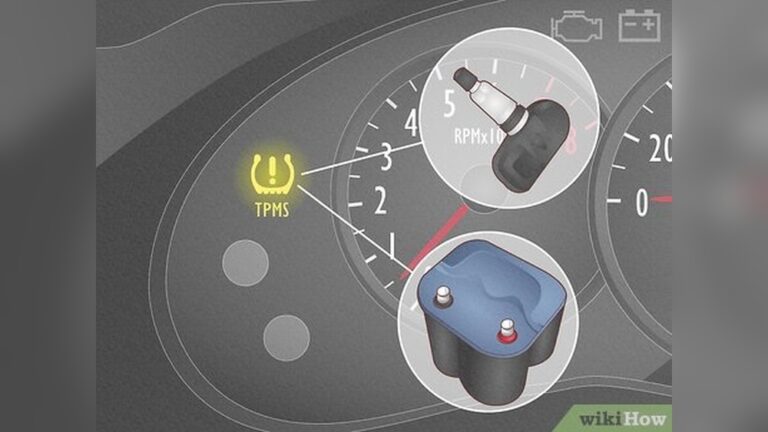
- Weight placement matters for TPMS: Many modern cars have Tire Pressure Monitoring Systems (TPMS) sensors in the wheel. Poorly placed weights can damage these sensors.
When To Rebalance Your Tires
How often should you balance your tires? Here are practical guidelines:
- Every time you install new tires
- After a tire repair (like patching a puncture)
- When you rotate tires (usually every 10,000 km)
- If you feel vibration at certain speeds
- After hitting a pothole or curb
Regular balancing is part of good tire care and can save money in the long run.
The Future Of Tire Balancing
As technology advances, tire balancing is becoming more precise. Some new systems use lasers to scan tires for perfect balance. In high-performance and racing, balance is checked after every run. Even self-driving cars will need advanced balancing to ensure safety and comfort.
Smart tire technology may soon detect imbalances and warn drivers automatically. For now, the best practice is regular checks and using dynamic balancing for almost all modern vehicles.
Expert Tips For Better Tire Balance
- Always choose dynamic balancing for modern cars: It’s worth the extra cost for safety and comfort.
- Keep your wheels clean: Dirt and mud can throw off even a well-balanced tire.
- Check for wheel damage before balancing: Balancing a bent rim won’t fix the vibration.
- Use the right weights: Adhesive weights are better for alloy wheels to prevent scratches.
- Monitor tire pressure: Uneven pressure can mimic imbalance problems.
Frequently Asked Questions
What Is The Main Difference Between Static And Dynamic Balance?
Static balance fixes up-and-down vibration by balancing the tire in one plane, while dynamic balance corrects both up-and-down and side-to-side movement by balancing in two planes. Dynamic balance is needed for most modern vehicles.
Can I Balance My Own Tires At Home?
Static balancing can be done with simple tools if you have patience, but dynamic balancing requires specialized machines found in professional shops. For accurate results, especially with modern cars, it’s best to let professionals handle it.
How Do I Know If My Tires Are Out Of Balance?
Common signs include steering wheel vibration, especially at certain speeds, uneven tire wear, and noises that get louder as you drive faster. If you notice any of these, ask a tire shop to check your balance.
Does Tire Balancing Fix Alignment Problems?
No, balancing and alignment are different. Balancing fixes vibrations caused by uneven weight, while alignment corrects the angles of the wheels for proper steering and tire wear. Both are important but solve different problems.

Credit: zx14ninjaforum.com
How Often Should I Get My Tires Balanced?
You should balance your tires when you buy new ones, after a tire repair, when rotating tires, or if you feel vibrations. Many experts recommend checking balance every 10,000–12,000 kilometers for best results.
Keeping your tires balanced is a simple but powerful way to improve comfort, safety, and the life of your tires. Whether you need static or dynamic balance depends on your vehicle and driving needs, but for most modern drivers, dynamic balancing is the smart choice. If you want more technical details about tire balance, the Wikipedia Tire Balance page is a great place to start. Stay safe on the road by making tire balance a regular part of your car care routine.