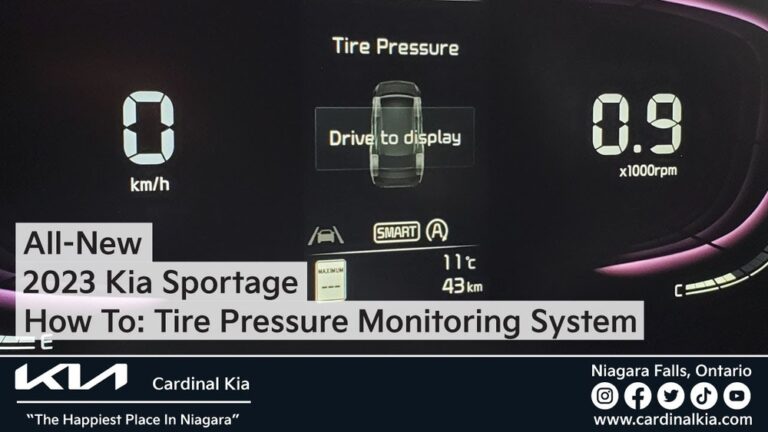
When you’re driving and see a warning light pop up on your dashboard, it’s normal to feel a bit worried. Two lights that often cause confusion are the TPMS light and the tire pressure light. They may look similar, but they’re not exactly the same. Understanding the difference can help you react correctly and keep your car safe to drive.
Both lights alert you about your tires, but they serve unique roles. In this article, you’ll get a clear, detailed explanation of what each light means, how they work, and what to do if one comes on. You’ll also learn how these warnings fit into modern car safety systems and why ignoring them can cost you more than just a little air in your tires.
Whether you’re a new driver or just looking to understand your vehicle better, this guide will give you practical and reliable answers.
What Is The Tpms Light?
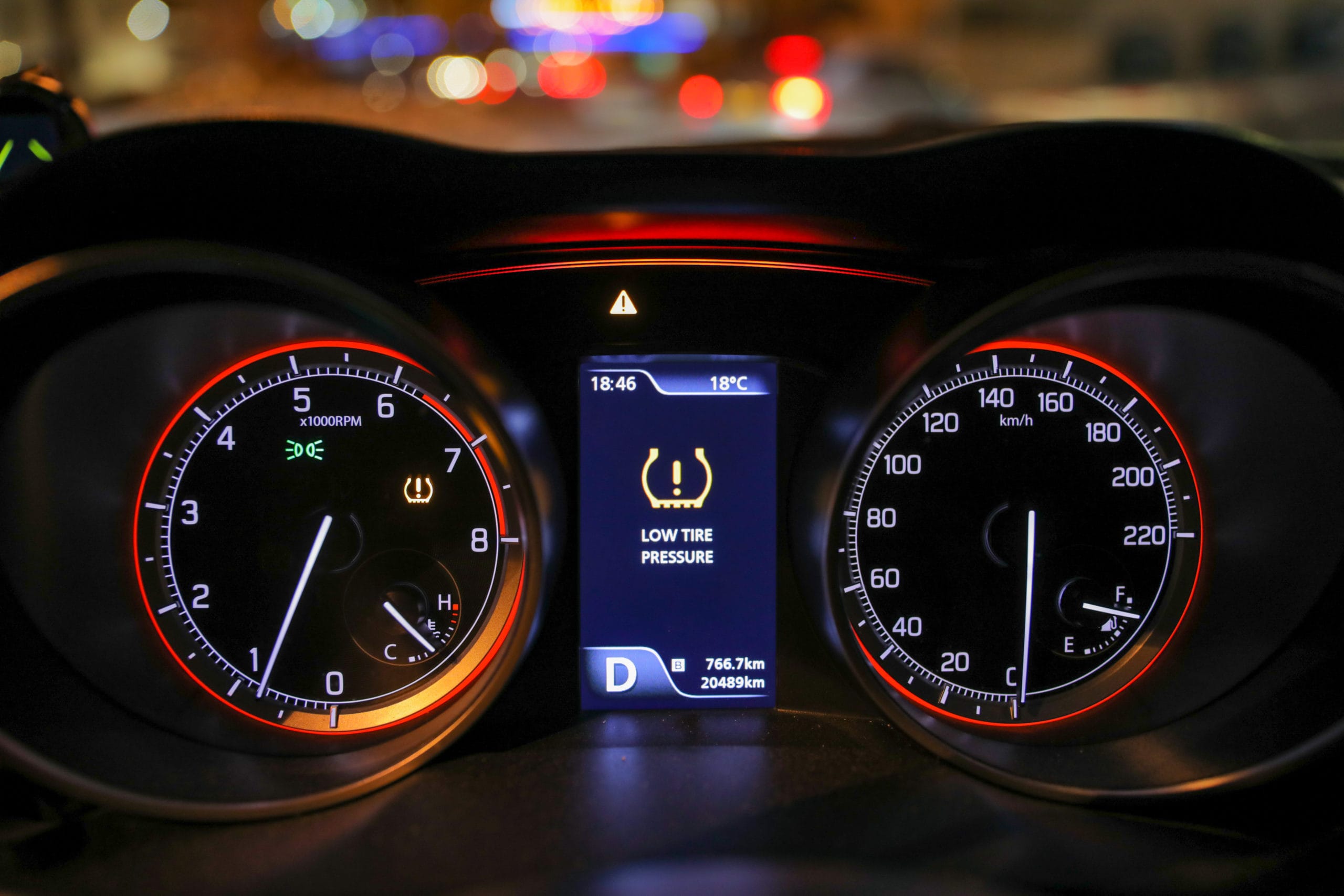
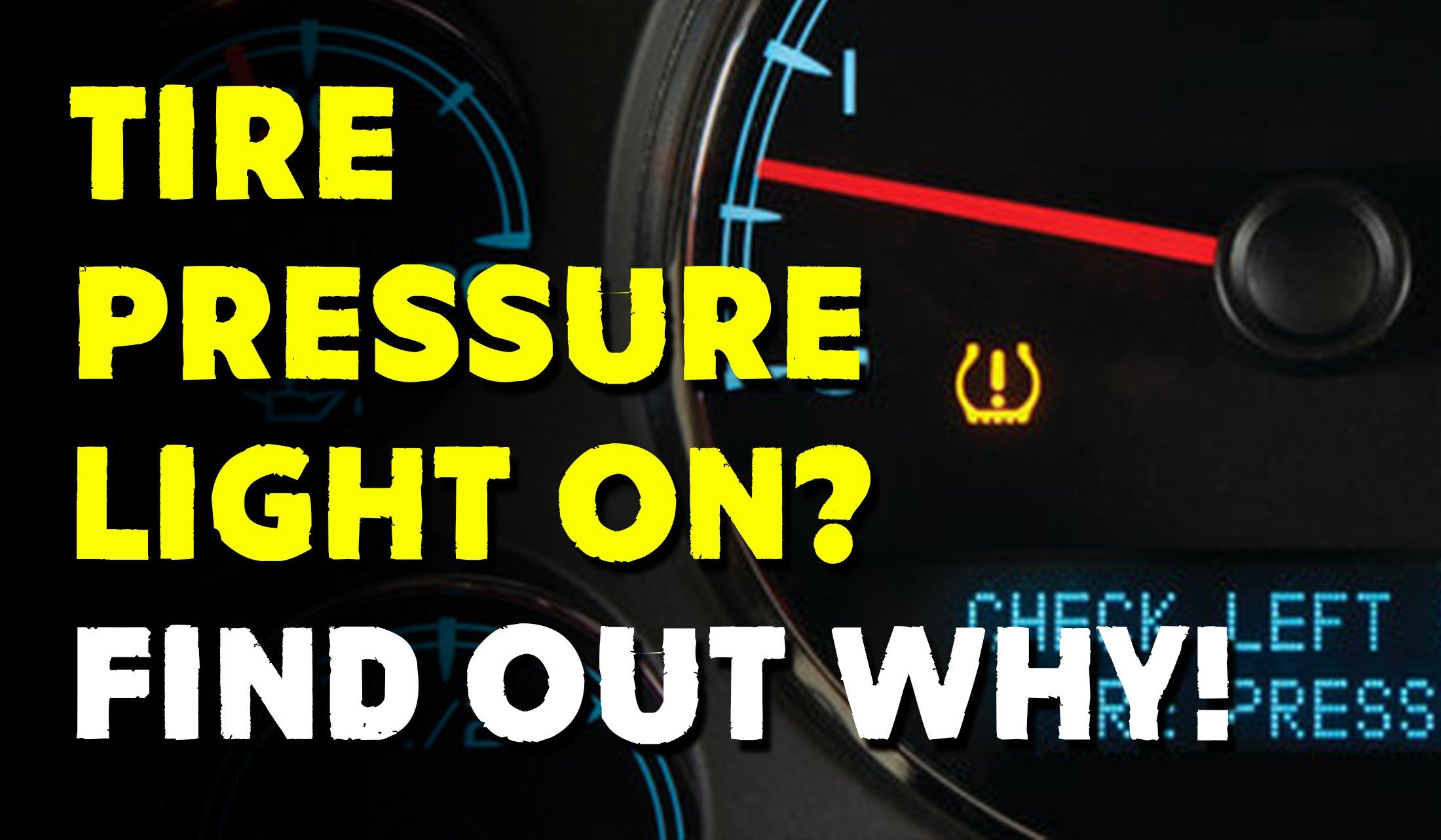
The TPMS light stands for Tire Pressure Monitoring System warning. This light appears as a horseshoe with an exclamation point or sometimes just the word “TPMS.” Its main job is to alert you when one or more of your tires have unsafe pressure, but there’s more behind this light than just a simple warning.
The Purpose Of Tpms
TPMS is a built-in safety feature in most modern cars. After a series of accidents caused by under-inflated tires, governments like the United States made TPMS mandatory for all new vehicles from 2007 onwards. Its goal is to:
- Warn drivers before tire pressure becomes dangerous
- Reduce accidents caused by tire failures
- Improve fuel economy and decrease emissions
How Tpms Works
There are two main types of TPMS:
- Direct TPMS: Sensors are mounted inside each tire. These sensors measure air pressure and send information to your car’s computer. If pressure drops 25% below the recommended level, the TPMS light comes on.
- Indirect TPMS: The system uses the car’s ABS (anti-lock braking system) wheel speed sensors. If a tire loses pressure, it rotates at a different speed, which the computer detects, triggering the warning light.
While both types alert you to a problem, direct TPMS is more accurate because it measures pressure directly.
When Does The Tpms Light Turn On?
The TPMS light will illuminate if:
- Tire pressure drops 25% or more below the recommended value
- A sensor fails or loses battery power
- There’s a communication error between sensors and the car’s computer
Sometimes, the light can flash first, indicating a system problem, and then stay solid if the issue is tire pressure.
Common Causes Of Tpms Light
- Punctures: Nails or sharp objects can let air escape.
- Temperature changes: Colder weather lowers air pressure.
- Sensor failure: TPMS sensors have batteries that can die, usually after 5-10 years.
- Tire replacement: New tires or rotations can confuse the system if not reset.
What To Do When The Tpms Light Comes On
If the TPMS light appears, you should:
- Check all tire pressures with a gauge.
- Inflate any low tires to the recommended level (found in your owner’s manual or driver’s door).
- If all tires are fine and the light stays on, the system may need resetting, or a sensor might be faulty.
Ignoring the TPMS warning can lead to poor handling, longer braking distances, and increased risk of a blowout.
What Is The Tire Pressure Light?
The tire pressure light is often used interchangeably with the TPMS light, but there are subtle differences. In some vehicles, the tire pressure light is a simpler, older warning system that may not use sensors.
How It Differs From Tpms
- In vehicles without advanced electronics, the tire pressure light might be triggered by a basic sensor or even a driver-set warning.
- On modern cars, the tire pressure light and TPMS light are usually the same. But in older or less advanced models, the tire pressure light may only show when pressure is dangerously low, not when it’s just a little underinflated.
Types Of Tire Pressure Lights
- Basic pressure warning: Some vehicles have a simple switch in the tire valve or a pressure-sensitive strip.
- Advanced warning (TPMS): Uses the full sensor system as described above.
Limitations Of Older Tire Pressure Lights
- Less accurate: May not warn you until the tire is severely underinflated.
- No location info: Won’t tell you which tire is low.
- No sensor failure warning: If the system fails, you might not know.
What To Do When The Tire Pressure Light Appears
Just like with the TPMS light:
- Check all tire pressures.
- Inflate as needed.
- If the light doesn’t go away, consult your mechanic, as the system may be faulty.
Key Differences: Tpms Light Vs Tire Pressure Light
While the terms are sometimes used for the same dashboard symbol, there are important differences in how each system works, especially in older vehicles.
| Feature | TPMS Light | Tire Pressure Light |
|---|---|---|
| Technology | Advanced sensors (direct or indirect) | May use basic switch or no sensors |
| Accuracy | High (direct TPMS); moderate (indirect) | Low to moderate |
| Information Provided | Can show which tire is low (some models) | Usually just a general warning |
| Failure Warning | Alerts if system is faulty | Usually no warning if system fails |
| Government Requirement | Mandatory (most markets after 2007) | Not required |
Visual Differences
Both lights are similar, but not always identical. The TPMS light usually looks like a horseshoe with an exclamation point. The tire pressure light may be simpler, sometimes just a word or a less stylized symbol.
How Drivers Mix Them Up
Because many car owners use “TPMS light” and “tire pressure light” to mean the same thing, confusion is common. Always check your car’s manual to see which system your car uses.
Why These Lights Matter For Safety
Ignoring either light can put you and your passengers at risk. Under-inflated tires are a leading cause of tire failures, which can result in accidents.
Accident Statistics
- The U.S. National Highway Traffic Safety Administration (NHTSA) estimates that under-inflated tires cause over 700 crashes per year in the United States.
- Properly inflated tires can improve fuel efficiency by up to 3%, saving money and reducing environmental impact.
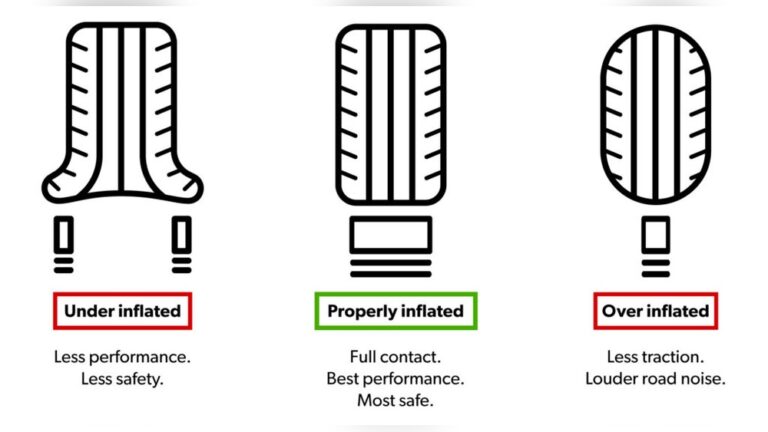
What Happens With Low Tire Pressure
- Reduced grip: Tires don’t stick as well to the road, especially in wet conditions.
- Longer stopping distance: It takes more time to stop.
- Uneven tire wear: Tires wear out faster on the edges.
- Higher risk of blowouts: Heat builds up, and tires can fail suddenly.
Real-world Example
Imagine driving on a busy highway when your front tire is 30% under-inflated. The car may pull to one side, handle poorly, and stopping distance increases. If you must brake suddenly, your tire could lose grip or even burst.
How To Respond To Warning Lights
The right reaction can keep you safe and save money. Here’s what to do if you see the TPMS light or tire pressure light.
Step-by-step Response
- Don’t panic. Slow down and find a safe place to stop.
- Inspect all tires. Look for obvious damage like punctures, bulges, or flat tires.
- Check pressure with a gauge. Don’t trust your eyes—tires can look fine but still be low.
- Inflate as needed. Use the recommended pressure listed in your car’s manual or on the door sticker.
- Reset the warning. Some cars require a manual reset after inflation.
- Drive and re-check. If the light stays on, check again. If it still won’t turn off, visit a mechanic.
What Not To Do
- Don’t ignore the warning hoping it will go away.
- Don’t rely solely on visual checks.
- Don’t continue driving long distances with the light on.
Insight: Seasonal Changes
Many drivers notice their TPMS light in cold weather. That’s because air contracts as it cools, lowering pressure. A drop of just 10°F can reduce tire pressure by about 1 PSI. Check your tires more often in the winter and after big temperature swings.
How Tpms And Tire Pressure Systems Affect Maintenance
Tire maintenance is easier with modern monitoring systems, but some challenges remain.
Checking Tire Pressure Regularly
Even with TPMS, you should check your tire pressure at least once a month. Sensors can fail, and some problems (like slow leaks) may not trigger a warning right away.
Battery Life And Sensor Replacement
- Direct TPMS sensors have batteries that usually last 5-10 years. When they die, the whole sensor must be replaced.
- A mechanic can test sensor batteries during routine visits.
Tire Rotations And New Tires
- After rotating or changing tires, the TPMS system may need to be reset. Otherwise, the dashboard might show false warnings.
- Some cars require a special tool to reset TPMS.
Common Mistake: Ignoring System Faults
If the TPMS light flashes for 60 seconds then stays solid, it often means there’s a system error, not just low pressure. Many drivers ignore this, but it means your safety feature isn’t working. Get it checked as soon as possible.
The Evolution Of Tire Monitoring Systems
Understanding where these systems came from helps explain why both the TPMS light and tire pressure light exist.
Early Warning Systems
Before 2000, very few cars had any tire monitoring. Drivers relied entirely on manual checks, which often led to unnoticed under-inflation.
Government Regulations
A series of fatal accidents in the late 1990s (especially involving SUVs and tire blowouts) led to new rules. In the U. S. , the TREAD Act of 2000 required all new cars to have TPMS by 2007. Europe and other regions followed with similar laws.
Technology Improvements
Early TPMS systems were expensive and only found on luxury cars. Today, even budget cars have some form of tire monitoring, and the technology is far more reliable.
Comparing Direct And Indirect Tpms
Understanding the two main types of TPMS helps you know what to expect from your warning lights.
| Type | How It Works | Pros | Cons |
|---|---|---|---|
| Direct TPMS | Sensors inside each tire measure air pressure directly | Very accurate; can show which tire is low | Sensor batteries wear out; more expensive repairs |
| Indirect TPMS | Uses ABS wheel speed sensors to detect pressure changes | Cheaper; no batteries to replace | Less accurate; cannot detect slow leaks |
Insight: How To Tell Which Type You Have
Check your car’s manual or ask your mechanic. Some cars display individual tire pressures on the dashboard (direct TPMS), while others just show a single warning (indirect TPMS).
Credit: www.telletire.com
The Importance Of Correct Tire Pressure
Maintaining the right tire pressure is about more than avoiding warning lights. It affects every part of your driving experience.
Benefits Of Proper Tire Inflation
- Better fuel economy: Under-inflated tires use more energy.
- Longer tire life: Proper pressure prevents uneven wear.
- Improved safety: Tires grip the road better, especially in emergencies.
- Smoother ride: The car handles bumps and corners better.
Tire Pressure And Weather
Tire pressure drops about 1 PSI for every 10°F temperature decrease. If you set your tire pressure in the summer, it may be too low in winter. Check and adjust pressure with the seasons.
Example: Saving Money
If your tires are just 5 PSI low, your fuel economy can drop by up to 2%. Over a year, that can cost an extra $50-100 in fuel for the average driver.
What To Do If The Warning Light Stays On
Sometimes, the TPMS light or tire pressure light won’t turn off even after you inflate your tires. Here’s what you should do:
- Drive a short distance. Some systems need a few miles to reset.
- Check for sensor damage. If you hit a pothole or curb, a sensor might be broken.
- Manual reset. Look for a reset button (often under the dashboard).
- Visit a professional. If all else fails, your mechanic can check for system faults or replace bad sensors.
Hidden Problem: Spare Tire
Some cars include the spare tire in the TPMS system. If your spare is low, the light will stay on. Check all five tires if your car has this feature.
The Cost Of Ignoring Tire Warnings
Delaying action can lead to bigger problems:
- Tire blowouts: Immediate danger, especially at highway speeds.
- Poor handling: Harder to control your car, especially in rain or snow.
- Wasted money: More frequent tire replacements and higher fuel costs.
- Possible fines: In some regions, it’s illegal to drive with faulty safety systems.
Insurance Issues
Some insurance companies may deny claims if an accident happens due to ignored tire warnings. Always address warning lights promptly.
Modern Innovations In Tire Monitoring
Technology continues to advance. Some new vehicles offer:
- In-app alerts: Your car sends tire pressure updates to your phone.
- Tire fill assist: Car honks or flashes lights when you reach the correct pressure during inflation.
- Predictive maintenance: Advanced systems can warn you of slow leaks before they become serious.
These features make it even easier to keep your tires safe.
Credit: www.rhinousainc.com
Real-world Data: How Often Do Tire Problems Occur?
A study by the NHTSA found that:
- 1 in 4 cars have at least one under-inflated tire at any time.
- 60% of drivers admitted they rarely check tire pressure without a warning light.
This data shows why both TPMS and tire pressure lights are vital for everyday safety.
Educating Yourself: The Best Protection
Reading your car’s manual is essential. Every car is different, and knowing what your warning lights mean can save you from making costly mistakes. When in doubt, ask your mechanic or visit a trusted online source, like the NHTSA, for detailed information.
Credit: acdelcocanada.com
Frequently Asked Questions
What Does It Mean If The Tpms Light Is Flashing?
A flashing TPMS light usually signals a system problem, such as a dead sensor battery or communication error. It’s different from a steady light, which means low tire pressure. See your mechanic if the light flashes.
Can I Drive With The Tire Pressure Light On?
You can drive a short distance, but it’s risky. Under-inflated tires can lead to blowouts and poor handling. Check your tires and add air as soon as possible.
How Do I Reset The Tpms Light?
Some cars reset automatically after inflation. Others require pressing a reset button or using a special tool. Check your owner’s manual for instructions.
Does Cold Weather Cause The Tpms Light To Come On?
Yes, cold weather lowers air pressure. A 10°F drop can reduce pressure by 1 PSI, enough to trigger the warning light. Inflate tires to the recommended pressure in cold weather.
What If My Spare Tire Triggers The Tpms Light?
Some cars monitor the spare tire. If it’s low, the warning will appear. Check and inflate the spare if needed.
Both the TPMS light and the tire pressure light are there to keep you safe. Understanding the difference—and what to do when you see them—can help you avoid accidents, save money, and keep your car running smoothly. Whether your car uses the latest technology or an older system, regular checks and quick action are always the best defense. Stay alert, respond to warnings, and your tires will take care of you on the road.