Thank you for your confirmation. Here is a comprehensive, publication-ready article comparing 285 vs 315 tires. This article gives you expert knowledge in simple English, so you can make the best choice for your vehicle.
—
285 Vs 315 Tires: An In-depth Comparison
Choosing the right tire size can feel confusing, especially when comparing 285 and 315 tires. Both sizes are popular for trucks, SUVs, and off-road vehicles. But which is best for your needs? This guide explains the differences, real-world impact, and helps you decide with confidence—even if you’re not a tire expert.
What Do 285 And 315 Mean?
Let’s start with the basics. Tire sizes like 285/70R17 or 315/70R17 describe three main things: width, aspect ratio, and rim diameter.
- 285 means the tire is 285 millimeters wide from sidewall to sidewall.
- 315 means the tire is 315 millimeters wide.
- The second number, like 70, is the aspect ratio. It’s the height of the sidewall as a percentage of the width.
- The last number, like 17, is the rim diameter in inches.
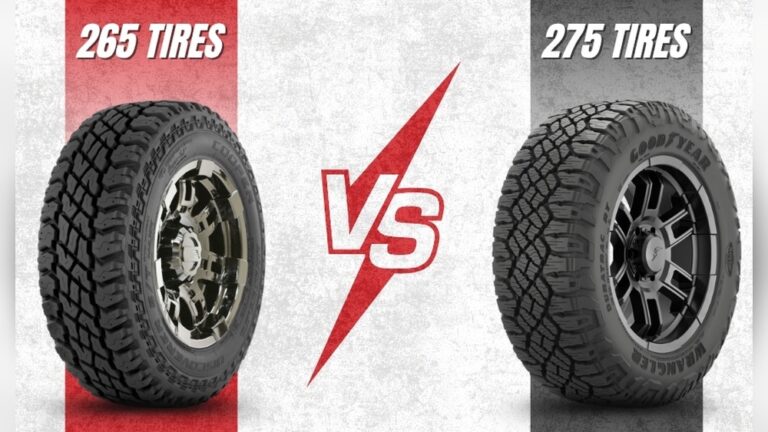
So, a 315 tire is wider than a 285. The aspect ratio and rim size may stay the same, but the tire’s width changes a lot.
Why Width Matters
Wider tires (like 315) give you more contact with the road or ground. This can mean better grip, but also more rolling resistance. Narrower tires (like 285) usually have less contact but can be lighter and cheaper. The width also affects how easily the tire fits inside your wheel wells.
Key Differences: 285 Vs 315 Tires
Let’s look at the main differences that really matter for most drivers.
1. Width
- 285 tires: 285mm wide (about 11.2 inches)
- 315 tires: 315mm wide (about 12.4 inches)
That extra width on a 315 tire can make a big difference, especially in off-road or performance driving.
2. Weight
A wider tire almost always weighs more. This isn’t just about the tire itself—the wheels, suspension, and brakes all feel the difference. Heavier tires can reduce acceleration and fuel economy.
3. Rolling Resistance
The wider the tire, the more rubber touches the road. This means more rolling resistance, which can affect both fuel economy and how the vehicle “feels” while driving.
4. Cost
315 tires are often more expensive than 285 tires. The difference can range from $20 to $100+ per tire, depending on the brand and tread pattern.
5. Fitment
A 315 tire might not fit on all vehicles without modifications. You may need wider wheels, a lift kit, or fender trimming. A 285 tire usually fits more easily, especially on stock vehicles.
6. Looks
There’s no denying that 315 tires give a more aggressive, “beefy” look. Many truck and SUV owners love this style, especially for off-roading.
Performance: How Do 285 And 315 Tires Compare?
Different sizes have different strengths. Let’s break down the impact on key areas.
Traction And Handling
- On-road: Wider tires (315) often give better cornering grip, especially on dry pavement. But, in rain or snow, a wider tire can “float” more easily, reducing traction.
- Off-road: Wider tires spread the vehicle’s weight over more ground. This helps in sand and mud but can make rocky trails trickier because the tire is less likely to “bite” into firm surfaces.
Acceleration And Braking
Heavier, wider tires can slow down acceleration because there’s more mass to move. Braking can be slightly worse for the same reason. However, more contact with the road can help with stopping in some situations.
Fuel Economy
All other things equal, a 285 tire will usually give better fuel economy than a 315. The extra width and weight of a 315 tire mean your engine works harder.
Road Noise
Wider tires often make more noise on the highway, especially with aggressive tread patterns. If you want a quiet ride, a 285 tire with a less aggressive tread may be better.
Steering Feel
Wider tires can make the steering feel heavier or less precise, especially at low speeds. Some drivers like the solid feel; others prefer the lighter touch of a narrower tire.
Fitment: Will They Fit Your Vehicle?
This is one of the most important questions. Not every vehicle can fit 315 tires without modifications.
Stock Fitment (no Modifications)
- Most half-ton trucks and SUVs can fit 285 tires on stock wheels with no changes.
- 315 tires usually require aftermarket wheels (wider and possibly different offset), a suspension lift, and sometimes trimming of plastic fender liners.
Modifications For 315 Tires
- Wider Wheels: Most stock wheels are too narrow for 315 tires. You’ll need at least 8.5” to 10” wide wheels.
- Lift Kit: Lifting your suspension gives extra room for bigger tires.
- Trimming: Sometimes, you must trim or remove plastic pieces inside the fender to prevent rubbing.
- Re-gearing: If you install much larger and heavier tires, you may need to change your differential gears to keep acceleration and transmission performance normal.
Real-world Example
A stock Ford F-150 or Toyota Tacoma can usually fit 285 tires with no lift. But to run 315s, you’ll likely need a 2-3” lift and wider wheels. Some owners also need to recalibrate their speedometer and adjust for the change in ride height.
Pros And Cons
285 Tires: Pros
- Often fit stock wheels and suspension
- Lighter, so less impact on fuel economy and acceleration
- Cheaper to buy and replace
- Less road noise
- Easier to find in most stores
285 Tires: Cons
- Not as wide, so less aggressive look
- Slightly less grip in some off-road conditions
315 Tires: Pros
- Aggressive, wide look that stands out
- More grip in sand, mud, and on dry pavement
- Better for heavy-duty off-road use and rock crawling
315 Tires: Cons
- Often need modifications to fit
- Heavier, can reduce fuel economy and acceleration
- More expensive
- More road noise
- May cause rubbing or handling issues if not installed properly
Real-world Scenarios
It helps to look at some common situations and how tire size affects them.
Daily Driving
For regular driving, a 285 tire is usually best. It fits well, is quiet, and keeps fuel use reasonable. It also costs less to replace if you get a flat or need new tires.
Towing And Hauling
Wider tires can help with stability when towing, but the extra weight and rolling resistance of 315s can make your engine work harder. Most drivers find 285s are a good balance for towing.
Off-road
If you love off-roading, the right tire depends on the terrain.
- Mud/Sand: 315 tires give you better flotation and grip.
- Rocks: Sometimes, a narrower tire (285) is better because it cuts through and “bites” into the surface.
- Trails: Both work, but 315s may rub unless you have a lift.
Snow And Ice
Narrower tires (285) usually perform better in snow. They cut through to the surface instead of floating on top. This is why winter tires for cars are often narrower than summer tires.
Key Factors To Consider
Choosing between 285 and 315 tires is not just about size. Here are the most important things to think about:
- What’s your main use? Daily driving, off-roading, or towing?
- Will the tires fit your wheels and truck/SUV?
- Are you willing to modify your vehicle? (lift kit, wheels, etc.)
- What’s your budget? Bigger tires are more expensive.
- How important is fuel economy?
- Do you want a quiet ride or don’t mind some tire noise?
- Do you care about looks more than comfort or cost?
Non-obvious Insights Most Beginners Miss
- Speedometer and Odometer Changes: When you increase tire size, your speedometer and odometer will be off. Your vehicle may show a slower speed than your real speed. You may need a calibration tool.
- Impact on Suspension and Brakes: Heavier tires add stress to suspension and brakes. Over time, this can lead to more wear and shorter part life, especially if you drive hard or tow heavy loads.
- Insurance and Legal Issues: In some places, very large tires can affect your insurance or even be illegal if they stick out too far past the fenders. Always check local rules.
- Spare Tire Problems: If you upgrade to 315s, your stock spare tire may no longer match. This can cause issues if you get a flat. Consider upgrading your spare as well.
Common Mistakes To Avoid
- Buying tires before checking fitment: Always measure or check with an expert before buying wider tires.
- Ignoring the need for proper wheels: 315 tires on narrow wheels can lead to poor handling and faster tire wear.
- Skipping suspension upgrades: Running heavy, wide tires on stock suspension can make your ride rough and wear out parts.
- Not considering your driving needs: A wide tire looks cool, but if you mostly drive in the city or snow, it might not be the best choice.
When Is Each Size The Right Choice?
Choose 285 Tires If:
- You want a simple upgrade with no major changes to your vehicle
- You drive mostly on the road, in all weather
- You want to keep costs and fuel use lower
- You do some light off-roading
Choose 315 Tires If:
- You want a bold, aggressive look
- You do serious off-roading (sand, mud, rocks)
- You’re willing to invest in wheels, lift, and possible gear changes
- You don’t mind higher costs and more noise
How To Measure And Check Fitment
If you’re not sure what will fit, here’s how to check:
- Find your current tire size: Look at the sidewall of your tire. It will say something like 265/70R17.
- Measure space in your wheel wells: Turn your wheels fully left and right and check for clearance.
- Check wheel width and offset: Your wheels should be wide enough for the tire. Most 315s need at least 8.5” wide wheels.
- Talk to experts: Tire shops or online forums for your vehicle are great resources.
A handy online tire size calculator like [TireSize.com](https://tiresize.com/calculator/) can help you compare overall diameter and width to see how much your speedometer will change and how much extra clearance you need.
Upgrading: What Else Should You Replace?
If you move from 285 to 315 tires, consider upgrading other parts, too.
- Wheels: Make sure they are wide enough.
- Suspension: A small lift may be needed.
- Speedometer Calibration: Some trucks need a simple device to fix the speedometer.
- Brakes: Larger tires add stress; new pads or bigger rotors can help.
Cost Comparison
To give you an idea, here’s a typical price range for all-terrain tires:
| Tire Size | Price Per Tire (USD) | Common Wheel Width |
|---|---|---|
| 285 | $200 – $350 | 8” – 9.5” |
| 315 | $250 – $450 | 8.5” – 11” |
Remember to add the cost of new wheels, lift kits, or other parts if needed.
Final Thoughts
Choosing between 285 and 315 tires is not only about size, but about how you use your vehicle, your budget, and your style. 285 tires fit easily, cost less, and work well for most people. 315 tires look amazing and improve grip off-road, but need more work (and money) to fit right.
If you’re not sure, talk to other owners of your vehicle, visit a local tire shop, and always measure before you buy. With the right information, you’ll get tires that make your truck or SUV safer, stronger, and more fun to drive.
For more details on tire sizing and modifications, check out this helpful [tire size guide from Tire Rack](https://www.tirerack.com/tires/tiretech/techpage.jsp?techid=46) (external link).
—
Now you have all the facts to confidently choose between 285 and 315 tires. Make the choice that fits your life, not just your wheels. Safe driving!