How Often Should You Rotate Tires On An Fwd Car
Tire rotation is a simple task, but it has a big effect on your car’s safety and performance. If you drive a front-wheel drive (FWD) car, you might wonder how often you really need to rotate your tires—and why it even matters. The truth is, regular tire rotation helps your tires last longer, keeps your car handling well, and can even save you money over time. But how often should you do it? And what makes FWD cars different when it comes to tire care? Let’s explore everything you need to know to keep your car running safely and smoothly.
Why Tire Rotation Matters For Fwd Cars
FWD cars send all the engine power to the front wheels. This means the front tires do most of the work—they steer, pull, and carry a bit more weight. As a result, the front tires wear out faster than the rear ones. If you never rotate your tires, you’ll likely need to replace the front tires long before the rear ones. This not only costs more but can also affect your car’s balance and safety.
Rotating your tires regularly ensures they wear evenly. Even wear means better handling, improved traction, and a smoother ride. It can also help you avoid problems like noisy tires, vibrations, or even dangerous blowouts.
How Often Should You Rotate Tires On An Fwd Car?
Most experts, including tire manufacturers and automakers, recommend rotating tires every 5,000 to 8,000 miles (about 8,000 to 13,000 kilometers) for FWD vehicles. This usually matches up with every oil change for many cars. However, there are a few things to keep in mind:
- Driving Habits: If you often drive in stop-and-go traffic, carry heavy loads, or take sharp turns, your tires may wear faster. In these cases, stick to the lower end of the interval (around 5,000 miles).
- Type of Tires: High-performance or soft compound tires may need more frequent rotation.
- Owner’s Manual: Always check your car’s owner’s manual. Some cars have specific recommendations that are different from the general rule.
Here’s a quick comparison of suggested tire rotation intervals for FWD cars:
| Mileage Interval | When to Rotate |
|---|---|
| 5,000 miles (8,000 km) | Ideal for harsh or mixed driving |
| 6,000-7,500 miles (9,600-12,000 km) | Standard interval for most users |
| 8,000 miles (13,000 km) | Maximum interval for gentle use |
Credit: www.lousobhhonda.com
The Tire Rotation Pattern For Fwd Cars
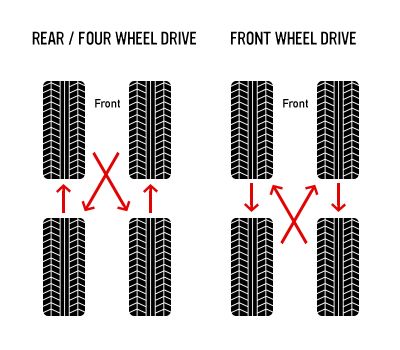
Not all tire rotations are the same. For FWD cars, the recommended pattern is called the Forward Cross:
- Move the front tires to the rear on the same side.
- Move the rear tires to the front, but switch sides (left rear to right front, right rear to left front).
This pattern helps balance the extra wear that front tires experience and ensures all tires get a turn in every position.
If your car uses directional tires (tires with a tread that only works in one direction), you need to rotate them front-to-back only, without crossing sides.
Signs Your Tires Need Rotation Sooner
While the mileage rule is a good guide, sometimes your tires may need rotation earlier. Watch for these signs:
- Uneven Tread Wear: Check for more wear on the edges or center of some tires.
- Vibration: If you feel shaking through the steering wheel at certain speeds, uneven tire wear could be the cause.
- Noise: Whining or humming sounds that change with speed can mean tires are wearing unevenly.
If you notice any of these issues, rotate your tires as soon as possible and have them checked for other problems.
How To Rotate Tires On An Fwd Car: Step-by-step
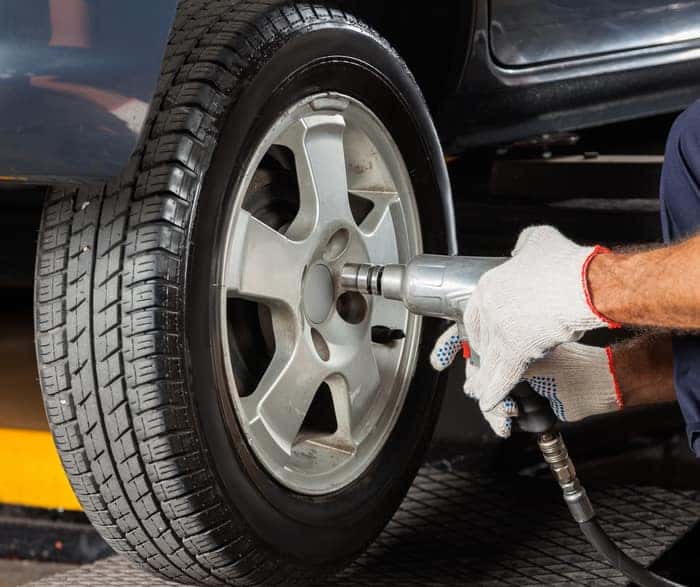
If you want to rotate your tires yourself, you’ll need a few basic tools: a jack, jack stands, and a lug wrench. Here’s how to do it safely:
- Park on a Level Surface: Make sure your car is in gear (or in park) and the parking brake is on.
- Loosen Lug Nuts: Slightly loosen the lug nuts on all tires before lifting the car.
- Lift the Car: Use the jack to lift one end of the car, and secure it with jack stands.
- Remove Tires: Take off each tire and note its original position.
- Rotate According to the Pattern: Move tires as explained in the Forward Cross pattern.
- Reinstall Tires: Put the tires back on, and hand-tighten the lug nuts.
- Lower the Car: Carefully lower the car and fully tighten the lug nuts in a crisscross pattern.
Always check your owner’s manual for any special instructions. Some cars have tire pressure sensors or locking lug nuts that need special tools.
Comparing Tire Wear: Fwd Vs. Rwd Vs. Awd
Different drivetrains affect how tires wear. Here’s how FWD compares to other common types:
| Drivetrain | Which Tires Wear Faster? | Rotation Pattern |
|---|---|---|
| FWD | Front tires | Forward Cross |
| RWD | Rear tires | Rearward Cross |
| AWD/4WD | All tires (can vary) | X-Pattern or as recommended |
This table shows why regular rotation is especially important for FWD cars: the front tires do much more work and need to be rotated more often to keep up with the rear ones.
Credit: www.firestonecompleteautocare.com
What Happens If You Skip Tire Rotation?
Some drivers think tire rotation is optional, but skipping it can lead to several problems:
- Shorter Tire Life: Front tires wear out much faster, meaning you’ll need to replace them sooner.
- Poor Handling: Uneven tires can make your car pull to one side, or feel unstable in wet or icy conditions.
- Reduced Safety: Worn tires are more likely to lose grip or even blow out at high speeds.
- Higher Costs: Replacing just two tires instead of four can affect your car’s traction system, especially if you have modern safety features like ABS or traction control.
Two Insights Many Beginners Miss
First, tire rotation does not fix existing tire damage. If your tires are already badly worn on one edge or have visible damage, rotating them won’t solve the underlying problem. It’s important to inspect your tires for signs of alignment or suspension issues before rotating.
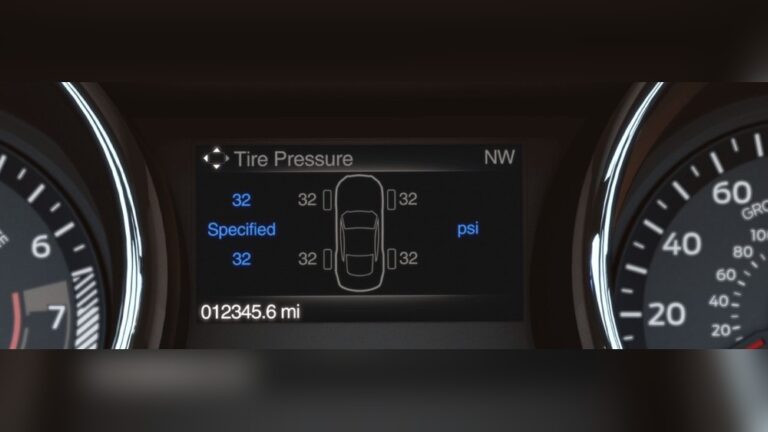
Second, proper tire inflation matters just as much as rotation. Even if you rotate your tires on schedule, under-inflated or over-inflated tires will wear unevenly and more quickly. Always check and adjust tire pressure when rotating.
Practical Tips For Getting The Most From Your Tires
- Keep a Maintenance Log: Write down each time you rotate your tires. This helps you stay on schedule and spot patterns in tire wear.
- Check Alignment Regularly: If your car pulls to one side, get an alignment check. Misalignment can ruin tires, even if you rotate them.
- Balance Your Tires: If you feel vibrations after rotation, ask for a tire balance check.
- Replace Tires as a Set When Possible: For FWD cars, it’s best to replace all four tires together. If that’s not possible, always put the newest tires on the rear, for better stability.
Real-world Example: Tire Rotation And Savings
Consider this: the average set of tires for a compact FWD car costs about $400-$600. If you rotate your tires every 6,000 miles, you can often extend their lifespan from about 30,000 miles to 40,000 miles or more. That’s an extra year or more of driving before replacement.
If you skip rotations, your front tires might only last 20,000 miles, while the rears still look new. You’d have to buy two tires twice as often, costing more over the life of the car.
Professional Rotation Vs. Diy: What’s Best?
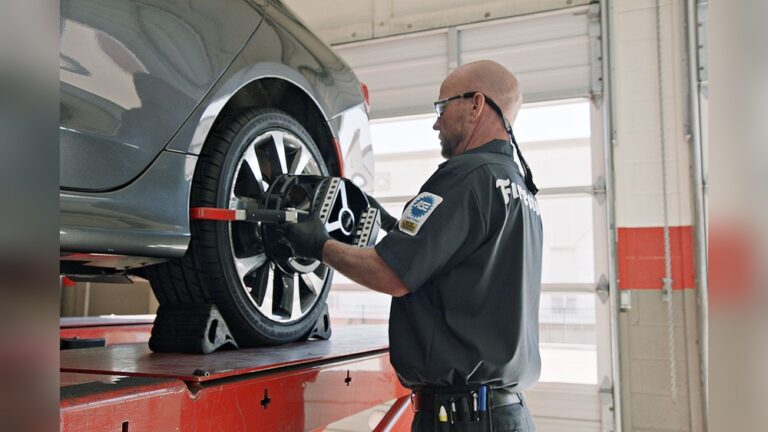
You can rotate your own tires if you have the tools and time. However, professional tire rotation is usually inexpensive—often under $30, or even free if you bought the tires from the shop.
A professional mechanic will also check for other problems, like worn brake pads or suspension issues, during rotation. This can help you catch small issues before they become expensive repairs.
Here’s a quick comparison of DIY vs. professional rotation:
| DIY Rotation | Professional Rotation |
|---|---|
| Free (if you have tools) | Usually $15-$30 |
| Can be done at home, anytime | Takes 15-30 minutes at a shop |
| No expert inspection | Includes safety checks |
| Risk of mistakes if not careful | Done by trained staff |
When To Ask A Professional For Help
While rotation is simple, get professional help if:
- You see uneven tire wear that looks severe
- Your car shakes or pulls to one side
- You hear clunking or grinding noises
- You don’t have the right tools or feel unsure
A trusted tire shop or mechanic can inspect your tires, check alignment, and make sure everything is safe.
How Tire Rotation Affects Fuel Economy
Rotating your tires on schedule can also help with fuel efficiency. Uneven tires create more rolling resistance. More resistance means your engine works harder, using more fuel. Well-maintained, evenly worn tires roll smoothly and help you get the best gas mileage possible.
According to the U. S. Department of Energy, keeping your tires in good condition—including regular rotation and proper inflation—can improve fuel efficiency by up to 3%. This might not sound like much, but over the life of your car, the savings add up.
Frequently Asked Questions
How Do I Know If My Fwd Car Needs Tire Rotation?
Look for signs like uneven tread wear, vibrations, or strange noises from your tires. If you’ve driven 5,000 to 8,000 miles since your last rotation, it’s time, even if you don’t notice problems.
Can I Rotate My Tires Too Often?
There’s no harm in rotating too often, but it isn’t necessary. Rotating every 5,000 to 8,000 miles is enough for most FWD cars. Doing it more often won’t extend tire life much more.
Should I Rotate My Tires If They Are Different Brands Or Types?
Ideally, all four tires should match. If they don’t, rotate only if they are similar in size and tread pattern. If in doubt, ask a tire professional.
What If My Car Has A Full-size Spare Tire?
Some cars have a full-size spare. You can include it in the rotation pattern, usually moving it to the rear or front position and placing a regular tire as the spare. Check your manual for the correct pattern.
Where Can I Learn More About Tire Care?
A great place for more information is the National Highway Traffic Safety Administration (NHTSA), which offers detailed guides and safety tips.
Regular tire rotation is one of the easiest ways to keep your FWD car running safely and efficiently. By following the right schedule and paying attention to your tires, you’ll save money, drive safer, and enjoy a smoother ride every day.

Credit: www.nissangardengrove.com