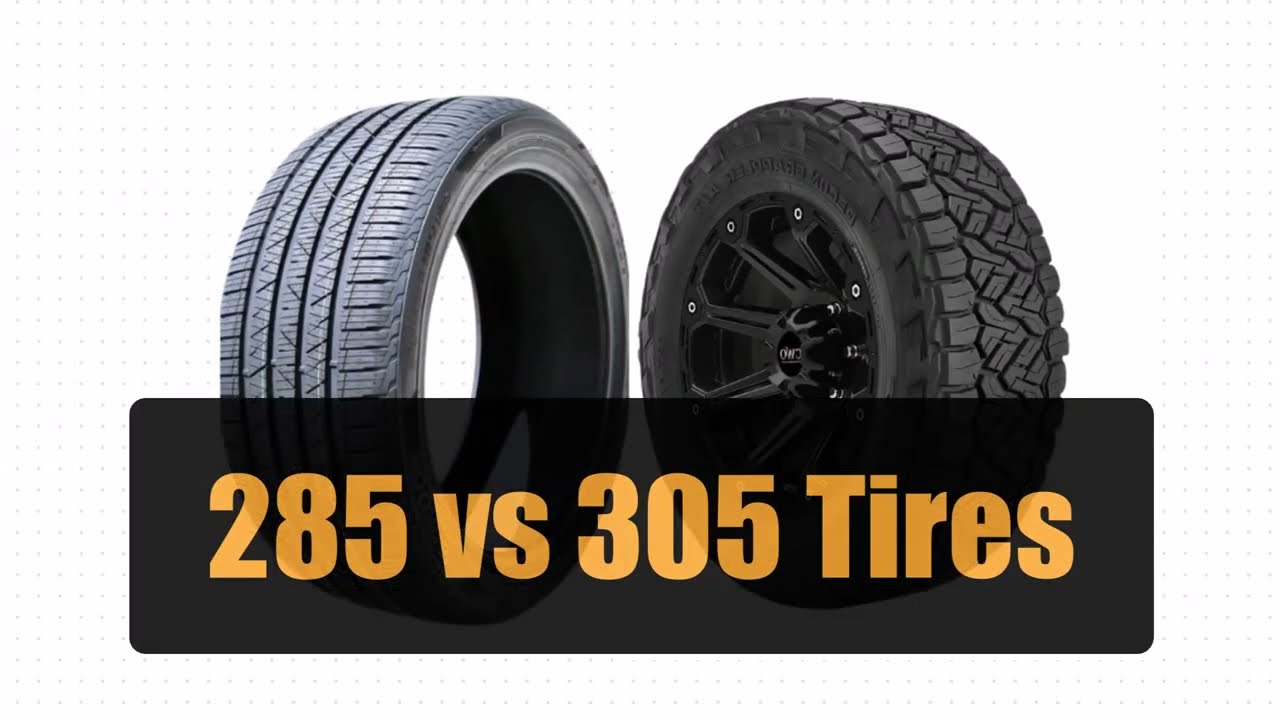
Choosing the right tire size for your vehicle is more than just picking a number. Many drivers debate between 285 and 305 tires, especially when upgrading for performance, aesthetics, or off-road capability. The choice you make will affect your vehicle’s handling, fuel economy, comfort, and even safety. If you’re not sure which tire size suits your needs, this guide will help you understand the differences, advantages, and drawbacks of both options.
People often ask, “Will a wider tire look better? ” or “Does a bigger tire mean better grip? ” These questions have simple answers on the surface, but in reality, there are many factors to consider. Tire size isn’t just about the width.
It also impacts the sidewall height, load capacity, speedometer accuracy, and even how much your vehicle’s gears work.
Let’s explore every detail of 285 vs 305 tire. This article covers their measurements, real-world performance, cost, compatibility, and even how they affect your driving experience. You’ll find facts, comparisons, and clear explanations so you can make a confident, informed decision.
Understanding Tire Numbers
Before comparing the two, it’s important to understand what the numbers mean. When you see “285/70R17” or “305/70R17,” each number tells you something specific.
- The first number (285 or 305) is the tire width in millimeters.
- The second number (such as 70) is the aspect ratio, which is the sidewall height as a percentage of width.
- The “R” stands for radial construction.
- The last number (like 17) is the wheel diameter in inches.
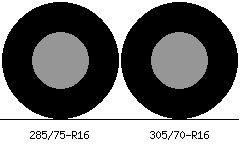
So, a 285 tire is 285 mm wide, and a 305 tire is 305 mm wide. Everything else being equal, 305 tires are 20 mm wider than 285 tires.
285 Tire: Characteristics And Applications
The 285 tire is a common upgrade for many trucks, SUVs, and off-road vehicles. It’s wider than stock tires on most light trucks, but not as aggressive as 305 tires.
Key Features Of 285 Tires
- Width: 285 mm
- Versatility: Fits many stock wheels without major modifications
- Ideal for: Off-roaders, daily drivers, and those seeking a slight performance or appearance boost
Practical Applications
- Off-Roading: 285 tires are popular among off-road enthusiasts. They provide a wider contact patch for better traction on dirt, mud, and rocks.
- Daily Driving: These tires are still narrow enough for good fuel efficiency and responsive steering on paved roads.
- Towing: The added width helps distribute weight, improving stability when towing moderate loads.
Vehicles Commonly Using 285 Tires
- Toyota Tacoma (with leveling kit)
- Ford F-150
- Jeep Wrangler (minor lift)
- Chevrolet Silverado
Many of these vehicles use 285s as a middle ground between the factory size and a much wider aftermarket tire.
305 Tire: Characteristics And Applications
The 305 tire is considered a “wide” option. It stands out for its aggressive stance and increased surface area.
Key Features Of 305 Tires
- Width: 305 mm
- Visual Impact: Noticeably wider and more aggressive look
- Ideal for: Serious off-roaders, show trucks, and those prioritizing maximum grip
Practical Applications
- Extreme Off-Roading: 305s offer excellent grip in loose terrain, sand, and mud due to their width.
- Performance Vehicles: Wider tires mean more rubber on the road, which can translate to better cornering and acceleration (if the suspension and gearing are matched).
- Custom Builds: Many lifted trucks and SUVs use 305s for show and personal style.
Vehicles Commonly Using 305 Tires
- Jeep Gladiator (with lift kit)
- Ram 1500 (aftermarket wheels)
- Chevy Silverado (lifted)
- Ford Raptor
305s often require modifications like wheel spacers, aftermarket rims, or trimming fenders to avoid rubbing.
Side-by-side Measurement Comparison
To understand the differences, see how a typical 285/70R17 compares to a 305/70R17:
| Measurement | 285/70R17 | 305/70R17 |
|---|---|---|
| Width (mm) | 285 | 305 |
| Section Width (inches) | 11.22 | 12.01 |
| Sidewall Height (mm) | 199.5 | 213.5 |
| Overall Diameter (inches) | 32.71 | 33.81 |
| Circumference (inches) | 102.77 | 106.22 |
| Revs per Mile | 616 | 596 |
As you can see, the 305 tire is not only wider but also slightly taller. This means a 305 tire will cover more ground per revolution, and your speedometer may read slightly lower than your actual speed.
Pros And Cons Of 285 Tires
Advantages
- Easier Fitment: Most vehicles can fit 285 tires with minimal modifications.
- Less Rolling Resistance: Better fuel economy compared to 305s.
- Responsive Steering: Quicker turn-in, especially on pavement.
- Lower Cost: Usually cheaper than 305 tires of the same brand and model.
- Reduced Wear on Components: Less stress on axles, bearings, and suspension.
Disadvantages
- Less Aggressive Look: Not as wide or bold as 305s.
- Slightly Less Traction: Narrower contact patch, especially in deep mud or sand.
- Lower Load Capacity: May not handle as much weight as a 305.
Pros And Cons Of 305 Tires
Advantages
- Maximum Grip: Wider contact patch for better traction, especially off-road.
- Aggressive Stance: Big, bold look that stands out.
- Higher Load Capacity: Can carry more weight, useful for heavy towing or loaded vehicles.
- Better in Deep Snow/Mud: More surface area keeps the vehicle on top.
Disadvantages
- May Require Modifications: Fenders, suspension, or wheels may need changes to prevent rubbing.
- Reduced Fuel Economy: More rolling resistance means your engine works harder.
- Heavier Steering: Wider tires take more effort to turn, especially at low speeds.
- Higher Cost: More rubber and engineering mean a higher price tag.
- Possible Speedometer Error: Larger diameter can throw off your speed readings.
Performance Comparison: 285 Vs 305 Tire
On-road Performance
- 285 tires: Usually offer a smoother, quieter ride with less road noise. They handle daily driving, highway cruising, and city navigation with more comfort and efficiency.
- 305 tires: Provide extra grip and stability in corners but may feel heavier and less precise. The wider tread can increase road noise.
Off-road Performance
- 285 tires: Good for moderate trails, rocks, and mixed terrain. They balance traction with maneuverability.
- 305 tires: Shine in mud, sand, and deep snow. Their wider footprint helps prevent sinking and improves forward motion.
Towing And Payload
- 285 tires: Adequate for most towing needs and light to medium loads.
- 305 tires: Better suited for heavy loads and towing, thanks to a higher load index.
Fuel Economy
- 285 tires: More efficient, as they weigh less and offer less rolling resistance.
- 305 tires: Slightly lower fuel efficiency due to added weight and drag.
Cost And Availability
- 285 tires: More common, so you’ll find more brands and models to choose from. Prices are generally lower.
- 305 tires: Fewer options, and each tire tends to cost more due to extra materials and lower production volumes.
Visual Impact: How Tire Size Changes Appearance
One of the main reasons people choose wider tires is for visual appeal. A 305 tire will fill the wheel well more, offering a muscular, aggressive look that’s popular in the off-road and custom truck world.
However, not all vehicles look better with wider tires. Sometimes, a 305 can look out of place if the body isn’t wide enough or the wheels don’t have the right offset.
A 285 tire, on the other hand, offers a subtle upgrade that still looks sporty, without risking a “bulging” appearance.
Fitment And Compatibility
Before upgrading to either size, you must check for fitment issues. Not all vehicles can handle a 305 tire without changes.
What To Check Before Upgrading
- Wheel Width: Your wheel needs to be wide enough for the tire. 285 tires usually fit 8-10 inch wide wheels, while 305s need at least 9-11 inch wheels.
- Offset and Backspacing: Wider tires can rub the suspension or fenders if the wheel offset isn’t correct.
- Suspension Clearance: 305s often require a lift or leveling kit.
- Fender Trimming: In some cases, trimming or rolling the fender edges is needed to prevent rubbing.
- Speedometer Calibration: A larger tire will affect the speedometer reading.
Common Mistakes When Upgrading Tire Size
- Installing 305s on stock wheels without checking offset or clearance
- Forgetting to recalibrate the speedometer
- Ignoring how a heavier tire may affect braking and acceleration
Real-world Examples
Let’s look at how these tire sizes perform on popular vehicles:
Jeep Wrangler
- 285 tires: Fit with a mild lift or leveling kit. Great for daily driving and moderate trails.
- 305 tires: Require 2-inch lift, wider wheels, and possible fender modifications for serious off-road performance.
Ford F-150
- 285 tires: Fit stock setup or with a leveling kit. Improve stance and off-road grip.
- 305 tires: Require new wheels and potentially trimming. Offer the “show truck” look.
Toyota Tacoma
- 285 tires: Common upgrade for mild off-roading and improved style.
- 305 tires: Best for lifted trucks and those tackling sand dunes or deep mud.
Tire Life And Maintenance
The tire size you choose will affect tire wear and maintenance.
- 285 tires: Tend to wear evenly and last longer, especially if you rotate regularly.
- 305 tires: May wear faster if not rotated, and uneven wear is common if alignment isn’t perfect.
Wider tires pick up more debris, so regular inspection for nails and punctures is wise.
Handling And Safety
Wider tires like the 305 offer more grip, especially in corners or during emergency maneuvers. However, they can also hydroplane more easily in heavy rain because the tire may not cut through water as well as a narrower one.
285 tires are less prone to hydroplaning and usually handle better in snow and slush, where the tire needs to “dig in. ”

Credit: thecarstuff.com
Insurance And Legal Considerations
Changing your tire size can impact your insurance and local regulations. Some areas have laws about how far tires can stick out past fenders. Insurance companies may ask about modifications, and failure to declare changes could affect coverage.
Always check with your insurer and local vehicle laws before switching to larger tires.
Cost Breakdown: 285 Vs 305 Tire
Here’s a simple cost comparison for a set of four tires, using mid-range all-terrain models as an example:
| Tire Size | Average Price per Tire (USD) | Total for 4 Tires (USD) |
|---|---|---|
| 285/70R17 | $230 | $920 |
| 305/70R17 | $255 | $1020 |
This doesn’t include installation, wheel upgrades, or alignment, which may be necessary for 305 tires.
Comparing Load Ratings And Towing Capacity
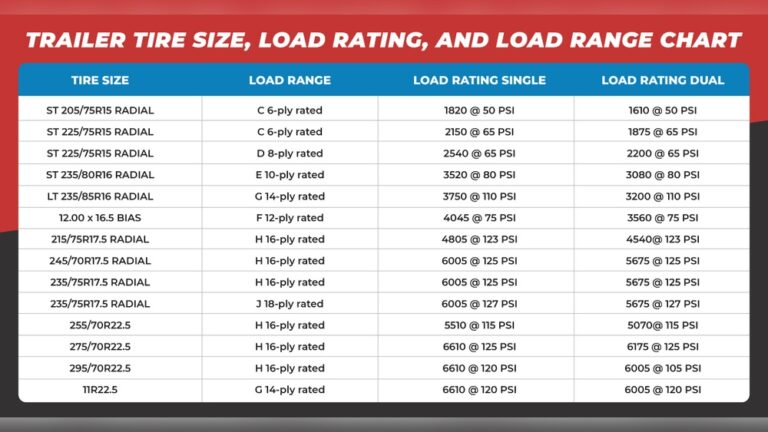
A tire’s load rating shows how much weight it can safely carry. 305 tires often have a higher load rating due to their width, which is important for trucks carrying heavy loads.
For example:
- 285/70R17: Load rating “E” (3,195 lbs per tire)
- 305/70R17: Load rating “E” (3,525 lbs per tire)
This difference may not matter for daily driving, but for towing a trailer or carrying heavy gear, the extra capacity can make a real difference.
Speedometer And Odometer Impact
If you switch from 285 to 305 tires (with the same aspect ratio and wheel size), your speedometer and odometer will read lower than your actual speed and distance. A 3% difference in diameter means your speedometer might show 60 mph when you’re really traveling 62 mph.
You can recalibrate your speedometer with a simple electronic programmer or by visiting a mechanic.
285 Vs 305 Tire: Which Should You Choose?
The right choice depends on your needs:
- Choose 285 tires if: You want a balance of performance, comfort, and fuel economy. You don’t want to modify your suspension or wheels. You drive mostly on-road or on moderate trails.
- Choose 305 tires if: You want the widest footprint, most aggressive look, and maximum off-road traction. You’re willing to upgrade wheels, suspension, and possibly trim fenders.
Non-obvious Insights Most Beginners Miss
- Wheel Offset Matters: Many people think only about tire width, but the wheel’s offset is just as important. Incorrect offset can cause rubbing even with a tire that “should” fit.
- Braking Performance: Wider tires often improve dry braking, but they can increase stopping distances in wet conditions if the tread isn’t designed to channel water well.
- Ride Quality Changes: Not all roads are smooth. Wider tires can make the ride harsher on rough roads because there’s less sidewall flex to absorb bumps.
- Rotational Mass: A heavier tire affects acceleration, braking, and even transmission shifting. Upgrading to 305s without considering these can make your truck feel sluggish.
Credit: www.youtube.com
How To Decide: Step-by-step
- Measure Your Wheel Wells: Use a tape measure to check for clearance.
- Check Wheel Width: Make sure your wheels are wide enough for the tire you want.
- Consider Suspension Upgrades: Know if you’ll need a lift or leveling kit.
- Think About Your Driving: Mostly highway? Stick to 285. Heavy off-road? 305 may be worth it.
- Budget for Extras: Account for possible wheel, alignment, and fender work.
Alternatives To 285 And 305
If you’re not sure about going as wide as 305, some drivers choose intermediate sizes like 295/70R17. This gives a compromise between the two.
Credit: www.tacomaworld.com
Where To Find More Information
For more technical details about tire sizing, load ratings, and vehicle compatibility, check out the Tire Rack website. They offer calculators, fitment guides, and expert advice.
Frequently Asked Questions
What Happens If I Put 305 Tires On My Stock Wheels?
Most stock wheels are not wide enough for 305 tires. This can cause the tire to bulge and wear unevenly. You may also experience rubbing against the suspension or fenders, especially when turning or driving over bumps. It’s best to upgrade to wider wheels designed for 305 tires.
Do 305 Tires Wear Out Faster Than 285 Tires?
305 tires often wear faster because they’re heavier and may not be rotated as frequently, especially if they’re used for off-roading or aggressive driving. Proper alignment and regular rotation can help them last longer, but expect slightly shorter tread life compared to 285s.
Will Switching From 285 To 305 Tires Affect My Gas Mileage?
Yes. Wider tires like 305s have more rolling resistance and are usually heavier. This means your engine works harder, which can reduce fuel efficiency by 1-2 miles per gallon, depending on your vehicle and driving habits.
Can I Run 305 Tires Without A Lift Kit?
Usually, no. Most vehicles require at least a small lift or leveling kit to fit 305 tires without rubbing. Some trucks with very large wheel wells may fit them, but it’s always best to check clearance and test fit before buying.
Are 305 Tires Better For Snow Or Mud?
305 tires perform better in deep mud and loose snow because their wide footprint keeps the vehicle from sinking. However, in packed snow or icy conditions, a narrower tire (like a 285) can dig in better and maintain traction. The best choice depends on your local climate and driving needs.
Choosing between 285 and 305 tires is more than just a numbers game. It’s about understanding your vehicle, your driving style, and what you value most—appearance, performance, or practicality. Take the time to consider all the factors, and you’ll enjoy a safer, more satisfying driving experience.