Driving on ice is one of the most challenging situations for any motorist. Roads become slippery, braking distances grow, and even small mistakes can lead to dangerous outcomes. Many drivers wonder if snow tires are actually good on ice or if they should look for another solution. This question matters for anyone who lives in regions with icy winters, commutes through unpredictable weather, or simply wants to stay safe when temperatures drop.
Understanding how snow tires perform on ice can help you make smart choices for your vehicle and your safety. In this article, we’ll explore what makes snow tires unique, how they work on ice, and what you need to know before choosing your next set of winter tires.
We’ll also compare snow tires with other options, share expert tips, and answer the most common questions drivers have about winter driving.
What Makes Snow Tires Different
Snow tires, also called winter tires, are built for cold weather and slippery roads. But what sets them apart from regular or all-season tires?
Snow tires use a special rubber compound that stays flexible in low temperatures. This flexibility helps the tire grip the road, even when it’s icy or snowy. Regular tires, on the other hand, become hard and lose traction as the temperature drops.
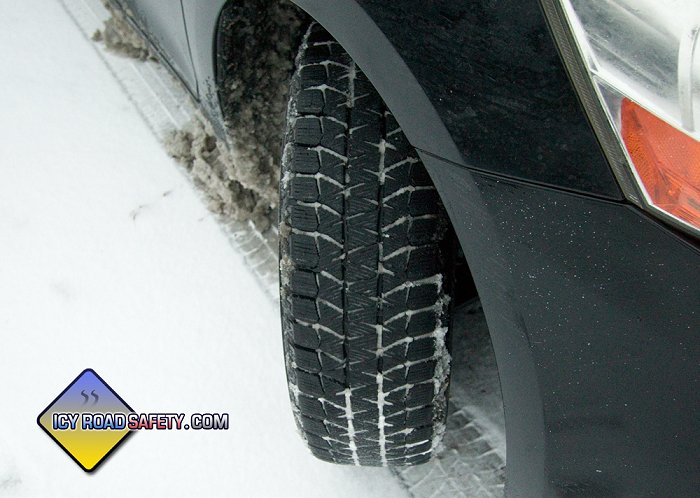
Another key feature is the tread pattern. Snow tires have deep grooves and lots of small cuts, known as sipes, which help channel away slush and bite into snow and ice. This design is very different from the smoother tread on summer or all-season tires.
Finally, snow tires often have more aggressive edges and sometimes even tiny particles mixed into the rubber. These elements give extra grip, which is essential when every bit of traction matters.
How Snow Tires Perform On Ice
Many drivers believe snow tires are only for snow, but they are actually designed to handle ice as well. However, their effectiveness depends on several factors.
Traction On Ice
On ice, traction is everything. Snow tires improve traction compared to all-season or summer tires, but they are not magic. Independent tests show that snow tires can reduce stopping distances on ice by about 20-30% compared to all-season tires. For example, in one test, a car traveling at 20 mph needed about 46 meters to stop with all-season tires, but only 33 meters with snow tires.
Braking And Cornering
Braking is the most critical part of driving on ice. Snow tires have more sipes and a special tread that helps “bite” into the ice surface. This means shorter stopping distances and better control when turning. While they don’t eliminate the risk of sliding, they give you a safer margin.
Temperature Matters
The rubber compound in snow tires is designed for cold. Below 7°C (45°F), they stay soft and grippy. Above this temperature, their advantage disappears, and they may wear out quickly. This is why experts suggest switching to snow tires only when winter truly begins and temperatures stay low.
Real-world Example
Consider a family living in Toronto, Canada, where icy roads are common. With snow tires, their car can start, stop, and turn more safely compared to all-season tires. While they still need to drive carefully, the extra grip can mean the difference between a close call and an accident.
Snow Tires Vs. Other Tire Types On Ice
To fully understand if snow tires are good on ice, it’s helpful to compare them with other common tire types.
| Tire Type | Performance on Ice | Best Use |
|---|---|---|
| Snow Tires | Good grip, shorter stopping distance | Cold, icy, snowy roads |
| All-Season Tires | Poor grip, long stopping distance | Mild climates, light winter |
| Summer Tires | Very poor, dangerous | Warm, dry roads only |
| Studded Tires | Excellent on ice, noisy | Extreme ice, legal restrictions |
| Studless Ice Tires | Best non-studded option | Frequent ice, urban areas |
As you can see, snow tires are a big improvement over all-season or summer tires for ice. However, studded tires and special “ice” tires can offer even better grip, though they come with trade-offs such as noise, road wear, and sometimes legal limits.
How Snow Tires Work On Ice: The Science
The secret to snow tires’ performance on ice lies in their design and materials.
Sipes And Tread
Sipes are tiny zigzag cuts in the tread blocks. On ice, these sipes open slightly and create extra biting edges. This increases surface contact and helps the tire push away water, which often forms a thin layer on ice and causes slipping.
Rubber Compounds
The rubber in snow tires contains more silica, which keeps it soft in freezing temperatures. A soft tire molds itself to tiny bumps and cracks in the ice, giving more grip. Regular tires, by contrast, become hard and slide easily.
Advanced Features
Some snow tires use micro-particles or fibers in the rubber. These act like small “spikes” and dig into the ice for extra traction. While not as aggressive as metal studs, they are a silent way to improve grip.
Pros And Cons Of Snow Tires On Ice
Every tire has advantages and disadvantages. Here’s what you need to know about snow tires on ice.
Pros
- Better traction than all-season or summer tires on ice.
- Shorter braking distance, which means more control.
- Improved cornering and stability in cold weather.
- Quieter and more comfortable than studded tires.
- Legal in all areas, unlike some studded options.
Cons
- Not as effective as studded tires on pure ice.
- Wear out quickly if used above 7°C (45°F).
- Cost extra money to buy and install.
- Need to be changed seasonally, which takes effort.
- Not a substitute for careful driving—they help, but cannot defy physics.
When Snow Tires Are Not Enough
Even with snow tires, driving on ice can still be risky. There are situations where snow tires reach their limits:
- Black ice, which is invisible and extremely slippery, can defeat even the best snow tires.
- Sudden temperature changes can make the road unpredictable.
- Freezing rain creates a glassy layer on the road that no tire can fully grip.
In these cases, studded tires or chains might be a better choice. However, these options are not always legal or practical. Always check local laws before using studded tires or chains.

Credit: www.tirebuyer.com
Snow Tires Vs. Studded Tires Vs. Chains
For the slipperiest ice, some drivers look for extra help. How do snow tires compare to other solutions?
| Feature | Snow Tires | Studded Tires | Chains |
|---|---|---|---|
| Traction on Ice | Good | Excellent | Best (when used) |
| Comfort | High | Low (noisy) | Low (vibration) |
| Legal Restrictions | None | Some areas | Some areas |
| Wear on Roads | Low | High | High |
| Ease of Use | Simple | Install/remove seasonally | Install/remove as needed |
If you face ice often and your area allows studded tires, they offer the best grip. Chains are for emergencies or mountain passes. For daily winter driving, snow tires are the most practical and comfortable choice.
Two Insights Most Drivers Miss
Many drivers think that “snow tires” are only about snow. In reality, their main advantage is in cold, icy conditions—even when there’s no snow. Also, snow tires must be installed on all four wheels, not just the drive wheels. Mixing tires can lead to dangerous handling, especially on ice.
Another thing beginners often miss: tire pressure drops in winter. Low pressure reduces traction and control on ice. Check and adjust your tire pressure regularly in cold weather for best results.

Credit: www.reddit.com
Tips For Driving On Ice With Snow Tires
Having snow tires is just one part of safe winter driving. Here’s how to get the most from them:
- Slow down. Even with snow tires, speed multiplies risks on ice.
- Leave extra space. Increase your following distance—at least three times more than in dry conditions.
- Brake gently. Sudden braking can lock wheels and cause a skid.
- Avoid sharp turns. Smooth steering helps maintain grip.
- Don’t rely on technology. ABS and traction control help, but they can’t change the laws of physics.
- Know your limits. If conditions are too severe, consider staying off the road.
Choosing The Right Snow Tires For Ice
Not all snow tires are equal. Some are optimized for deep snow, others for ice. When shopping for snow tires:
- Look for the Three-Peak Mountain Snowflake (3PMSF) symbol. This means the tire meets winter traction standards.
- Read reviews and tests that focus on ice performance, not just snow.
- Consider studless ice tires if you face ice often; they use advanced compounds for extra grip.
- Avoid buying used snow tires. Worn-out sipes and hard rubber reduce performance.
For more technical details about how winter tires are tested, see this Wikipedia article on winter tires.
Credit: icyroadsafety.com
Cost And Value Of Snow Tires
Many drivers hesitate to buy snow tires because of the price. A set of four can cost $400–$900 depending on the brand and size. However, they last several winters if used only in the cold months.
The safety benefits often outweigh the cost. Insurance companies sometimes offer discounts for using snow tires. In some countries, such as Germany and parts of Canada, they are even required by law during winter.
Common Mistakes When Using Snow Tires
- Installing only two snow tires. This makes handling worse on ice.
- Leaving snow tires on all year. They wear out fast and lose their grip in warm weather.
- Ignoring tire pressure. Cold air reduces pressure, which hurts performance.
- Mixing different brands or types. Always use a matched set for best results.
- Thinking snow tires make you invincible. They help, but careful driving is still necessary.
Frequently Asked Questions
What’s The Difference Between Snow Tires And All-season Tires?
All-season tires are a compromise for various conditions but become hard in cold weather, losing grip on ice. Snow tires stay soft and have special treads for better traction in winter, especially on ice and snow.
Do I Need Snow Tires If I Have All-wheel Drive?
Yes. All-wheel drive helps with acceleration, but it does not improve braking or cornering on ice. Snow tires give extra grip for stopping and turning, which is where most accidents happen.
Are Studded Tires Better Than Snow Tires On Ice?
Studded tires provide the best grip on ice, but they are noisy, damage roads, and may not be legal everywhere. Snow tires are a good balance of grip, comfort, and legality for most drivers.
How Long Do Snow Tires Last?
If used only during winter (about 4–5 months per year), a set of snow tires can last 3–5 seasons. Driving them in warm weather or on dry roads will wear them out much faster.
Can I Use Snow Tires All Year Round?
No. Snow tires wear out quickly in warm weather and don’t handle well in heat. Switch back to your regular tires when winter ends.
Staying safe on ice means understanding your limits and choosing the right equipment. Snow tires are a smart investment for anyone facing icy roads. They don’t make you invincible, but they give you more control, shorter stopping distances, and peace of mind.
Combine them with careful driving, and you’re ready for whatever winter throws your way.