Every truck owner or fleet manager knows that tires are not just round pieces of rubber. They play a huge role in how a truck performs, how much money is spent, and even how safe the vehicle is on the road. But if you’re not a tire expert, one question often comes up: What is the difference between drive tires and steer tires? This may sound simple, but the answer touches everything from safety to maintenance to fuel economy. If you want to get the most out of your tires, or if you’re trying to decide which ones to buy next, understanding these differences is crucial.
Let’s explore how drive tires and steer tires work, why they’re different, and what you need to know to make the right choices for your truck or fleet.
What Are Steer Tires?
Steer tires are the tires located on the front axle of a truck. These tires are responsible for turning the vehicle and handling most of the steering work. Because they are always in direct contact with the road and must respond to every movement of the steering wheel, their design and quality are extremely important.
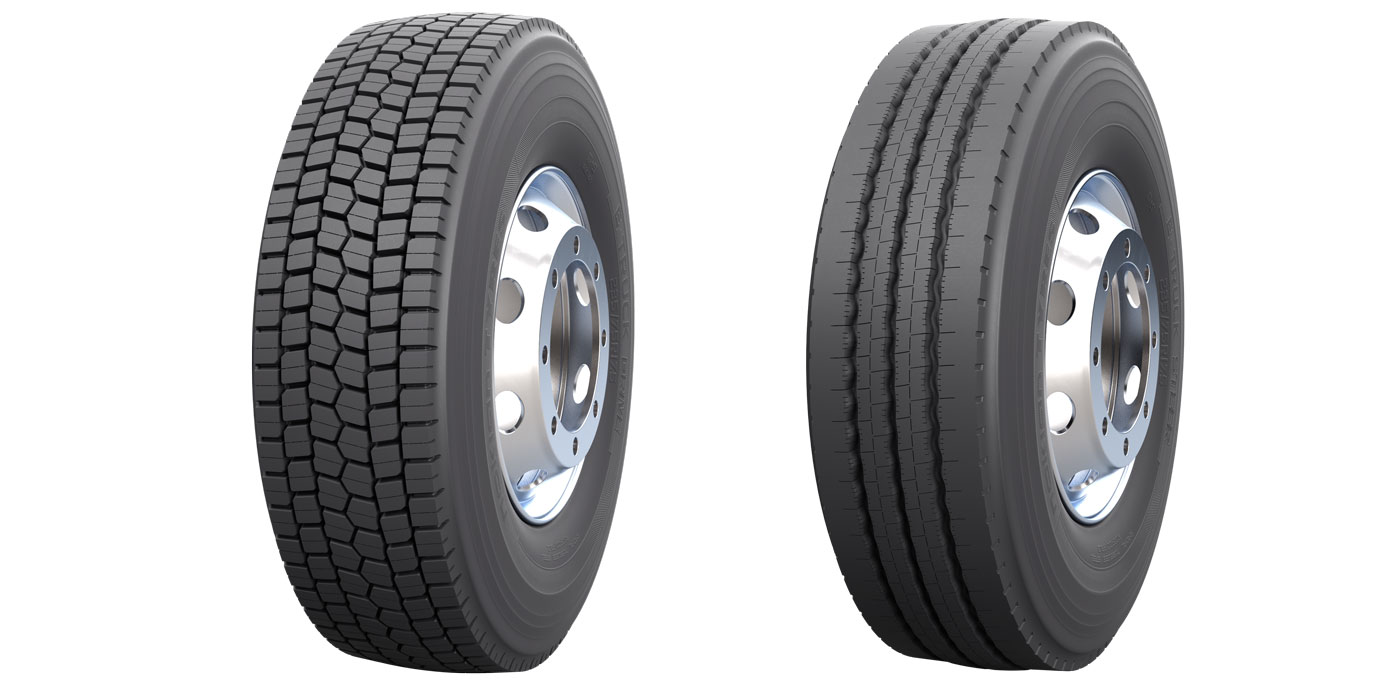
Steer tires usually have a ribbed tread pattern. This pattern helps them maintain straight-line stability and gives the driver more control, especially during sudden maneuvers or in wet conditions. The rubber compounds used in steer tires are made to resist irregular wear, since they carry a lot of the truck’s weight and are always rolling in the direction the driver chooses.
One non-obvious fact: steer tires affect not just steering, but also braking and fuel efficiency. If your steer tires are worn or low-quality, your truck may not stop as quickly, and you might burn more fuel trying to keep the truck straight.
What Are Drive Tires?
Drive tires are mounted on the truck’s drive axles, usually at the rear. These are the tires that actually transfer the engine’s power to the road, allowing the truck to move forward or backward. Because they handle all the torque and force from the engine, drive tires have to be strong and durable.
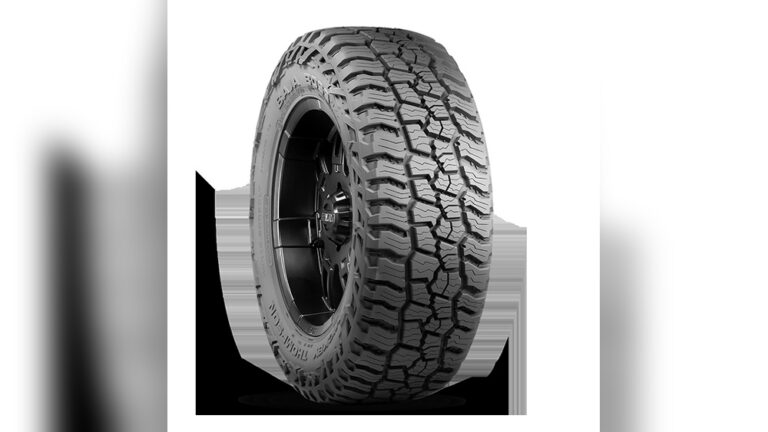
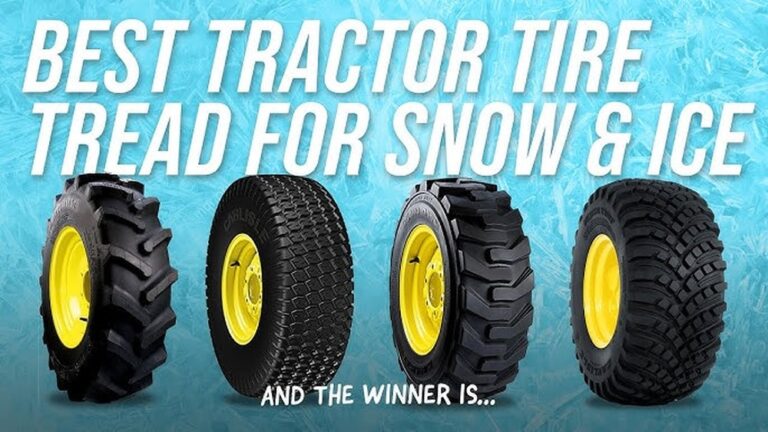
The tread on drive tires is different from steer tires. Drive tires use deeper, more aggressive patterns (like blocks or lugs) to improve traction. This is especially important in rain, snow, or mud. The extra grip helps prevent the truck from slipping, which is critical when carrying heavy loads.
A common mistake beginners make is putting steer tires on the drive axle. This can cause poor traction and faster wear, especially in bad weather.
Key Differences Between Drive Tires And Steer Tires
Understanding the core differences is important for making smart choices. Here’s a breakdown of the main contrasts:
| Feature | Steer Tires | Drive Tires |
|---|---|---|
| Position | Front axle | Rear (drive) axle |
| Main Function | Steering & handling | Traction & power transfer |
| Tread Pattern | Ribbed, straight grooves | Lug, block, aggressive |
| Wear Pattern | More even, but sensitive to alignment | Can be uneven, sensitive to torque |
| Impact on Safety | Control, braking, hydroplaning | Grip, acceleration, hill climbing |
Knowing these differences helps you choose the right tire for each axle, which is essential for safety and performance.
Why The Right Tire Matters
Choosing the correct tire for the axle is not just about following rules. It has a direct impact on:
- Safety: Using the wrong tire type can lead to accidents, especially in bad weather or emergency situations.
- Fuel Efficiency: Each tire type is designed to reduce rolling resistance in its role. The wrong tire can increase fuel usage.
- Tire Life: Proper tires on the correct axle wear more evenly and last longer, saving money.
- Handling: The driver has more confidence and control with the correct tire setup.
Many fleet owners learn the hard way that saving money by mixing or mismatching tires often leads to higher costs in the long run.
Construction And Design Differences
Let’s break down how steer and drive tires are built and why their designs are so specialized.
Steer Tire Construction
Steer tires need to be precise. The tread is often made with straight grooves that channel water away, reducing hydroplaning and improving wet grip. These grooves also help the tire resist uneven wear. Steer tires often have a slightly rounder shoulder to help with turning and handling.
The rubber compound is usually harder compared to drive tires. This helps the tire keep its shape and wear evenly, even after thousands of miles.
Drive Tire Construction
Drive tires are all about traction. Their tread designs often look aggressive, with deep grooves and solid blocks. This helps the tire bite into the road surface, which is critical for moving heavy loads. The rubber used in drive tires is softer, which improves grip but may wear faster if used in the wrong position.
Some drive tires have special reinforcements inside to handle the torque and stress from the drivetrain. These reinforcements prevent the tire from losing its shape or blowing out under heavy loads.
Sidewall Strength
Both types need strong sidewalls, but for different reasons. Steer tires need to resist impacts from potholes or curbs, since the front wheels often hit obstacles first. Drive tires need to carry more weight and handle twisting forces from the engine.
Tread Patterns: Why They Matter
The pattern of grooves and blocks on a tire is not just for looks. It changes how the tire performs in real-world conditions.
Steer Tire Treads
Steer tires use ribbed tread patterns. These are long, straight grooves that run around the tire. They help the tire roll smoothly and keep contact with the road, which is important for steering accuracy. These patterns are also good at clearing water, reducing the chance of hydroplaning.
Some steer tires have extra sipes (tiny cuts) in the tread to improve grip on wet or icy roads. But too many sipes can cause faster wear, so manufacturers balance performance and durability.
Drive Tire Treads
Drive tires use block or lug patterns. These have large chunks of rubber separated by wide gaps. This design helps the tire grab onto the road and push the truck forward, even in mud or snow.
Some drive tires are designed for all-season use, while others are made just for winter or off-road conditions. The more aggressive the tread, the better the grip—but the faster the tire may wear if used on dry pavement.

Credit: fleetruntruckparts.com
Performance In Different Conditions
How Do Steer And Drive Tires Handle Real-world Challenges?
Wet Roads
Steer tires with good rib patterns are excellent at channeling water and keeping the truck stable. Drive tires, with their deeper grooves, also help prevent slipping, but their main job is to keep the truck moving forward, not just to steer.
Snow And Ice
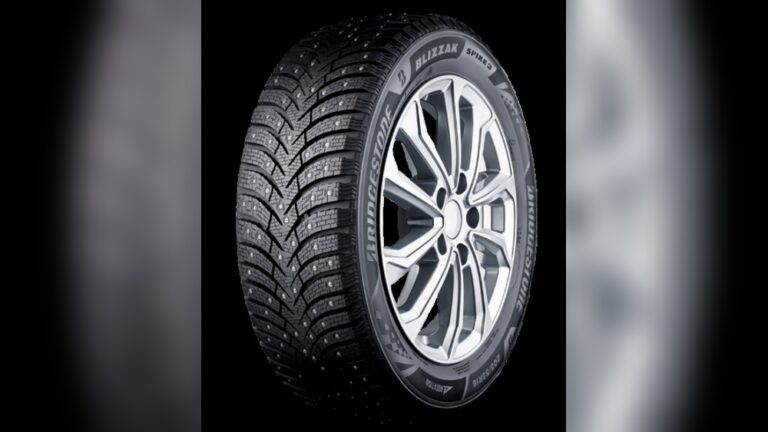
Drive tires with aggressive patterns or special winter compounds offer much better grip in snow and ice than steer tires. However, steer tires still matter—they help keep the truck going straight, and losing grip in the front can cause dangerous skids.
Some fleets use winter steer tires with extra sipes and softer rubber for the front axle during cold months.
Off-road Or Mud
Drive tires shine in mud or loose gravel. Their lugs dig into the surface, keeping the truck from getting stuck. Steer tires are less effective in these conditions, but they still need to provide accurate steering.
Cost Differences And Value
Price is always a factor, but it’s important to look at total value, not just the sticker.
| Tire Type | Average Cost (USD) | Expected Mileage |
|---|---|---|
| Steer Tires | $400–$600 each | 75,000–120,000 miles |
| Drive Tires | $350–$500 each | 60,000–100,000 miles |
Steer tires often cost a bit more because they need to last longer and handle more precise work. But drive tires may need to be replaced more often due to their heavy workload.
Non-obvious insight: Some fleets rotate tires from the steer position to the drive axles once they start to wear, extending the life of each tire. However, this only works if the tire was originally designed for both positions.

Credit: www.reddit.com
Common Mistakes When Choosing Tires
Even experienced drivers and managers can make mistakes. Here are some pitfalls to avoid:
- Mixing Tire Types: Using drive tires on the front or steer tires on the rear can cause handling problems or faster wear.
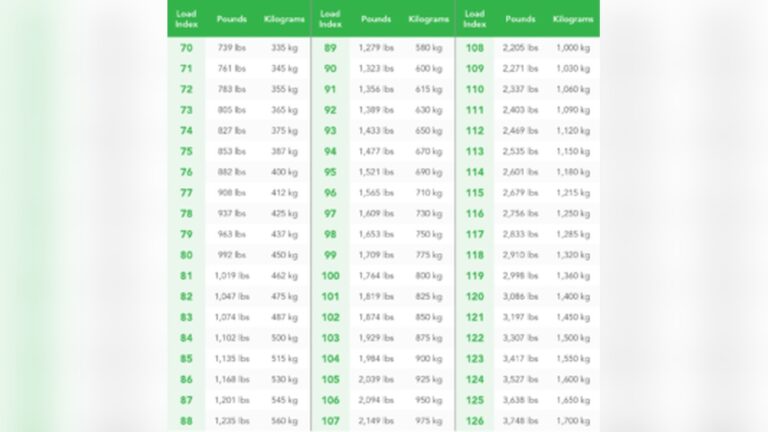
- Ignoring Load Ratings: Not all tires are rated for the same weight. Overloading steer tires can cause blowouts.
- Skipping Regular Inspections: Small problems like uneven wear or minor cracks can turn into big issues fast.
- Buying Only on Price: Cheap tires often wear out faster, costing more in the long run.
- Forgetting About Conditions: Not all tires work well in all weather. Choosing the wrong tread can hurt safety.
When To Replace Steer And Drive Tires
Knowing when to change your tires is just as important as picking the right type.
Steer Tires
Replace steer tires when:
- The tread depth is below 4/32 inch.
- There are visible cracks, cuts, or bulges.
- The tire shows uneven wear, especially on the shoulders.
- You notice vibrations or poor handling.
Drive Tires
Replace drive tires when:
- The tread depth is below 2/32 inch (for most regulations).
- You see damage from rocks, debris, or heavy loads.
- The tire loses grip, even with good tread.
Tip: Always check both sides of the tire and look for damage hidden from the driver’s side.
Rotation And Maintenance
Proper maintenance can add thousands of miles to your tires. Rotating tires is a smart way to get the most value.
- Steer tires usually stay on the front, but some fleets move them to the drive position after partial wear.
- Drive tires are often rotated between axles to even out wear.
- Always balance and align your tires after rotation.
Inflation is another key factor. Underinflated steer tires reduce fuel economy and handling. Overinflated drive tires can cause uneven wear and less grip.
Retreading: Is It Worth It?
Many fleets use retreading to save money, especially on drive tires. Retreading means adding new rubber to the worn casing. This can cut costs by 40–60% compared to buying new tires.
- Steer tires are less often retreaded because safety and precise handling are critical.
- Drive tires are often retreaded, sometimes more than once, to save money.
However, not all tire casings are suitable for retreading. Regular inspection and proper maintenance are necessary to get the most retread life.
Credit: www.tirereview.com
How To Choose The Right Tire For Your Truck
Making the right choice means looking at your truck’s needs, the routes you drive, and your budget.
- Know Your Routes: If you mostly drive highways, choose tires made for long mileage and low rolling resistance. For off-road or winter, look for special treads.
- Check Load Ratings: Make sure your tires can safely carry your heaviest loads.
- Think About Weather: Consider all-weather or winter tires if you drive in snow or rain often.
- Ask About Warranties: Many top brands offer mileage or damage warranties.
- Consult the Experts: Speak with a trusted tire dealer or fleet manager.
One advanced insight: Tire pressure monitoring systems (TPMS) can help you keep all tires at the right pressure, saving fuel and reducing wear.
Comparing Top Brands
Every fleet has its favorite brands. Here’s a quick look at how some popular brands compare in steer and drive tire performance.
| Brand | Steer Tire Model | Drive Tire Model | Known For |
|---|---|---|---|
| Michelin | X Line Energy Z | X Multi D | Long life, fuel economy |
| Bridgestone | R213 | M713 | Durability, retreadability |
| Goodyear | Endurance RSA | G572 | All-weather grip |
| Continental | HS3 | HD3 | Ride comfort, low noise |
Choose brands that back their tires with good warranties and have service centers near your routes.
Environmental Impact
Tires have a big effect on the environment, both during use and after disposal.
- Steer tires that last longer and wear evenly reduce waste.
- Drive tires with retreading use less new material and save resources.
Proper inflation and rotation also improve fuel economy, which means less pollution. Some brands now offer eco-friendly options with lower rolling resistance or made from recycled materials.
For more information about tire recycling and sustainability, visit the US Environmental Protection Agency.
Real-world Examples
A long-haul trucker named Mike switched his fleet to high-quality steer tires and saw a 6% increase in fuel economy and fewer steering problems on wet roads. Another fleet manager, Lisa, found that retreading drive tires saved her company over $20,000 a year with no loss in safety or performance.
These stories show that the right tire choices are not just about theory—they make a real difference in daily operations and profit.
Frequently Asked Questions
What Happens If I Put Drive Tires On The Steer Axle?
Drive tires on the steer axle can cause poor handling, less precise steering, and faster, uneven wear. They are not designed for the demands of steering and may reduce your truck’s safety, especially in wet or emergency conditions.
Can I Retread Steer Tires Like Drive Tires?
It is possible, but not common. Steer tires are critical for safety, and any failure can be dangerous. Most fleets only retread drive tires, where the risk is lower, and the performance needs are different.
How Often Should I Rotate Drive And Steer Tires?
Check your owner’s manual, but generally, drive tires should be rotated every 20,000 to 30,000 miles. Steer tires are usually not rotated unless being moved to the drive axle after partial wear. Regular checks for wear and proper alignment are more important.
Are All-season Tires Good For Both Drive And Steer Positions?
Some all-season tires are designed for both positions, but many are not. Always check the manufacturer’s recommendations. Using the wrong tire can reduce safety and increase costs.
What Is The Most Important Factor When Choosing Between Drive And Steer Tires?
The most important factor is matching the tire’s design and rating to its position and your typical driving conditions. Never use a drive tire as a steer tire or vice versa unless it is specifically rated for both.
Selecting the right tires for your truck is not just about following the rules—it’s about getting the best performance, safety, and value for every mile you drive. By understanding the differences between drive tires and steer tires, you can make smarter choices, save money, and keep your truck rolling safely for years to come.