Why Do Truck Tires Explode
Every year, thousands of truck tire blowouts happen on highways worldwide. These sudden explosions are loud, dangerous, and can even be deadly. If you drive a truck, work in transport, or just share the road with heavy vehicles, understanding why truck tires explode can help you stay safer. Exploding tires are not just a random event—they are usually the result of clear causes. By learning what leads to these explosions, you can spot warning signs, avoid common mistakes, and make the roads safer for everyone.
How Truck Tires Are Built And Why It Matters
Truck tires are different from car tires in many ways. They are built to carry heavy loads, travel long distances, and handle rough conditions. Each tire has layers of rubber, steel belts, and sometimes fabric or nylon. These layers are pressed together under high heat and pressure.
The way a truck tire is made helps it handle weight and stress. But this complex design also means that if even one part fails, the whole tire can be at risk. For example, if the steel belt inside the tire breaks, the structural strength drops. When a weak spot forms, it can lead to a blowout, especially at high speeds or under heavy loads.
One thing many drivers miss: as tires age, the rubber hardens and the internal bonds weaken. Even if a tire looks fine on the outside, the inside may be getting weaker every year.
Main Causes Of Truck Tire Explosions
Most truck tire explosions are not sudden surprises. They are the result of stress building up over time, or of a single major mistake. Here are the main reasons why truck tires explode:
1. Underinflation
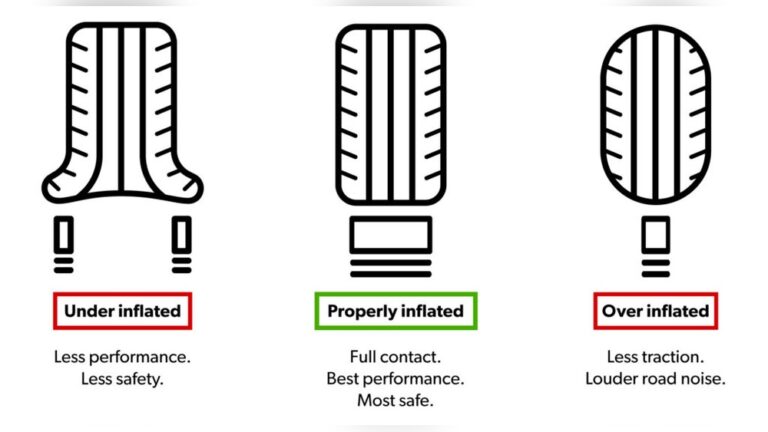
A tire that does not have enough air is one of the most common causes of blowouts. When a tire is underinflated, more of the tire touches the road. This creates extra heat and stress on the sidewalls. Over time, the tire gets weaker and may suddenly burst.
For example, if a truck tire should have 100 psi but only has 70 psi, the risk of explosion rises sharply. Underinflated tires also use more fuel and wear out faster.
2. Overloading
Every truck tire has a maximum load rating. If a truck carries more weight than the tires are rated for, the stress on each tire goes up. The extra weight presses down, making the tire flex more and get hotter. This is especially dangerous on hot days or long trips. If the tire gets too hot, the rubber and steel can start to separate, leading to a blowout.
A fully loaded 18-wheeler can weigh up to 80,000 pounds (36,287 kg). If even one tire is overloaded, the whole system is at risk.
3. High Speeds
Driving at high speeds heats up the tires faster. Heat is the enemy of tire safety. At highway speeds, the temperature inside a truck tire can climb quickly, especially if it is already underinflated or overloaded. When the heat builds up, the materials inside the tire can break down, causing a sudden explosion.
4. Road Hazards
Potholes, sharp objects, and broken pavement are common on many roads. When a heavy truck hits a road hazard, the impact can cause a weak spot or a cut in the tire. Sometimes, the damage is not clear right away, but as the truck keeps driving, the weak spot grows until it bursts.
5. Poor Maintenance
Many tire blowouts happen because of poor maintenance. If tires are not checked for damage, proper air pressure, and tread depth, small problems can turn into big disasters. Worn-out or old tires are much more likely to explode.
Routine checks for cracks, bulges, or embedded objects can save lives. Some trucking companies skip these steps to save time or money, but the risk is never worth it.
6. Heat And Weather Conditions
Hot weather makes everything worse for truck tires. On summer days, the road surface can get extremely hot—sometimes over 140°F (60°C). This heat transfers to the tires, making the air inside expand. If the tire is already weak, the extra pressure can make it explode.
Cold weather can also cause problems. When it is very cold, the air inside the tire shrinks, causing underinflation. If the driver does not check and refill the tires, blowouts can still happen.
7. Manufacturing Defects
Sometimes, a tire has a hidden flaw from the factory. These manufacturing defects are rare, but they do happen. For example, a small air bubble inside the tire, or a weak bond between the layers, can create a weak spot. Over time, this spot can break open, causing a blowout.
In 2000, there was a famous recall of Firestone truck tires because of factory defects that led to many deadly accidents.
8. Tread Separation
The tread is the part of the tire that touches the road. If the tread separates from the rest of the tire, the tire can quickly lose shape and explode. Tread separation can be caused by heat, poor bonding in the factory, or hitting a road hazard.
9. Running Over Sharp Objects
When a truck tire rolls over a nail, glass, or metal, it can cause a slow air leak or a sudden cut. If the object is big enough, the tire may explode instantly. If not, the tire could slowly lose air, get hot, and then burst hours later.
10. Using The Wrong Tire For The Job
Not all truck tires are the same. Some are built for long highway runs, while others are made for off-road or mixed conditions. Using a tire that is not rated for the truck’s weight, speed, or type of road can lead to early failure.
For example, using a steer tire on the drive axle, or a low-speed tire on a long highway trip, can cause overheating and blowouts.
What Happens During A Tire Explosion
A truck tire explosion is not just a loud noise. When a tire explodes, it releases a huge amount of energy very quickly. The rubber, steel, and air blast outwards, sometimes sending pieces flying dozens of meters away. This can damage the truck, nearby vehicles, or even people.
On highways, a blowout can cause the driver to lose control. Trucks can swerve, flip, or jackknife. Even after the explosion, the truck might keep moving for several hundred feet, putting others at risk.
Signs That A Truck Tire Might Explode
Tire explosions almost never happen without warning. Here are some signs to watch for:
- Bulges or blisters on the tire surface
- Cracks in the rubber
- Worn or uneven tread
- Visible steel wires or cords
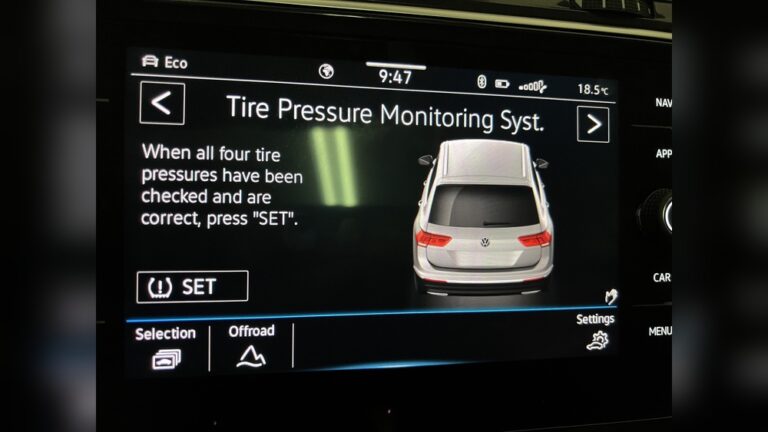
- Low air pressure (tires look flat or soft)
- Frequent need to refill air
If you see any of these signs, the tire should be checked or replaced right away.

Credit: wgk-law.com
The Role Of Heat And Pressure: A Closer Look
To understand why heat and pressure matter so much, let’s compare how tire pressure changes with temperature:
| Temperature (°F) | Expected Tire Pressure (psi) |
|---|---|
| 32 | 100 |
| 77 | 104 |
| 120 | 110 |
As the temperature rises, the air inside the tire expands, increasing pressure. If the tire is already at its limit, this small change can be enough to cause a blowout.
Preventing Truck Tire Explosions: Practical Tips
Preventing a truck tire blowout is about attention to detail and regular care. Here are key ways to lower the risk:
- Check tire pressure every day before driving.
- Follow load limits—never overload the truck.
- Inspect tires for cuts, cracks, and bulges.
- Rotate tires and keep them balanced.
- Replace old tires every 5-7 years, even if they look fine.
- Fix alignment issues quickly to avoid uneven wear.
- Train drivers to spot and report tire problems.
A common mistake is only checking the outside tires. On trucks with dual tires, the inside tire can be just as damaged but harder to see.
What Happens When A Tire Explodes: Real-world Data
Let’s look at some real-world effects of truck tire blowouts on the road:
| Event | Percentage of Cases |
|---|---|
| Loss of Control | 60% |
| Vehicle Rollover | 20% |
| Lane Departure | 15% |
| Other Damage | 5% |
This data shows that most blowouts lead to loss of control, which is why preventing explosions is so important.
Comparing Truck Tire Maintenance Methods
Different companies use different methods to keep tires safe. Here’s a comparison:
| Method | Pros | Cons |
|---|---|---|
| Manual Checks | Low cost, quick | Misses hidden damage |
| Automatic Sensors | Real-time warnings | Expensive, needs power |
| Professional Inspections | Expert eyes | Time-consuming |
Many experts now recommend automatic tire pressure sensors for trucks, as they can warn drivers before a tire gets too hot or low.

Credit: www.youtube.com
Two Insights Most People Miss
- Tire Age Matters More Than Looks: Even if a tire looks fine, the rubber and glue inside can get weak over time. Most experts say truck tires should be replaced after 5-7 years, even if they are not worn out.
- Inside Dual Tires Are Often Ignored: On trucks with two tires side by side, the inside tire is harder to see and check. Many blowouts happen because the inside tire was damaged or low on air, and no one noticed.
The Importance Of Training And Awareness
Truck drivers play a key role in preventing tire explosions. Regular training helps them spot the signs of trouble before disaster strikes. Companies should teach drivers:
- How to check tire pressure and tread depth
- What warning signs to look for
- The dangers of skipping checks to save time
Many accidents can be avoided if drivers know what to look for and feel confident to speak up about problems.
Frequently Asked Questions
What Should I Do If I See A Truck Tire Blowout On The Highway?
Stay calm and slow down. Keep your distance from the truck, as flying debris can be dangerous. If possible, change lanes to avoid the area. Do not try to pass the truck until it is safe.
How Often Should Truck Tires Be Replaced?
Most experts recommend replacing truck tires every 5-7 years, even if they look good. The inside of the tire can get weak with age, increasing the risk of a blowout.
Can Weather Really Cause A Tire To Explode?
Yes. Hot weather increases tire pressure and weakens rubber, making blowouts more likely. Cold weather can cause underinflation, which is also dangerous.

Credit: boughtersinak.com
Are Retreaded Truck Tires More Likely To Explode?
Modern retreading methods are very safe if done correctly. Problems usually happen when tires are not maintained, used for the wrong job, or overloaded. Quality matters more than whether a tire is new or retreaded.
Where Can I Learn More About Truck Tire Safety?
A good place to start is the U.S. Department of Transportation’s tire safety guide: NHTSA Tire Safety.
Truck tire explosions are serious, but they are almost always preventable. By understanding the main causes, paying attention to small warning signs, and following good maintenance practices, drivers and companies can save lives and avoid costly accidents. Safety starts with knowledge—and now, you have the facts to help make the roads a safer place for everyone.