When it comes to modifying your vehicle or simply replacing your tires, the choice between 295 vs 275 tires is more than just a number. These two tire sizes are popular among car enthusiasts, truck owners, and anyone looking for better performance, style, or safety. But what do those numbers really mean? And does the difference matter for your driving experience, your wallet, or your peace of mind?
This article takes a deep dive into everything you need to know about 295 and 275 tires. From size specifications to performance differences, compatibility, cost, and even real-world examples, you’ll find clear answers to questions you might not have thought to ask. Whether you are a beginner or have some experience with tires, you’ll discover insights that can save you time, money, and frustration.
What Do Tire Numbers Mean?
When you see numbers like 295/35R20 or 275/40R20 on a tire, they’re telling a story. The first number (295 or 275) is the tire width in millimeters. This is measured from sidewall to sidewall. A 295 tire is 295mm wide, while a 275 tire is 275mm wide.
The second number (like 35 or 40) is the aspect ratio. This means the sidewall height is a percentage of the tire’s width. For example, a 275/40 tire has a sidewall that’s 40% of 275mm.
The “R” stands for radial construction, which is standard for most modern tires.
The last number (like 20) is the rim diameter in inches. This tells you what size wheel the tire fits.
Understanding these basics is crucial before comparing the two sizes.
295 Vs 275 Tire: Core Differences
At first glance, the difference between 295 and 275 tires is just 20 millimeters in width. But in practice, that small change can have a notable impact. Here are the key differences:
- Width: A 295 tire is wider, which means more rubber touches the road.
- Weight: Wider tires are usually heavier.
- Rolling Resistance: Wider tires create more friction.
- Aesthetics: 295 tires look more aggressive and fill the wheel well more.
- Price: Generally, 295 tires cost more due to extra material.
But which is right for you? That depends on your vehicle, your driving habits, and your goals.
Detailed Comparison: 295 Vs 275 Tires
To make things easier, here’s a direct comparison of typical 295 and 275 tires in several areas that matter most:
| Feature | 295 Tire | 275 Tire |
|---|---|---|
| Width (mm) | 295 | 275 |
| Contact Patch | Larger | Smaller |
| Typical Weight | Heavier | Lighter |
| Rolling Resistance | Higher | Lower |
| Fuel Efficiency | Usually Lower | Usually Higher |
| Cost | More Expensive | Less Expensive |
| Appearance | Wider, Sportier | Sleeker, Stock Look |
295 Tire: Who Should Choose Them?
Choosing a 295 tire is often about maximizing grip, especially if you drive a high-performance vehicle. Here’s why some drivers prefer this size:
- More Traction: The extra width gives better grip, especially in dry conditions.
- Better Cornering: If you push your car hard, wider tires keep you planted.
- Aggressive Look: Many muscle and sports car owners love the bold appearance.
However, there are downsides. Wider tires can make your steering feel heavier. They might also increase road noise and reduce fuel economy.
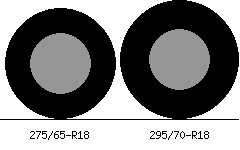
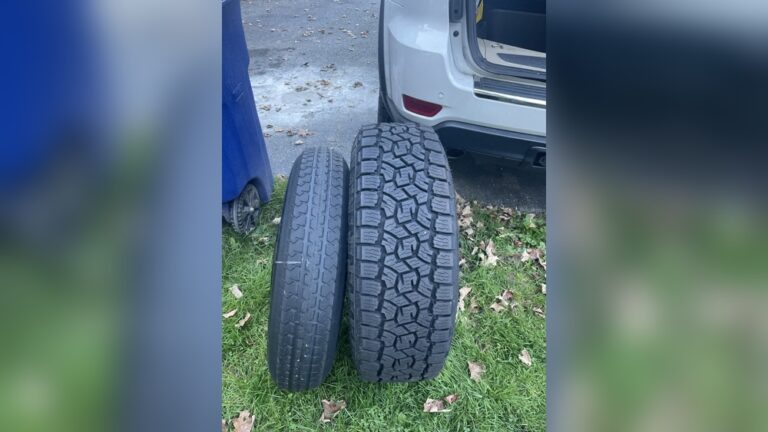
Credit: www.tacomaworld.com
275 Tire: Who Are They Best For?
275 tires are a great balance for most drivers. Here’s why:
- Better Fuel Economy: Less rolling resistance means fewer trips to the pump.
- Lighter Steering: Easier to drive in city traffic or for long distances.
- More Choices: Most car manufacturers use this size, so you’ll find more brands and models.
275s also tend to be cheaper to replace and may last longer if you drive normally.
How To Decide: Key Factors To Consider
Before switching from 275 to 295 tires (or vice versa), keep these points in mind:
- Vehicle Fitment: Not all cars or trucks can fit wider tires without rubbing or other issues.
- Wheel Width: Your rims must be wide enough for 295 tires. Check the manufacturer’s specs.
- Speedometer Accuracy: Larger tires can make your speedometer read lower than your actual speed.
- Handling vs Comfort: Wider tires can handle better, but may ride rougher.
- Budget: 295 tires cost more—not just to buy, but sometimes to install.
Real-world Examples: 295 Vs 275 Tire Swaps
Many car enthusiasts swap between these sizes. Here’s what typically happens:
- Ford Mustang GT: Owners often upgrade from 275 to 295 for the rear wheels. This improves traction during hard acceleration.
- Chevrolet Camaro SS: Swapping to 295 tires can help at the drag strip, but may rub if the suspension is lowered.
- Trucks/SUVs: Moving to 295s gives a tougher look and better off-road grip, but can hurt fuel economy.
If you’re thinking about swapping, talk to a tire expert or your mechanic first.
Performance Impact: Acceleration, Braking, Handling
Wider tires like the 295 bring more rubber to the road, which can help with acceleration and braking—especially if your vehicle has lots of power. But if the tire is too wide for your rim or car, it may actually reduce performance.
- Acceleration: On dry pavement, a 295 can help launch harder. On wet or snowy roads, the extra width may cause hydroplaning.
- Braking: More grip means shorter stops, but only if the tire is properly matched to the car.
- Handling: Wider tires resist sliding in corners, but can feel less responsive at low speeds.
Tire Life And Wear Patterns
Wider tires tend to wear differently than narrower ones. If your suspension isn’t properly set up, 295s can wear unevenly on the edges. Rotating your tires and keeping them aligned is extra important.
A common mistake is not increasing tire pressure when switching to a wider size. This can cause the edges to wear out quickly.
Fuel Economy: Will You Spend More On Gas?
One surprise for many drivers is that 295 tires can lower your miles per gallon. The increased rolling resistance means your engine works harder. For people who drive a lot, the extra fuel cost adds up over time.
If fuel economy is a top concern, the 275 tire is usually a better choice.
Cost Differences: Purchase, Installation, And Upkeep
Let’s compare average costs:
- 275 Tire: $180–$350 each, depending on brand and quality.
- 295 Tire: $220–$420 each, sometimes more for specialty models.
Why the price jump? More material, less production, and sometimes higher speed ratings. Also, some tire shops charge more to mount and balance wider tires.
Wider tires can also increase the risk of curb damage to your wheels, especially if they stick out past the rim.
Compatibility Issues: When Problems Arise
Not every vehicle can fit a 295 tire safely. Here are some issues to watch for:
- Rubbing: If the tire is too wide, it may hit the fender or suspension.
- Speedometer Error: Changing tire diameter can throw off your speed readings.
- ABS and Traction Control: Some systems may act up if you change tire size without recalibrating.
If you drive a front-wheel drive car, too much width in front can cause “tramlining”—the tires follow grooves in the road, making steering twitchy.
Tire Profile And Sidewall Differences
It’s not just about width. The aspect ratio (sidewall height) matters too. A 295/35 tire has a lower, stiffer sidewall than a 275/40 tire. This affects:
- Ride Comfort: Lower profiles are harsher.
- Wheel Protection: Shorter sidewalls offer less cushion from potholes.
- Handling: Shorter sidewalls respond faster, but can make the car feel busier.
Choosing the right sidewall is as important as width.
Off-road And All-terrain Performance
For trucks and SUVs, wider tires like the 295 can mean better traction in mud, sand, or snow. But there are trade-offs:
- Mud and Snow: Wide tires may “float” on top, but sometimes a narrower tire digs down for better grip.
- Rocks and Trails: Wider tires spread the load, reducing punctures, but also increase rolling resistance.
Always check your owner’s manual for the maximum recommended size before going wider.
Wet And Snow Performance
A big misconception is that wider tires are always better. In rain and snow, narrower tires often perform better. They cut through water and slush more easily, reducing hydroplaning.
A 275 tire can be safer in wet or icy conditions—especially if you’re not using a dedicated winter tire.
Appearance And Customization
Many drivers choose 295 tires simply for the look. They fill out the wheel well, give a more muscular stance, and can even make the car seem lower.
But appearance isn’t everything. A tire that’s too wide can look odd or even dangerous if the wheel isn’t wide enough.
Credit: f80.bimmerpost.com
Tire Brands And Model Choices
You’ll find more choices in 275 tires because they’re more common. Nearly every major brand offers a 275 in several tread patterns and compounds.
With 295 tires, options are fewer and usually aimed at high-performance or off-road use. This can mean higher prices and less availability.
Insurance And Legal Considerations
Some insurance companies may not cover accidents if you use tires outside the manufacturer’s recommended range. In some countries or states, using oversized tires can even be illegal without proper paperwork.
If you lease your car, using non-standard tires may violate your agreement. Always check before making a change.
Road Noise And Ride Quality
Wider tires usually create more road noise, especially on rough or grooved pavement. If you value a quiet ride, stick with the factory size or a 275 tire.
Ride quality also drops with wider, lower-profile tires. Small bumps and cracks in the road are more noticeable.
Resale Value And Long-term Impact
While bigger tires can look cool, not every buyer will want them. If you plan to sell your car, keeping a popular size like 275 can make it easier to find a buyer.
Unusual or very wide tires may limit your market, especially if they require custom wheels or changes to the suspension.

Credit: www.reddit.com
Frequently Overlooked Details
Many people forget to check:
- Spare Tire Fitment: Will your spare still work if you switch sizes?
- TPMS Sensors: Some tire pressure monitoring systems are sensitive to size changes.
- Warranty Coverage: Some tire warranties are voided by using non-standard sizes.
Real-world Data: Tire Size And Vehicle Dynamics
Automotive engineers spend years tuning vehicles for specific tire sizes. Changing from 275 to 295 can upset this balance. For example, wider tires may increase understeer (pushing wide in corners) or oversteer (tail sliding out) depending on the car.
Testing shows that 295 tires can improve lap times on a racetrack, but only when the suspension and alignment are adjusted to match.
295 Vs 275 Tires: Quick Reference Table
Here’s a quick summary of how these two sizes stack up:
| Category | 295 Tire | 275 Tire |
|---|---|---|
| Dry Grip | Excellent | Very Good |
| Wet Grip | Good | Better |
| Winter Performance | Fair | Good |
| Fuel Economy | Lower | Higher |
| Price | Higher | Lower |
| Availability | Less Common | Very Common |
When To Stick With Stock Size
There’s a reason manufacturers pick a certain size: it balances performance, comfort, and safety. Sticking with the stock 275 size is usually the best bet for daily drivers, commuters, and family vehicles.
Go wider only if you know what you’re doing and are ready for the trade-offs.
Common Myths Debunked
- Wider tires always grip better: Only true if your car can use the extra width effectively.
- Big tires are safer: Not always. In rain and snow, narrower tires can be safer.
- Wider tires are always more expensive: Some high-performance 275s cost more than basic 295s.
- You can put any size tire on any wheel: Rims have recommended widths. For example, most 295 tires need at least a 10.5-inch wide rim.
Step-by-step: How To Upgrade Safely
Thinking about switching to a wider tire? Here’s how to do it right:
- Check Your Owner’s Manual: Look for the largest recommended tire size.
- Measure Wheel Width: Make sure your rim is wide enough for 295 tires.
- Check for Clearance: Turn your wheels lock-to-lock and check for rubbing.
- Consult a Tire Shop: Get a professional opinion before buying.
- Adjust Alignment: Wider tires often need a new alignment for best results.
Skipping these steps can lead to expensive mistakes.
295 Vs 275 Tire In Motorsport
In racing, tire width is often limited by rules. Where allowed, teams pick the widest tire that fits for maximum grip. But they also adjust suspension and aerodynamics to suit.
On the street, those changes aren’t always possible. That’s why simply swapping to a 295 doesn’t guarantee better performance.
Environmental Impact
Wider tires use more rubber and fuel, increasing your environmental footprint. If you care about efficiency and emissions, stick with the smallest tire that meets your needs.
Final Thoughts
Choosing between 295 and 275 tires is not just about numbers. It’s about balancing your needs for grip, safety, fuel economy, style, and cost. For most people, 275 tires offer the best mix of performance and practicality. For enthusiasts, off-roaders, or those seeking a specific look, 295s can be the right choice—but only if your vehicle can handle them.
If you’re unsure, always consult a professional or check resources like Tire Rack for expert advice.
Frequently Asked Questions
What Is The Main Difference Between 295 And 275 Tires?
The main difference is tire width. A 295 tire is 20mm wider than a 275 tire. This affects grip, handling, appearance, and even fuel economy. The wider 295 has more road contact, but also more rolling resistance.
Can I Replace My 275 Tires With 295 Tires Without Changing Rims?
Not always. Rim width is key. Most 275 tires fit 9–10.5-inch rims. 295 tires usually need at least a 10.5-inch wide rim. Check your wheel’s specifications before upgrading.
Will 295 Tires Improve My Car’s Performance?
They can, but only if your car can use the extra width. Wider tires may improve dry grip and cornering but can hurt fuel economy and wet weather safety. They also add weight and may change handling.
Are 295 Tires Safe In Snow And Rain?
Not always. Wider tires are more likely to hydroplane in rain or slide in snow compared to narrower tires. If you drive in harsh weather, a 275 or even narrower tire may be safer.
How Much More Do 295 Tires Cost Compared To 275 Tires?
On average, 295 tires cost 15–30% more than 275 tires. The price difference depends on brand, model, and performance rating.
Choosing the right tire size is more than just a number—it’s about finding what works best for your car and your driving needs.