When it comes to choosing new tires for your vehicle, two brands often stand out: Michelin and Yokohama. Both companies have long histories, offer a wide range of products, and are trusted by millions of drivers around the world. But which one is right for you? This is a question that goes far beyond just price tags or flashy advertisements. The right tires can change how safe you feel, how much money you spend over time, and even how much you enjoy driving.
Many drivers only look at brand reputation or quick online reviews. However, understanding the key differences between Michelin and Yokohama can help you make a much smarter choice for your specific needs. Whether you drive in harsh winters, care about fuel savings, or want the quietest ride possible, the details matter.
As an experience-based guide, I’ll walk you through the most important points, share lesser-known insights, and break down the facts in clear, simple English. Let’s dig in and discover which tire brand is the best fit for you.
Brand Backgrounds: Michelin And Yokohama
Michelin: A Legacy Of Innovation
Michelin is a French company founded in 1889. Over more than a century, it has become one of the largest tire manufacturers globally. Michelin is famous for innovation, such as inventing the radial tire and focusing on advanced materials. Its tires are known for long life, high safety, and premium performance. The Michelin Man (Bibendum) is one of the most recognized mascots in the auto world.
Michelin supplies tires to everything from tiny city cars to massive airplanes. Their products often lead in independent tests, and they have a strong presence in motorsports, including Le Mans and MotoGP. In 2023, Michelin was ranked among the top three global tire brands for both sales and customer satisfaction.
Yokohama: Precision From Japan
Yokohama started in Tokyo in 1917. It is now a respected global tire brand, especially known for its technological focus and motorsport heritage. Yokohama invests heavily in research, especially for eco-friendly tires and high-performance models. The company is the official tire supplier for several racing series, such as the IMSA GT3 Cup.
Yokohama has a reputation for producing reliable, innovative, and competitively priced tires. It is especially popular in the performance and enthusiast market, but also makes solid options for everyday driving. Their Advan and Geolandar series are popular with sports car and SUV owners.
Product Range And Segment Coverage
Both Michelin and Yokohama offer wide choices, but there are clear differences in how they approach different segments.
Michelin’s Main Tire Families
- Primacy: Focus on comfort and quiet rides, popular for sedans and luxury cars.
- Pilot: High-performance tires for sports cars and driving enthusiasts.
- Defender: Known for long tread life and all-season safety, ideal for family cars.
- Latitude: Designed for SUVs and crossovers, with good wet and dry grip.
- X-Ice: Winter tires with advanced snow and ice performance.
Michelin’s product line covers almost every type of vehicle, including commercial trucks, RVs, and specialty vehicles. They also have energy-saving (Green X) tires, focusing on lower rolling resistance to help fuel economy.
Yokohama’s Main Tire Families
- Advan: Performance and ultra-high-performance tires for sports cars.
- Geolandar: All-terrain and off-road tires for SUVs and trucks.
- Avid: All-season comfort and touring tires for passenger cars.
- IceGuard: Winter tires designed for extreme cold and snow.
Yokohama often targets enthusiast drivers and those who want good value without compromising on performance. They are also recognized for their environmentally friendly BluEarth line.
Comparison Of Key Product Lines
Here is a quick overview of how some of their popular tires match up:
| Michelin | Yokohama | Type | Main Strength |
|---|---|---|---|
| Pilot Sport 4 | Advan Sport V105 | Performance | Grip and handling |
| Defender T+H | Avid Ascend GT | All-season touring | Tread life and comfort |
| Latitude Tour | Geolandar G055 | SUV/Crossover | Versatility, wet/dry safety |
| X-Ice Xi3 | IceGuard IG53 | Winter | Ice and snow traction |
Key insight: Michelin usually offers more choices for luxury cars and commercial vehicles, while Yokohama stands out for sporty and off-road options at a slightly lower price point.
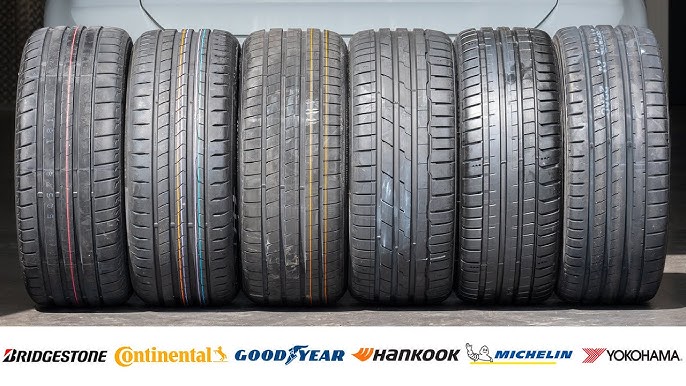
Credit: www.youtube.com
Performance: Grip, Handling, And Braking
Dry And Wet Grip
Michelin is often the leader in independent tire tests for dry and wet grip. For example, the Pilot Sport 4 series consistently receives high scores for cornering, stability, and short stopping distances in both dry and wet conditions. This is due to their advanced tread design and special rubber compounds.
Yokohama’s performance tires, like the Advan Sport V105, also perform well, especially for sporty driving. They tend to offer sharp steering response and reliable grip, though sometimes just a bit less than Michelin in extreme wet conditions.
Braking Distances
Braking is one of the most important safety factors. In tests by auto magazines and organizations like Consumer Reports, Michelin tires often stop several feet shorter than competitors, especially in the rain. For example, the Michelin Defender T+H can stop up to 8-10 feet shorter than similar Yokohama models on wet pavement at 60 mph.
Yokohama’s tires are still safe and meet global standards, but Michelin’s focus on innovative tread patterns and silica-rich compounds gives them a slight edge in emergency braking.
Handling And Stability
For high-speed driving, Michelin’s Pilot and Primacy lines are famous for stability and precise handling. Yokohama’s Advan series is popular with sports car enthusiasts for its direct steering feel and strong grip. In everyday driving, both brands offer a safe and comfortable experience, but Michelin tends to feel a bit more refined on twisty roads.
Non-obvious insight: Some drivers report that Yokohama tires warm up faster, which can be an advantage in cool climates for quick grip after starting your drive.
Comfort And Noise
Ride Comfort
Michelin invests heavily in ride comfort. Their tires often use advanced materials and special construction to absorb road vibrations. For example, the Primacy MXM4 uses a special Comfort Control Technology that reduces road harshness.
Yokohama tires are also comfortable, especially in their Avid and BluEarth lines. However, drivers sometimes notice a slightly firmer ride compared to Michelin, especially on rough roads.
Road Noise
Noise is a common complaint with cheap or worn-out tires. Michelin is praised for making some of the quietest tires on the market, which is especially important for luxury cars and long highway trips.
Yokohama tires usually perform well in noise tests, especially in their touring models. However, some performance models, like the Advan Neova, are a bit louder due to their aggressive tread patterns.
Practical tip: If you drive a lot on highways or want maximum quiet, Michelin’s touring tires are usually a better bet. But if you prioritize sporty feel, Yokohama’s slight increase in noise may be worth it for the driving experience.
Tread Life And Durability
Michelin’s Strength In Longevity
Michelin has a reputation for long-lasting tires. Many models offer up to 80,000 miles treadwear warranties. For example, the Michelin Defender T+H is often cited as one of the longest-lasting all-season tires, with many users reporting real-world lifespans close to the warranty.
Yokohama’s Competitive Durability
Yokohama’s tread life is strong, especially for the price. Models like the Avid Ascend GT can last 65,000-70,000 miles under normal use. However, some of their performance or off-road tires may wear slightly faster, which is common for high-grip designs.
Comparative Treadwear Table
Here’s how some popular models compare on treadwear warranties:
| Tire Model | Brand | Treadwear Warranty (Miles) |
|---|---|---|
| Defender T+H | Michelin | 80,000 |
| Avid Ascend GT | Yokohama | 65,000 |
| Latitude Tour | Michelin | 65,000 |
| Geolandar G055 | Yokohama | 70,000 |
Real-world Durability Factors
Actual tread life depends on how and where you drive. Aggressive driving, poor alignment, or frequent off-road use will reduce any tire’s lifespan. Michelin tires tend to stay quieter and keep their grip even as they wear. Yokohama tires may show signs of wear a bit earlier but still offer good value.
Important note: Many drivers overlook regular tire rotation and pressure checks, which are essential for getting the most life out of any tire, regardless of brand.
Price And Value For Money
Michelin: Premium Price, Premium Quality
Michelin tires are usually at the higher end of the price range. For example, a common size for sedans (205/55R16) may cost $130-$170 per tire for a Michelin Primacy, while a Yokohama Avid in the same size may be $90-$120. The higher price includes longer treadwear, advanced technology, and top-tier comfort.
Yokohama: Competitive Pricing
Yokohama tires are often 10-30% less expensive than Michelin in the same category. This makes them attractive for value-focused buyers, especially those who want reliable performance without a luxury price tag.
Value Considerations
While Michelin lasts longer and may save money over the years, you need to consider your total miles driven. If you drive less than 10,000 miles a year, Yokohama may make more sense, since the extra lifespan of Michelin might not matter before the tires age out.
Non-obvious insight: Check for rebates or seasonal promotions. Both brands frequently offer discounts, especially in spring and fall.
Fuel Efficiency And Eco-friendliness
Low Rolling Resistance
Michelin’s Energy Saver and Green X lines are famous for low rolling resistance. This reduces the energy needed to move your car, which can improve fuel economy by 2-4% over average tires. Over many miles, this can save a noticeable amount of money on fuel.
Yokohama’s BluEarth series also focuses on eco-friendly design. They use special rubber compounds and lighter construction to save fuel and reduce emissions.
Environmental Commitment
Both companies invest in sustainable materials. Michelin uses bio-sourced and recycled materials in some models and has committed to making all tires 100% sustainable by 2050. Yokohama has similar goals, focusing on plant-based oils and reducing waste in their factories.
Fuel Savings Example
A test by ADAC (a German auto club) found that Michelin Energy Saver tires could save about 0.2 liters per 100 km compared to average tires. Over 40,000 km (about 25,000 miles), this can add up to 80 liters of fuel—enough to make a difference for both your wallet and the environment.
Warranty And Customer Support
Michelin’s Warranty Coverage
Michelin offers strong warranties on their tires. Most come with:
- Treadwear warranty: Up to 80,000 miles (varies by model)
- Road hazard warranty: Covers damage from potholes or debris (in some regions)
- Satisfaction guarantee: 30-day trial; if you’re not happy, you can exchange your tires
Michelin’s customer service is praised for fast response and honoring warranties.
Yokohama’s Warranty Policies
Yokohama’s warranties are competitive but sometimes a bit shorter:
- Treadwear warranty: Up to 70,000 miles on select models
- Workmanship and materials warranty: Covers defects for the life of the usable tread
- 30-day satisfaction guarantee: Similar to Michelin, you can return or exchange if not happy
Yokohama is known for reliable support but may require more paperwork for warranty claims.
Practical tip: Always register your new tires with the manufacturer to make warranty claims easier.
Availability And Dealer Networks
Michelin’s Global Reach
Michelin tires are sold in over 170 countries. Their strong dealer network means it’s easy to find replacements, get warranty service, or get expert advice almost anywhere.
Yokohama’s Growing Presence
Yokohama is widely available, especially in North America, Asia, and Europe. While not quite as widespread as Michelin, most major tire shops carry their main lines. They are expanding quickly, especially in the U. S. and Australia.
Tip: If you travel often or live in remote areas, Michelin’s wider network can make life easier when you need a quick replacement.
Motorsports And Specialization
Michelin’s Racing Success
Michelin has a long history in endurance racing, including many wins at the 24 Hours of Le Mans. Their racing experience feeds directly into their road tire technology, improving grip, heat resistance, and durability.
Yokohama’s Motorsport Focus
Yokohama is heavily involved in touring car and GT racing. Their Advan series is popular with tuners and weekend racers. Yokohama often sponsors drift and rally events, which helps them develop tires with special compounds for extreme conditions.
Hidden gem: If you drive a tuned car or do track days, Yokohama Advan tires often offer similar performance to Michelin Pilot Sports but at a lower cost.

Credit: www.blackcircles.com
User Reviews And Real-world Feedback
Michelin: High Satisfaction, Low Complaints
Across thousands of online reviews, Michelin gets high marks for:
- Smooth, quiet ride
- Consistent grip in all conditions
- Long tread life
- Good customer support
Negative comments are rare but usually about price or availability for rare tire sizes.
Yokohama: Strong Value And Enthusiast Approval
Yokohama is often praised for:
- Competitive price for good performance
- Reliable in both dry and wet conditions
- Good looks (especially Advan and Geolandar)
- Solid winter tire performance
Some users report faster treadwear on high-performance models, and a few mention more road noise compared to premium brands like Michelin.
What Beginners Often Miss
- Speed ratings matter: Some Yokohama tires have lower speed ratings than Michelin counterparts. Always check if the tire matches your car’s needs.
- Tire age counts: Even if you don’t drive much, tires age out after 6-7 years. This is important for both brands, especially if you’re looking for the longest tread life.
How To Choose: Practical Buying Advice
- Consider your driving style. If you want maximum comfort and quiet, Michelin is usually the winner. For a sporty feel or off-road adventures, Yokohama is a strong choice.
- Think about your budget. If you can invest more upfront for longevity and comfort, Michelin is a smart pick. If you want good performance for less, Yokohama delivers great value.
- Check for local dealers and support. Michelin has more locations, but Yokohama is widely available in most urban areas.
- Look for warranties and promotions. Both brands offer strong guarantees. Check websites and local shops for current deals.
- Don’t ignore tire maintenance. Regular rotations, proper inflation, and alignment checks are essential to get the best value, no matter which brand you choose.
For more technical comparisons and up-to-date test results, check out the official sources like Tire Rack.
Credit: www.reddit.com
Frequently Asked Questions
What Is The Main Difference Between Michelin And Yokohama Tires?
The main difference is that Michelin focuses on premium quality, long tread life, and top comfort, while Yokohama offers strong performance at a more affordable price, especially for sporty and off-road models. Michelin generally leads in independent tests for grip and quietness, but Yokohama is a favorite for drivers who want value and a sporty feel.
Are Michelin Tires Worth The Extra Cost?
For many drivers, yes. Michelin tires often last longer, ride quieter, and perform better in wet and dry conditions. If you drive a lot, care about comfort, or want top safety, the extra cost can pay off over time. However, if you drive fewer miles or are on a budget, Yokohama offers excellent performance for the price.
Do Yokohama Tires Perform Well In Winter?
Yokohama’s IceGuard series is highly rated for snow and ice performance. Many users in cold climates report good traction and safety. However, Michelin’s X-Ice line often scores even higher in extreme winter tests, especially for ice braking.
Which Brand Is Better For Suvs And Trucks?
Both brands offer excellent options. Michelin’s Latitude and Defender LTX are known for comfort and long life. Yokohama’s Geolandar series is popular with SUV owners for off-road and all-terrain use at a better price. Your choice depends on whether you prioritize road comfort or rugged performance.
How Do I Know Which Tire Is Right For My Car?
Check your owner’s manual for recommended tire size and speed rating. Think about your driving habits, local weather, and budget. Compare the main models from both brands in your size, and read recent reviews. It’s also smart to ask your local tire shop for advice based on your vehicle and driving needs.
Choosing between Michelin and Yokohama is not just about the brand—it’s about matching the tire to your driving life. With the information above, you can feel confident in making a choice that keeps you safe, comfortable, and happy on the road.