When you’re driving and suddenly see the tire pressure light blinking on your dashboard, it can be confusing and even a bit worrying. Most drivers know this light is important, but not everyone understands why it sometimes blinks instead of just staying on. A blinking tire pressure warning isn’t just a minor annoyance—it’s your vehicle’s way of telling you that something needs attention, often urgently.
Understanding what the tire pressure light means, why it blinks, and what actions you should take can help you stay safe, avoid costly repairs, and keep your car running smoothly. This article will break down everything you need to know about a blinking tire pressure light, using clear language, real examples, and expert advice to ensure you feel confident the next time it happens.
What Does The Tire Pressure Light Mean?
The tire pressure light is part of your vehicle’s Tire Pressure Monitoring System (TPMS). This system checks the air pressure in your tires and warns you when it falls below a safe level. Driving with under-inflated tires can cause poor handling, increased tire wear, and even dangerous blowouts.
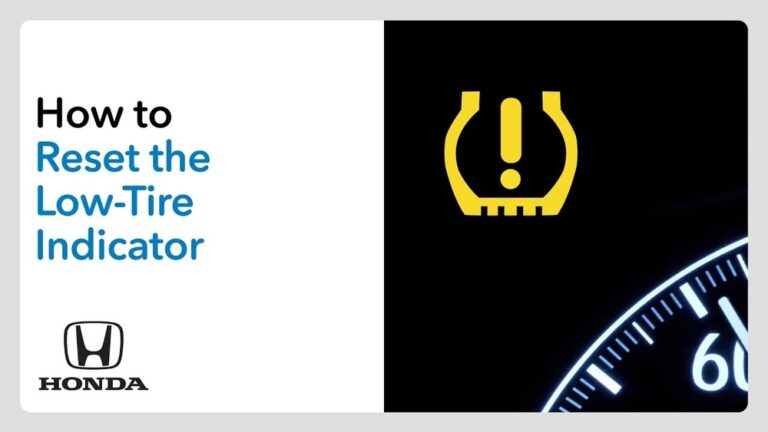
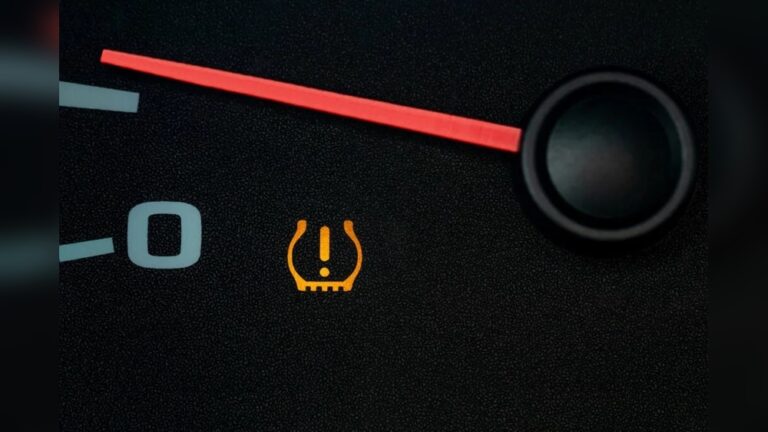
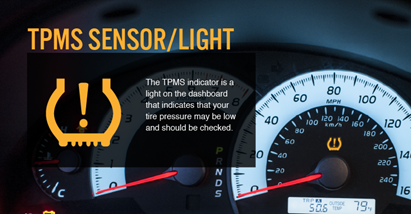
The light usually looks like a horseshoe with an exclamation point in the middle. If it comes on and stays on, it means one or more tires may be low on air. But if the light starts blinking, it’s signaling a different issue—often with the TPMS itself, not just the tires.
Why Is The Tire Pressure Light Blinking?
When the tire pressure warning light blinks, it often means there’s a problem with the TPMS system, not just a low tire. Here are the main reasons for a blinking tire pressure light:
- TPMS Sensor Malfunction: One or more sensors may have failed, lost power, or stopped communicating with the car’s computer.
- Sensor Battery Dead: Each TPMS sensor has a small battery. Over time, these run out of power, especially in older vehicles.
- System Initialization Error: After changing tires or resetting the system, the TPMS may need to relearn sensor locations.
- Interference or Signal Loss: Electronic interference or a problem with the antenna can prevent the system from reading data correctly.
- Recent Tire Replacement or Rotation: If tires were changed or rotated, sensors may not be recognized until the system is reset.
- Extreme Temperatures: Very hot or cold weather can affect sensor operation or tire pressure readings.
- Damaged or Missing Sensor: A sensor may have been damaged during tire service or is missing altogether.
- Aftermarket Wheels or Tires: Non-original wheels may not support TPMS sensors, or the sensors may not fit correctly.
Each of these problems can make the tire pressure light blink instead of simply staying on. Some drivers ignore the blinking, thinking it’s just a glitch, but that can be a mistake. Addressing the cause early can prevent bigger issues later.

Credit: www.wikihow.com
How The Tpms System Works
Most modern cars use one of two types of TPMS: direct or indirect. Understanding the difference helps you diagnose problems more easily.
| System Type | How It Works | Common Issues |
|---|---|---|
| Direct TPMS | Uses pressure sensors inside each tire to measure air directly. | Sensor battery failure, sensor damage, communication errors. |
| Indirect TPMS | Uses wheel speed data from ABS sensors to estimate tire pressure. | Incorrect readings after tire change, needs reset after rotation. |
Most blinking tire pressure lights are related to direct TPMS systems, because each sensor has a battery and can fail over time.
Step-by-step: What To Do When The Tire Pressure Light Blinks
If you see your tire pressure light blinking, don’t panic. Here’s what you should do:
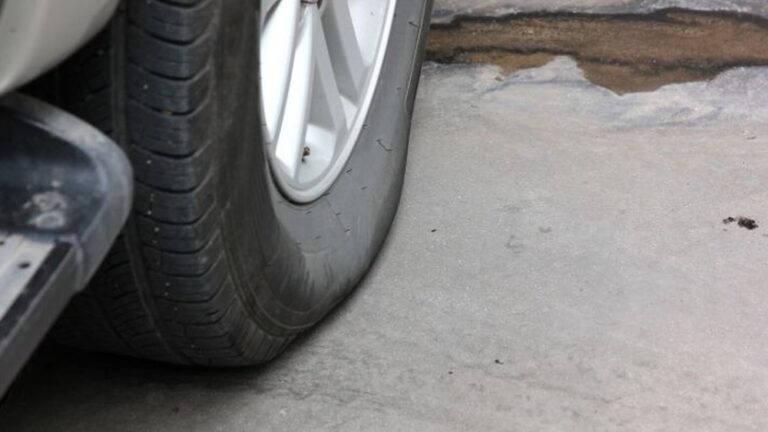
- Pull Over Safely: If possible, stop your car in a safe place. Check all tires for visible signs of a flat or damage.
- Check Tire Pressure: Use a tire gauge to check the pressure of each tire, including the spare if your car monitors it. Compare your readings to the recommended levels in your owner’s manual or the sticker inside the driver’s door.
- Inflate or Deflate as Needed: Adjust tire pressure to the recommended levels. If you find a tire is much lower than the others, you may have a puncture or leak.
- Drive and Observe: After correcting pressures, drive for a few minutes. If the light stops blinking and stays off, the problem may be solved.
- If Still Blinking, Seek Service: If the light keeps blinking or comes back, the TPMS system itself may need attention. Visit a mechanic or tire shop for a diagnostic check.
Credit: blog.johndow.com
Common Causes Of Blinking Tire Pressure Light
Let’s look at the most frequent reasons in detail:
Tpms Sensor Battery Failure
Each sensor inside your tire contains a small battery. These batteries typically last 5–10 years, but when one dies, the sensor can no longer send data. The TPMS computer detects this and makes the light blink. Often, all sensors are replaced at once to avoid repeated failures.
Sensor Damage During Tire Service
Improper handling during tire changes or rotations can damage the fragile sensors. Even experienced technicians can sometimes pinch or break a sensor, which then causes communication errors and triggers the blinking light.
Tpms Relearn Needed
When you rotate tires or install new ones, some systems require a relearn or reset process. This helps the car know which sensor is on which wheel. Skipping this step can confuse the computer, causing the light to blink until the system is reset.
Signal Interference
Strong radio signals, aftermarket electronics, or even certain road conditions can interrupt the wireless signals from the sensors to the car’s computer. These interruptions may be temporary, but if they persist, the system will keep blinking.
Extreme Temperatures
Both high heat and freezing cold can affect sensor operation and battery life. In cold climates, the blinking light is more common during winter, as the air contracts in the tires, sometimes causing both low pressure and sensor problems.
Missing Or Non-compatible Sensors
If you use aftermarket wheels that don’t support TPMS sensors, or if a sensor is missing after a tire change, the system detects the missing signal and blinks the warning light.
Example: A Real-world Scenario
Imagine you had your tires rotated at a shop. A week later, you notice the tire pressure light blinks for a minute after starting your car, then stays on. When you check the tire pressures, they’re all fine. In this case, the shop may have forgotten to reset the TPMS, so the car can’t recognize the sensor positions.
A quick visit to the shop to perform a TPMS relearn can fix the issue.
How To Diagnose A Blinking Tire Pressure Light
While some problems require professional tools, you can do some basic checks yourself:
- Check all tire pressures with a reliable gauge. Don’t trust visual checks; tires can look fine but be dangerously low.
- Look for recent changes: Did you rotate or replace tires recently? Did you buy new wheels?
- Observe when the light blinks: Does it blink only at startup, while driving, or randomly?
- Try resetting the TPMS using your vehicle’s instructions, usually found in the owner’s manual.
If these steps don’t solve the problem, a mechanic can use a TPMS scan tool to read error codes and test each sensor. This tool can tell you if a sensor has failed, is missing, or has a dead battery.
Can You Drive With A Blinking Tire Pressure Light?
You can usually drive with a blinking TPMS light, but it’s not recommended for long periods. Here’s why:
- Loss of Real-Time Tire Pressure Monitoring: With a TPMS fault, you won’t be warned if a tire suddenly loses air.
- Possible Safety Risk: If you ignore the light and get a flat, you might not notice until it’s too late.
- Legal Issues: In some regions, functioning TPMS is required for vehicle inspections.
If you must drive, check all tires for correct pressure first, and schedule repairs as soon as possible.
When To Replace Tpms Sensors
TPMS sensors don’t last forever. Here’s a quick comparison of sensor lifespans and replacement costs:
| Sensor Type | Average Lifespan | Replacement Cost (per sensor) |
|---|---|---|
| OEM (Original Equipment) | 5–10 years | $50–$120 |
| Aftermarket | 3–7 years | $30–$70 |
It’s often more cost-effective to replace all sensors at once, especially if your vehicle is over five years old.

Credit: www.toyotaofnorthcharlotte.com
How A Blinking Light Differs From A Steady Light
Drivers sometimes confuse a blinking tire pressure light with a steady one. Here’s a simple comparison:
| Light Behavior | What It Means | What to Do |
|---|---|---|
| Blinks for 60–90 seconds, then stays on | TPMS system fault (sensor, battery, or signal issue) | Check tire pressures, then visit a mechanic for TPMS diagnosis |
| Stays on steadily | One or more tires are low on air | Inflate tires to recommended pressures |
This distinction helps you decide whether you just need air or if a system check is needed.
Non-obvious Insights Most Drivers Miss
- Seasonal Tire Changes Affect TPMS: In countries with harsh winters, switching to winter tires (often without sensors) will always trigger a blinking light. Planning ahead for sensor swaps saves time and money.
- TPMS Sensors and Tire Sealants: Using aerosol sealants to fix a flat can clog or destroy TPMS sensors. Always tell a mechanic if you’ve used such a product, as it can affect their diagnosis.
- TPMS Can Affect Fuel Economy: Driving with underinflated tires, especially if you ignore the warning, can reduce fuel efficiency by up to 3%. This adds up over time.
- Not All Aftermarket Sensors Are Equal: Cheap sensors may not communicate well with your car, causing persistent blinking lights. Always check compatibility with your make and model.
When To See A Professional
If you’ve checked your tire pressures, reset the system, and the light still blinks, it’s time for expert help. Mechanics have special tools that can:
- Identify which sensor is faulty.
- Test sensor batteries.
- Relearn or reset the TPMS.
- Repair or replace damaged sensors.
A professional diagnosis usually costs between $50 and $100, but it can prevent larger expenses later.
Avoiding Common Mistakes
- Ignoring the Blinking Light: Some drivers think it’s a minor issue and drive for months. This can lead to missed warnings about actual flat tires.
- Swapping Wheels Without Sensors: Replacing wheels without installing compatible TPMS sensors is a common mistake, especially when buying used or aftermarket rims.
- DIY Sensor Replacement Without Relearn: If you change a sensor yourself but skip the relearn process, the system may not recognize the new part.
Always check your owner’s manual before performing any TPMS-related maintenance.
Frequently Asked Questions
Why Does My Tire Pressure Light Blink When It’s Cold?
Cold temperatures cause air to contract, lowering tire pressure and sometimes affecting sensor function. If the light blinks only on cold mornings, check pressures first, then monitor if the problem continues.
Is It Safe To Ignore A Blinking Tire Pressure Light?
Ignoring it isn’t recommended. A blinking light means your TPMS system isn’t working correctly, so you may not get warned about a dangerous flat tire.
Can I Reset The Tire Pressure Light Myself?
Most cars allow you to reset the TPMS through a button or menu. However, if the light keeps blinking, it usually means a deeper problem that needs a mechanic’s help.
How Long Do Tpms Sensors Usually Last?
TPMS sensors last about 5–10 years, depending on driving conditions and climate. After this, their batteries die, and the sensors must be replaced.
Will Aftermarket Wheels Cause The Light To Blink?
If the new wheels don’t support TPMS sensors or use incompatible sensors, the light will blink. Always confirm sensor compatibility before changing wheels.
If you want to learn more about how TPMS works, check the official Wikipedia page on Tire Pressure Monitoring Systems.
A blinking tire pressure light isn’t just an annoyance—it’s a sign your car needs attention. By understanding the causes, knowing what steps to take, and acting quickly, you can drive safely and avoid bigger problems down the road.