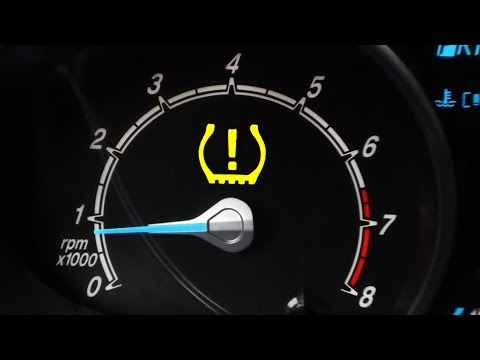
If you have ever seen a warning light on your dashboard that looks like a horseshoe with an exclamation mark, you are looking at your tire pressure monitoring system (TPMS) alert. This system helps you stay safe by telling you when your tire pressure is too low or too high. But sometimes, even after you inflate your tires correctly, the warning light stays on. In these cases, you may need to reset your tire pressure sensor to clear the alert and make sure your system is working properly.
Understanding how to reset a tire pressure sensor is important for every driver. Not only does it help you avoid unnecessary trips to the mechanic, but it also ensures your car’s tires are always at the right pressure. Correct tire pressure means better fuel efficiency, safer handling, and longer tire life.
If you are unsure about the process, don’t worry. This guide will walk you through everything you need to know, with simple steps and clear explanations.
What Is A Tire Pressure Sensor And How Does It Work?
Before you learn how to reset it, it helps to know what a tire pressure sensor does. Most modern cars use the TPMS to monitor the air pressure inside your tires. There are two main types:
- Direct TPMS: Uses sensors inside each tire to measure air pressure directly. These sensors send data to your car’s computer.
- Indirect TPMS: Uses your car’s anti-lock brake system (ABS) to compare wheel speeds. If a tire is under-inflated, it spins differently, which the system detects.
Both types will light up the TPMS warning symbol on your dashboard if they sense something is wrong. However, the way you reset the sensor may depend on the system type.
Why Resetting The Tire Pressure Sensor Matters
Sometimes, after you inflate your tires or change them, the TPMS light doesn’t turn off by itself. The sensor may need a manual reset to recognize the new pressure. If you ignore the warning light, you might miss real tire problems in the future.
Also, a wrongly triggered TPMS light can be distracting and lead to unnecessary stress.
Resetting the sensor ensures:
- Your TPMS warning is accurate.
- Real tire problems are not hidden.
- You avoid failing vehicle inspections due to dashboard warnings.
Common Reasons Why The Tpms Light Stays On
Even after correcting your tire pressure, the warning light might not go away immediately. Here are some common reasons:
- Sensor needs time: Sometimes, the system takes a few minutes of driving to update.
- Faulty sensor: Sensors can fail due to battery depletion or damage.
- Incorrect tire size: Using tires not recommended for your vehicle can confuse the system.
- Seasonal temperature changes: Cold weather can temporarily lower tire pressure and trigger the light.
- After rotating or changing tires: The system may need to relearn the new positions.
How To Reset Tire Pressure Sensor: Step-by-step Guide
Let’s get practical. Here’s how you can reset your TPMS at home in most cars.
1. Check Tire Pressure And Inflate As Needed
Start by making sure all your tires are at the recommended pressure. You can find this information on a sticker inside the driver’s door or in your owner’s manual. Use a good quality tire pressure gauge for accuracy.
2. Drive Your Car
For many vehicles, simply driving at speeds above 15 mph for 10–20 minutes resets the sensor. The TPMS system often updates itself after sensing the correct pressure for a while.
3. Use The Tpms Reset Button
Many cars have a dedicated TPMS reset button. Here’s how to use it:
- Turn the ignition key to the “on” position (don’t start the engine).
- Find the reset button (often under the steering wheel).
- Hold the button until the TPMS light blinks three times.
- Release the button and start the car.
- Drive for about 20 minutes to let the system recalibrate.
4. Disconnect And Reconnect The Car Battery
If the above steps do not work, try this method:
- Turn off your car.
- Open the hood and disconnect the negative battery cable.
- Wait for about 10 minutes.
- Reconnect the cable, then start your car.
- This will reset your car’s computer, which may clear the TPMS warning.
5. Re-scan With A Tpms Tool
Some cars (especially newer models) require a special TPMS re-learn tool. This device “talks” to your tire sensors and helps the system recognize them again. You can buy or rent these tools at auto parts stores.
- Follow the instructions with the tool.
- Usually, you turn the ignition to “on,” activate the tool near each tire, and wait for a confirmation beep.
6. Check For A Faulty Sensor
If none of the above works, a sensor may be broken or have a dead battery. This is more common after several years. If you suspect a faulty sensor, visit a mechanic or tire shop for diagnostics.
Reset Methods By Vehicle Type
Not every car uses the same method. Here is a comparison of the most common reset approaches by car brand.
| Car Brand | Common Reset Method | Special Notes |
|---|---|---|
| Toyota | TPMS button under steering wheel | Sometimes inside glove box |
| Honda | TPMS button or through dashboard menu | May need to use steering wheel controls |
| Ford | Re-learn tool often required | Follow sequence in owner’s manual |
| BMW | Dashboard reset via iDrive system | Reset in “Vehicle Settings” menu |
| Chevrolet | TPMS button or re-learn tool | Check under dashboard for button |
Always check your owner’s manual for the exact procedure for your car.
Tips For A Successful Tpms Reset
Here are some practical insights that many beginners miss:
- Check the spare tire: Some cars monitor the spare tire’s pressure too. A low spare can keep the warning light on.
- Reset in the right order: If you rotate your tires, reset the system after moving the tires. Otherwise, the sensors may not match the tire positions.
- Keep sensors clean: Dirt or corrosion on the sensor’s valve stem can cause signal problems. Clean gently if needed.
- Use the correct tire size: Different sizes can confuse indirect TPMS systems, causing false warnings.

Credit: www.edwardschevroletbuickgmccadillac.com
How Tpms Sensors Differ: Direct Vs Indirect
Understanding the type of TPMS in your car can help you troubleshoot better.
| Feature | Direct TPMS | Indirect TPMS |
|---|---|---|
| Measures pressure directly? | Yes | No (uses wheel speed) |
| Requires re-learn/reset? | Often | Usually after tire rotation |
| Common in | Most US/Japanese brands | Many European brands |
| Sensor location | Inside tire | Uses ABS system |
| Battery life | 5–10 years | No battery needed |
For direct TPMS, sensor batteries do eventually run out. When this happens, the sensor must be replaced.
What To Do If The Tpms Light Comes Back
Sometimes, the warning light comes back soon after a reset. Here’s what you should do:
- Double-check all tires for proper pressure, including the spare.
- Inspect for leaks: A slow leak might cause pressure to drop again soon after filling.
- Visit a professional: If the light stays on, a mechanic can test each sensor and the system for faults.
- Update your system software: Some vehicles require a software update to fix sensor bugs.
When To Seek Professional Help
While most resets are simple, there are cases where you should not attempt to fix the system yourself:
- You see multiple warning lights or error codes.
- You recently had a tire replaced and the light will not go off.
- The TPMS light is blinking (not solid), indicating a system fault.
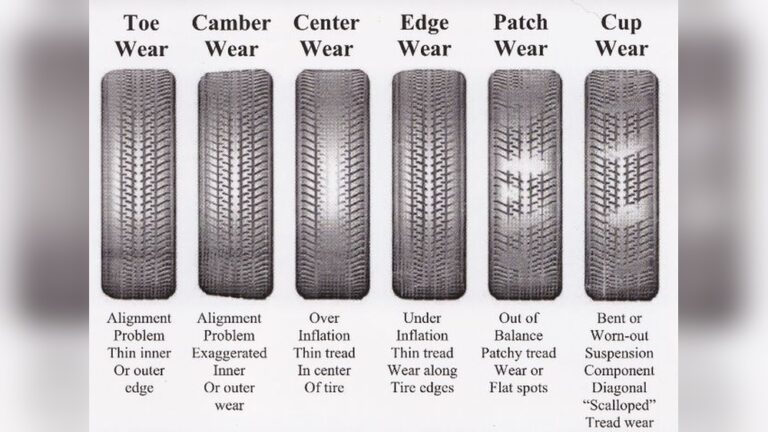
- You notice unusual tire wear or handling problems.
A professional will have advanced tools to diagnose and fix TPMS issues quickly and safely.
The Cost Of Tpms Sensor Replacement
If your sensor is faulty and needs replacement, costs can vary. Here’s a quick overview.
| Component | Typical Cost (USD) | Notes |
|---|---|---|
| Sensor | 40–100 each | Price varies by car make |
| Labor | 30–75 per tire | Includes programming |
| Total (1 tire) | 70–175 | Parts plus labor |
| All 4 sensors | 280–700 | Bulk replacement |
Prices depend on your vehicle, region, and whether you go to a dealership or independent shop. Sometimes, replacing all sensors at once saves time and money if batteries are old.
Credit: www.youtube.com
Useful Maintenance Habits
To avoid TPMS headaches, make these habits part of your routine:
- Check tire pressure monthly using a reliable gauge.
- Inspect tires for nails, cracks, or bulges regularly.
- Rotate tires as recommended by your car’s manual.
- Replace sensors every 5–10 years or as needed.
- Keep a record of reset dates and sensor replacements.
Additional Resources
If you want more technical details or want to understand government safety rules, the US National Highway Traffic Safety Administration (NHTSA) offers in-depth info on TPMS requirements: NHTSA TPMS Information.

Credit: www.akinsford.com
Frequently Asked Questions
How Do I Know If My Car Uses Direct Or Indirect Tpms?
Check your owner’s manual or ask your dealer. Direct TPMS has sensors in each tire, while indirect uses the ABS system. Direct systems usually show the exact pressure for each tire on the dashboard, while indirect may just turn on a warning light.
Can I Drive With The Tpms Light On?
It’s possible but not recommended. The light means one or more tires may have low pressure, which can be unsafe and damage your tires. Always check and fix the cause as soon as possible.
Do I Need To Reset The Sensor After Every Tire Change?
Yes, especially if you rotate tires or install new ones. This ensures the system knows the position and pressure of each tire.
What Happens If I Ignore A Faulty Tire Pressure Sensor?
Ignoring a faulty sensor means you won’t get warnings about low tire pressure. This can lead to poor fuel economy, uneven tire wear, and even tire blowouts in extreme cases.
Is It Possible To Reset The Tire Pressure Sensor Without Any Tools?
For many cars, yes. You can reset it by inflating the tires and using the reset button or by driving for a short time. Some cars, however, require a special tool for a full reset.
Keeping your tire pressure sensor working properly is a simple way to stay safer on the road and save money over time. By understanding how to reset the system and spot problems early, you can drive with more confidence—without that annoying warning light distracting you.