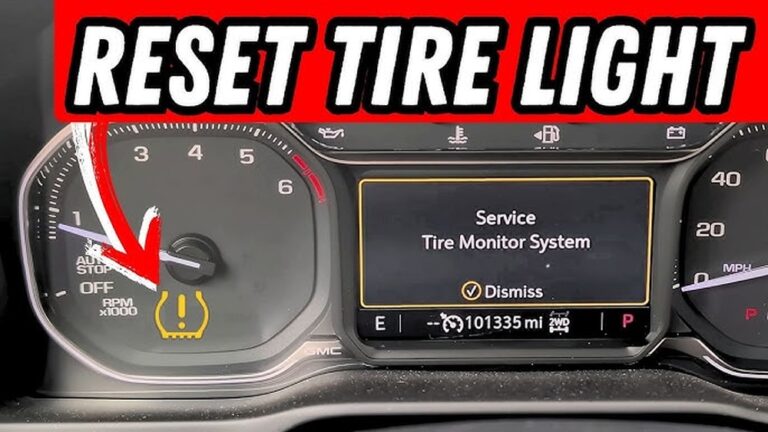
If you drive a Hyundai Elantra, you have probably seen the tire pressure light on your dashboard. This warning light looks like an exclamation mark inside a horseshoe. It signals that at least one tire’s air pressure is lower than recommended. Keeping tires at the right pressure is important. It helps your car perform well, improves fuel efficiency, and keeps you safe. But sometimes, even after you fix your tires, the light stays on. This can be confusing and annoying.
Many drivers ask, “How do I reset the tire pressure light on my Hyundai Elantra? ” The good news is, you can handle it yourself. You don’t need special tools or expert skills. You just need to know the right steps and why the light might not go off after fixing the tire.
Let’s walk through the process, including common mistakes, the reasons behind the warning, and tips to keep your tires healthy. By the end, you’ll feel confident resetting the light and making sure your Elantra is ready for the road.
Understanding The Tire Pressure Light In Hyundai Elantra
The tire pressure light is part of the Tire Pressure Monitoring System (TPMS). This system checks the air pressure in your tires and tells you if any tire is too low. For the Hyundai Elantra, TPMS has sensors inside each tire. These sensors send information to your car’s computer.
When the light comes on, it usually means one or more tires have dropped below the recommended pressure. But sometimes, the light can come on because of other reasons:
- A TPMS sensor is damaged or has a weak battery
- The sensors lost connection with the car’s computer
- You changed or rotated tires recently
Knowing these reasons helps you understand that it’s not always just low air pressure causing the warning.
Why Proper Tire Pressure Matters
Keeping your tires at the correct pressure is more important than many drivers think. Here’s why:
- Safety: Under-inflated tires can lose grip, especially during emergency stops or sharp turns.
- Fuel efficiency: Low tire pressure makes your car work harder, increasing fuel consumption.
- Tire life: Tires wear out faster if the pressure is wrong, costing you more money.
According to the National Highway Traffic Safety Administration, under-inflated tires are a leading cause of accidents and tire failures. In fact, tires lose about 1 PSI (pounds per square inch) every month, even without leaks. Checking your tires once a month can prevent problems.
Steps To Reset Tire Pressure Light On Hyundai Elantra
Resetting the tire pressure light is simple, but you must follow the steps carefully. Here’s a clear guide:
- Check the Recommended Tire Pressure
- Look at the sticker on the driver’s door jamb. It shows the correct PSI for your Elantra’s tires. Most models use 32–35 PSI but always check your car’s sticker.
- Inspect All Tires
- Use a tire pressure gauge to check each tire, including the spare. Many drivers forget the spare tire, but it also has a sensor in some Elantra models.
- Add Air as Needed
- If any tire is low, add air until it matches the recommended PSI. Don’t guess—use the gauge for accuracy.
- Drive the Car
- After correcting the pressure, drive your Elantra for at least 10–15 minutes at speeds above 15 mph. The TPMS needs movement to update itself.
- Wait for the Light to Turn Off
- The light should go off after driving. If it stays on, try the next step.
- Manual Reset (if needed)
- Some Elantra models have a TPMS reset button. It’s usually under the steering wheel. Press and hold it until the light blinks three times, then release. If your model doesn’t have the button, skip this step.
- Turn the Ignition Off and On
- Sometimes, simply turning the car off and then on can reset the light.
- Check for Sensor Issues
- If the light stays on, a sensor may be faulty. You may need to visit a mechanic or dealership for diagnostics.
Practical Example
Imagine you fill all four tires to 34 PSI, but the light stays on. You drive for 20 minutes, and it’s still glowing. You check the spare tire, and it’s at 22 PSI. After inflating the spare to 34 PSI, the light turns off.
Many drivers overlook the spare, but the TPMS checks it too on some models.
Common Mistakes When Resetting Tire Pressure Light
It’s easy to make mistakes during this process. Here are some to avoid:
- Ignoring the spare tire: As shown above, some Elantra models monitor the spare.
- Not using a gauge: Estimating air pressure by eye isn’t accurate. Always use a gauge.
- Resetting too soon: The TPMS needs time to check the new pressure. Driving for a few minutes is necessary.
- Forgetting seasonal changes: Cold weather lowers tire pressure. Check more often when temperatures drop.
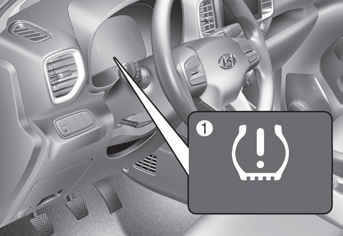
Credit: blogs.rosenhyundai.com
Hyundai Elantra Tpms: Different Models And Features
Hyundai Elantra models have slightly different TPMS setups. Here’s how they compare:
| Year | TPMS Type | Reset Button? | Spare Tire Monitored? |
|---|---|---|---|
| 2013-2016 | Direct | No | No |
| 2017-2019 | Direct | Yes | Yes |
| 2020-2024 | Direct | Yes | Yes |
Direct TPMS means sensors are inside each tire. If your Elantra is older, you may not have a reset button or spare tire monitoring. Always check your owner’s manual.
What To Do If The Light Won’t Reset
Sometimes, you follow every step and the light still won’t turn off. Here’s what to try next:
- Check TPMS Sensor Batteries
- TPMS sensors use batteries. These batteries last 5–10 years. If one sensor’s battery is dead, the system won’t update. You’ll need a mechanic to replace it.
- Inspect for Tire Damage
- A slow leak or puncture can cause pressure to drop again quickly. Look for nails, cuts, or bulges.
- Check After Tire Rotation
- If you recently rotated tires, the sensors may need to recalibrate. Drive for a few miles, then try resetting.
- Visit a Mechanic
- If you can’t fix the light yourself, a mechanic can use a TPMS scan tool to diagnose and reset the system.
Tire Pressure And Weather: What You Need To Know
Temperature affects tire pressure more than most people realize. For every 10°F change, tire pressure changes by about 1 PSI. If you check your tires in summer, then drive in winter, the pressure could drop enough to trigger the warning light.
| Temperature (°F) | Expected PSI Change | Risk Level |
|---|---|---|
| 80 | 0 | Low |
| 60 | -2 | Medium |
| 40 | -4 | High |
If your tire pressure light comes on after a cold night, check and inflate your tires. Don’t ignore the warning, even if you just checked your tires the day before.
How Often Should You Check Tire Pressure?
Experts recommend checking your tire pressure once a month. Also check before long trips, after temperature changes, and whenever the TPMS light comes on.
Here are some tips:
- Keep a digital tire pressure gauge in your glove box.
- Check tires when they are cold (before driving).
- Record the readings for all four tires and the spare.
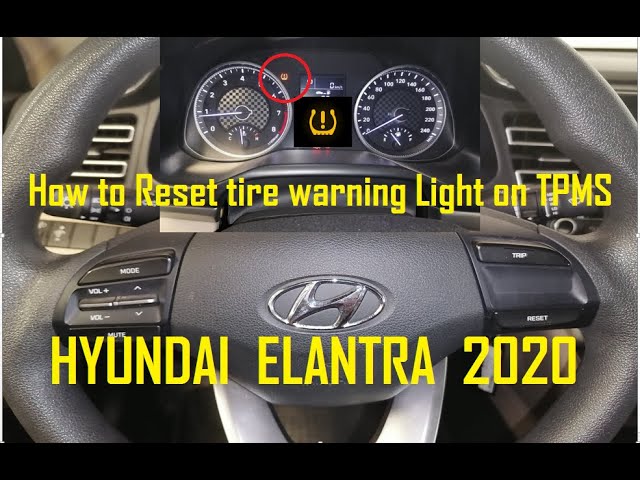
Credit: www.youtube.com
Tire Pressure Gauge: Choosing The Right Tool
There are several types of tire pressure gauges. Here’s a comparison:
| Gauge Type | Accuracy | Ease of Use | Price Range |
|---|---|---|---|
| Pencil | Medium | Easy | $5–$10 |
| Dial | High | Medium | $15–$30 |
| Digital | Very High | Very Easy | $10–$25 |
A digital gauge is usually best for beginners. It’s easy to read and gives accurate results.
Useful Tips For Long-term Tire Health
- Rotate your tires every 6,000–8,000 miles to ensure even wear.
- Replace tires when tread depth is below 2/32 inch.
- Clean the valve stem before checking pressure to avoid dirt affecting the reading.
- Always use the recommended PSI. Over-inflating can cause tires to wear in the center, while under-inflating wears the edges.
Two non-obvious insights:
- TPMS sensors can be damaged during tire changes if the technician is not careful. Always inform mechanics about the sensors.
- After changing tires or wheels, the system may need up to 30 minutes of driving to recalibrate.
When To Seek Professional Help
If you have:
- A TPMS light that blinks (not just stays on)
- Multiple warnings (like ABS or check engine)
- Repeated low pressure in one tire
You should visit a certified Hyundai mechanic. Blinking lights mean the TPMS system itself has a problem, not just the tire pressure.
Frequently Asked Questions
What Does The Tire Pressure Light Mean On Hyundai Elantra?
The tire pressure light means one or more tires are below the recommended air pressure. It’s part of the TPMS system, which checks tire health for safety and performance.
Can I Drive With The Tire Pressure Light On?
You should not drive long distances with the light on. Low pressure can cause unsafe handling and tire damage. Check and fix the issue as soon as possible.
How Do I Find The Correct Tire Pressure For My Elantra?
Check the driver’s door jamb sticker or your owner’s manual. Most Elantras use 32–35 PSI, but always use the exact number for your model.
What If The Tire Pressure Light Blinks Instead Of Staying On?
A blinking light means a TPMS sensor or system is malfunctioning. Visit a mechanic to diagnose and fix the problem.
Do I Need Special Tools To Reset The Tire Pressure Light?
No special tools are needed for basic resets. A tire pressure gauge is enough. For deeper issues (like sensor replacement), a mechanic may use a TPMS scan tool.
Resetting the tire pressure light on your Hyundai Elantra is a task you can handle with confidence. Regular checks and careful steps keep your car safe and reliable. If the light refuses to reset, seek help from a professional to protect your tires and your safety. For more official guidance, check the Hyundai owner’s manual or visit National Highway Traffic Safety Administration for detailed tire safety information.

Credit: stivershyundai.com