If you own a Nissan Altima or are thinking about buying one, the question of tire size will come up sooner or later. Whether you are planning to replace your tires, upgrade your wheels, or just need to check tire pressure, knowing the correct tire size for your Altima is essential. But with multiple models, years, and trim levels, it can get confusing. This guide will break down everything you need to know about Nissan Altima tire sizes—covering all generations, common variations, and tips for choosing the right tires for your driving needs.
Why Tire Size Matters For Your Nissan Altima
The size of your car’s tires is not just a number on the sidewall. It affects how your Altima handles, its fuel efficiency, ride comfort, and even safety. Using the wrong size can lead to problems like poor grip, increased braking distance, or damage to your suspension.
That’s why car manufacturers recommend specific sizes for each model.
Many drivers overlook how even small changes in tire size can impact their car. For example, a tire that’s slightly too wide can rub against the wheel well, especially when turning. On the other hand, a tire that’s too small might not support the car’s weight properly, affecting stability.
Understanding Tire Size Notation
Before looking at Altima-specific sizes, let’s quickly decode what tire size numbers mean. A typical tire size might look like 215/60R16. Here’s what each part means:
- 215 — Tire width in millimeters.
- 60 — Aspect ratio (height as a percentage of width).
- R — Radial construction (almost all modern tires).
- 16 — Wheel diameter in inches.
So, a 215/60R16 tire is 215 mm wide, the sidewall height is 60% of the width, and it fits a 16-inch wheel.
Nissan Altima Tire Sizes By Model Year
The Nissan Altima has been in production since 1992. Over the years, tire sizes have changed based on generation, trim, and factory options. Below is an overview of common tire sizes for each generation.
First Generation (1993–1997)
Early Altimas came standard with 14-inch wheels. The most common size was 185/70R14.
Second Generation (1998–2001)
This generation moved up to larger wheels, with common sizes:
- Base models: 195/65R15
- SE/Upgraded trims: 205/60R15
Third Generation (2002–2006)
With a new body style, the Altima now offered:
- Base/Standard: 205/65R16
- SE/SL trims: 215/55R17
Fourth Generation (2007–2012)
This is where tire sizes start to vary more by trim:
- 2.5 Base: 215/60R16
- 2.5 S/SL: 215/55R17
- 3.5 SE: 235/45R18
Fifth Generation (2013–2018)
Tire size options expanded, especially for higher trims:
- 2.5 Base: 215/60R16
- 2.5 S/SV/SL: 215/55R17
- 3.5 SL: 235/45R18
Sixth Generation (2019–present)
Today’s Altima uses even larger wheels, especially for sportier trims:
- S/Standard: 215/60R16
- SR/SV: 215/55R17
- SR/Platinum/Edition One: 235/40R19
Below is a comparison of tire sizes for three common model years:
| Model Year | Base Trim | Sport Trim | Luxury Trim |
|---|---|---|---|
| 2010 | 215/60R16 | 235/45R18 | 215/55R17 |
| 2015 | 215/60R16 | 235/45R18 | 215/55R17 |
| 2023 | 215/60R16 | 235/40R19 | 215/55R17 |
How To Find The Correct Tire Size For Your Altima
The most reliable way is to check your car’s owner’s manual or look at the sticker inside the driver’s side door jamb. This sticker lists the recommended tire size, load rating, and pressure.
If you don’t have the manual or the sticker is missing, you can also:
- Check the current tires’ sidewall for numbers like 215/55R17.
- Visit the Nissan USA website for specifications by model year.
- Call a Nissan dealership with your VIN number.
It’s important not to guess or rely only on what’s already installed. Sometimes previous owners install the wrong size, which can lead to handling or wear problems.
Common Tire Sizes For Recent Nissan Altima Models
If you drive a 2013 or newer Altima, you’ll likely see one of these sizes:
- 215/60R16 — Common for base trims
- 215/55R17 — Standard on many mid-level trims
- 235/45R18 — Found on sport or premium trims
- 235/40R19 — For the latest, sportiest Altimas
Here’s how these sizes compare in key areas:
| Tire Size | Width (mm) | Aspect Ratio (%) | Wheel Diameter (in) | Best For |
|---|---|---|---|---|
| 215/60R16 | 215 | 60 | 16 | Comfort, economy |
| 215/55R17 | 215 | 55 | 17 | Balanced driving |
| 235/45R18 | 235 | 45 | 18 | Sporty handling |
| 235/40R19 | 235 | 40 | 19 | Performance, style |
How Trim Levels Affect Tire Size
Altima’s trim level (like S, SV, SL, SR, Platinum) affects the factory tire size. Higher trims often have larger wheels and lower-profile tires for a sportier look and better cornering. Base trims focus on comfort, using taller sidewalls and smaller wheels.
For example, the SR and Platinum trims often come with 19-inch wheels and low-profile tires, which improve handling but may feel stiffer on rough roads. Lower trims, like the S or SV, come with more forgiving tires that absorb bumps better.
Can You Change Tire Size On A Nissan Altima?
Many owners wonder if they can use a different tire size, often to upgrade the car’s appearance or performance. While some changes are possible, it’s important to stay close to the factory size. Here’s why:
- Speedometer accuracy: Changing overall tire diameter affects speed readings.
- Suspension clearance: Wider or taller tires may rub against the car.
- ABS/Traction control: These systems rely on correct tire diameter to function properly.
- Warranty/Insurance: Using non-approved sizes can sometimes void warranties or cause insurance issues.
If you want to change, use a tire size calculator online to compare the new size’s diameter and circumference to your original. Try to stay within 3% of the original overall diameter. For example, switching from 215/60R16 to 225/55R16 is usually safe, but jumping to a much larger size can cause problems.
Winter And All-season Tires For Altima
Tire size also matters when choosing between all-season and winter tires. Most Altima drivers use all-season tires, but winter tires are a smart choice in cold climates. Always use the exact size recommended for your wheel diameter.
Winter tires are sometimes narrower than summer tires, as a narrower tire can “cut” through snow better. However, avoid going more than one size narrower than stock unless a tire professional advises it.

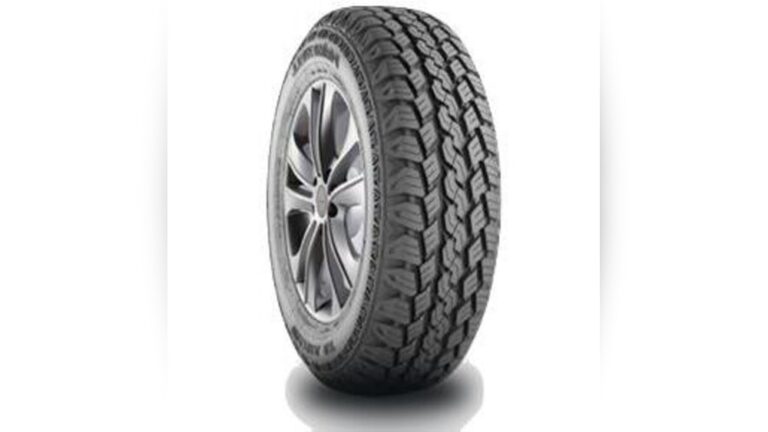
Credit: www.discounttire.com
Aftermarket Wheels And Custom Tire Sizes
If you want custom wheels, you’ll need to pick the right tire size to keep your speedometer accurate and avoid rubbing. For example, if you install 18-inch wheels on an Altima that came with 16-inch wheels, you’ll need tires with a lower aspect ratio to keep the overall diameter similar.
Here’s an example for a 2017 Altima:
| Original Size | New Wheel Size | Recommended Tire Size | Diameter Difference |
|---|---|---|---|
| 215/60R16 | 18″ | 235/45R18 | +0.3% |
| 215/55R17 | 19″ | 235/40R19 | +0.2% |
Notice how the recommended tire size for the new wheel keeps the overall diameter almost the same.
Tips For Choosing The Right Tire For Your Altima
Choosing the right tire is about more than just size. Here are some key factors to consider:
- Driving style: Sporty drivers may prefer a wider, lower-profile tire for better grip, while commuters may want a comfort-focused tire.
- Climate: If you live where it snows, dedicated winter tires in the stock size offer much better traction.
- Tread life: Higher-quality all-season tires often last longer and are quieter.
- Brand reputation: Stick to well-known brands for safety and reliability.
- Load rating: Make sure your new tires meet or exceed the recommended load index for your Altima.
- Speed rating: Choose a tire with a speed rating at least as high as the factory tire.
Many people forget to check the load rating and speed rating. These are just as important as size, especially if you drive at highway speeds or carry heavy loads.
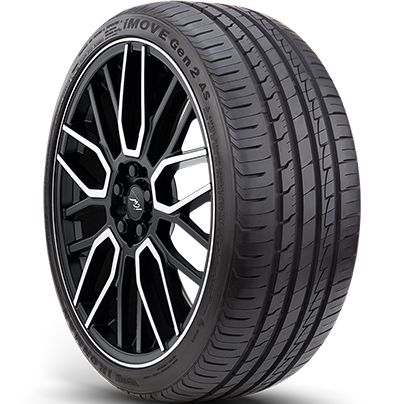
Credit: www.tiresplus.com
What Happens If You Use The Wrong Tire Size?
Using the wrong size can lead to:
- Poor handling: The car may feel unstable, especially in corners or at high speed.
- Increased wear: Tires may wear out unevenly or faster than expected.
- Damage: Rubbing against the wheel well can damage tires and suspension parts.
- Error lights: ABS or traction control systems may malfunction.
- Insurance issues: Some insurers may deny claims if non-approved sizes are used.
It’s always safest to stick with the recommended sizes unless you’ve spoken to a tire professional.
Where To Buy The Right Tires
You can buy tires at:
- Nissan dealerships: Guaranteed to fit, but often more expensive.
- Tire shops: Offer more brands and options.
- Online retailers: Good for comparing prices and reading reviews.
Always check return policies. If you buy online, have a shop install and balance the tires to avoid vibration.
For more detailed tire specifications, you can check the Tire Rack website, which lists tire options by year and trim.

Credit: www.autocentersnissan.com
Frequently Asked Questions
What Is The Most Common Tire Size For A Nissan Altima?
The most common size in recent years is 215/60R16 for base models and 215/55R17 for mid-level trims. Sportier trims often use 235/45R18 or 235/40R19.
Can I Use A Different Tire Size Than What’s Listed On My Altima?
Small changes (within 3% of the original diameter) are usually okay, but bigger changes can cause problems. Always consult a tire professional before switching.
How Do I Check My Current Tire Size?
Look at the tire’s sidewall for numbers like 215/55R17. You can also check your owner’s manual or the sticker on the driver’s side door jamb.
Are Larger Wheels And Lower-profile Tires Better For Performance?
Larger wheels with low-profile tires can improve cornering but might feel rougher on bumpy roads. They also cost more to replace.
Do All Nissan Altimas Use The Same Size Tires?
No. Tire size depends on the model year and trim level. Always verify the correct size for your specific Altima.
Choosing the right tires for your Nissan Altima ensures a safer, more comfortable, and more enjoyable drive. Taking a few minutes to check your tire size and options now can save you money and trouble down the road.