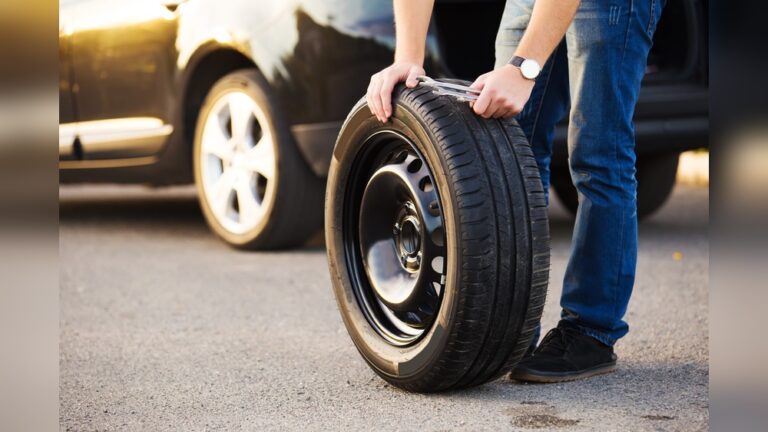
When winter comes and roads turn icy, driving becomes much more dangerous. For many drivers, tire chains and tire cables are two common solutions for getting better traction in snow and ice. But which one is right for your car, your driving style, and the places you travel? The choice between tire chains vs tire cables can be confusing, especially if you haven’t used them before. This guide will help you understand the differences, benefits, and drawbacks of each. You’ll also learn how to choose, install, and care for these traction devices. By the end, you’ll know exactly what to expect and how to stay safe on slippery winter roads.
Understanding Tire Chains
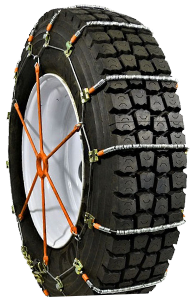
Tire chains are strong metal links that wrap around your tires. They grip snow and ice, helping your car move forward and stop safely. Chains have been used for over a century, especially in places with heavy snow.
Most chains are made from hardened steel, which makes them very tough. You’ll find different patterns, like the ladder (straight across the tire), diamond (criss-cross pattern), and square (grid-like) styles. Each pattern offers a different balance of grip and smoothness.
One thing many people miss is that tire chains are not just for cars. They’re also used on trucks, SUVs, and even buses. Some heavy-duty chains are built for commercial vehicles that travel through the worst winter conditions. In some mountain areas, police may check if you have chains before letting you continue.
Chains are available in various sizes. It’s important to get the right size for your tire’s width and diameter. Too big or too small, and they won’t work properly—or could even damage your vehicle.
Understanding Tire Cables
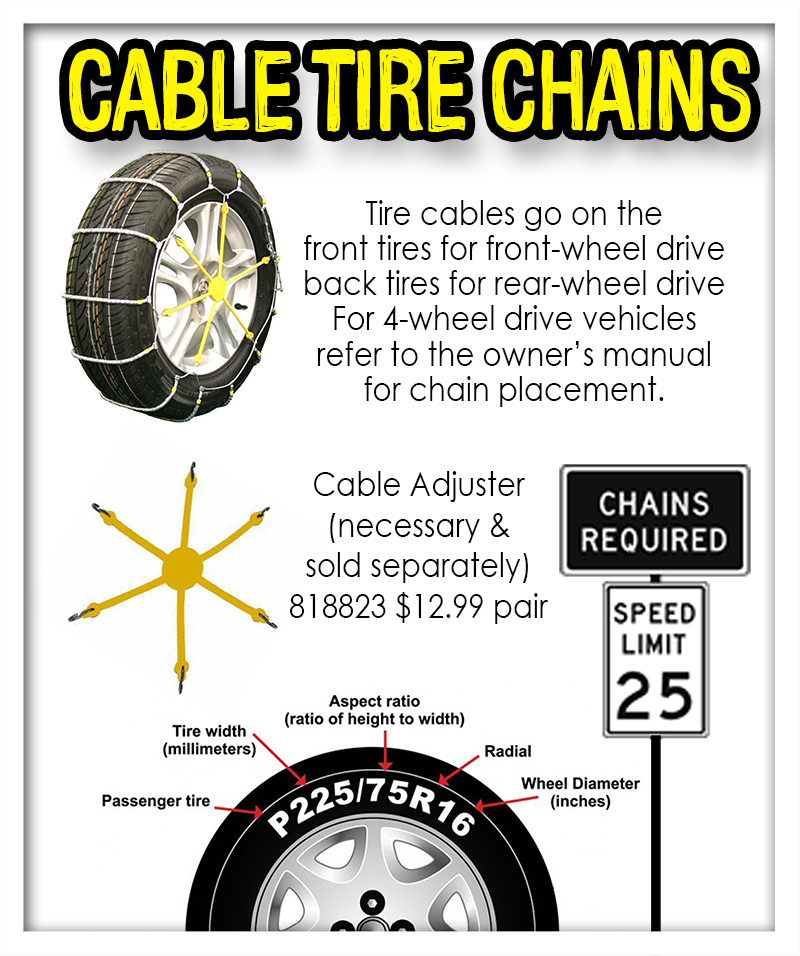
Tire cables do a similar job but are made differently. Instead of thick metal links, tire cables use twisted steel cables, sometimes with metal rollers or small cross pieces. The cables are covered in a layer of alloy or plastic to prevent rust and protect your tires.
Cables are much lighter and take up less space. This makes them popular for smaller cars, people with limited storage, or those who only face light winter weather. Many people choose cables because they are easier to install, especially for beginners.
However, cables don’t last as long as chains and offer less grip. They’re best for emergencies or short trips on icy streets, not for long drives in deep snow. Some states accept cables when chains are required, but not all.
A key point many drivers miss: tire cables are not suitable for heavy vehicles or severe conditions. Using cables on a truck or on mountain roads can cause them to break, leaving you stuck or damaging your tires.
Credit: www.colehardware.com
Key Differences: Tire Chains Vs Tire Cables
To make a smart choice, it helps to see how chains and cables stack up against each other. The main differences come down to material, weight, ease of use, performance, and cost.
| Feature | Tire Chains | Tire Cables |
|---|---|---|
| Material | Hardened steel links | Steel cables with alloy/plastic |
| Weight | Heavy (10–25 lbs per set) | Light (5–10 lbs per set) |
| Traction | Excellent on snow/ice | Good, but less grip |
| Durability | Very durable, reusable | Less durable, can wear fast |
| Installation | Harder, takes practice | Easier, good for beginners |
| Price | Higher | Lower |
Two less obvious points: tire chains often require more clearance between the tire and the wheel well. Some cars, especially newer models, don’t have enough space for chains. Also, chains can be very noisy, while cables are much quieter during use.
Pros And Cons Of Tire Chains
Tire chains offer several clear benefits, but they also have downsides. Here’s a balanced look:
Pros
- Maximum Traction: Chains give the best possible grip on deep snow and ice. They’re often needed in mountain passes or rural areas.
- Long Lasting: With good care, chains can last for years, even with regular use.
- Works for All Vehicles: There are chain options for almost every vehicle type, including large trucks and buses.
- Legal Compliance: In some regions, only chains are legal when chain laws are in effect.
Cons
- Heavy and Bulky: Chains are hard to carry and take up more trunk space.
- Difficult to Install: Putting chains on, especially in cold or wet conditions, can be tricky. Practice before you need them.
- Can Damage Roads and Cars: If used on dry pavement or with little clearance, chains can scratch wheels and damage the road.
- Noisy Ride: Driving with chains is loud and bumpy, which can be tiring on long trips.
One overlooked fact: some modern chains use quick-fit systems that make installation faster, but these often cost more. Also, not all chains fit all tire types, so always double-check before buying.
Pros And Cons Of Tire Cables
Cables are popular for their convenience, but they’re not right for every situation. Here’s what to consider:
Pros
- Lightweight: Easy to carry, install, and remove. Great for people with limited strength.
- Good for Emergencies: Perfect for sudden snow or ice, especially in cities.
- Less Clearance Needed: Can be used on cars with tight wheel wells.
- Lower Cost: Usually cheaper than chains, making them a good option for occasional use.
- Quieter Ride: Less noise and vibration compared to chains.
Cons
- Lower Traction: Not as effective on deep snow or solid ice.
- Wear Out Quickly: Cables can break or fray, especially if used on rough roads.
- Not for Heavy Vehicles: Trucks, SUVs, and vans often need stronger devices.
- Limited Reusability: Most cables are for emergency or short-term use only.
Many drivers don’t realize that if a cable breaks while driving, it can whip around and damage the car’s brakes, suspension, or paint. Always inspect cables before and after use.
Performance In Different Conditions
Traction devices work differently depending on the weather, road type, and your vehicle. Let’s break down how chains and cables perform in common winter driving situations.
Deep Snow
Chains are the clear winner in deep snow. Their thick links dig into soft snow and help push the car forward. Cables can help, but they may get buried or slip more easily.
Packed Ice
Chains with sharp edges or “studs” grip ice better than cables. Some cables add metal rollers for ice, but they still don’t match the bite of a real chain.
Slush And Mixed Roads
On slushy or mixed roads, both chains and cables work, but chains can feel rough and may bounce. Cables are smoother and quieter, but offer less security if you suddenly hit ice.
Dry Pavement
Neither is good for dry roads. Both chains and cables can damage the road, your tires, and your car if left on too long. Remove them as soon as you’re out of snow or ice.
Steep Hills
Chains are better for climbing hills or steep mountain roads. Cables may slip, especially on heavy cars or when towing.
Credit: www.tirechainsrus.com
Legal Requirements And Restrictions
Laws for tire chains and cables depend on where you live or travel. In the United States, mountain states like Colorado, California, and Washington often have chain laws during winter. Some European countries also require chains during snow season.
- Chains Required: In some areas, only chains meet the legal requirement during storms.
- Cables Allowed: Some places accept cables if they are “class S” (low-profile) and approved for passenger vehicles.
- No Metal Devices: A few cities or highways ban chains/cables entirely to protect the road. Always check local rules before your trip.
If you drive a rental car, ask if chains or cables are allowed. Some companies will not cover damage from using these devices.
Choosing The Right Option For Your Vehicle
Picking between tire chains vs tire cables isn’t just about cost or convenience. The right choice depends on your car, your driving environment, and your comfort level.
1. Check Your Vehicle Manual
Some cars, especially with low-profile tires or sports suspensions, cannot use chains or cables. Your manual will list what’s allowed and may even recommend specific brands or types.
2. Know Your Tire Size
Chains and cables are sold by tire width and diameter. Never guess—read the numbers on your sidewall (like 225/60R16) and match them carefully.
3. Think About Clearance
If your car has limited space between the tire and the wheel well, choose cables or “class S” chains. Using the wrong size can cause damage.
4. Consider Your Local Weather
- Frequent, Heavy Snow: Choose strong chains for safety and durability.
- Rare, Light Snow: Cables may be enough for emergencies.
- Mountain Driving: Always carry chains, even if you have cables.
5. Assess Your Strength And Skills
Installing chains can be hard, especially on the roadside in bad weather. If you have physical limitations or want an easier option, cables are often simpler.
6. Read Reviews And Ask Locals
Sometimes the best advice comes from people who drive your roads every winter. Ask neighbors, mechanics, or local forums for real-world recommendations.
Credit: www.youtube.com
Installation And Maintenance
Using tire chains or cables safely takes more than just buying and tossing them in your trunk. Practice and proper care are key.
How To Install Tire Chains
- Lay Out the Chains: Untangle and spread them flat.
- Position Chains on Tire: Drape them over the top of the tire, making sure the hooks face outward.
- Connect the Inside Link: Reach around the back of the tire to hook the first fastener.
- Connect the Outside Link: Fasten the outside and center the chain.
- Tighten: Use tensioners or adjusters to remove slack.
- Drive a Few Feet: Roll forward, check, and retighten as needed.
Pro tip: Practice in your driveway before you need them. It’s much easier to learn in daylight and dry conditions.
How To Install Tire Cables
- Lay Out the Cables: Untangle and lay flat.
- Position Over Tire: Center the cable on top of the tire.
- Connect the Inside Fastener: Secure behind the tire.
- Connect the Outside Fastener: Pull tight and lock in place.
- Adjust and Secure: Use any tension bands provided.
- Test Drive: Move forward a few feet and check for tightness.
Insight: Cables can loosen quickly. Always stop after the first mile to check and retighten.
Maintenance Tips
- Rinse After Use: Salt and road grit can rust chains and cables. Rinse and dry before storing.
- Check for Damage: Look for broken links or frayed cables before each use.
- Store Properly: Keep in a dry bag or box in your trunk.
- Lubricate: A light spray of oil can prevent rust on metal parts.
Cost Comparison
Cost is an important factor, but it’s not the only thing to think about. Chains are more expensive up front but last longer. Cables are cheaper but wear out faster.
| Product Type | Average Price (USD) | Expected Lifespan |
|---|---|---|
| Tire Chains | $60 – $150 per pair | 3–8 years (with care) |
| Tire Cables | $30 – $80 per pair | 1–3 years (light use) |
Buying tip: Don’t just look for the cheapest set. Read reviews and check for warranties. Some high-quality cables now come with extra reinforcements to last longer.
Common Mistakes And How To Avoid Them
Even experienced drivers make mistakes with chains and cables. Here are some to watch for:
- Wrong Size: Always double-check your tire size and clearance.
- Poor Installation: Loose chains or cables can fall off and cause damage.
- Leaving Devices On: Driving on dry roads with chains/cables can ruin your tires and the devices.
- Ignoring Local Laws: Know the rules before you travel, especially to mountain areas.
- Not Practicing: Learning in a snowstorm is much harder than at home.
Helpful reminder: If you have a front-wheel drive car, put chains/cables on the front tires. For rear-wheel drive, put them on the back. With all-wheel drive, follow your manual’s advice—usually the front or all four.
Real-world Examples
Let’s look at how different drivers use chains and cables:
- Anna, Colorado: She drives through mountain passes every week. She uses heavy-duty chains on her SUV and practices installing them each fall. She says chains have saved her from sliding off the road many times.
- Mike, Chicago: He only faces snow a few times a year. He keeps cables in his trunk for emergencies. They’re light, easy to install, and have helped him get home during icy commutes.
- The Johnson Family, Seattle: Their car manual only allows “class S” cables. They tried using chains once but damaged their brake line. Now they stick with cables for short trips to the ski area.
These stories show why it’s important to match your traction device to your vehicle and driving environment.
Innovations And Alternatives
Technology is always moving forward. Recent years have seen new products that try to combine the best of both worlds.
- Composite Chains: Made from strong plastics and metals, these offer good grip and easier installation. They cost more but are quieter and lighter.
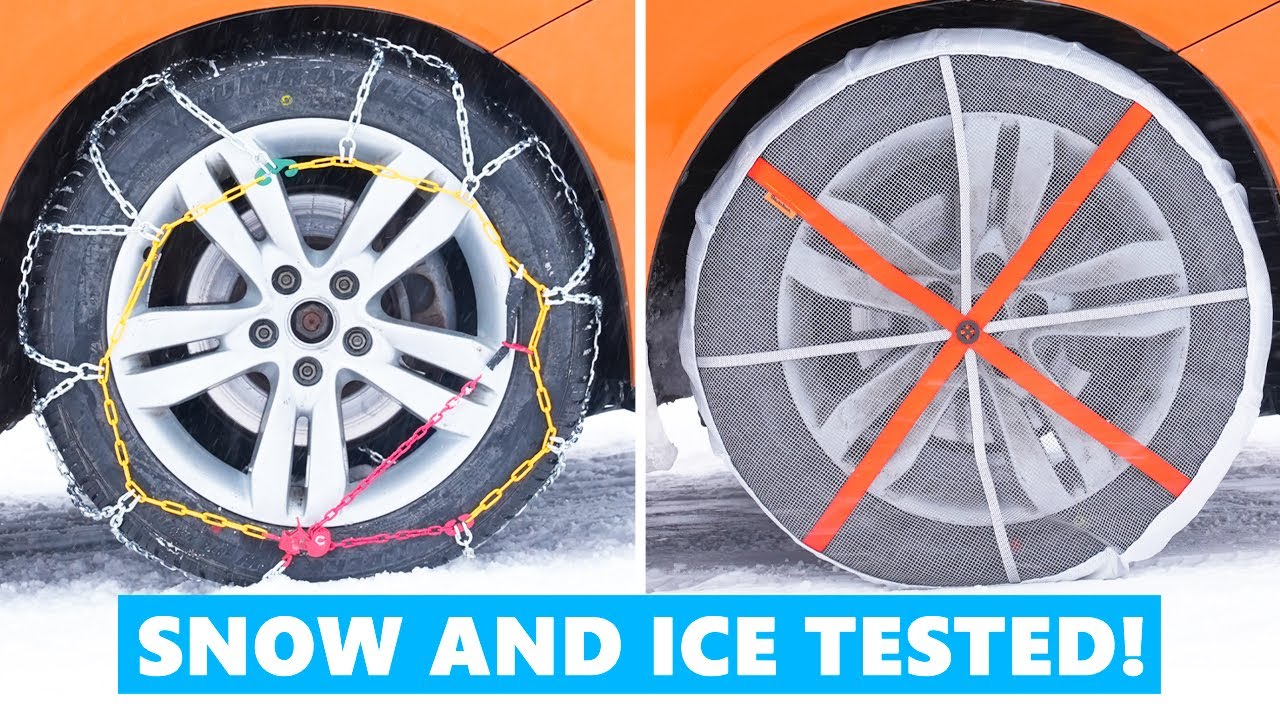
- Textile “Socks”: Made from fabric, they slip over the tire and work for very light snow. They’re legal in some countries but not all.
- Automatic Chains: Some trucks have devices that spin chains under the tire with the push of a button. These are expensive and not for most passenger cars.
Insight: No matter how advanced the device, nothing replaces careful driving. Even with chains or cables, drive slowly and leave extra room to stop.
Environmental Impact
Chains and cables both have an effect on the environment and the road.
- Chains can damage asphalt and concrete, creating ruts and potholes.
- Cables are gentler but still wear down roads over time.
- Broken pieces left on the road can puncture other tires and create hazards.
Some cities ban chains to reduce road damage and maintenance costs. Always dispose of old chains/cables responsibly—do not leave them by the roadside.
Frequently Asked Questions
What Are Tire Chains And When Should I Use Them?
Tire chains are strong metal devices that wrap around your tires to give extra grip on snow and ice. Use them when driving in deep snow, on mountain passes, or when chain laws require them. Always remove chains when you return to dry pavement.
Can I Use Tire Cables Instead Of Chains?
In many cases, yes. Tire cables are allowed where chains are required, especially for passenger cars. But they don’t offer as much traction or durability. Always check your local laws and your vehicle manual to be sure.
How Fast Can I Drive With Chains Or Cables?
Most manufacturers recommend a maximum speed of 30 mph (50 km/h) with chains or cables. Driving faster can cause them to break or damage your vehicle.
Do Tire Chains Or Cables Fit All Vehicles?
No. Some cars, especially with tight wheel wells or special tires, cannot use chains or cables. Always check your owner’s manual and measure your tire clearance before buying.
Where Can I Learn More About Winter Traction Devices?
You can find more information and state-by-state laws from organizations like the Wikipedia: Tire Chain page.
Driving in winter doesn’t have to be scary. With the right knowledge and preparation, you can choose the best traction device for your car and stay safe even on the iciest roads. Whether you pick tire chains for maximum grip or tire cables for convenience, remember that smart driving and regular practice matter just as much as your equipment.