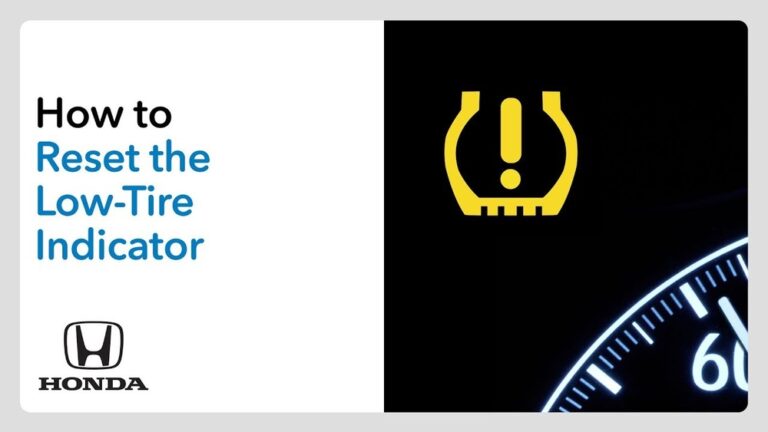
A small yellow light flashes on your dashboard. It looks like a horseshoe with an exclamation mark inside. You ignore it for a minute, but soon, it catches your eye again—and keeps flashing. This is your tire pressure light. Many drivers panic when they see it, but understanding what a flashing tire pressure light means can save you stress, money, and even keep you safe on the road.
Let’s break down why this warning appears, what you should do about it, and how to avoid common mistakes. By the end, you’ll feel confident next time that light flashes.
What Is The Tire Pressure Light?
The tire pressure monitoring system (TPMS) is a safety feature in modern vehicles. It checks the air pressure in your tires. If one or more tires drop below (or sometimes above) the recommended level, the warning light turns on.
There are two main types of tire pressure lights:
- Solid light: This means one or more tires are outside the safe pressure range.
- Flashing light: This usually means there’s a problem with the TPMS system itself, not just low pressure.
The TPMS symbol is almost universal: a horseshoe shape with an exclamation point. If you’re not sure, check your vehicle’s manual for the exact symbol.
Why Does The Tire Pressure Light Flash?
A flashing tire pressure light is different from a steady one. When you start your car and the light flashes for about 60–90 seconds, then stays on, your TPMS system is trying to tell you something is wrong with its sensors or communication—not just with your tire pressure.
Common Causes Of A Flashing Tpms Light
- TPMS sensor malfunction: Each tire has a sensor that reads pressure. If one fails, the system can’t get accurate data.
- Dead sensor battery: Most TPMS sensors use small batteries that last 5–10 years. When they die, the sensor stops working.
- Signal interference: Electronics, wireless devices, or even cold weather can disrupt the signal from the sensors.
- TPMS control module problem: The central computer that reads all the sensors may develop a fault.
- Sensor not detected: If you’ve just changed or rotated your tires, a sensor might not be recognized by the system.
When the light flashes, it’s your car’s way of saying, “I can’t read tire pressures reliably. Please check the system. ”
What Should You Do When The Tire Pressure Light Flashes?
Don’t ignore a flashing tire pressure light. Here’s what you should do, step by step:
- Check all tires with a gauge: Even if the issue is with the system, a tire could still be flat or low.
- Inflate tires to recommended pressure: Find the recommended PSI (pounds per square inch) in your car’s manual or on the driver’s door sticker. Adjust as needed.
- Drive a few miles: Sometimes, after correcting the pressure, the light will reset after driving a few miles.
- Note if the light stays solid or keeps flashing: A solid light after fixing the pressure means the TPMS is working, but you still have a tire issue. If it keeps flashing, the system needs attention.
- Visit a trusted mechanic or tire shop: If the light continues to flash, get the system diagnosed. Most shops have tools to read TPMS error codes.
Why You Shouldn’t Ignore The Flashing Light
Driving with a TPMS system that isn’t working means you might not know when a tire is dangerously low. This increases your risk of a blowout or losing control of your car.
How Tpms Works: Direct Vs. Indirect Systems
There are two main types of TPMS systems in modern cars. Knowing which one you have helps you understand what a flashing light means.
| Type | How It Works | Common in | Flashing Light Cause |
|---|---|---|---|
| Direct TPMS | Uses sensors in each tire to measure pressure | Most cars since 2007 (US & Europe) | Sensor or battery failure |
| Indirect TPMS | Uses ABS wheel speed sensors to estimate pressure | Some newer or budget cars | Sensor or ABS issue |
Direct TPMS gives actual pressure readings. Indirect TPMS estimates pressure by how fast each tire spins (a low tire is smaller and spins faster). Both systems can flash if they can’t communicate with their sensors.

Credit: www.santacruztoyota.com
The Difference Between Solid And Flashing Tire Pressure Lights
Many drivers confuse the meanings. Here’s a quick comparison:
| Light Status | What It Means | What to Do |
|---|---|---|
| Solid | At least one tire is low/high pressure | Check and adjust tire pressures |
| Flashing | TPMS system problem (sensor, battery, or module) | Check tires, then get system checked |
If you see the light flash and then go solid, both steps are important: check pressure and have the system checked.
How To Reset The Tire Pressure Light
Sometimes, after fixing a tire or inflating it, the light stays on. Here’s how you can reset it:
- Drive at least 10 minutes at 50 km/h (30 mph): Many systems reset automatically.
- Use the reset button: Some cars have a TPMS reset button under the steering wheel or in the glove box. Hold it until the light blinks three times.
- Turn the ignition on and off: Start the car, wait 20 seconds, then turn it off.
- Disconnect the battery: Only as a last resort, disconnect the negative battery cable for 10 minutes, then reconnect. This resets the car’s computers.
- Use a TPMS tool: Tire shops have special tools to reset and reprogram the sensors.
If the light won’t go away, it’s probably a sensor or system fault—not just a low tire.
Common Mistakes Drivers Make With Tpms Lights
Most people assume the tire pressure light is just a “reminder.” This can be dangerous. Here are mistakes to avoid:
- Ignoring a flashing light: This means the system can’t protect you.
- Trusting the system over a manual check: TPMS isn’t perfect. Use a gauge to double-check.
- Thinking it’s just a cold weather thing: Tire pressure drops in cold, but a flashing light is a system problem, not just air pressure.
- Not rotating or replacing sensors: Sensors wear out. Replace them every 5–10 years.
- Using sealants without care: Some tire sealants clog or damage TPMS sensors.
Is It Safe To Drive With A Flashing Tire Pressure Light?
If you’ve checked your tires and they’re all properly inflated, driving a short distance is usually safe. However, you won’t be alerted if a tire suddenly loses air. Long-term, it’s risky and can lead to bigger repair bills.
Two important insights:
- Most car insurance does not cover damages from driving with a known warning light. If an accident occurs and it’s found you ignored the TPMS warning, you might not be protected.
- TPMS systems are legally required in many countries. A broken system can cause your car to fail inspections.

Credit: carista.com
Cost Of Fixing A Flashing Tire Pressure Light
The cost depends on the problem:
| Issue | Average Cost (USD) | Notes |
|---|---|---|
| Sensor replacement (each) | 50–150 | Usually 4 sensors per car |
| Reprogramming/reset | 20–50 | Sometimes free at tire shops |
| TPMS module replacement | 200–500 | Rarely needed |
If your car is over 5 years old, it’s normal for sensor batteries to start dying.
How To Prevent Tpms Problems
You can avoid most TPMS issues with simple habits:
- Check tire pressure monthly: Don’t rely only on the warning light.
- Rotate tires regularly: Every 5,000–8,000 miles (8,000–13,000 km).
- Replace sensors as needed: Most last 5–10 years.
- Avoid overusing tire sealants: These can damage sensors.
- Fix flat tires quickly: Driving on a flat damages both tire and sensor.
Pro tip: When replacing tires, ask the shop to check the sensors and replace batteries if needed. This can save money in the long run.
When To See A Mechanic
While some TPMS resets are simple, others require professional tools. See a mechanic if:
- The light flashes every time you start the car.
- You’ve checked all tires and the light won’t reset.
- You recently changed or rotated tires, and the light started flashing.
- You’re unsure which sensor is bad.
A professional can diagnose the exact sensor or module that’s causing the issue.
The Importance Of Correct Tire Pressure
Driving with the right tire pressure is about more than just avoiding a warning light. It affects:
- Safety: Underinflated tires heat up and can blow out. Overinflated tires lose grip.
- Fuel economy: Properly inflated tires can improve mileage by up to 3%.
- Tire life: Correct pressure can extend tire life by 25% or more.
- Handling and braking: Even one low tire can increase stopping distance.
The National Highway Traffic Safety Administration (NHTSA) reports that underinflated tires cause over 700 accidents a year in the US alone.
For more details on tire safety, you can visit the NHTSA Tire Safety page.

Credit: www.wikihow.com
Frequently Asked Questions
What Does It Mean If The Tire Pressure Light Is Flashing, Then Stays Solid?
A flashing light means a problem with the system. If it stays solid after flashing, it’s both a system issue and a real tire pressure problem. Check all tires and visit a mechanic.
Can I Reset The Tpms Light Myself?
Yes, in many cars, you can reset the TPMS by inflating all tires to the correct pressure and driving for 10–20 minutes. Some cars have a reset button. But if the light flashes, a sensor or system may need repair.
Do I Need To Replace All Tpms Sensors At Once?
Not always. You can replace just the faulty sensor, but if your car is over 5 years old, the others may die soon. Replacing all at once can save on labor costs.
Will A Flashing Tire Pressure Light Affect My Car’s Inspection?
Yes, in many regions, a faulty TPMS can cause your car to fail safety or emissions inspections. It’s best to fix it before your next test.
Is It Expensive To Fix A Tpms System?
The cost depends on the problem. Replacing one sensor usually costs $50–$150. Reprogramming is cheaper, but a new TPMS module can be $200–$500.
A flashing tire pressure light is more than a small annoyance. It’s your car’s way of protecting you from unseen dangers. By understanding what it means and what actions to take, you keep yourself, your passengers, and your car safer.
Don’t ignore this important warning—handle it with the same care you give to brakes or engine lights. The peace of mind is worth it.