Firestone Vs Cooper Tires: A Complete Guide For Car Owners
Choosing the right tires for your vehicle is more than just picking a popular brand. It’s about safety, comfort, value, and performance in every drive. Two well-known names, Firestone and Cooper Tires, have been trusted by millions of drivers for decades. But which one fits your needs best? This article explains everything you need to know to make a smart decision, even if you’re new to buying tires.
Both brands make quality products, but there are real differences in their history, technology, and how they perform in daily life. Many car owners focus only on price or what their mechanic says. However, understanding the details can save you money, improve your driving experience, and even keep your family safer on the road.
Let’s look deeper into Firestone and Cooper Tires. We will compare their strengths, types of tires, warranties, and even what real customers say. By the end, you’ll have all the facts—and a few insights most beginners miss—to choose your next set of tires with confidence.
Brand Backgrounds
Knowing where each brand comes from helps you understand their approach to quality and innovation.
Firestone: A Legacy Brand
Firestone started in 1900. It became famous after supplying tires to Ford’s Model T—one of the first mass-produced cars. Over the years, Firestone became part of Bridgestone, a Japanese company and one of the world’s largest tire makers. This partnership gave Firestone access to advanced technology and global resources.
Today, Firestone focuses on making tires for everyday drivers. Their products are found in regular cars, trucks, SUVs, and even some racing vehicles. Many drivers trust Firestone for its long history and wide service network across North America.
Cooper Tires: American-made Value
Cooper Tires began in 1914 in Ohio, USA. Unlike some big brands, Cooper stayed independent for more than 100 years. In 2021, Goodyear bought Cooper, but the brand still keeps its unique style—focusing on American-made tires and affordable quality.
Cooper Tires are popular with drivers who want good performance but don’t want to pay premium prices. Many Cooper models are made in the USA, which appeals to people who prefer domestic products.
Product Range And Types
Both brands make a wide range of tires, but their focus is a bit different. Here’s a closer look at what they offer.
Firestone Tire Types
- All-Season Tires: Designed for year-round use, with good grip in wet and dry conditions. Example: Firestone Champion Fuel Fighter.
- Performance Tires: For sporty driving and better handling at higher speeds. Example: Firehawk Indy 500.
- Touring Tires: Built for comfort and quiet on highways. Example: Firestone Destination LE3.
- Winter Tires: Special rubber for ice and snow. Example: Firestone Winterforce 2.
- Truck/SUV Tires: Extra durability for bigger vehicles. Example: Firestone Destination A/T2.
Cooper Tire Types
- All-Season Tires: Versatile tires for most weather. Example: Cooper CS5 Ultra Touring.
- Performance Tires: Enhanced grip for sporty cars. Example: Cooper Zeon RS3-G1.
- Touring Tires: Focused on low noise and comfort. Example: Cooper Evolution Tour.
- Winter Tires: Designed for snow and icy roads. Example: Cooper Discoverer True North.
- Truck/SUV Tires: Strong tread for off-road and heavy vehicles. Example: Cooper Discoverer AT3 4S.
Key Differences In Product Range
- Firestone has a wider selection for commercial vehicles and fleet use, thanks to Bridgestone’s support.
- Cooper is strong in light truck and SUV tires, especially for off-road adventures.

Credit: www.discountedwheelwarehouse.com
Performance: Real-world Testing
Tire performance is about more than just looks. It affects safety, gas mileage, noise, and comfort. Here’s how Firestone and Cooper compare in key areas.
Dry Traction
Both brands offer reliable grip on dry roads, but some models stand out:
- Firestone Firehawk Indy 500 is known for its sporty handling.
- Cooper Zeon RS3-G1 offers similar high-performance handling but at a lower price.
Wet Traction
Wet roads are dangerous with poor tires. Here, Firestone often leads, thanks to its water-channeling tread designs. For example, the Champion Fuel Fighter gets high marks in rain. Cooper’s CS5 Ultra Touring is also strong, but may not clear water as quickly during heavy rain.
Snow And Ice
Winter tires are a must in cold climates. Both brands have special compounds for snow:
- Firestone Winterforce 2: Excellent in snow, with deep grooves.
- Cooper Discoverer True North: Good for ice and slush, with a softer tread that stays flexible in cold.
Ride Comfort And Noise
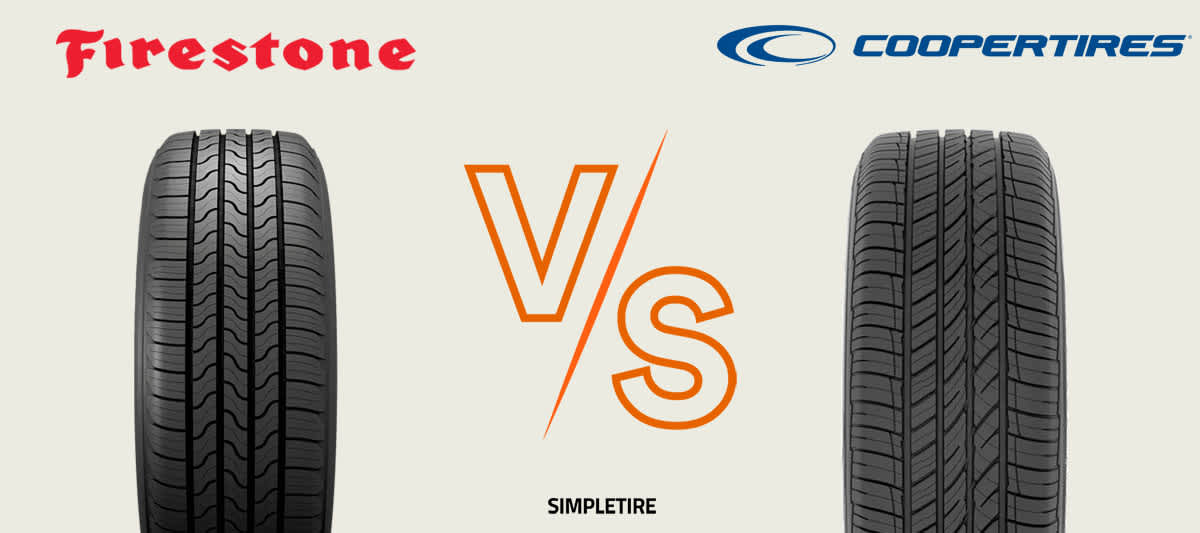
Most drivers want a quiet, smooth ride. Here, both brands perform well, but Cooper’s touring tires often run quieter, especially at highway speeds. Firestone’s touring tires are comfortable but may be slightly noisier on rough roads.
Tread Life
Long-lasting tires save money. Cooper often uses harder rubber compounds, so their tires can last longer if rotated regularly. Firestone’s high-mileage models, like the Champion Fuel Fighter, also last well, but some sportier models may wear faster.
Handling And Braking
On curves and in emergency stops, both brands do well. Firestone’s performance tires are a bit sharper for sporty drivers, while Cooper’s strength is in balanced, predictable handling.
Warranty And Customer Support
Tire warranties protect your purchase and show how much a company trusts its product. Let’s compare the typical coverage.
Firestone Warranties
Most Firestone tires come with:
- Treadwear Warranty: 40,000 to 70,000 miles, depending on model
- Materials & Workmanship: 5 years
- 30-Day Buy & Try Guarantee: If you’re not happy, you can exchange them
Cooper Warranties
Cooper offers:
- Treadwear Warranty: 40,000 to 80,000 miles (some of the longest in the industry)
- Materials & Workmanship: 5 years
- 45-Day Road Test: Try them for 45 days, return if not satisfied
Customer Service
Both companies have nationwide dealer networks. Firestone has more retail locations, while Cooper relies on independent shops. Firestone’s direct stores may make warranty service easier in big cities, but Cooper’s dealers often offer more personal attention.
Price Comparison
For many buyers, price is a key factor. While prices can change based on size and dealer, here’s a general comparison.
| Type | Firestone (per tire) | Cooper (per tire) |
|---|---|---|
| All-Season | $100 – $160 | $90 – $150 |
| Performance | $130 – $200 | $120 – $180 |
| Touring | $110 – $170 | $100 – $160 |
| Winter | $110 – $180 | $110 – $170 |
| Truck/SUV | $140 – $230 | $130 – $210 |
Cooper Tires often cost a bit less than Firestone, especially for mid-range and touring tires. However, discounts and promotions can change the final price.
Technology And Innovation
Choosing a tire isn’t just about the rubber. The technology inside affects safety and performance.
Firestone Innovations
Firestone uses Pulse Groove Technology in some wet-weather tires, which helps push water out from under the tire. Their Fuel Fighter compound lowers rolling resistance, saving gas.
Cooper Innovations
Cooper is known for Stabiledge™ Technology, which improves handling and keeps the tread stable for longer wear. Their winter tires use a unique silica compound for extra grip in freezing weather.
Not-so-obvious Insights
- Tire Age Matters: Even if a tire looks new, rubber can get hard after 6 years. Always check the DOT code for the manufacturing date when you buy.
- Rotation Affects Warranty: Skipping regular tire rotation can void your treadwear warranty. Both brands require proof of rotation for claims.
Safety Ratings And Tests
Independent groups test tires for safety and quality. Here’s a look at results from trusted organizations.
| Model | Wet Braking (ft, 60-0 mph) | Snow Traction (1-10) | Consumer Reports Overall Score |
|---|---|---|---|
| Firestone Champion Fuel Fighter | 133 | 7 | 66 |
| Cooper CS5 Ultra Touring | 130 | 8 | 69 |
| Firestone WeatherGrip | 132 | 8 | 68 |
| Cooper Discoverer AT3 4S | 135 | 9 | 72 |
- Cooper models often score higher for snow traction and overall value.
- Firestone models are strong in wet braking and consistency.
Customer Reviews And Experiences
Real-world feedback shows how tires perform over thousands of miles, not just in lab tests.
Firestone: What Customers Say
- Strengths: Reliable in all weather, easy to find, smooth ride.
- Weaknesses: Some users report more road noise after 20,000 miles, especially with performance models.
- Example: Many drivers praise the Destination LE3 for long tread life and safe handling, but mention that the ride gets rougher as the tire ages.
Cooper: What Customers Say
- Strengths: Quiet ride, good value, strong winter performance.
- Weaknesses: Some models may feel less “sporty” in sharp turns, and a few users mention that tread wears faster if not rotated often.
- Example: The Discoverer AT3 4S gets excellent reviews for comfort and all-weather traction, especially in snowy regions.
Not-so-obvious Insights
- Tire Pressure is Critical: Both brands’ tires can lose grip and wear out faster if not kept at the right pressure.
- Load Ratings Matter: If you carry heavy loads or tow, check the tire’s load index—not all tires from either brand can handle extra weight.
Credit: simpletire.com
Who Should Choose Firestone?
Firestone is a good pick if you want:
- A long-standing, trusted brand
- Wide availability at major chains and dealers
- Strong wet-weather performance
- Fleet or commercial vehicle tires
- Racing heritage (for enthusiasts who want sportier options)
Firestone is also a smart choice if you prefer dealing with a direct, branded store for support or warranty claims.
Who Should Choose Cooper Tires?
Cooper is ideal for drivers who want:
- American-made products
- Lower prices with high value
- Excellent snow and winter performance
- Strong options for trucks and SUVs
- Long treadwear warranties
Cooper is also worth considering if you live in a small town or rural area, where independent dealers often sell and support Cooper tires.
Credit: mycarslab.com
Comparing Firestone And Cooper: Quick Summary
Here’s a side-by-side view to help you decide quickly:
| Feature | Firestone | Cooper |
|---|---|---|
| Parent Company | Bridgestone (Japan) | Goodyear (USA) |
| Founded | 1900 | 1914 |
| Made in USA | Some models | Many models |
| Price | Medium | Low-Medium |
| Best For | Wet, fleet, performance | Snow, value, trucks |
| Longest Warranty | 70,000 miles | 80,000 miles |
| Retail Support | Large, direct | Independent dealers |
Common Mistakes When Buying Tires
- Ignoring Tire Size: Always check your car’s manual or the sticker on your driver’s door. The wrong size can affect safety and handling.
- Focusing Only on Price: Cheap tires may wear faster, get noisy, or perform poorly in bad weather.
- Skipping Rotation: Not rotating your tires every 5,000-7,000 miles can void your warranty and lead to uneven wear.
- Not Checking Tread Patterns: Different patterns suit different weather. All-season is not always enough for harsh winters.
- Forgetting About Load Ratings: Carrying heavy loads with tires not designed for it can cause blowouts.
How To Choose Between Firestone And Cooper
- List your needs: Do you drive mostly on highways, city streets, or off-road?
- Check local weather: Live with lots of rain or snow? Prioritize wet or winter performance.
- Set a budget: Decide how much you can spend. Remember that paying a bit more often gets you a longer-lasting, safer tire.
- Read reviews: Check what drivers in your area say about each model.
- Ask about service: See which brand is easier to get warranty or support for in your city.
Environmental And Sustainability Factors
Both companies are making efforts to be greener:
- Firestone uses “eco-friendly” compounds in some models, reducing rolling resistance and saving gas.
- Cooper has programs to recycle old tires and uses less oil in some compounds.
If you want to learn more about tire sustainability, visit the EPA’s Sustainable Tire Management page.
Frequently Asked Questions
Are Firestone Or Cooper Tires Better For Winter Driving?
Both brands make quality winter tires. Cooper Discoverer True North and Firestone Winterforce 2 are strong choices, but Cooper’s winter models often get slightly better reviews for ice and deep snow.
Which Tires Last Longer, Firestone Or Cooper?
Cooper Tires often have longer treadwear warranties—up to 80,000 miles. But real-life mileage depends on your driving style, regular rotation, and road conditions.
Are Firestone Tires More Expensive Than Cooper?
Usually, Firestone tires cost a bit more, especially for high-performance or specialty models. Cooper is known for better value and sometimes offers longer warranties for the price.
Can I Mix Firestone And Cooper Tires On My Car?
It’s best to use the same brand and model on all wheels for even handling and braking. Mixing brands can affect your car’s performance, especially in rain or snow.
Where Are Firestone And Cooper Tires Made?
Firestone makes tires in the USA and other countries, as part of Bridgestone. Cooper produces many tires in the USA, with some factories in other countries. Always check the sidewall for the country of origin.
Buying tires is a big decision, but now you have the facts. Both Firestone and Cooper make excellent tires, but the best choice depends on your needs, budget, and driving style. Take your time, ask questions, and you’ll enjoy safer, smoother travels for years to come.