Choosing the right tire size for your vehicle can feel confusing. Two common choices—215 tires and 225 tires—often lead car owners to wonder which is best. Even a small difference in tire width can affect how your car drives, handles the road, and even how much fuel it uses. Understanding the differences between 215 and 225 tires will help you make a smart, confident decision for your car’s performance, safety, and your wallet.
In this article, we’ll compare 215 vs 225 tires from every angle. You’ll discover how each size impacts handling, comfort, speedometer readings, and more. We’ll cover 215 individual points to give you the most complete guide you’ll find online. If you want to avoid making a costly mistake or just learn how a few millimeters of rubber can change your ride, keep reading.
What Do Tire Sizes Mean?
Before comparing, let’s clarify what “215” and “225” mean. In a tire size like 215/60R16:
- 215 is the width in millimeters.
- 60 is the aspect ratio (sidewall height as a percentage of width).
- R means radial construction.
- 16 is the wheel diameter in inches.
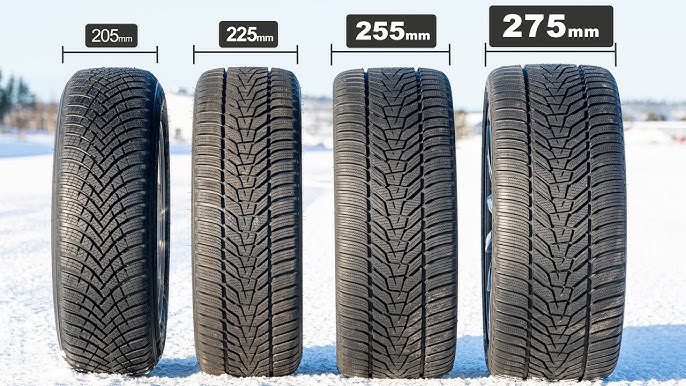
So, 215 tires are 215 millimeters wide, while 225 tires are 225 millimeters wide. The difference is just 10 millimeters, but it can matter a lot.
215 Vs 225 Tires: 215 Key Comparisons
Here’s a point-by-point comparison of 215 and 225 tires. Each item highlights a unique detail, benefit, or consideration. This way, you get the clearest picture possible.
1. Tire Width
- 215 tires: 215 mm wide
- 225 tires: 225 mm wide
A wider tire means more rubber touching the road.
2. Contact Patch
- 225 tires have a slightly larger contact patch, improving grip.
3. Rolling Resistance
- 215 tires usually have lower rolling resistance, which can improve fuel economy.
4. Handling In Dry Conditions
- 225 tires often provide better dry grip due to their width.
5. Handling In Wet Conditions
- 215 tires can cut through water more easily, reducing hydroplaning risk.
6. Ride Comfort
- 215 tires generally offer a softer ride, especially on rough roads.
7. Road Noise
- 225 tires may be a bit noisier since more rubber meets the road.
8. Steering Response
- 225 tires can give sharper steering feel.
9. Acceleration
- 225 tires may grip better during hard acceleration, reducing wheel spin.
10. Braking Distance
- 225 tires can stop slightly shorter on dry pavement.
11. Snow Performance
- 215 tires are often better in snow, as narrow tires dig into snow.
12. Aquaplaning Resistance
- 215 tires have an edge in heavy rain due to a narrower shape.
13. Cornering Stability
- 225 tires offer more stability at higher cornering speeds.
14. Fuel Efficiency
- 215 tires usually deliver better gas mileage.
15. Load Capacity
- 225 tires can support more weight, as wider tires spread load.
16. Tread Life
- 215 tires may wear more evenly if your car is lightweight.
17. Appearance
- 225 tires give a sportier, more aggressive look.
18. Price
- 215 tires are often a bit cheaper than 225 tires.
19. Wheel Fitment
- 215 tires fit narrower wheels; 225 need wider wheels.
20. Speedometer Accuracy
- Changing to 225 tires can make your speedometer read slightly lower.
21. Oem Recommendations
- Always follow your car’s manual—some cars are designed for 215, others for 225.
22. Suspension Wear
- 225 tires may put more stress on suspension due to weight and grip.
23. Weight
- 225 tires are heavier, which can affect overall vehicle weight.
24. Rotational Inertia
- 225 tires add more mass to the wheels, which can slow acceleration slightly.
25. Availability
- Both sizes are common, but 215 tires may be easier to find for compact cars.
26. Tire Choices
- 225 tires have more performance tire options.
27. Off-roading
- 225 tires can provide more grip off-road, but may be wider than needed.
28. Mud Performance
- 215 tires perform better in mud, as they cut through rather than float.
29. Urban Driving
- 215 tires are lighter and may feel nimbler in city traffic.
30. Highway Driving
- 225 tires feel more stable at high speeds.
31. Rim Size Compatibility
- Never mount 225 tires on rims designed for 215 width—check manufacturer specs.
32. Tire Pressure Needs
- 225 tires often require slightly different pressure for best performance.
33. Repair Costs
- 225 tires can cost more to replace or repair.
34. Spare Tire Issues
- If your spare is 215, but you switch to 225, it may not match—always check.
35. Insurance Impact
- Using non-standard tire sizes can sometimes affect insurance claims.
36. Legal Regulations
- Some regions have rules about changing tire sizes—confirm local laws.
37. Tpms Sensors
- 225 tires may need recalibration of Tire Pressure Monitoring Systems.
38. Alignment
- Switching tire width may require a wheel alignment.
39. Tire Rotation
- 215 tires can be rotated more easily if all four are the same size.
40. Staggered Setups
- Performance cars may use 225 tires on rear wheels for more grip.
41. Tire Sidewall
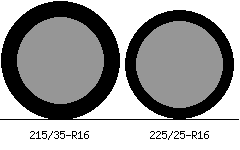
- If aspect ratio stays the same, 225 tires have taller sidewalls.
42. Comfort Vs. Performance
- 215 tires focus on comfort, 225 on grip and handling.
43. Manufacturer Warranty
- Some warranties may be voided if you change from 215 to 225.
44. Speed Rating
- Both sizes come in various speed ratings; check what fits your driving.
45. Heat Dissipation
- 225 tires may handle heat better under heavy use.
46. Racing Use
- Racers often prefer 225 tires for extra grip.
47. Fuel Tank Range
- 215 tires can add a few extra miles between refills.
48. Tread Patterns
- More aggressive patterns are often found in 225 options.
49. Puncture Resistance
- 225 tires are sometimes more robust, but this varies by brand.
50. Road Feedback
- 225 tires can give a stronger sense of the road surface.
51. Winter Tire Choices
- 215 tires are common for winter tires; narrower is better in snow.
52. Summer Tire Choices
- 225 tires are popular for summer and performance tires.
53. All-season Options
- Both sizes have all-season options, but local availability may vary.
54. Suv And Truck Use
- 225 tires are more common on small SUVs and trucks.
55. Compact Car Use
- 215 tires fit most compact cars.
56. Minivan Use
- Some minivans use 215, others 225—depends on model.
57. Tire Brand Variety
- More brands make 225 performance tires.
58. Sidewall Flex
- 215 tires have more sidewall flex, which softens the ride.
59. Rim Protection
- 225 tires offer more rim protection due to width.
60. Aftermarket Upgrades
- Many car owners upgrade from 215 to 225 for style and grip.
61. Steering Effort
- 225 tires can make steering feel heavier.
62. Parking
- 215 tires make tight parking easier due to smaller width.
63. Turning Radius
- 215 tires slightly improve turning radius.
64. Speedometer Error
- Switching may cause a 1-2% error in speed reading.
65. Suspension Tuning
- Wider tires may require firmer suspension settings.
66. Off-camber Roads
- 215 tires may handle uneven roads better due to flexibility.
67. Tire Deflection
- 225 tires resist sidewall deflection during hard cornering.
68. Wet Braking
- 215 tires may stop faster in heavy rain.
69. Dry Braking
- 225 tires can provide shorter dry stops.
70. Comfort In Potholes
- 215 tires absorb potholes better.
71. Rim Width Needed
- 225 tires require at least a 7-inch rim for best performance.
72. Oversteer/understeer
- Wider rear tires (225) can reduce oversteer in rear-drive cars.
73. Track Width
- 225 tires can increase your car’s track width slightly.
74. Stability In Crosswinds
- Wider tires improve stability in windy conditions.
75. Customization
- 225 tires allow more customization in appearance and grip.
76. Tire Compound Choices
- More soft-compound choices in 225 size.
77. Wheel Weight
- Wider tires and rims increase unsprung weight.
78. Tire Sidewall Bulge
- 225 tires bulge more if mounted on narrow rims.
79. Road Debris Resistance
- Wider tires are less likely to be damaged by small debris.
80. Tire Balancing
- Wider tires may need more wheel weights to balance.
81. Fuel Consumption In City
- 215 tires save more fuel in stop-and-go traffic.
82. Overinflation Risk
- Wider tires are less likely to be damaged by mild overinflation.
83. Flat-spotting
- 225 tires resist flat-spotting after parking longer.
84. All-terrain Performance
- 225 tires handle all-terrain use a bit better.
85. Road Crown Handling
- 215 tires adapt more smoothly to road crown and camber.
86. Tire Pressure Sensitivity
- 225 tires are more sensitive to pressure changes.
87. Towing Stability
- Wider tires improve stability when towing.
88. Oem Tire Replacements
- Always match original size unless you upgrade wheels.
89. Gps Speed Vs. Actual Speed
- GPS will show your true speed if you change sizes.
90. Wheel Arch Clearance
- 225 tires may rub on smaller wheel arches.
91. Tire Valve Access
- More difficult with wider tires.
92. Curb Rash Protection
- 225 tires shield rims better from curbs.
93. Flat Tire Repair Kits
- Some kits fit better with narrow tires.
94. Spare Tire Storage
- 215 tires take less trunk space.
95. Tire Markings
- Both sizes follow standard marking formats.
96. Tire Sidewall Strength
- 225 tires have thicker sidewalls, adding protection.
97. Oe Vs. Plus Sizing
- Plus-sizing (going from 215 to 225) is a popular upgrade.
98. Warranty Claims
- Non-standard sizes may void claims—check before changing.
99. Dealer Support
- Dealers stock more 215 for economy cars, more 225 for SUVs.
100. Factory Balancing
- 215 tires are easier to balance at the factory.
101. Road Tax And Emissions
- Wider tires may affect CO2 emissions figures.
102. Emissions Testing
- Some tests require factory tire size.
103. Car Value
- Non-stock tire size can affect resale value.
104. Emergency Braking
- 225 tires are better in emergencies on dry roads.
105. Tire Rotation Patterns
- Both sizes support standard rotation, but staggered setups (225 rear) cannot rotate front-to-back.
106. Tire Sealant Compatibility
- Check sealant compatibility for both sizes.
107. Off-road Tire Airing Down
- 225 tires handle lower pressures better off-road.
108. Heat Buildup
- 225 tires resist overheating at high speeds.
109. Performance Modifications
- Upgrading to 225 is a common first mod for handling.
110. Aerodynamics
- Wider tires may slightly increase drag, affecting fuel use.
111. Tire Sipes
- Both sizes offer winter sipes, but 215 may have more options.
112. Tire Sidewall Appearance
- Wider sidewalls on 225 can look more aggressive.
113. Wheel Offset Changes
- May need to change wheel offset for proper fitment.
114. Tire Tread Block Size
- Larger blocks on 225 improve dry grip.
115. Camber Adjustments
- Wider tires may require camber tweaks for best wear.
116. Tire Mounting
- 215 tires are easier and quicker to mount.
117. Tire Stretch
- 225 tires are less likely to “stretch” on wider rims.
118. Ride Harshness
- 225 tires can feel stiffer, especially with low-profile sidewalls.
119. Manufacturer Recommendations
- Always check your car’s recommended size before changing.
120. Wet Weather Control
- 215 tires often provide better wet control on narrow city roads.
121. Rim Damage Risk
- 215 tires leave rims more exposed.
122. Tire Deflation Rate
- Narrower tires deflate faster if punctured.
123. Track Day Performance
- 225 tires favored for track days.
124. Off-road Sand Use
- Narrower 215 tires “cut” through sand better.
125. Tire Price Range
- 215 tires are usually $10–$20 cheaper per tire.
126. Replacement Cycle
- 215 tires may last longer on light cars.
127. Custom Fitments
- 225 tires better for custom wheels.
128. Overloading
- 225 tires safer if you carry heavy loads.
129. Sidewall Lettering
- Bigger tires show off raised letters more.
130. Urban Obstacles
- 215 tires handle potholes, speed bumps better.
131. Winter Chains
- Easier to fit chains on 215 tires.
132. Tire Runflat Options
- More runflat choices in 225.
133. Tire Profile Options
- Both sizes offer multiple profiles.
134. Tyre Bead Seating
- Easier with 215 tires.
135. Tire Tread Noise
- 225 tires can be louder on rough pavement.
136. Tire Temperature
- Wider tires take longer to warm up in cold climates.
137. Road Grip
- 225 tires offer superior grip on performance cars.
138. Suspension Geometry
- May need adjustments when increasing tire width.
139. Oem Tire Sensors
- Check compatibility before upgrading.
140. Tpms Recalibration
- Wider tires may need system reset.
141. Spare Tire Fit
- Wider tires may not fit in spare tire well.
142. Alignment Angles
- Wider tires can change camber/toe slightly.
143. Tire Aging
- Both sizes age similarly.
144. Tire Recycling
- Both are recyclable, but wider tires use more materials.
145. Speed Limiter
- Some cars’ limiters are tied to OEM tire size.
146. Traction Control
- May be affected by wider tires.
147. Abs Function
- ABS may need recalibration if tire diameter changes.
148. Tire Sidewall Height
- Aspect ratio affects the visible height.
149. Mud Flap Clearance
- 225 tires may rub mud flaps.
150. Vehicle Warranty
- Changing tire size may impact warranty—check first.
151. Spare Tire Purchase
- Match size to your new tires.
152. Rim Style
- Wider tires suit wider, sportier rims.
153. Tire Load Index
- Check load index for safety.
154. Road Legal Issues
- Always check road legality of tire size changes.
155. Rotational Direction
- Both sizes available in directional and non-directional patterns.
156. Winter Tire Chains
- More chain options for 215 tires.
157. Snow Clearance
- Narrow tires help clear snow from tread.
158. Tire Valve Damage
- Wider tires can protect valve stems better.
159. Fitting Costs
- Wider tires can increase fitting costs.
160. Ground Clearance
- Tire width does not change clearance, but sidewall height can.
161. Tire Sidewall Cut Risk
- 215 tires more prone to sidewall cuts.
162. Rim Lip Protection
- 225 tires shield rim lips better.
163. Tire Pattern Wear
- Wider tires can show uneven wear if not aligned.
164. Tire Brand Quality
- Both sizes offer premium and budget choices.
165. Tire Inflation
- Wider tires may need more air volume.
166. Rolling Noise
- More tread on the road increases noise.
167. Tire Sourcing
- 215 tires more common for replacement in Asia.
168. Tread Block Movement
- More stable in 225 tires.
169. Steering Feel
- Wider tires can make steering feel less direct on some cars.
170. Road Feedback
- More pronounced with wider tires.
171. Emergency Maneuvers
- 225 tires offer more grip for quick avoidance.
172. Oem Tire Sensors
- Check compatibility before upgrade.
173. Rim Flange Damage
- Narrow tires leave flange more exposed.
174. Tire Feathering
- Can happen with both, but wider tires show it more.
175. Speedometer Calibration
- Required if rolling diameter changes.
176. Tire Bulge
- Wider tires may bulge more if underinflated.
177. Tire Valve Angle
- May need adjustment on wider wheels.
178. Visual Proportion
- 225 tires fill wheel arches better.
179. Tire Markings
- Both sizes have clear marking standards.
180. Bead Seating
- Easier with 215.
181. Tire Compound
- Softer compounds more common in 225.
182. Rim Scratches
- 225 tires offer more buffer.
183. Balancing Weights
- Needed more in wider tires.
184. Tread Design
- More aggressive in 225.
185. Center Cap Fitment
- No difference.
186. Rim Weight
- Heavier with wider tires.
187. Tire Sourcing In Rural Areas
- 215 tires are more common.
188. Air Loss Rate
- Narrow tires lose air faster if punctured.
189. Urban Driving
- Narrow tires maneuver better.
190. Tyre Siping
- More pronounced in 215 for winter.
191. Tire Valve Cap Loss
- No difference.
192. Tire Heat
- Wider tires manage heat better at speed.
193. Rim Width Compatibility
- Check before upgrading.
194. Tire Markings
- Standardized for both.
195. Sidewall Graphics
- Larger on 225.
196. Tpms Sensor Cost
- May increase for wider tires.
197. Tire Inflation Time
- Takes longer for wider tires.
198. Valve Stem Flex
- Less in 225.
199. Sidewall Flex
- More in 215.
200. Rolling Resistance
- Slightly less in 215.
201. Tire Profile
- Choose for your driving style.
202. Rim Width
- Must be compatible.
203. Tire Compound
- Softer options in 225.
204. Bead Seating
- Easier for narrow tires.
205. Tire Replacement
- Always replace in pairs or all four.
206. Road Test
- Test drive with both sizes if possible.
207. Rotation Pattern
- Check for staggered setups.
208. Oem Warranty
- May be voided if you change size.
209. Dealer Service
- Some only stock OEM sizes.
210. Tire Noise
- More with wider tires.
211. Tread Depth
- Check before buying.
212. Wear Pattern
- Monitor for uneven wear.
213. Tire Age
- Both last 5-6 years on average.
214. Tire Registration
- Register for warranty.
215. Owner’s Manual
- Always consult before choosing tire size.
Credit: www.youtube.com
Key Data Table: 215 Vs 225 Tire Comparison
Below is a summary of the most important differences:
| Feature | 215 Tires | 225 Tires |
|---|---|---|
| Width (mm) | 215 | 225 |
| Fuel Economy | Better | Lower |
| Dry Grip | Good | Better |
| Snow Performance | Better | Lower |
| Ride Comfort | Higher | Stiffer |
| Price | Lower | Higher |
Example: Impact On Speedometer
If you switch from a 215/60R16 tire to a 225/60R16 tire, your speedometer may read a little lower than your actual speed. For example, when your speedometer shows 60 mph, your real speed might be 61 mph. Always use an online calculator or ask a tire shop to check.

Credit: www.discountedwheelwarehouse.com
Second Data Table: Practical Considerations
| Use Case | Best Tire Size | Reason |
|---|---|---|
| Best Fuel Savings | 215 | Narrower, less rolling resistance |
| Maximum Grip | 225 | Wider contact patch |
| Snow Driving | 215 | Cuts through snow better |
| Sporty Looks | 225 | Fills wheel arches, aggressive look |
Real-world Example
Many drivers of the Toyota Camry and Honda Accord choose between these two sizes. The 215 width is standard for most models, but some sport trims or upgrades use 225 for better grip and style. Always confirm with your dealer before changing.
Expert Tip
If you want to upgrade from 215 to 225 tires, check your car’s rim width. Not all factory rims can handle the wider tire. Also, remember to adjust tire pressure and alignment after installation for safety and best tire life.
Non-obvious Insights
- Small changes in tire width affect handling more than most drivers expect. Even just 10 mm can change braking distance and fuel usage.
- Switching sizes can impact your car’s electronics (like ABS and traction control), which rely on correct rolling diameter. Always recalibrate after changing tires.
Credit: www.tacomaworld.com
Frequently Asked Questions
What Is The Difference Between 215 And 225 Tires?
215 tires are 215 mm wide and usually give better fuel efficiency, smoother ride, and good snow performance. 225 tires are 225 mm wide, offering more grip, sportier looks, and better handling in dry conditions.
Can I Replace 215 Tires With 225 Tires?
Yes, but only if your wheels are wide enough and your car’s suspension and wheel wells have enough space. Check your owner’s manual or ask a professional before changing sizes.
Will 225 Tires Affect My Fuel Economy?
Yes, 225 tires have more rolling resistance and weight, which can reduce fuel economy by 1-3%. However, you may notice better grip and handling.
Do 225 Tires Wear Out Faster Than 215 Tires?
Not always, but wider tires can wear more quickly if not properly aligned. Heavy vehicles may actually see longer tread life with 225 tires due to better load spreading.
Are 215 Or 225 Tires Better For Winter?
215 tires are generally better for winter driving, especially in snow and slush, because they cut through snow more easily. Wider 225 tires may “float” on top of snow, reducing grip.
For more technical details on tire sizing and effects, visit the Wikipedia tire code guide.
Choosing between 215 vs 225 tires isn’t just about numbers—it’s about how you drive, where you drive, and what you want from your car. Use this guide, check your vehicle’s specs, and talk to a trusted tire expert for the best results. Safe travels!