When you’re looking for new tires, two names often stand out: Continental and Michelin. Both companies have built strong reputations for quality, safety, and innovation. But if you must choose between them, which one really fits your needs best? The answer is more complex than simply picking the bigger brand. It depends on your driving habits, your car, your local weather, and even your budget.
This guide will break down the key differences between Continental Tires and Michelin Tires. You’ll see how they compare in areas like performance, durability, price, and technology. We’ll share real data, expert opinions, and even some practical insights many beginners miss. By the end, you’ll have a clear idea of which tire brand is best for you—and why.
Company Backgrounds: Heritage And Innovation
Both Continental and Michelin have long histories, but their journeys are a bit different.
Michelin is a French company founded in 1889. It’s famous for creating the first removable pneumatic tire and for the Michelin Guide, which rates restaurants and hotels. Michelin is now one of the biggest tire makers in the world, with factories in over 17 countries. Their research teams have often set new standards for tire safety and fuel efficiency.
Continental, based in Germany, started in 1871. They were the first to invent grooved vehicle tires and have a strong focus on technology and safety. Continental is now the fourth largest tire manufacturer globally. Their work with electronic safety systems (like ABS) has also made them a key supplier for carmakers.
Both companies invest billions in research. But Michelin is often seen as the “innovator,” while Continental is praised for “practical engineering. ” This difference shapes many of their products and features.
Performance: How Do They Drive?
When drivers talk about performance, they usually mean grip (traction), handling, and braking. Here’s how Continental and Michelin compare in these key areas.
| Performance Area | Continental | Michelin |
|---|---|---|
| Dry Grip | Excellent, sporty feel | Top tier, very stable |
| Wet Grip | Outstanding, short stopping distances | Consistently safe, reliable |
| Handling | Responsive, agile | Smooth, predictable |
| Comfort | Good, but firmer ride | Very comfortable, quiet |
| Noise | Low, but some sporty models are louder | Very quiet in most models |
Continental tires are often chosen for sporty cars and high-speed driving. Their grip in both dry and wet conditions is excellent. Many drivers feel that Continental tires respond quickly to steering—great for people who love driving curves.
Michelin tires focus more on balance and smoothness. They might not feel as “sharp” as some Continental models, but they are extremely predictable. Michelin also leads in ride comfort and road noise, which matters a lot for long trips.
Real-world Example
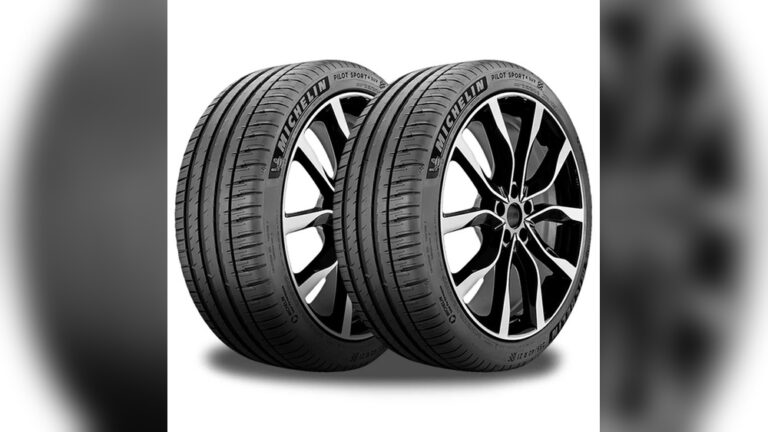
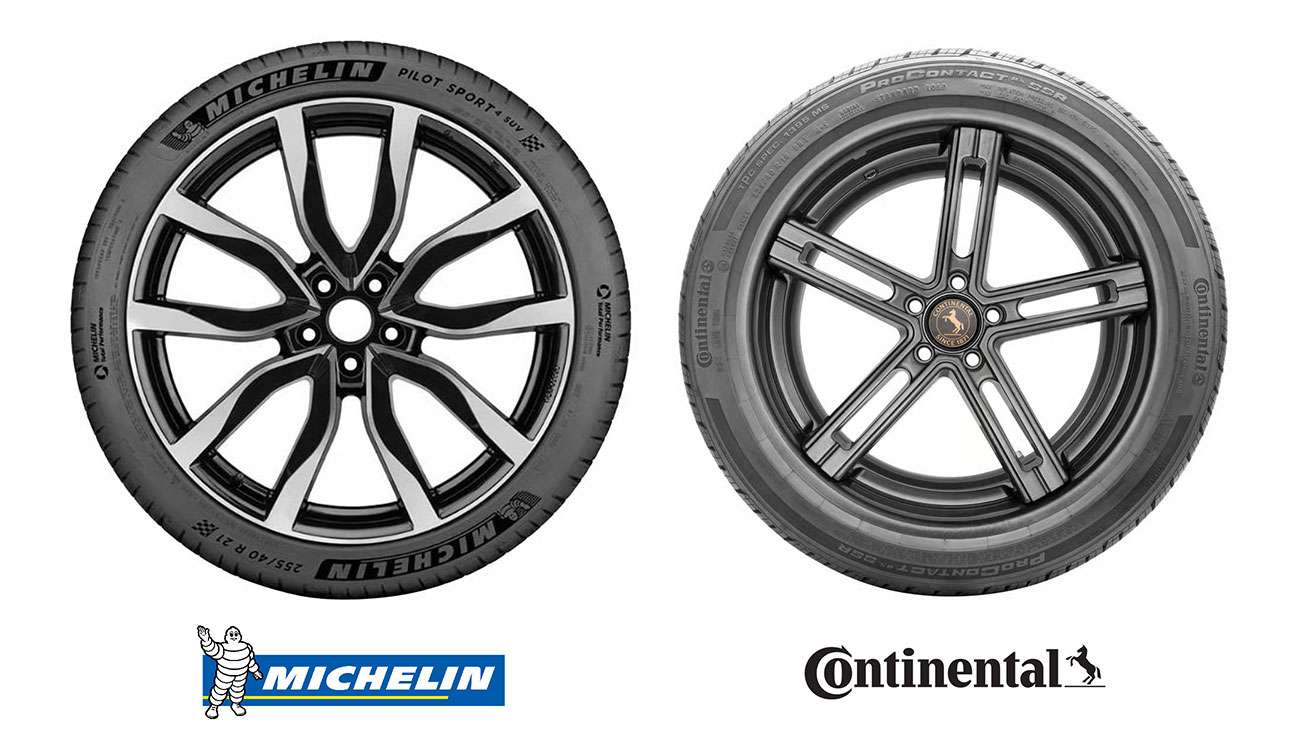
The Continental PremiumContact 6 is a favorite among European drivers for its wet grip and cornering ability. Meanwhile, the Michelin Pilot Sport 4 is often used in performance cars like BMW or Mercedes for its balance between sportiness and comfort.
Tread Life And Durability
How long your tires last depends on many things: your driving style, road conditions, and how well you maintain them. But some brands do last longer than others.
Michelin is known for its long tread life. Many Michelin tires come with warranties of 60,000 to 80,000 miles. Their compounds are designed to wear slowly but evenly.
Continental tires usually have a bit shorter life, with warranties in the 50,000 to 70,000-mile range. However, Continental tires often provide stronger grip throughout their life, not just when new.
| Brand | Average Tread Warranty (Miles) | Special Durability Features |
|---|---|---|
| Continental | 55,000–70,000 | EcoPlus Technology, DuraGen compounds |
| Michelin | 60,000–80,000 | EverTread Compound, MaxTouch Construction |
Non-obvious insight: Michelin’s longer tread life sometimes means a harder tire compound. This can lead to slightly less grip in extreme conditions, but it’s great for daily use.
Safety Features And Technologies
Safety is the top reason most people buy quality tires. Both brands invest heavily in new safety features.
Continental’s Focus
- ContiSeal: This technology seals punctures up to 5mm wide automatically, so you can keep driving after running over a nail.
- SSR (Self-Supporting Runflat): Lets you drive up to 50 miles after a puncture at reduced speed.
- Wet Grip Compounds: Designed for short stopping distances in rain.
Michelin’s Approach
- EverGrip Technology: As the tire wears, new grooves appear, so grip stays strong throughout the tire’s life.
- Zero Pressure Run-Flat: Lets you drive on a flat tire for about 50 miles.
- Michelin Acoustic Technology: Foam inside the tire reduces road noise—great for electric cars.
Non-obvious insight: While both brands offer run-flat options, Continental’s run-flat tires often have a stiffer ride. Michelin’s are softer but may not handle as well in emergency situations.
Price Comparison: Value For Money
Tire prices change depending on size, type, and location. But in general, Michelin tires are usually more expensive than Continental. You might pay $10–$40 more per tire for a similar Michelin model.
Why the price difference? Michelin invests heavily in research and offers longer warranties. But Continental often matches or beats Michelin in independent tests, especially for grip and braking.
If you want the best value:
- Choose Michelin if you drive a lot of miles each year and want maximum tread life.
- Choose Continental if you want strong performance and are happy to replace tires a bit sooner.
Product Lineup: Which Models Compete Head-to-head?
Let’s look at some of the most popular tire models from each brand. These are the ones drivers often compare directly.
| Use Case | Continental Model | Michelin Model |
|---|---|---|
| Ultra-High Performance Summer | SportContact 7 | Pilot Sport 4S |
| Touring All-Season | PureContact LS | Primacy MXM4 |
| Standard All-Season | TrueContact Tour | Defender T+H |
| Winter/Snow | VikingContact 7 | X-Ice Xi3 |
| Performance All-Season | ExtremeContact DWS 06+ | Pilot Sport All Season 4 |
| Truck/SUV All-Terrain | TerrainContact A/T | LTX A/T2 |
How They Stack Up
- The Michelin Pilot Sport 4S is praised for track-level grip and daily comfort. The Continental SportContact 7 is more agile but can be noisier.
- For family cars, the Continental TrueContact Tour offers great fuel savings, while the Michelin Defender T+H is famous for lasting up to 90,000 miles.
- In winter, Michelin X-Ice Xi3 is a favorite for icy roads, but Continental VikingContact 7 often wins in European snow tire tests.
Fuel Efficiency And Eco-friendliness
Fuel efficiency is more important than ever. Rolling resistance (how hard it is for the tire to roll) affects how much fuel your car uses.
Michelin leads here, thanks to its Energy Saver line and special silica compounds. Many Michelin tires are labeled as “eco-friendly” and tested to improve fuel economy by 2–5% compared to regular tires.
Continental is also strong. Its EcoContact series uses low-rolling-resistance materials and is often chosen for electric vehicles. Continental also invests in sustainable materials, like dandelion rubber.
Non-obvious insight: Tire pressure matters as much as tire type. Both brands offer models that keep air longer, but Michelin’s MaxTouch Construction helps the tire wear evenly, which keeps rolling resistance low over time.
Warranty And Customer Support
Warranties can give you peace of mind. Michelin’s treadwear warranties are usually longer, but Continental is praised for its customer support.
- Michelin: Up to 80,000-mile treadwear warranty, 3-year flat tire assistance, 60-day satisfaction guarantee.
- Continental: Up to 70,000-mile treadwear warranty, 3-year roadside assistance, and a 60-day trial.
If you value easy, friendly support, both brands score high in customer reviews. But Michelin’s longer warranty can save money if you keep your car for many years.
Credit: www.youtube.com
Availability And Global Reach
Both brands are sold worldwide, but Michelin’s global presence is slightly bigger. You’ll find Michelin tires in more than 170 countries, while Continental serves over 160.
Michelin also has a wider network of certified dealers, making it easier to find replacements, especially in Asia and North America. Continental is very strong in Europe and is the “default” tire for many German-made cars.
Non-obvious insight: Some local tire shops only carry one of these brands, especially outside big cities. Always check local availability before making a final decision.
User Reviews And Expert Opinions
What do real drivers and experts say? Independent tests and online reviews help show how Continental and Michelin compare in the real world.
- Michelin often wins in comfort, noise, and tread life. Many reviewers call it the “quietest” tire brand.
- Continental scores higher in wet grip and handling, especially in tests by European car magazines.
For example, the Tire Rack 2023 Summer Tire Test showed the Michelin Pilot Sport 4S slightly ahead for comfort and tread life, but the Continental SportContact 7 was better in wet braking and steering response.
Non-obvious insight: Online reviews can be biased by local road conditions. A tire that works well on smooth highways may disappoint on rough city streets. Always read reviews from drivers in your area.
Pros And Cons Of Each Brand
Let’s break down the main advantages and disadvantages of each brand to make your choice clearer.
Continental Tires
- Pros:
- Excellent wet and dry grip
- Fast steering response
- Innovative safety features (ContiSeal, SSR)
- Often better value for money
- Cons:
- Slightly shorter tread life
- Some models can be noisier
- Sporty ride may feel firm to some
Michelin Tires
- Pros:
- Longest tread life in the industry
- Extremely quiet and comfortable
- Leading in fuel efficiency
- Great warranties and support
- Cons:
- Higher price
- Some models have “average” sporty grip
- Not all models available everywhere
Which Should You Choose? Key Scenarios
To help you decide, here’s how the brands fit different needs:
- Daily Commuter: Choose Michelin for long tread life, comfort, and fuel savings.
- Performance Driver: Choose Continental for sharper handling and better wet grip.
- Family SUV or Minivan: Both are great, but Michelin’s touring tires are quieter and last longer.
- Winter Conditions: Michelin is best for ice, Continental for snow and slush.
- Budget-Conscious: Continental offers similar performance for less money.
- Electric Vehicles: Both brands now make EV-specific models. Michelin’s low rolling resistance is slightly ahead, but Continental’s new EcoContact 6 is closing the gap.

Credit: www.youtube.com
Practical Tips For Buying And Using Tires
- Check your car manual for recommended tire types and sizes.
- Always match tires on the same axle.
- Rotate tires every 6,000–8,000 miles for even wear.
- Keep tires properly inflated—this saves fuel and extends tire life.
- For best deals, buy tires in late spring or early fall. Many brands offer rebates then.
- If you drive in mixed climates, consider all-season tires from either brand.
Frequently Asked Questions
What Makes Michelin Tires Last Longer Than Continental Tires?
Michelin uses advanced rubber compounds and a unique tread design called MaxTouch Construction. This spreads the car’s weight evenly across the tire, reducing uneven wear. Their compounds are also designed to resist heat, which slows down the aging process. Continental tires use softer compounds for better grip, which can wear out faster, especially in hot climates.
Are Continental Tires As Safe As Michelin Tires In The Rain?
Yes, Continental tires are often rated as some of the safest in wet conditions. Their Wet Grip Technology and special tread patterns help move water away quickly, reducing the risk of hydroplaning. Michelin tires are also excellent in the rain, but Continental sometimes has a slight edge in independent braking tests.
Do Both Brands Offer Run-flat Tires?
Both Continental and Michelin offer run-flat tires for most popular sizes. Continental’s SSR technology and Michelin’s Zero Pressure tires let you drive about 50 miles after a puncture. However, the ride with run-flat tires can feel firmer, especially with Continental’s version.
Is It Worth Paying More For Michelin Tires?
If you drive many miles each year or want the quietest, most comfortable ride, Michelin tires are worth the extra cost. Their longer tread life and strong warranties can save money over time. But if you prefer sporty driving or want to spend less upfront, Continental gives similar safety and handling for a better price.
Credit: www.performanceplustire.com
Where Can I Find Reliable Performance Data For These Brands?
Independent test sites like Tire Rack, Consumer Reports, and car magazines regularly compare tire brands. You can also check the manufacturer websites and EU tire label ratings for details. For in-depth technical data, the Michelin Wikipedia page offers a good overview of their technologies and global presence.
Choosing between Continental Tires and Michelin Tires is not about picking a “winner.” It’s about what matters most to you: grip, comfort, long life, or value. With the facts and tips above, you can make a confident, informed decision that keeps you safe and happy on the road.