When temperatures drop, many drivers are surprised to find their tire pressure warning light turning on. It’s a common winter experience: you park your car on a chilly night, and the next morning, the tires look flatter than before. Why does this happen? Understanding why tires lose air in cold weather is not just about physics—it’s also essential for safety, fuel efficiency, and tire lifespan. Let’s explore the science, real-world effects, and what you can do to keep your tires in top condition through winter.
The Science Behind Air Pressure And Temperature
Air behaves differently as temperatures change. When the weather gets colder, air molecules move more slowly and gather closer together. This causes a drop in tire pressure. The process is simple but important:
- As air cools, it contracts.
- Less pressure is exerted on the inside of the tire.
- The tire seems to “lose air,” but the actual amount of air hasn’t changed—only the pressure.
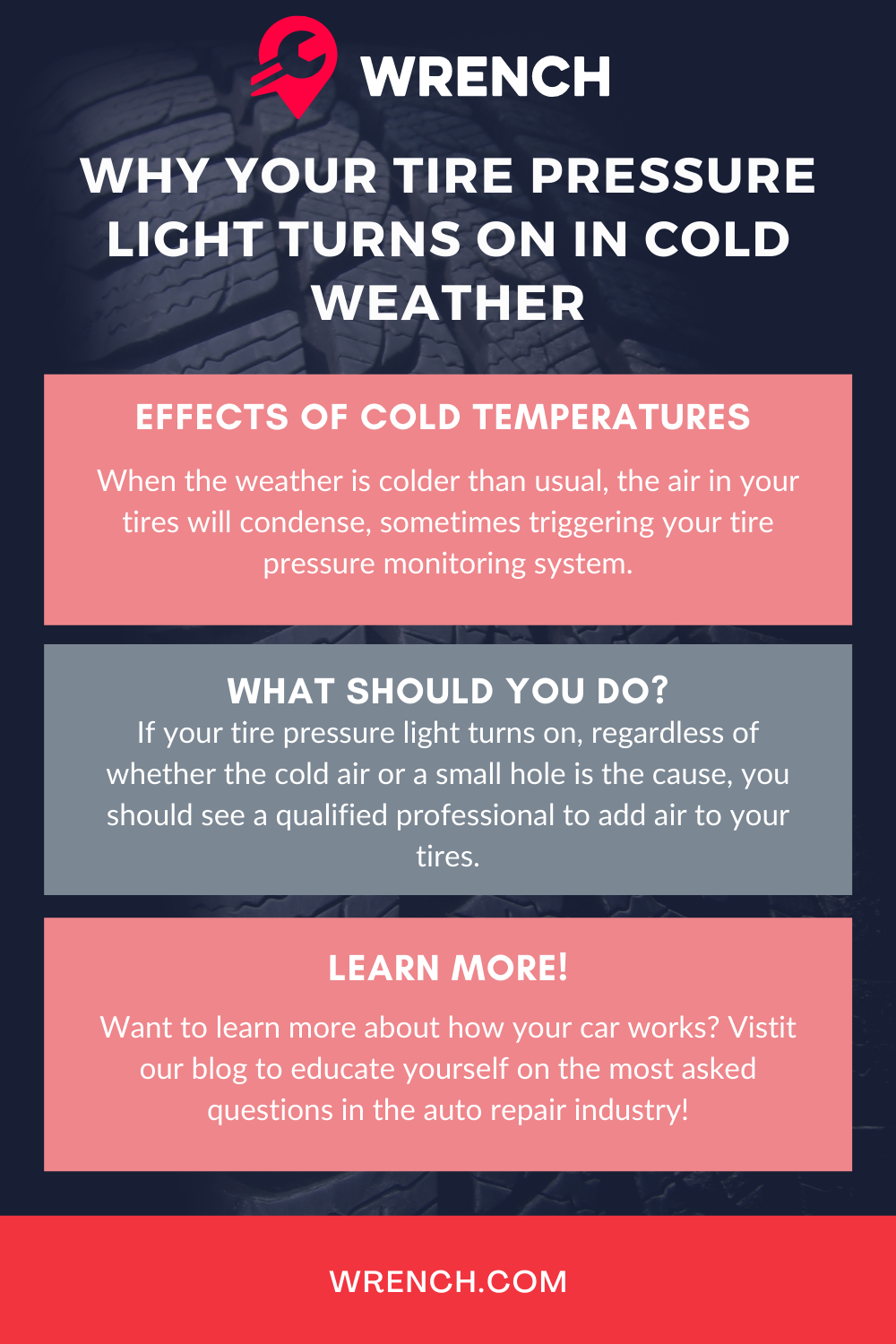
For every 10°F (about 5. 5°C) drop in temperature, tire pressure can decrease by about 1-2 PSI (pounds per square inch). For example, if your tires were at the recommended 35 PSI at 70°F, but the temperature drops to 30°F, you could lose 7-8 PSI.
That’s enough for the warning light to come on and for the tire to look underinflated.
Why Cold Weather Exposes Tire Leaks
Not all air loss is from physics alone. Tiny leaks can become more obvious in cold weather. Seals, rubber, and metal parts shrink in the cold, making small leaks bigger. If your tire has a slow leak from a nail, a bad valve stem, or rim corrosion, colder weather will make the problem worse.
Non-obvious insight: Sometimes, a tire that seemed fine all summer can start losing air rapidly in winter. Tiny cracks or slow leaks that were sealed by warm, flexible rubber can open up as the rubber hardens in the cold.
Effects Of Low Tire Pressure In Winter
Losing air in your tires is not just a minor inconvenience. It affects:
- Safety: Underinflated tires make your car harder to handle, especially on slippery roads.
- Fuel efficiency: Your car uses more fuel with soft tires because of higher rolling resistance.
- Tire wear: Low pressure causes tires to wear out faster, especially on the edges.
- Braking: Stopping distances become longer.
Let’s look at how much pressure can change, and what effects you might notice.
| Temperature (°F) | Expected PSI Loss | Handling Impact |
|---|---|---|
| 70 | 0 | Normal |
| 50 | 2-3 | Minor |
| 30 | 5-7 | Noticeable |
| 10 | 8-10 | Significant |
Why Winter Tires May Lose Air Faster
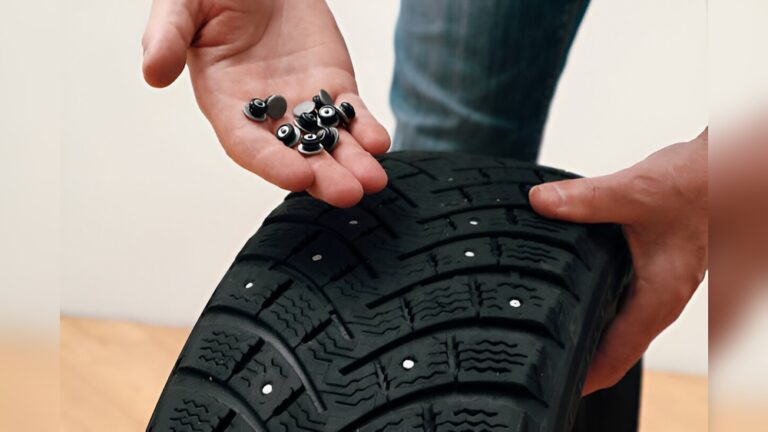
Many drivers switch to winter tires when the temperature drops. These tires often have softer rubber compounds for better grip in cold and snow. However, softer rubber can also shrink more and develop leaks at the bead (where the tire meets the rim) or in the sidewall.
Non-obvious insight: Winter tires are sometimes mounted on older steel rims, which can develop rust. Rusty rims can create tiny gaps, letting air escape faster than on clean alloy rims.
How Driving Habits Affect Tire Pressure In Cold
When you start driving, the tire warms up from friction and flexing. This heats the air inside, raising the pressure slightly. That’s why you might see a low-pressure warning in the morning, but the light goes off after a few miles.
However, this does not “fix” the problem—your tires are still underinflated when parked.
Short trips in the cold don’t warm the tires enough to restore pressure. This means city drivers who only travel a few miles may have more problems with low tire pressure than people taking longer drives.
Common Causes Of Air Loss In Cold Weather
Not all air loss is due to temperature. Several issues are more likely to cause problems in the winter:
- Damaged valve stems: Rubber can crack or shrink in the cold, causing leaks.
- Corroded rims: Salt and moisture can corrode the rim, especially on older cars.
- Punctures: Tiny punctures or old repairs may start leaking more as the rubber contracts.
- Old tires: Rubber loses flexibility with age, making leaks more likely in cold weather.
- Improper mounting: If a tire wasn’t sealed perfectly, cold can make the seal worse.
Credit: wrench.com
Detecting And Diagnosing Air Loss
It’s important to know whether your tire is losing air just from cold, or if there’s a real problem. Here’s how to check:
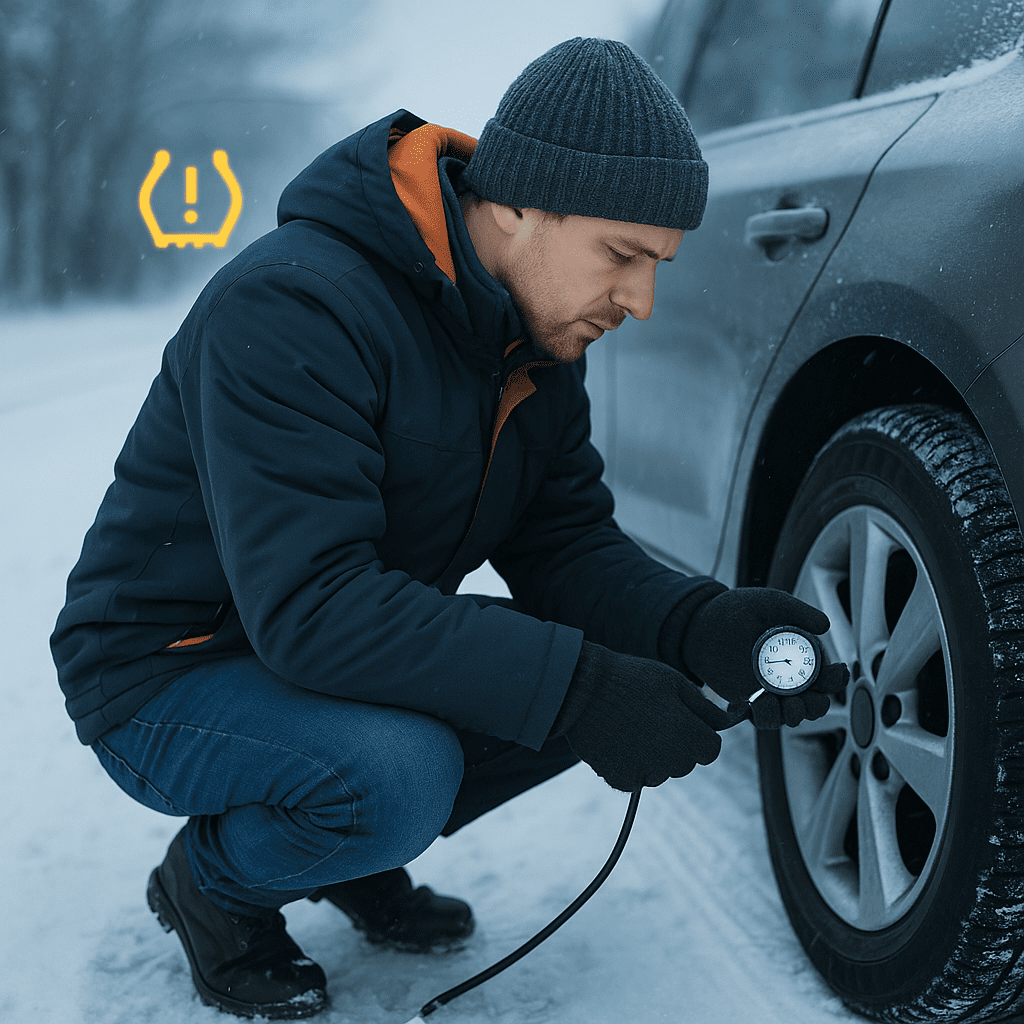
- Use a reliable tire pressure gauge. Check pressure when tires are cold (before driving).
- Compare to the vehicle’s recommended PSI (found on a sticker inside the driver’s door).
- If one tire is much lower than the others, you likely have a leak.
- Check for visible damage: Nails, screws, or sidewall cracks.
- Listen for hissing sounds near the valve or rim.
It’s normal for all four tires to drop by about the same amount when it gets cold. If only one tire is losing air, it’s probably not just the weather.
What To Do If Your Tires Lose Air In Cold Weather
Taking care of your tires in winter is straightforward if you follow these steps:
- Check pressure regularly: At least once a month in winter, or after every major temperature drop.
- Add air as needed: Don’t wait for the warning light—keep tires at the recommended PSI.
- Inspect for leaks: Spray soapy water on the valve and rim. Bubbles mean a leak.
- Get repairs quickly: Don’t ignore slow leaks. Small problems get worse in the cold.
- Store a portable air compressor: Useful for emergencies and quick top-ups.
Credit: postletire.com
The Role Of Tire Pressure Monitoring Systems (tpms)
Most modern cars have a TPMS that warns you when pressure drops below a safe level. However, these systems have limits:
- They may not alert you until pressure is very low.
- Some systems only measure when the car is moving.
- TPMS sensors can fail or give false alarms in extreme cold.
It’s still best to check tire pressure manually, even with TPMS.
Nitrogen Vs. Air In Cold Weather
Some shops offer to fill tires with nitrogen instead of regular air. Nitrogen is less affected by temperature changes, but the difference is small. For most drivers, keeping tires properly inflated is more important than which gas is inside.
| Filling Gas | Pressure Change (per 10°F drop) | Cost |
|---|---|---|
| Regular Air | 1-2 PSI | Free or cheap |
| Nitrogen | 1-1.5 PSI | Usually $5-$10 per tire |
Credit: www.trafficsafetystore.com
Preventing Tire Pressure Loss In Winter
You can’t stop the laws of physics, but you can reduce the risk of driving on underinflated tires:
- Check tires before long trips
- Replace old or cracked valve stems
- Clean corrosion off rims when mounting tires
- Use high-quality tires with good seals
- Avoid parking for long periods in direct cold, if possible
Some drivers inflate their tires to 2-3 PSI above the recommended value before winter, but it’s best not to go over the maximum listed on the tire.
Real-world Example: Tire Pressure Drops Overnight
Imagine a driver parks his car at 6 PM when the temperature is 40°F. Overnight, the temperature drops to 15°F. In the morning, he finds his tire warning light on.
Here’s what happened:
- At 40°F, his tires were at 34 PSI.
- At 15°F, the pressure drops by about 5 PSI, now at 29 PSI.
- This is below the recommended level (usually 32-35 PSI).
- The tire did not “leak”—the air just contracted.
- If the tire was already a bit low or had a small leak, the problem is worse.
This scenario is common and shows why checking your pressure regularly in winter is important.
How Cold Weather Affects Different Types Of Vehicles
Cold weather pressure loss happens in all vehicles, but some are affected more:
- Passenger cars: Most common, especially with low-profile tires.
- Trucks/SUVs: Larger tires lose more air in total volume, but the PSI drop is similar.
- Electric vehicles: Sensitive to tire pressure for maximum range.
- Bicycles and motorcycles: Small tires can go flat quickly in cold.
Some vehicles with advanced suspension systems (like air suspension) can also show warnings in cold weather.
The Cost Of Ignoring Low Tire Pressure
Driving with low tire pressure in winter can lead to:
- Increased risk of accidents
- Poor traction on ice and snow
- Shorter tire lifespan
- Higher fuel bills
According to the U. S. Department of Energy, underinflated tires can lower gas mileage by 0. 2% for every 1 PSI drop in pressure. If you drive 12,000 miles a year, that’s a real cost.
When To Get Professional Help
If your tire keeps losing air, even after adding more, it’s time for a professional inspection. The shop can check for:
- Hidden punctures
- Rim damage
- Valve stem leaks
- Internal tire damage
A quick repair can save you from a blowout or expensive replacement later.
Tire Maintenance Tips For Winter
Keeping your tires in good shape for winter is about more than just pressure. Here are some tips:
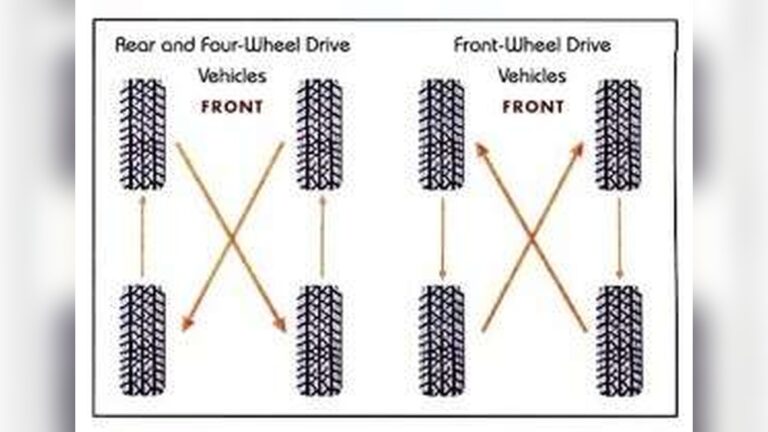
- Rotate tires regularly for even wear
- Check tread depth (at least 2/32 inch for safe winter driving)
- Remove snow and ice from wheel wells to avoid uneven pressure
- Store off-season tires in a cool, dry place
If you use winter tires, inspect them before mounting. Look for cracks, bulges, or old repairs.
Summary Table: Key Points About Tire Pressure Loss In Cold
Here’s a quick overview of the most important factors:
| Factor | Cold Weather Impact | Prevention |
|---|---|---|
| Temperature drop | Air contracts, PSI drops | Check and fill tires regularly |
| Valve stem condition | Leaks more in cold | Replace old stems |
| Rim corrosion | Air escapes at bead | Clean rims, use quality tires |
| Existing punctures | Leaks faster in cold | Repair quickly |
Taking Action: Keep Your Tires Safe All Winter
Tires naturally lose air as the temperature drops, but understanding why helps you stay safe. Monitor your pressure, check for leaks, and don’t ignore warning lights. A few minutes of attention in the cold can prevent hours of trouble on the road.
If you want to learn more about tire safety and winter driving, visit the National Highway Traffic Safety Administration for detailed guides and updates.
Frequently Asked Questions
Why Does My Tire Pressure Warning Light Come On When It Gets Cold?
The warning light comes on because cold air contracts, lowering the pressure inside your tires. Even a small temperature drop overnight can trigger the sensor.
How Often Should I Check My Tire Pressure In Winter?
It’s best to check at least once a month, or after a big temperature change. Check before long trips and whenever the warning light comes on.
Should I Overinflate My Tires For Winter?
No, you should keep your tires at the vehicle manufacturer’s recommended PSI. Slight overinflation can help, but never go over the maximum listed on the tire.
Is It Better To Fill Tires With Nitrogen In Winter?
Nitrogen changes pressure less than air, but the difference is small. Regular air is fine as long as you keep the tires properly inflated.
What Should I Do If Only One Tire Keeps Losing Air In The Cold?
If one tire loses air faster than the others, it could have a puncture, rim leak, or valve problem. Have it checked by a professional as soon as possible.