Can All-season Tires Handle Light Snowfall?
Driving in winter can feel stressful, especially if you are not sure whether your tires are ready for snowy roads. Many drivers use all-season tires because they are convenient and cost-effective. But when the weather turns cold and light snow begins to fall, can these tires really keep you safe? Understanding how all-season tires perform in light snow is important for making smart decisions about your vehicle and your safety.
Let’s explore how all-season tires work, their limits in snow, and what you should expect if you drive with them during the winter. You’ll learn real facts, practical tips, and some mistakes that drivers usually make. By the end, you’ll know exactly what to do when snow starts to cover the roads.
What Are All-season Tires?
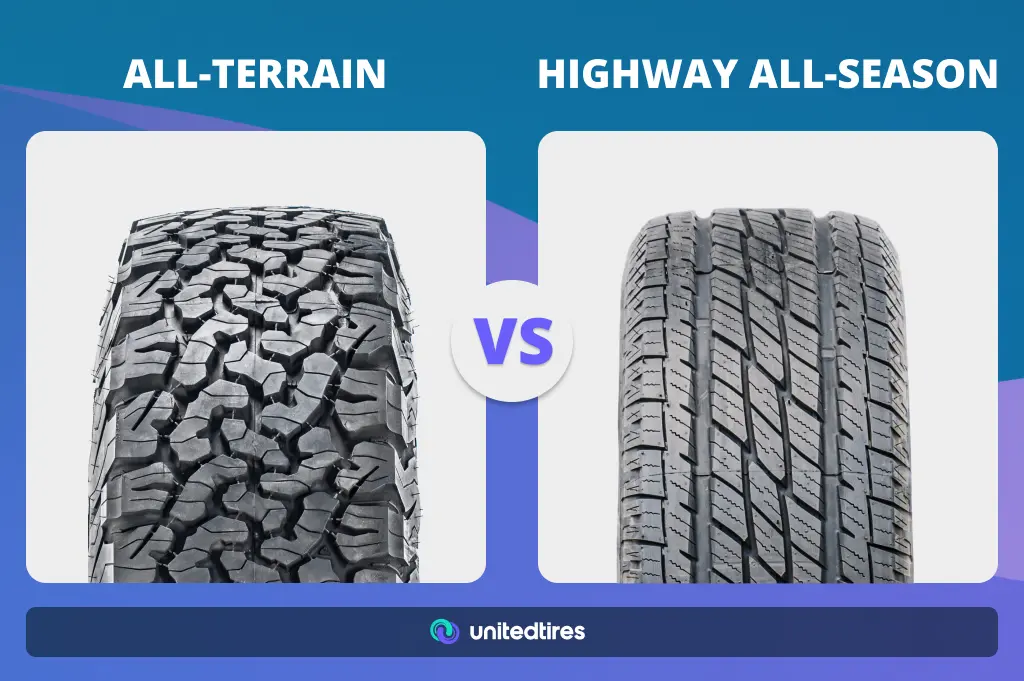
All-season tires are built to handle a wide range of weather conditions. They are designed for dry roads, wet roads, and sometimes even mild winter weather. Their tread patterns and rubber compounds are made to offer good traction in different temperatures.
Most cars in North America and Europe come with all-season tires from the factory. These tires are popular because:
- You don’t need to switch tires every season
- They offer good performance for most drivers
- They last longer compared to winter tires
However, all-season tires are not the same as winter tires or summer tires. Each type is made for specific conditions.
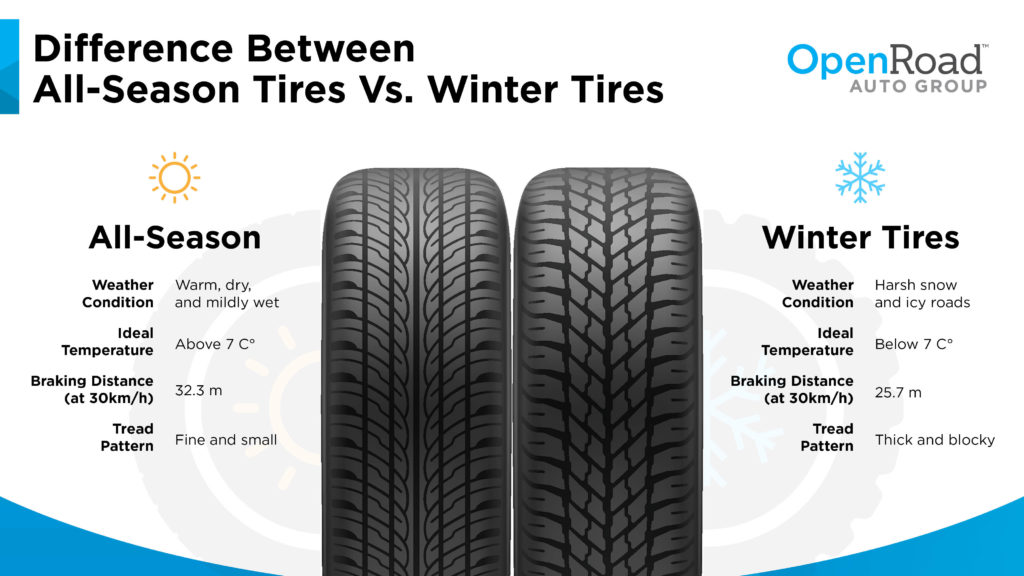
How All-season Tires Differ From Winter Tires
Let’s compare all-season tires and winter tires so you can see the main differences.
| Feature | All-Season Tires | Winter Tires |
|---|---|---|
| Tread Design | Moderate grooves, less aggressive | Deep grooves, aggressive block patterns |
| Rubber Compound | Stays flexible in mild cold, hardens below 7°C | Stays soft below 7°C, specially formulated |
| Snow Traction | Acceptable in light snow | Excellent in heavy snow and ice |
| Braking Distance | Longer in snow and ice | Shorter, safer in snow and ice |
All-season tires are a compromise. They can handle light snow, but they are not perfect. Winter tires are made just for cold and snowy conditions.
How All-season Tires Perform In Light Snow
Light snowfall usually means less than 2 inches (about 5 cm) of snow on the road. In these conditions, all-season tires can offer reasonable traction if you drive carefully.
Here’s how they perform:
- The tread pattern helps channel snow and water away
- The rubber stays flexible enough for mild cold
- You get decent grip on slushy and wet roads
But there are limits. All-season tires are not ideal if temperatures drop below -7°C (19°F) or if the snow gets deeper. Their performance drops because:
- The rubber hardens in very cold weather
- The tread is not deep enough to grip thick snow
- Stopping distances increase
According to tire tests from Consumer Reports, all-season tires take up to 30% longer to stop on snow compared to winter tires. For example, at 30 mph (48 km/h), an all-season tire may need up to 70 feet (21 meters) to stop, while a winter tire needs only 54 feet (16.
5 meters).
Practical Example
Imagine you are driving home with light snow falling. You brake for a stop sign, but your car slides a few feet. If you had winter tires, you would stop sooner. With all-season tires, you need to drive slower and leave more space.
Credit: www.lesschwab.com
When All-season Tires Are Safe For Light Snow
All-season tires can be safe in light snow if:
- The roads are plowed and not icy
- Temperatures are above -7°C (19°F)
- You drive slowly and avoid sudden moves
Most cities and towns clear roads quickly after light snow. If you drive on these roads with all-season tires, you will usually be fine. But you must pay attention to speed and distance.
Tips For Driving In Light Snow With All-season Tires
- Reduce your speed by at least 20%
- Leave extra space between your car and others
- Avoid hard braking and sharp turns
- Check tire pressure regularly (cold weather lowers pressure)
- Clean snow and ice from your car before driving
Even with the right tires, slippery roads can surprise you. Stay alert and drive defensively.
Limits Of All-season Tires In Snow
While all-season tires can handle light snow, they have clear limits. If you drive in heavy snow, ice, or freezing rain, these tires may not keep you safe.
Main Limitations
- Traction loss: When snow gets deeper, the tread fills with snow and loses grip.
- Braking distance: Stopping takes much longer on icy roads.
- Cornering: Turning can cause skidding if the road is slick.
- Temperature: Below -7°C, the rubber becomes hard and loses flexibility.
Here’s a comparison of tire performance in different winter conditions:
| Condition | All-Season Tire Performance | Winter Tire Performance |
|---|---|---|
| Light Snow (under 2 inches) | Good, with careful driving | Excellent |
| Deep Snow (over 2 inches) | Poor, risk of sliding | Very good |
| Ice | High risk, long stops | Much safer |
| Wet Roads | Good | Good |
If you live in a place with frequent snow, consider switching to winter tires. If snow is rare, all-season tires can work for most days.
Credit: blog.openroadautogroup.com
Choosing The Right Tires For Winter
Deciding which tires to use is important for your safety. Here’s what you should think about:
- Climate: Do you get light snow or heavy snow? Check your local weather history.
- Driving habits: How often do you drive in winter? Short trips or long commutes?
- Road clearing: Are roads plowed quickly in your area?
Tire Types
- All-season tires: Good for mild climates, light snow, and year-round use.
- Winter tires: Best for cold climates, frequent snow and ice, and safer winter driving.
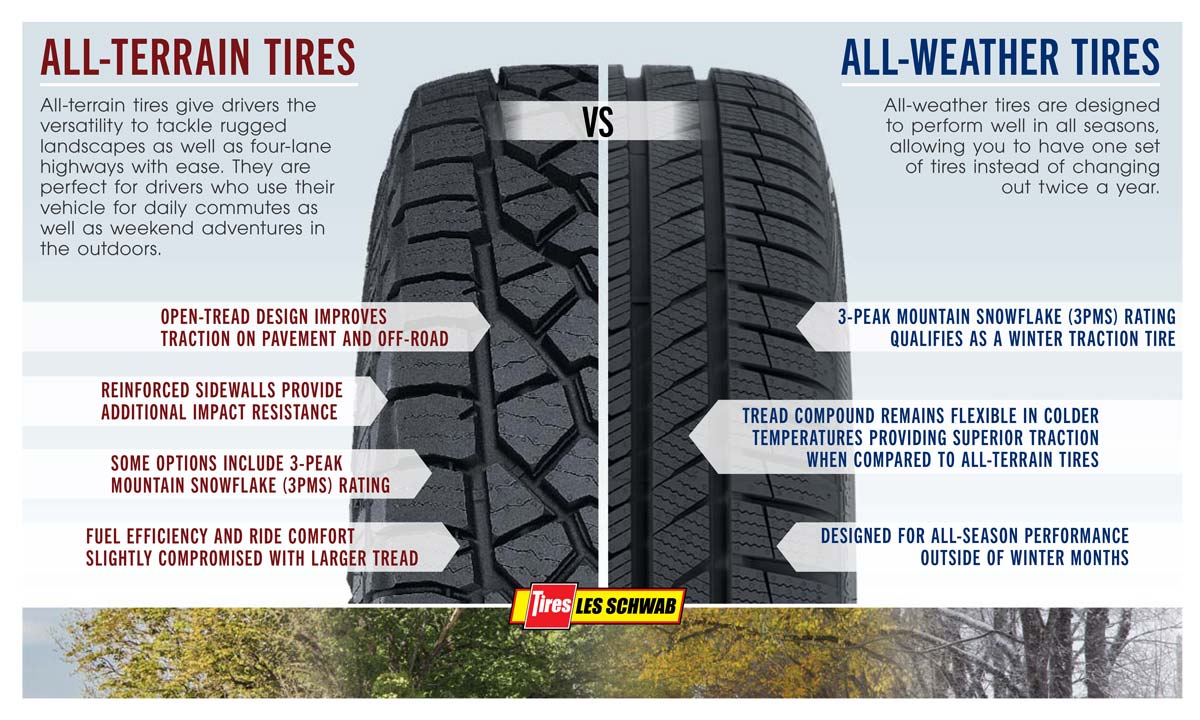
- All-weather tires: Newer option, combining some features of winter tires and all-season tires.
All-weather tires are not the same as all-season tires. They carry the Three Peak Mountain Snowflake (3PMSF) symbol, which means they meet higher standards for winter traction.
| Tire Type | Winter Performance | Year-Round Use | Cost |
|---|---|---|---|
| All-Season | Light snow only | Yes | Lower |
| Winter | Heavy snow, ice | No | Medium |
| All-Weather | Good in snow | Yes | Higher |
Many drivers don’t know about all-weather tires. They are a smart choice if you want to avoid changing tires but need better winter grip.
Common Mistakes When Using All-season Tires In Snow
Drivers often make mistakes that put them at risk in winter. Here are some to watch out for:
- Thinking all-season means all conditions: All-season tires are not made for deep snow or ice.
- Ignoring tire age: Old tires lose traction, even if they look OK.
- Using worn tires: Tread below 2/32 inch (1.6 mm) is unsafe in snow.
- Skipping tire checks: Low pressure and cracks can cause accidents.
- Overestimating braking power: Stopping takes longer in snow, especially with all-season tires.
Many people believe their tires are safe just because they are labeled “all-season. ” This is not true for winter storms or icy roads.
Real Data And Statistics
Let’s look at some actual numbers to understand the risks:
- According to the U.S. Department of Transportation, 24% of weather-related accidents happen on snowy, slushy, or icy roads.
- Tests by Tire Rack show that all-season tires lose up to 40% of their traction in snow compared to winter tires.
- Insurance claims for winter accidents spike by 50% during snowfalls.
Most of these accidents happen because drivers do not adjust their speed or do not use proper tires. You can reduce your risk by understanding tire limits and making smart choices.
Expert Guidance For Safe Winter Driving
If you live in a place where snow is rare and roads are plowed quickly, all-season tires are usually enough. But if you see snow more than 10 days a year, consider all-weather or winter tires.
Check your tires before winter:
- Look for the 3PMSF symbol if you want better snow performance
- Replace tires if tread is worn
- Keep tire pressure at the recommended level
If you want to learn more about winter tire safety and performance, you can read detailed studies from the National Highway Traffic Safety Administration.
Credit: www.utires.com
Frequently Asked Questions
Can I Use All-season Tires Year-round, Including Winter?
Yes, all-season tires are made for year-round use, including mild winter. They work well in light snow, but are not safe for deep snow or ice.
How Do I Know If My All-season Tires Are Safe For Winter?
Check your tire tread depth (should be above 2/32 inch), make sure tires are not older than 6 years, and inspect for cracks. Also, drive carefully and slower in snowy conditions.
Are All-season Tires Better Than Summer Tires For Snow?
All-season tires are much better than summer tires for snow. Summer tires harden in cold and have poor grip, while all-season tires stay flexible in mild winter.
What Is The Three Peak Mountain Snowflake Symbol?
The 3PMSF symbol shows that a tire meets higher standards for winter traction. All-weather and winter tires often have this symbol, while most all-season tires do not.
Should I Buy Winter Tires If I Only See Light Snow?
If you only see light snow a few times per year and roads are cleared quickly, all-season tires are usually fine. But if you want extra safety, all-weather or winter tires are a smart choice.
All-season tires can handle light snowfall if you drive carefully and understand their limits. They are a practical option for many drivers, but not a perfect solution for real winter storms. Always check your tires, follow safety tips, and consider better options if snow becomes a regular problem.
Making the right tire choice can save you from risky situations and keep you safe on the road.