Driving on low tire pressure is more dangerous than most people realize. You might think it’s okay to drive a short distance or delay fixing the issue, but the risks grow quickly. Many drivers ignore their tire pressure warning light, hoping it will go away.
But low tire pressure can cause accidents, damage your car, and cost you money. If you want to protect yourself, your family, and your vehicle, understanding how bad it is to drive on low tire pressure is essential.
What Is Low Tire Pressure?
Tire pressure is the amount of air inside your tires, measured in PSI (pounds per square inch). Most cars require between 30–35 PSI for safe driving. Low tire pressure means your tires have less air than recommended by your car’s manufacturer. You can find the right pressure in your owner’s manual or on a sticker inside the driver’s door.
Low tire pressure can happen for many reasons:
- Slow leaks from punctures or valves
- Temperature changes (cold air reduces pressure)
- Not checking tires regularly
Even being 5 PSI below the recommended level can cause problems. Many people only notice when the tire looks flat, but by then, it’s already unsafe.
Immediate Effects Of Driving On Low Tire Pressure
Loss Of Control
When tire pressure drops, the tire’s surface changes shape. This means less contact with the road. You might notice the steering feels sluggish or the car doesn’t respond quickly. In emergencies, low pressure can make it hard to avoid obstacles or stop fast.
Reduced Braking Efficiency
Low tire pressure increases the distance needed to stop your car. The tire’s grip weakens, especially during sudden stops or wet conditions. This delay can lead to rear-end collisions or missing a stop sign.
Poor Handling
Your car is designed to work best with the correct tire pressure. When you drive with low pressure, turning becomes harder. The car might lean too much in corners or feel unstable. This is especially risky on highways or winding roads.
Credit: topdriver.com
Long-term Consequences
Tire Damage
Low pressure causes the tire to flex more. The edges wear faster than the center, leading to uneven tread wear. Over time, this weakens the tire and increases the chance of a blowout.
Reduced Tire Lifespan
Driving on low pressure can cut your tire’s life by up to 25%. For example, if a tire should last 40,000 miles, low pressure might reduce it to 30,000 miles or less. That means buying new tires sooner.
Higher Fuel Consumption
Under-inflated tires create more resistance. Your engine must work harder, using more fuel. Studies show fuel efficiency drops by about 3% for every 10 PSI lost across all four tires. Over a year, this can cost you hundreds of dollars.
Damage To Wheels And Suspension
When tires are soft, they can’t absorb shocks well. Hitting a pothole or curb is more likely to bend your wheel rim or harm your suspension. Repairs can be expensive and lead to more problems.
Safety Risks You Should Not Ignore
Tire Blowouts
A blowout is when a tire bursts while driving. Low pressure causes the tire to heat up, making blowouts more likely. At high speeds, this can cause the car to spin or crash. According to the National Highway Traffic Safety Administration, tire blowouts cause thousands of accidents every year.
Hydroplaning
Hydroplaning happens when water builds up between your tires and the road. Low pressure increases this risk because the tire cannot push water away well. This makes losing control easier during rainy weather.
Longer Stopping Distances
Low tire pressure means less grip. If you need to brake quickly, your car may not stop in time. This is dangerous near schools, intersections, or highways.
Poor Emergency Response
If you need to swerve or avoid an obstacle, your tires may not respond fast enough. Low pressure slows down your reaction and increases the risk of accidents.
How Does Low Tire Pressure Affect Performance?
Reduced Acceleration
Your car will feel slower. Low pressure makes the tire drag more, so you need to press the gas harder. This wastes fuel and makes the car less responsive.
Noisy Ride
Soft tires make more noise. You might hear a thumping or humming sound. This is not just annoying—it’s a sign your tires are struggling.
Vibration And Discomfort
Low tire pressure leads to vibration. The car shakes, especially at higher speeds. Passengers feel less comfortable, and it can make long trips tiring.
Less Precise Steering
Steering becomes less accurate. You might need to correct your direction more often, especially on straight roads or during turns.
Real-life Examples And Data
Let’s look at a comparison of tire pressure effects using data:
| Pressure (PSI) | Stopping Distance (ft) | Fuel Efficiency (mpg) | Tire Lifespan (miles) |
|---|---|---|---|
| 35 (Recommended) | 120 | 28 | 40,000 |
| 30 | 130 | 27 | 36,000 |
| 25 | 145 | 25 | 30,000 |
| 20 | 170 | 22 | 20,000 |
As you see, even small drops in PSI increase stopping distance and reduce fuel efficiency. Tire lifespan drops sharply at very low pressure.
Common Mistakes Drivers Make
- Ignoring the warning light: Many people think the tire pressure light is just a suggestion. In reality, it’s a serious alert.
- Trusting visual checks: Tires can look fine but still be dangerously low. Always use a pressure gauge.
- Delaying repairs: Waiting to fix low pressure increases risk. A slow leak can get worse quickly.
- Using incorrect pressure: Some drivers inflate tires to a random number. Always follow your car’s recommendation.
- Not checking the spare: If your main tire fails, the spare may also be under-inflated.
How To Check And Fix Tire Pressure
Using A Pressure Gauge
Buy a digital or analog tire pressure gauge. Remove the cap from the tire’s valve, press the gauge onto the valve, and read the number. Do this when tires are cold for the most accurate reading.
Finding The Correct Pressure
Look for a sticker inside your driver’s door or check the owner’s manual. This tells you the recommended PSI for your car.
Inflating Tires
If pressure is low, use a home air compressor or visit a gas station. Add air slowly and check often. Do not over-inflate—this is also unsafe.
Checking Regularly
Check tire pressure every month and before long trips. Temperature changes can lower pressure overnight.
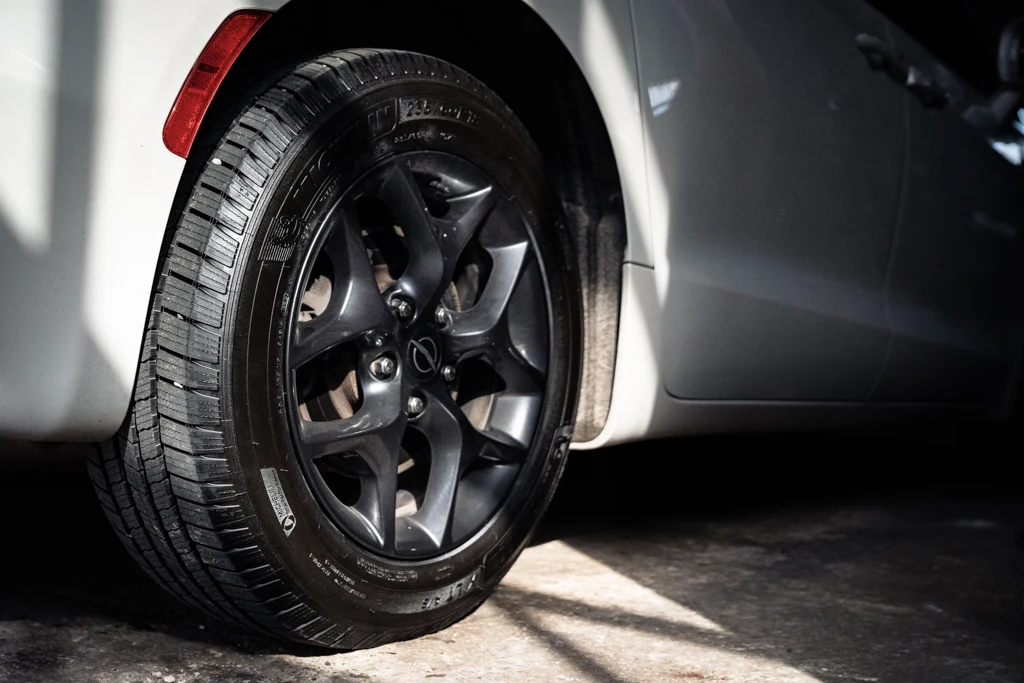
Credit: gotire.com
When Is It Safe To Drive With Low Tire Pressure?
In general, it is never safe to drive with low tire pressure. If you notice a warning light or a tire feels soft, stop and check immediately. If you must drive, limit the distance and speed. Find a place to fix the problem as soon as possible.
Driving just a few miles on low pressure can cause permanent damage. If you’re unsure, call for roadside assistance or visit a tire shop.
Comparing Low Pressure With Other Tire Problems
Let’s compare low tire pressure with other common tire issues:
| Problem | Risk Level | Immediate Action Needed? | Possible Damage |
|---|---|---|---|
| Low Pressure | High | Yes | Tire, fuel economy, safety |
| Tread Wear | Medium | No | Tire lifespan |
| Puncture | Very High | Yes | Tire, wheel |
| Over-inflation | Medium | Sometimes | Handling, tire wear |
Low tire pressure stands out as a major risk needing immediate attention.
Extra Tips For Safe Tire Maintenance
- Rotate tires every 6,000–8,000 miles for even wear.
- Replace tires when tread depth falls below 2/32 inch.
- Check tires after sudden temperature changes, as pressure can drop overnight.
- Keep a portable air compressor and pressure gauge in your car for emergencies.
- Learn to spot signs of damage: Cracks, bulges, or nails stuck in the tire.
Non-obvious Insights Most Drivers Miss
- Low tire pressure affects all-wheel drive systems: If one tire is lower, it can stress the drivetrain, leading to expensive repairs.
- Insurance claims may be denied: If an accident is caused by neglected tire maintenance, some insurers may refuse coverage.
- Low pressure can trigger electronic stability control: Modern cars may reduce engine power or apply brakes unexpectedly if tire pressure is too low.

Credit: www.canadasafetytraining.com
Why Tire Pressure Matters For Modern Cars
Today’s vehicles use sensors and computers to keep you safe. Low tire pressure can confuse these systems, causing false alerts or unexpected behavior. Cars with ABS or traction control rely on proper pressure for best performance.
When Should You Replace A Tire Damaged By Low Pressure?
If you drove more than a few miles on low pressure, inspect the tire for sidewall damage or blisters. Even if the tire seems fine, hidden weakness can cause failure later. Replace any tire with visible damage or uneven wear.
Frequently Asked Questions
What Is Considered Low Tire Pressure?
Any PSI below your car’s recommended value is low. Usually, this means less than 30 PSI for most cars. Check your owner’s manual for the exact number.
Can I Drive With A Tire Pressure Warning Light?
No, you should not drive with the warning light. It means at least one tire is dangerously low. Stop and check immediately to avoid accidents.
How Often Should I Check Tire Pressure?
Check your tire pressure once a month and before long trips. Also, check after big changes in weather, as cold air reduces pressure.
What Happens If I Drive Too Long On Low Tire Pressure?
You risk a blowout, uneven tire wear, poor handling, and damage to your wheels and suspension. You may also spend more on fuel and repairs.
Is It Safe To Inflate Tires At A Gas Station?
Yes, most gas stations have air pumps. Use a pressure gauge to avoid over-inflation. Check pressure before and after adding air.
Driving on low tire pressure is never a small problem. It can lead to accidents, higher costs, and damage to your vehicle. Take tire maintenance seriously and check your pressure often. If you ever see a warning light or feel something is wrong, act fast. Protect yourself and others by keeping your tires properly inflated. For more detailed information and statistics, you can visit Wikipedia. Safe driving starts from the ground up—your tires matter more than you think.